
Wound Bed Preparation and Maintenance
Expert-defined terms from the Professional Certificate in Wound Care Management course at London School of Business and Administration. Free to read, free to share, paired with a professional course.
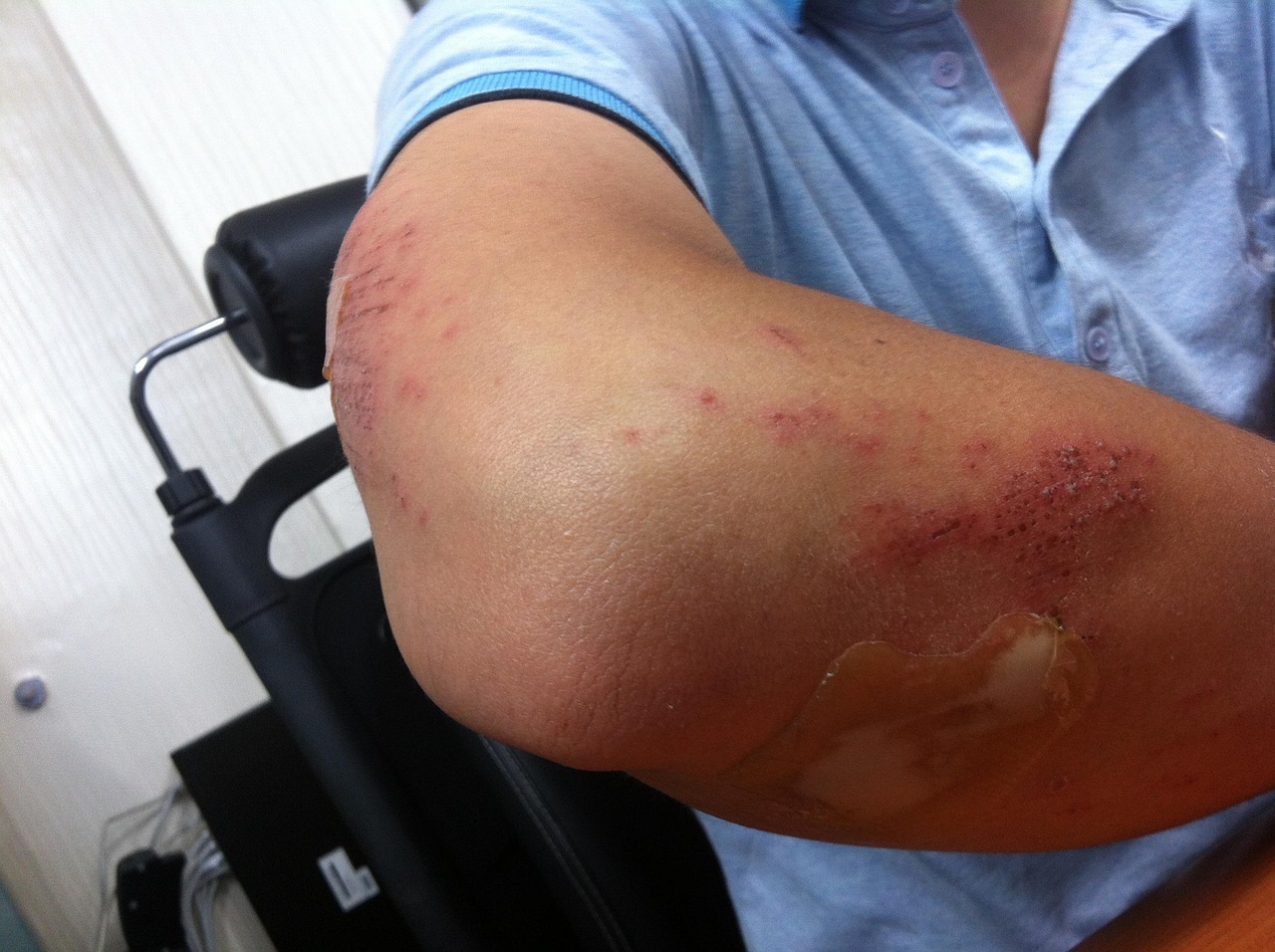
Wound Bed Preparation and Maintenance #
Wound Bed Preparation and Maintenance
Wound bed preparation and maintenance are crucial aspects of wound care manageme… #
This process involves a series of interventions aimed at promoting wound healing by creating an ideal environment for tissue repair. Wound bed preparation and maintenance aim to remove barriers to healing, reduce the risk of infection, and promote the growth of new tissue.
Key Concepts #
- Debridement: The removal of dead or damaged tissue from a wound to promote hea… #
- Debridement: The removal of dead or damaged tissue from a wound to promote healing.
- Moisture balance: Maintaining the right level of moisture in the wound to supp… #
- Moisture balance: Maintaining the right level of moisture in the wound to support healing.
- Infection control: Preventing and treating wound infections to promote healing #
- Infection control: Preventing and treating wound infections to promote healing.
- Granulation tissue formation: The growth of new tissue in the wound bed to fil… #
- Granulation tissue formation: The growth of new tissue in the wound bed to fill the wound and promote healing.
- Epithelialization: The process of new skin cells migrating across the wound be… #
- Epithelialization: The process of new skin cells migrating across the wound bed to close the wound.
- Tissue regeneration: The growth of new tissue to replace damaged or lost tissu… #
- Tissue regeneration: The growth of new tissue to replace damaged or lost tissue in the wound.
- Wound healing: The natural process of repairing damaged tissue to restore skin… #
- Wound healing: The natural process of repairing damaged tissue to restore skin integrity.
- Wound assessment: The evaluation of a wound to determine its characteristics a… #
- Wound assessment: The evaluation of a wound to determine its characteristics and treatment needs.
- Dressing selection: Choosing the appropriate wound dressing to promote healing… #
- Dressing selection: Choosing the appropriate wound dressing to promote healing and protect the wound.
- Exudate management: Managing the drainage of fluid from the wound to prevent m… #
- Exudate management: Managing the drainage of fluid from the wound to prevent maceration and infection.
- Pain management: Addressing pain associated with the wound to improve patient… #
- Pain management: Addressing pain associated with the wound to improve patient comfort and compliance.
Explanation #
Proper wound bed preparation and maintenance are essential for promoting effecti… #
The process begins with a thorough assessment of the wound to determine its size, depth, and characteristics. Debridement may be necessary to remove any dead or damaged tissue that could impede healing. This can be done through sharp debridement, enzymatic debridement, autolytic debridement, or mechanical debridement, depending on the wound's condition.
After debridement, maintaining moisture balance in the wound is critical #
Too much moisture can lead to maceration, while too little can cause the wound to dry out and delay healing. Selecting the appropriate wound dressing is crucial for maintaining the right level of moisture and protecting the wound from further damage.
Infection control is another important aspect of wound bed preparation and maint… #
Infected wounds can significantly delay healing and may require antibiotic therapy. Proper wound cleansing and the use of antimicrobial dressings can help prevent and treat infections.
Promoting the growth of granulation tissue is essential for wound healing #
Granulation tissue fills the wound bed with new tissue and provides a foundation for epithelialization. Creating an optimal environment for tissue regeneration involves managing factors such as nutrition, oxygenation, and perfusion.
Overall, wound bed preparation and maintenance require a holistic approach that… #
By promoting a healthy wound environment and supporting the body's natural healing processes, healthcare professionals can help patients achieve successful wound closure and improve their quality of life.