
Understanding basic exotic animal anatomy and physiology
Expert-defined terms from the Certified Professional in Exotic Animal First Aid course at London School of Business and Administration. Free to read, free to share, paired with a professional course.
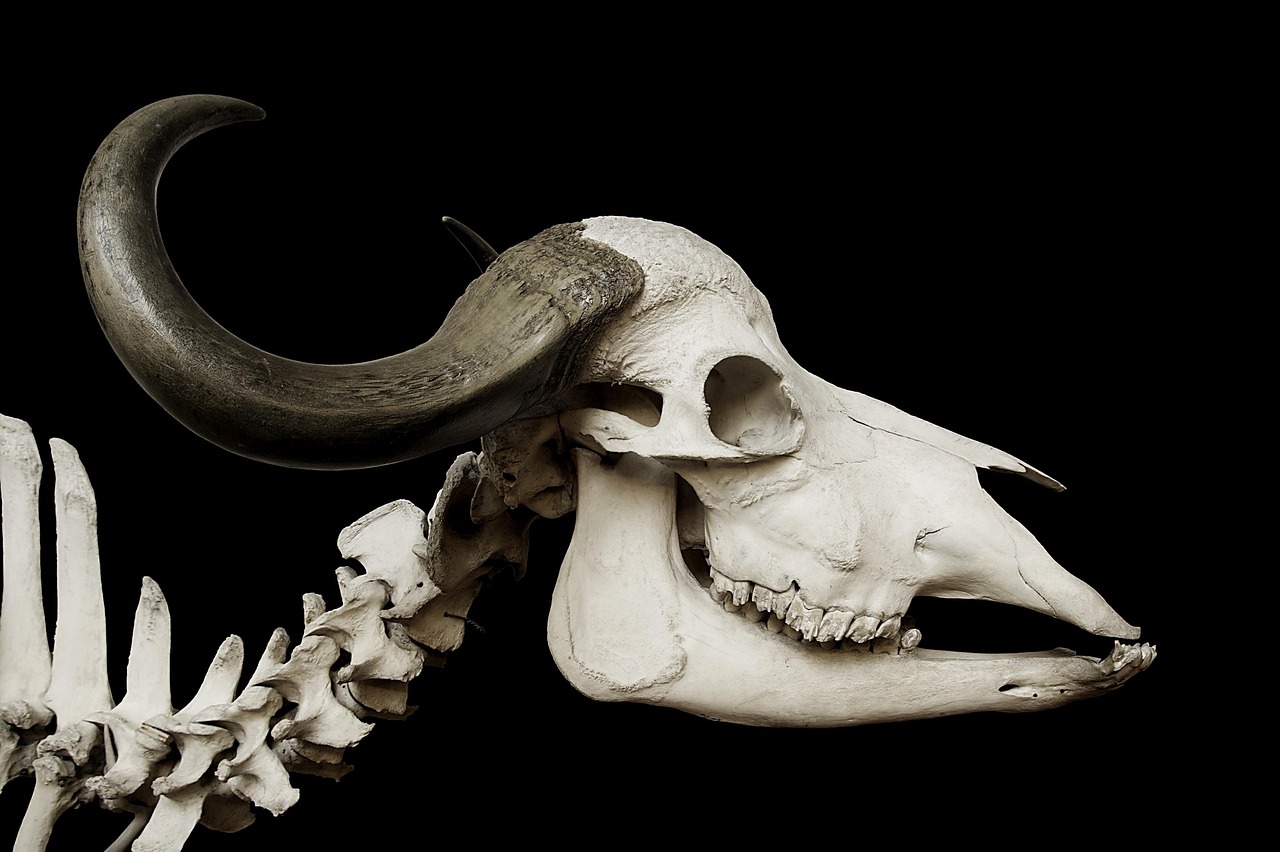
Anatomy #
The study of the structure and organization of living organisms, including exotic animals. Understanding the anatomy of exotic animals is crucial for providing proper care and treatment in emergency situations.
Physiology #
The study of the normal functions of living organisms, including exotic animals. Knowing the physiology of exotic animals helps in recognizing abnormal signs and symptoms that may indicate a health issue.
Circulatory System #
The system responsible for transporting blood, nutrients, oxygen, and waste products throughout the body. In exotic animals, the circulatory system may vary depending on the species, but the basic functions remain the same.
Respiratory System #
The system responsible for breathing and gas exchange. Exotic animals have unique adaptations in their respiratory systems to meet their specific needs, such as birds having air sacs for efficient oxygen exchange.
Digestive System #
The system responsible for breaking down food into nutrients that can be absorbed by the body. Exotic animals have diverse diets and digestive systems adapted to their specific feeding habits.
Urinary System #
The system responsible for filtering and eliminating waste from the body. Understanding the urinary system of exotic animals is essential for recognizing signs of urinary tract infections or kidney diseases.
Reproductive System #
The system responsible for producing offspring. Exotic animals have varying reproductive strategies, and understanding their reproductive anatomy and physiology is crucial for breeding programs and medical care.
Nervous System #
The system responsible for transmitting signals throughout the body and coordinating responses to stimuli. Exotic animals may have unique adaptations in their nervous systems to suit their environment and behaviors.
Endocrine System #
The system responsible for producing hormones that regulate various bodily functions. Understanding the endocrine system of exotic animals is essential for diagnosing and treating hormonal imbalances.
Integumentary System #
The system responsible for protecting the body from external threats and regulating temperature. Exotic animals have diverse integumentary adaptations, such as scales, feathers, or fur, depending on their environment.
Musculoskeletal System #
The system responsible for providing support, movement, and protection to the body. Exotic animals may have unique musculoskeletal adaptations, such as wings for flight or strong jaws for hunting.
Immune System #
The system responsible for defending the body against infections and diseases. Understanding the immune system of exotic animals is crucial for preventing and treating illnesses.
Cardiovascular System #
The system responsible for circulating blood throughout the body. Exotic animals may have different cardiovascular adaptations, such as the ability to dive for extended periods without oxygen.
Respiratory Rate #
The number of breaths taken per minute. Monitoring the respiratory rate of exotic animals can help assess their respiratory health and detect any abnormalities.
Heart Rate #
The number of heartbeats per minute. Monitoring the heart rate of exotic animals can provide valuable information about their cardiovascular health and overall well-being.
Temperature #
The degree of hotness or coldness of an animal's body. Monitoring the temperature of exotic animals is essential, as deviations from normal body temperature can indicate health problems.
Capillary Refill Time #
The time it takes for capillaries to refill with blood after being compressed. Checking the capillary refill time in exotic animals can help assess their circulatory health and hydration status.
Mucous Membranes #
The moist tissues lining various body cavities, such as the mouth and nostrils. Examining the color and moisture of the mucous membranes in exotic animals can provide insights into their overall health.
Dehydration #
A condition marked by insufficient body fluids. Dehydration is a common issue in exotic animals, especially in hot climates or after illness, and can lead to serious health complications if left untreated.
Hypothermia #
A condition characterized by abnormally low body temperature. Exotic animals are susceptible to hypothermia, especially those from tropical climates exposed to cold temperatures.
Hyperthermia #
A condition characterized by abnormally high body temperature. Exotic animals can experience hyperthermia in hot environments or due to heatstroke, which can be life-threatening if not treated promptly.
Shock #
A critical condition in which the body's organs do not receive enough oxygen and nutrients. Shock can occur in exotic animals due to severe injuries, infections, or other underlying health issues, requiring immediate medical attention.
Bandaging #
The process of applying a bandage to protect a wound or injury. Proper bandaging techniques are essential when providing first aid to exotic animals to prevent further damage and promote healing.
Splinting #
The process of immobilizing a broken or injured limb with a splint. Splinting can help stabilize fractures in exotic animals and reduce pain during transportation to a veterinary facility.
Wound Care #
The process of cleaning and dressing wounds to promote healing and prevent infection. Proper wound care is crucial for exotic animals to prevent complications and ensure a speedy recovery.
Fluid Therapy #
The administration of fluids to maintain hydration and correct imbalances in exotic animals. Fluid therapy is essential in treating dehydration, shock, and other medical conditions that affect fluid balance.
Medication Administration #
The process of giving medications to exotic animals. Understanding the proper dosage, route of administration, and potential side effects of medications is crucial for effective treatment.
Emergency Transport #
The safe and efficient transportation of exotic animals to a veterinary facility in emergency situations. Knowing how to handle and transport exotic animals during emergencies can help minimize stress and further injury.
Preventive Care #
The proactive measures taken to maintain the health and well-being of exotic animals. Providing proper nutrition, housing, and enrichment can help prevent illnesses and ensure a high quality of life for exotic animals.
Zoonotic Diseases #
Diseases that can be transmitted from animals to humans. Exotic animals may carry zoonotic pathogens, highlighting the importance of proper hygiene and biosecurity measures when handling them.
Quarantine #
The isolation of newly acquired or sick exotic animals to prevent the spread of disease. Quarantine protocols are essential in exotic animal facilities to protect the resident population from potential health threats.
Enrichment #
Activities and stimuli provided to exotic animals to promote natural behaviors and mental stimulation. Enrichment is vital for the well-being of exotic animals in captivity, preventing boredom and promoting physical and mental health.
Handling and Restraint #
The safe and gentle management of exotic animals to minimize stress and prevent injuries. Proper handling and restraint techniques are essential when providing medical care or performing procedures on exotic animals.
Emergency Response Plan #
A detailed plan outlining procedures to follow in emergencies involving exotic animals. Having an emergency response plan in place is crucial for ensuring a prompt and coordinated response to medical emergencies.
Personal Protective Equipment (PPE) #
Specialized clothing or gear worn to protect against hazards in the workplace. Using appropriate PPE, such as gloves and masks, is essential when handling exotic animals to prevent injuries and disease transmission.
Stress Management #
Strategies to reduce stress and promote well-being in exotic animals. Minimizing stressors, providing a comfortable environment, and using positive reinforcement can help exotic animals thrive in captivity.
Rehabilitation #
The process of restoring injured or orphaned exotic animals to health and releasing them back into the wild. Rehabilitation programs play a crucial role in conservation efforts and wildlife welfare.
Species #
specific Care: Tailoring care and husbandry practices to meet the specific needs of different exotic animal species. Understanding the unique requirements of each species is essential for providing optimal care and preventing health issues.
Exotic Animal First Aid Kit #
A collection of essential supplies and medications for providing emergency care to exotic animals. Having a well-stocked first aid kit is vital for responding quickly to medical emergencies in exotic animals.
Emergency Contact List #
A list of contact information for veterinary clinics, wildlife rehabilitators, and other resources in case of emergencies involving exotic animals. Having an emergency contact list readily available can help expedite treatment and care.
Environmental Enrichment #
Providing a stimulating and engaging environment to promote natural behaviors and mental well-being in exotic animals. Environmental enrichment is essential for maintaining the physical and psychological health of exotic animals in captivity.
Medical Records #
Documentation of an exotic animal's health history, treatments, and vaccinations. Keeping accurate and up-to-date medical records is essential for tracking health trends, monitoring progress, and communicating with veterinary professionals.
Emergency Triage #
The process of prioritizing and assessing the severity of injuries or illnesses in exotic animals. Emergency triage helps determine the order of treatment and allocate resources effectively in critical situations.
Wildlife Rehabilitation #
The care and treatment of injured, sick, or orphaned wildlife to prepare them for release back into their natural habitat. Wildlife rehabilitation facilities play a critical role in rescuing and rehabilitating exotic animals in need.
Habitat Management #
Creating and maintaining suitable environments for exotic animals in captivity. Proper habitat management involves providing adequate space, shelter, temperature, humidity, and enrichment to meet the animals' needs.
Conservation #
The protection and preservation of endangered species and their habitats. Conservation efforts aim to prevent extinction, restore ecosystems, and promote sustainable practices for the benefit of exotic animals and their environments.
Emergency Response Training #
Education and practice in responding to medical emergencies involving exotic animals. Emergency response training equips individuals with the knowledge and skills needed to provide immediate care and support in critical situations.
Animal Welfare #
The ethical treatment and well-being of animals, including exotic species. Animal welfare focuses on ensuring that animals are provided with proper care, housing, nutrition, and enrichment to lead healthy and fulfilling lives.
Public Education #
Outreach and educational initiatives to raise awareness about exotic animals, conservation, and responsible pet ownership. Public education plays a vital role in promoting empathy, understanding, and support for exotic animal welfare.
Reptile Anatomy #
The study of the unique structures and adaptations of reptiles. Reptiles have distinct anatomical features, such as scales, claws, and specialized organs, that enable them to thrive in diverse environments.
Bird Anatomy #
The study of the specialized structures and adaptations of birds. Birds have unique anatomical features, such as feathers, beaks, and hollow bones, that allow them to fly, hunt, and communicate effectively.
Amphibian Anatomy #
The study of the anatomical characteristics and adaptations of amphibians. Amphibians have specific features, such as moist skin, lungs, and webbed feet, that enable them to live both on land and in water.
Mammalian Anatomy #
The study of the structures and functions of mammals. Mammals have diverse anatomical features, such as fur, mammary glands, and specialized teeth, that help them adapt to various habitats and lifestyles.
Invertebrate Anatomy #
The study of the anatomical structures of animals without a backbone. Invertebrates have diverse body plans and adaptations, such as exoskeletons, tentacles, and segmented bodies, that enable them to survive in different environments.
Exotic Animal Physiology #
The study of the normal functions and processes of exotic animals. Exotic animals have unique physiological adaptations, such as thermoregulation mechanisms, metabolic rates, and reproductive strategies, that help them thrive in their habitats.
Stress #
related Illnesses: Health conditions in exotic animals caused by chronic stress. Stress-related illnesses can weaken the immune system, disrupt hormonal balance, and lead to behavioral issues, affecting the overall well-being of exotic animals.
Temperature Regulation #
The ability of exotic animals to maintain a stable body temperature. Exotic animals have various mechanisms for temperature regulation, such as basking in the sun, seeking shade, or burrowing underground, depending on their environment.
Hydration Status #
The level of body fluids in exotic animals. Monitoring hydration status is crucial for assessing the overall health of exotic animals, as dehydration can lead to organ dysfunction, electrolyte imbalances, and other health issues.
Nutritional Requirements #
The specific dietary needs of exotic animals based on their species, age, size, and health status. Providing balanced nutrition is essential for maintaining the health, growth, and reproduction of exotic animals in captivity.
Behavioral Observations #
Monitoring the behaviors and interactions of exotic animals to assess their well-being and health status. Behavioral observations can reveal signs of stress, illness, or discomfort in exotic animals, prompting further investigation and intervention.
Physical Examination #
A systematic assessment of an exotic animal's body, including the skin, eyes, ears, mouth, heart, lungs, abdomen, and limbs. Performing a thorough physical examination is essential for detecting abnormalities and establishing a baseline for future comparisons.
Diagnostic Testing #
Laboratory tests, imaging studies, and other procedures used to diagnose health conditions in exotic animals. Diagnostic testing can help identify infections, injuries, organ dysfunction, and other underlying issues that may require treatment.
Emergency Procedures #
Steps to follow in critical situations involving exotic animals, such as administering first aid, stabilizing injuries, and transporting the animal to a veterinary facility. Knowing emergency procedures is essential for responding effectively to medical emergencies and saving lives.
Recovery and Rehabilitation #
The process of recovering from injuries or illnesses and regaining health and function in exotic animals. Recovery and rehabilitation may involve medical treatments, physical therapy, behavioral modification, and environmental adjustments to support healing and well-being.
Conservation Education #
Informing the public about the importance of conservation, biodiversity, and sustainable practices to protect exotic animals and their habitats. Conservation education aims to inspire individuals to take action and make informed choices that benefit wildlife and the environment.
Emergency Preparedness #
Planning and training to respond effectively to emergencies involving exotic animals. Emergency preparedness involves creating protocols, assembling supplies, practicing skills, and coordinating with local resources to ensure a swift and organized response in crisis situations.
Veterinary Care #
Medical treatment, diagnostics, and preventive services provided by licensed veterinarians to exotic animals. Veterinary care is essential for maintaining the health, welfare, and quality of life of exotic animals in captivity and in the wild.
Animal Enrichment Techniques #
Strategies and activities to stimulate natural behaviors, mental engagement, and physical exercise in exotic animals. Animal enrichment techniques include providing novel objects, puzzles, foraging opportunities, social interactions, and sensory experiences to enhance well-being and prevent boredom.
Wildlife Conservation Efforts #
Initiatives and programs to protect endangered species, preserve habitats, combat illegal wildlife trade, and promote sustainable practices. Wildlife conservation efforts aim to safeguard biodiversity, restore ecosystems, and raise awareness about the importance of protecting exotic animals for future generations.
Behavioral Enrichment #
Activities and stimuli designed to encourage natural behaviors, mental engagement, and social interactions in exotic animals. Behavioral enrichment includes providing opportunities for exploration, problem-solving, play, foraging, and socialization to enhance the psychological well-being of animals in captivity.
Husbandry Practices #
The care, management, and husbandry practices involved in maintaining the health and welfare of exotic animals in captivity. Husbandry practices encompass providing proper nutrition, housing, environmental enrichment, medical care, and social interactions to meet the physical, behavioral, and psychological needs of animals.
Animal Handling Techniques #
Safe and effective methods of handling, restraining, and transporting exotic animals to minimize stress, prevent injuries, and ensure the well-being of both animals and handlers. Animal handling techniques include proper restraint, use of protective gear, communication, and behavior modification to promote positive interactions and reduce risks.
Species Conservation Programs #
Collaborative efforts among zoos, wildlife organizations, governments, and conservationists to protect and restore populations of endangered species. Species conservation programs involve breeding, reintroduction, habitat restoration, research, education, and advocacy to save threatened species from extinction and preserve genetic diversity for future generations.
Environmental Sustainability Practices #
Strategies and actions to reduce environmental impact, conserve natural resources, and promote eco-friendly practices in caring for exotic animals. Environmental sustainability practices include energy conservation, waste reduction, recycling, habitat preservation, and promoting biodiversity to create a healthier planet for wildlife and humans.
Exotic Animal Welfare Standards #
Guidelines, regulations, and ethical principles that define the humane treatment and care of exotic animals in captivity. Exotic animal welfare standards address housing, nutrition, health care, socialization, enrichment, transportation, and other aspects of animal care to ensure their physical, mental, and emotional well-being.
Animal Behavior Analysis #
The systematic study of behaviors, interactions, and responses of exotic animals to understand their needs, preferences, emotions, and communication. Animal behavior analysis involves observing, recording, interpreting, and modifying behaviors to improve welfare, enhance training, and address behavioral issues in exotic animals.
Emergency Response Protocols #
Standard operating procedures and protocols to follow in emergencies involving exotic animals, such as natural disasters, accidents, injuries, illnesses, escapes, or security threats. Emergency response protocols outline roles, responsibilities, communication channels, evacuation routes, first aid procedures, and resource mobilization to ensure a coordinated and effective response in crisis situations.
Animal Health Monitoring #
Regular assessments, observations, and evaluations of the physical, mental, and behavioral health of exotic animals to detect early signs of illness, injury, stress, or changes in well-being. Animal health monitoring involves physical exams, behavioral observations, diagnostic testing, record-keeping, and collaboration with veterinary professionals to maintain optimal health and prevent disease outbreaks in animal populations.
Zoo and Aquarium Regulations #
Laws, guidelines, and standards that govern the operation, management, conservation, research, education, and exhibition of exotic animals in zoological parks and aquariums. Zoo and aquarium regulations address animal welfare, public safety, conservation, education, research, breeding, transport, and ethical considerations to ensure responsible and sustainable practices in caring for exotic animals and protecting biodiversity for future generations.
Exotic Pet Ownership Guidelines #
Recommendations, resources, and information for responsible ownership, care, and management of exotic pets, such as reptiles, birds, amphibians, mammals, and invertebrates. Exotic pet ownership guidelines cover legal requirements, species-specific needs, health care, housing, nutrition, behavioral enrichment, socialization, training, and emergency preparedness to promote the well-being and longevity of exotic animals in human households.
Animal Rescue and Rehabilitation Centers #
Facilities, organizations, and networks dedicated to rescuing, rehabilitating, and releasing injured, orphaned, abandoned, or confiscated exotic animals back into the wild. Animal rescue and rehabilitation centers provide medical treatment, housing, food, enrichment, socialization, training, and release programs to help wildlife recover from trauma, illness, or human interference and return to their natural habitats with improved health and survival skills.
Exotic Animal Training Techniques #
Positive reinforcement, operant conditioning, desensitization, clicker training, shaping, and targeting methods used to teach