
Geopolitics of Energy and Resources
Expert-defined terms from the Postgraduate Certificate in Geopolitical Strategy and Diplomacy course at London School of Business and Administration. Free to read, free to share, paired with a professional course.
Geopolitics of Energy and Resources #
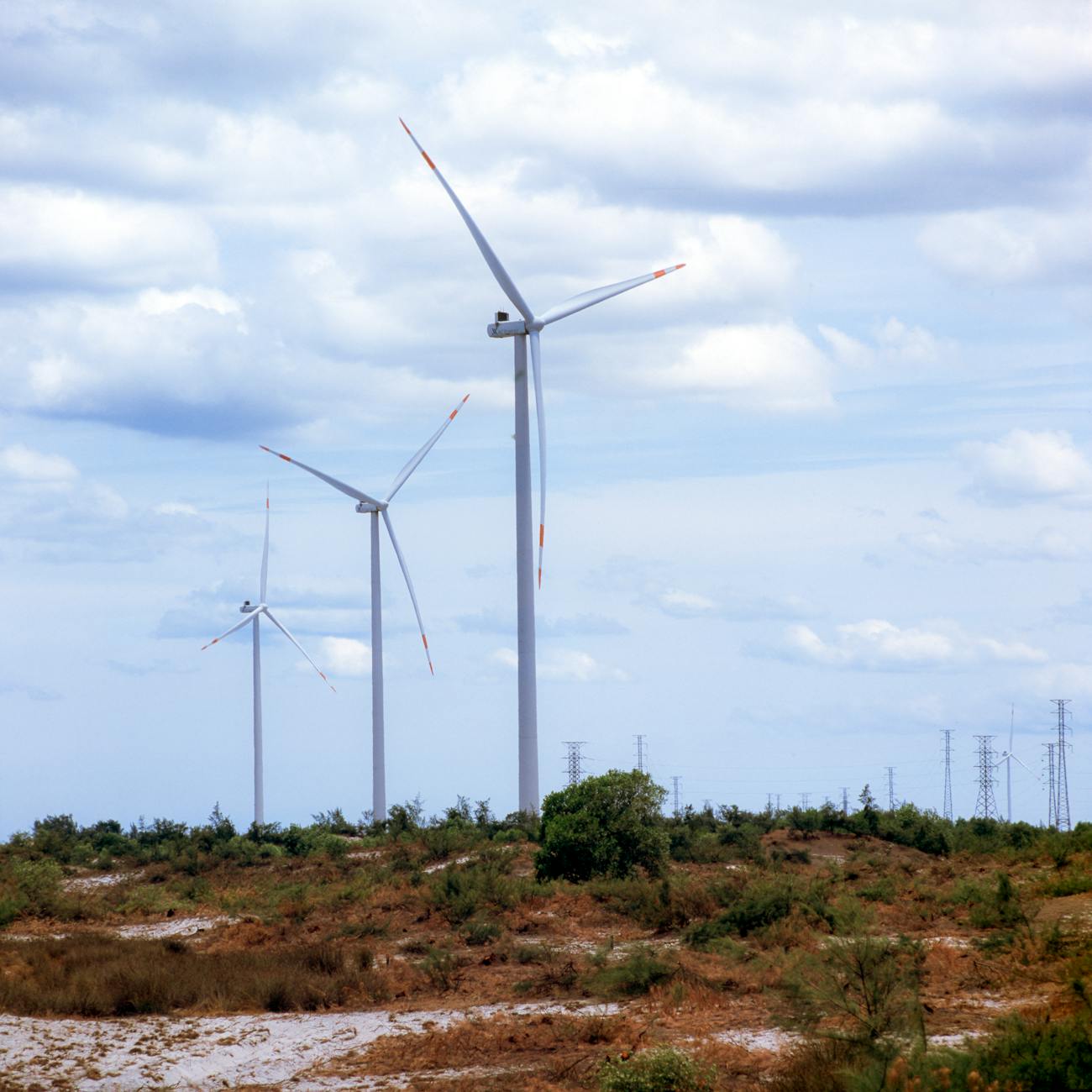
The Geopolitics of Energy and Resources refers to the study of how geographical factors, political relationships, and economic interests intersect in the management and distribution of energy and natural resources. This field explores how nations compete and cooperate to secure access to vital resources such as oil, gas, minerals, and water, and how these dynamics shape global power structures and influence international relations.
Energy Security #
Energy security is the ability of a country or region to reliably access and afford sufficient energy resources to meet its needs. It involves ensuring a stable supply of energy sources, diversifying energy supply sources to mitigate risks, and maintaining the resilience of energy infrastructure to withstand disruptions.
Resource Nationalism #
Resource nationalism is a policy whereby a country seeks to assert control over its natural resources, often by limiting foreign involvement in resource extraction or imposing restrictions on exports. It can manifest through measures such as resource ownership requirements, resource export taxes, or nationalization of resource assets.
Energy Diplomacy #
Energy diplomacy refers to the use of diplomatic tools and negotiations to advance a country's energy interests on the international stage. It involves engaging in dialogue with other nations, negotiating energy agreements, and resolving disputes related to energy resources.
Energy Transition #
Energy transition, also known as the energy transformation, refers to the shift from traditional fossil fuels to renewable energy sources and low-carbon technologies. This process is driven by concerns about climate change, energy security, and sustainability, and involves changes in energy production, consumption, and infrastructure.
Strait of Hormuz #
The Strait of Hormuz is a narrow waterway located between the Persian Gulf and the Gulf of Oman, through which a significant portion of the world's oil shipments pass. It is a critical chokepoint for global energy trade, with about 20% of the world's oil supply transiting through the strait.
Energy Corridor #
An energy corridor is a designated route for the transportation of energy resources such as oil, gas, or electricity. It may involve pipelines, transmission lines, or shipping routes that connect resource-rich areas to consumption centers, facilitating the efficient movement of energy supplies.
Energy Interdependence #
Energy interdependence refers to the mutual reliance of countries on each other for energy resources and services. It reflects the interconnected nature of the global energy system, where disruptions in one part of the world can have cascading effects on energy markets and economies worldwide.
Resource Curse #
The resource curse, also known as the paradox of plenty, is a phenomenon where countries rich in natural resources experience lower economic growth, higher levels of corruption, and greater political instability compared to resource-poor nations. This paradox is often attributed to mismanagement, rent-seeking behavior, and dependency on resource exports.
Energy Efficiency #
Energy efficiency refers to the use of technology and practices that reduce the amount of energy required to produce goods, provide services, or perform tasks. It aims to minimize energy waste, lower energy costs, and decrease environmental impacts associated with energy consumption.
Renewable Energy #
Renewable energy is energy derived from sources that are naturally replenished, such as sunlight, wind, water, and biomass. Unlike fossil fuels, renewable energy sources are sustainable, produce lower greenhouse gas emissions, and offer opportunities for energy diversification and independence.
Carbon Neutrality #
Carbon neutrality, also known as net-zero emissions, is the state in which an entity's carbon dioxide emissions are balanced by an equivalent amount of carbon removal or offsetting measures. Achieving carbon neutrality is a key goal in the fight against climate change and involves reducing emissions and investing in carbon removal technologies.
Energy Geopolitics #
Energy geopolitics is the study of how energy resources, infrastructure, and markets intersect with political dynamics and international relations. It examines how energy influences state behavior, shapes regional power dynamics, and impacts global security and conflicts.
Hydrocarbon Diplomacy #
Hydrocarbon diplomacy involves the use of energy resources, particularly oil and gas, as tools of foreign policy and international relations. It includes negotiations over energy trade agreements, investment in energy projects, and cooperation or competition for access to hydrocarbon reserves.
Energy Security Complex #
The energy security complex is a framework that considers the interconnected nature of energy security challenges and the various actors involved in the global energy system. It recognizes the interdependencies between energy producers, consumers, transit countries, and international organizations in ensuring energy stability and resilience.
Energy Transition Risk #
Energy transition risk refers to the potential economic, social, and political challenges associated with the shift from fossil fuels to renewable energy sources. These risks include stranded assets, job displacement, social inequality, and geopolitical tensions arising from the transition process.
Peak Oil #
Peak oil is the point at which global oil production reaches its maximum capacity and begins to decline, leading to a decrease in oil reserves and an increase in extraction costs. While the concept of peak oil has evolved with technological advancements and changing energy trends, it remains a key consideration in energy planning and policy.
Energy Infrastructure #
Energy infrastructure includes the physical assets and systems used to produce, transport, distribute, and store energy resources. This infrastructure encompasses power plants, pipelines, refineries, grids, storage facilities, and other components essential for energy supply and delivery.
Energy Access #
Energy access refers to the availability and affordability of modern energy services for households, businesses, and communities. It is a key indicator of development and quality of life, as reliable energy access enables economic productivity, education, healthcare, and social well-being.
Energy Poverty #
Energy poverty is the lack of access to affordable, reliable, and clean energy services, particularly in developing countries or marginalized communities. It hinders economic development, limits educational opportunities, and exacerbates social inequalities, contributing to a cycle of poverty and vulnerability.
Energy Mix #
The energy mix refers to the combination of energy sources used to meet a country's energy demand. It includes fossil fuels (such as oil, gas, and coal), renewable energy sources (such as solar, wind, and hydro), and nuclear energy, with the goal of achieving a balanced and sustainable energy portfolio.
Energy Transition Finance #
Energy transition finance involves the allocation of capital and investment to support the transition from fossil fuels to renewable energy sources and sustainable energy technologies. It includes funding for renewable energy projects, energy efficiency initiatives, carbon pricing mechanisms, and green bonds.
Energy Market Liberalization #
Energy market liberalization is the process of opening energy markets to competition, removing barriers to entry, and allowing market forces to determine prices and supply. It aims to enhance efficiency, encourage innovation, and provide consumers with greater choice and lower energy costs.
Strategic Resource #
A strategic resource is a natural resource that holds significant economic, political, or military value due to its scarcity, critical importance, or strategic location. Strategic resources can include energy sources, minerals, water, and other resources vital for national security and geopolitical influence.
Energy Sovereignty #
Energy sovereignty is the concept of a country's right to control its own energy resources, determine its energy policies, and safeguard its energy security without external interference. It emphasizes self-reliance, sustainability, and autonomy in energy decision-making and resource management.
Energy Security Governance #
Energy security governance refers to the institutional frameworks, policies, and regulations that govern energy security at the national, regional, and global levels. It involves coordination between government agencies, industry stakeholders, and international organizations to ensure reliable, affordable, and sustainable energy supply.
Resource Geopolitics #
Resource geopolitics is the study of how natural resources, such as energy, minerals, and water, influence international relations, shape conflicts, and drive geopolitical strategies. It examines the competition for resource access, control, and distribution among states and non-state actors.
Energy Transition Policy #
Energy transition policy refers to government strategies, regulations, and initiatives aimed at promoting the transition from fossil fuels to renewable energy sources and reducing greenhouse gas emissions. It includes measures to support clean energy deployment, incentivize energy efficiency, and phase out carbon-intensive technologies.
Energy Security Resilience #
Energy security resilience is the ability of energy systems to withstand and recover from disruptions, shocks, or disasters while maintaining stable energy supply and delivery. It involves building redundancy, diversity, and flexibility into energy infrastructure to enhance resilience to various threats.
Energy Diplomacy Initiative #
Energy diplomacy initiative refers to proactive efforts by governments or international organizations to address energy challenges, promote energy cooperation, and build partnerships through diplomatic channels. It aims to enhance energy security, facilitate energy trade, and foster mutual understanding among nations.
Energy Transition Acceleration #
Energy transition acceleration involves speeding up the shift from fossil fuels to renewable energy sources and advancing the deployment of clean energy technologies. It requires ambitious policies, investments, and innovation to achieve rapid decarbonization and mitigate the impacts of climate change.
Energy Security Assessment #
Energy security assessment is the process of evaluating a country's energy vulnerabilities, risks, and resilience to identify potential threats to energy supply and recommend strategies to enhance security. It involves analyzing energy sources, infrastructure, policies, and external dependencies to strengthen energy security.
Energy Transition Investment #
Energy transition investment refers to financial support for projects, technologies, and initiatives that facilitate the transition to a low-carbon energy system. It includes investments in renewable energy, energy efficiency, grid modernization, and other solutions to accelerate the energy transition and achieve climate goals.
Resource Diplomacy #
Resource diplomacy involves diplomatic efforts to manage disputes, negotiate agreements, and build partnerships related to natural resources, such as energy, minerals, and water. It aims to promote resource cooperation, resolve conflicts peacefully, and ensure sustainable resource management for mutual benefit.
Energy Security Strategy #
Energy security strategy is a comprehensive plan developed by governments or organizations to address energy challenges, mitigate risks, and enhance energy resilience. It includes measures to diversify energy sources, improve energy efficiency, strengthen infrastructure, and promote energy diplomacy.
Energy Transition Innovation #
Energy transition innovation involves the development and deployment of new technologies, business models, and practices to accelerate the transition to renewable energy and sustainable energy systems. It includes innovations in renewable energy generation, energy storage, smart grids, and digital solutions.
Energy Security Cooperation #
Energy security cooperation refers to collaborative efforts between countries, regions, or stakeholders to address common energy challenges, share resources, and enhance energy security collectively. It involves information exchange, joint projects, policy coordination, and mutual assistance in times of energy crises.
Energy Transition Policy Framework #
Energy transition policy framework is a set of guidelines, regulations, and incentives established by governments to guide the transition from fossil fuels to renewable energy sources. It outlines targets, timelines, funding mechanisms, and governance structures to support the energy transition process.
Resource Sustainability #
Resource sustainability is the responsible management and use of natural resources to meet current needs without compromising the ability of future generations to meet their own needs. It involves balancing resource extraction, conservation, and regeneration to ensure long-term environmental, social, and economic benefits.
Energy Security Risk Assessment #
Energy security risk assessment is the process of identifying, analyzing, and mitigating potential threats to energy supply, infrastructure, and operations. It involves evaluating risks such as geopolitical conflicts, natural disasters, cyber attacks, and market disruptions to enhance energy security preparedness.
Energy Transition Decentralization #
Energy transition decentralization involves the shift towards localized energy production, distribution, and consumption through small-scale renewable energy systems, microgrids, and community-owned energy projects. It aims to increase energy independence, resilience, and sustainability at the local level.
Resource Governance #
Resource governance refers to the policies, laws, and institutions that regulate the extraction, management, and distribution of natural resources within a country or region. It aims to ensure transparency, accountability, and sustainability in resource development, minimize corruption, and promote equitable benefits sharing.
Energy Security Resilience Planning #
Energy security resilience planning is the process of developing strategies, protocols, and response mechanisms to enhance the resilience of energy systems to disruptions and emergencies. It involves risk assessment, scenario planning, capacity building, and coordination with stakeholders to ensure rapid recovery and continuity of energy supply.
Energy Transition Market Dynamics #
Energy transition market dynamics refer to the economic forces, trends, and behaviors that influence the transition to renewable energy sources and the adoption of clean energy technologies. It includes factors such as policy incentives, technology costs, consumer preferences, and industry competition shaping the evolution of energy markets.
Resource Conflict Mediation #
Resource conflict mediation involves diplomatic efforts to resolve disputes, tensions, or conflicts arising from competition over natural resources, such as energy reserves, water rights, or mineral deposits. It aims to facilitate dialogue, negotiation, and cooperation among conflicting parties to prevent resource-related conflicts and promote peaceful resolutions.
Energy Security Supply Chain #
Energy security supply chain encompasses the network of processes, systems, and actors involved in the production, transportation, distribution, and storage of energy resources. It includes upstream activities such as exploration and extraction, midstream activities such as refining and transportation, and downstream activities such as distribution and consumption, all of which are critical for ensuring energy security.
Resource Transparency Initiative #
Resource transparency initiative is a voluntary effort by governments, companies, or civil society organizations to disclose information about natural resource revenues, contracts, and payments to promote accountability, prevent corruption, and ensure fair resource management. It aims to increase transparency, reduce illicit financial flows, and empower citizens to hold resource extractive industries accountable.
Energy Transition Regulatory Framework #
Energy transition regulatory framework consists of laws, rules, and regulations established by governments to govern the transition from fossil fuels to renewable energy sources and promote sustainable energy development. It includes energy targets, emission standards, incentive mechanisms, and compliance requirements to guide the energy transition process and ensure alignment with environmental and social goals.
Resource Development Investment #
Resource development investment involves financial support for projects, infrastructure, and activities aimed at exploring, extracting, and processing natural resources, such as energy reserves, mineral deposits, or water sources. It includes investments in resource exploration, mining operations, pipeline construction, and other initiatives to facilitate resource development and maximize economic benefits.
Energy Security Emergency Response #
Energy security emergency response refers to the coordinated actions, protocols, and measures implemented by governments, industry stakeholders, and emergency services to manage energy crises, disruptions, or supply shortages. It involves contingency planning, rapid mobilization of resources, communication strategies, and cooperation among stakeholders to ensure the continuity of energy supply and protect public safety during emergencies.
Resource Governance Capacity Building #
Resource governance capacity building involves efforts to strengthen the institutional, technical, and human capabilities of governments, institutions, and communities to manage natural resources effectively, transparently, and sustainably. It includes training programs, knowledge sharing, policy development, and institutional reforms to enhance resource governance, promote responsible resource management, and empower stakeholders to participate in decision-making processes.
Energy Transition Technology Innovation #
Energy transition technology innovation encompasses the research, development, and deployment of advanced technologies, systems, and solutions to accelerate the transition from fossil fuels to renewable energy sources and drive sustainable energy transformation. It includes innovations in renewable energy generation, energy storage, grid integration, smart technologies, and digital solutions to enhance energy efficiency, reduce carbon emissions, and support the decarbonization of energy systems.
Resource Diplomacy Negotiation #
Resource diplomacy negotiation involves diplomatic interactions, dialogues, and agreements between countries, regions, or stakeholders to address resource-related issues, disputes, or conflicts and promote cooperation, shared benefits, and sustainable resource management. It aims to facilitate dialogue, build trust, resolve differences, and reach mutually acceptable solutions regarding resource access, utilization, and governance to prevent conflicts and foster peaceful resource relations.
Energy Security Risk Management #
Energy security risk management refers to the systematic process of identifying, assessing, prioritizing, and mitigating risks to energy supply, infrastructure, and operations to enhance energy security resilience and preparedness. It involves risk analysis, scenario planning, risk reduction measures, crisis response strategies, and continuous monitoring to address potential threats, vulnerabilities, and uncertainties in the energy system and ensure the reliability, stability, and sustainability of energy supply.
Resource Sustainability Certification #
Resource sustainability certification is a voluntary mechanism that verifies and validates the sustainable management, production, and use of natural resources, such as energy, minerals, or water, by companies, organizations, or governments. It aims to promote responsible resource practices, reduce environmental impacts, improve social conditions, and enhance transparency and accountability in resource development and utilization to ensure long-term resource sustainability and support sustainable development goals.
Energy Transition Investment Incentive #
Energy transition investment incentive refers to financial mechanisms, programs, and policies implemented by governments, institutions, or organizations to stimulate investments in renewable energy projects, energy efficiency measures, and sustainable energy technologies to accelerate the transition from fossil fuels to clean energy sources. It includes incentives such as feed-in tariffs, tax credits, grants, subsidies, low-interest loans, and other financial instruments designed to reduce investment risks, lower costs, and promote the deployment of clean energy solutions to achieve energy transition targets and climate goals.
Resource Governance Accountability #
Resource governance accountability entails the responsibility, transparency, and oversight mechanisms that ensure the ethical, lawful, and sustainable management of natural resources, such as energy reserves, mineral deposits, or water sources, by governments, companies, or institutions. It includes mechanisms such as audits, monitoring, reporting, compliance assessments, and stakeholder engagement to hold resource extractive industries accountable for their actions, prevent corruption, safeguard environmental integrity, protect community rights, and promote equitable resource benefits sharing to ensure responsible resource governance and support sustainable development objectives.
Energy Security Resilience Assessment #
Energy security resilience assessment involves the evaluation, analysis, and measurement of the capacity of energy systems, infrastructure, and operations to withstand and recover from disruptions, emergencies, or shocks while maintaining stable and reliable energy supply. It includes assessing vulnerabilities, identifying critical assets, evaluating risks, developing response strategies, and enhancing preparedness measures to ensure the resilience, continuity, and security of energy services under various threats and challenges to protect public safety, support critical infrastructure, and sustain economic activities.
Resource Diplomacy Collaboration #
Resource diplomacy collaboration involves cooperative efforts, partnerships, and alliances between countries, regions, or stakeholders to address shared resource challenges, promote sustainable resource management, and build mutual trust, understanding, and benefits through diplomatic channels. It aims to foster dialogue, cooperation, and joint actions on resource-related issues, such as energy trade, water sharing, mineral exploration, and environmental protection, to enhance resource security, resolve conflicts peacefully, and achieve sustainable development goals by pooling resources, expertise, and efforts to address common resource concerns and promote regional stability and prosperity.
Energy Transition Policy Alignment #
Energy transition policy alignment refers to the harmonization, integration, and coordination of government policies, regulations, and initiatives across sectors, levels, and jurisdictions to support the transition from fossil fuels to renewable energy sources and promote sustainable energy development. It involves aligning energy, environmental, economic, social, and technological policies to ensure coherence,