
Nocturnal Animal Diet and Nutrition
Expert-defined terms from the Global Certificate Course in Enrichment for Nocturnal Animals course at London School of Business and Administration. Free to read, free to share, paired with a professional course.
Nocturnal Animal Diet and Nutrition #
Nocturnal Animal Diet and Nutrition
Nocturnal animals are those that are primarily active during the night #
Their unique behavior and lifestyle require specific dietary and nutritional needs to support their nocturnal activities. Understanding the diet and nutrition of these animals is crucial for their overall health and well-being in captivity.
Diet #
Diet
The diet of a nocturnal animal refers to the types of food it consumes to meet i… #
Nocturnal animals have evolved to consume a variety of foods that are available at night, such as insects, small mammals, fruits, and vegetation.
Nutrition #
Nutrition
Nutrition is the process by which an organism obtains and utilizes nutrients fro… #
Nocturnal animals require a balanced diet that provides essential nutrients such as protein, carbohydrates, fats, vitamins, and minerals.
Nocturnal Animal Diet #
Nocturnal Animal Diet
The diet of a nocturnal animal is typically high in protein to support their ene… #
Protein is essential for muscle development, repair, and maintenance. Insects and small mammals are common sources of protein for many nocturnal animals.
Nocturnal Animal Nutrition #
Nocturnal Animal Nutrition
Nutritional requirements for nocturnal animals may vary depending on the species… #
It is essential to provide a balanced diet that meets the specific needs of each individual animal to ensure optimal health and well-being.
Key Nutrients for Nocturnal Animals #
Key Nutrients for Nocturnal Animals
1. Protein #
Essential for muscle development and repair. Sources include insects, small mammals, and plant-based proteins.
2. Carbohydrates #
Provide energy for nocturnal activities. Sources include fruits, vegetables, and grains.
3. Fats #
Important for energy storage and insulation. Sources include nuts, seeds, and fatty fish.
4. Vitamins #
Essential for various physiological functions. Sources include fruits, vegetables, and supplements.
5. Minerals #
Important for bone health and metabolic processes. Sources include calcium, phosphorus, and trace minerals.
Challenges in Nocturnal Animal Nutrition #
Challenges in Nocturnal Animal Nutrition
1. Availability of Food #
Nocturnal animals may have limited access to food sources at night, especially in captivity. Ensuring a steady supply of food is essential.
2. Specialized Diets #
Some nocturnal animals have specialized dietary requirements that may be challenging to replicate in captivity. Working with nutritionists and veterinarians is crucial.
3. Overfeeding or Underfeeding #
Balancing the diet of nocturnal animals can be tricky, leading to issues such as obesity or malnutrition. Monitoring food intake and weight is essential.
Examples of Nocturnal Animal Diets #
Examples of Nocturnal Animal Diets
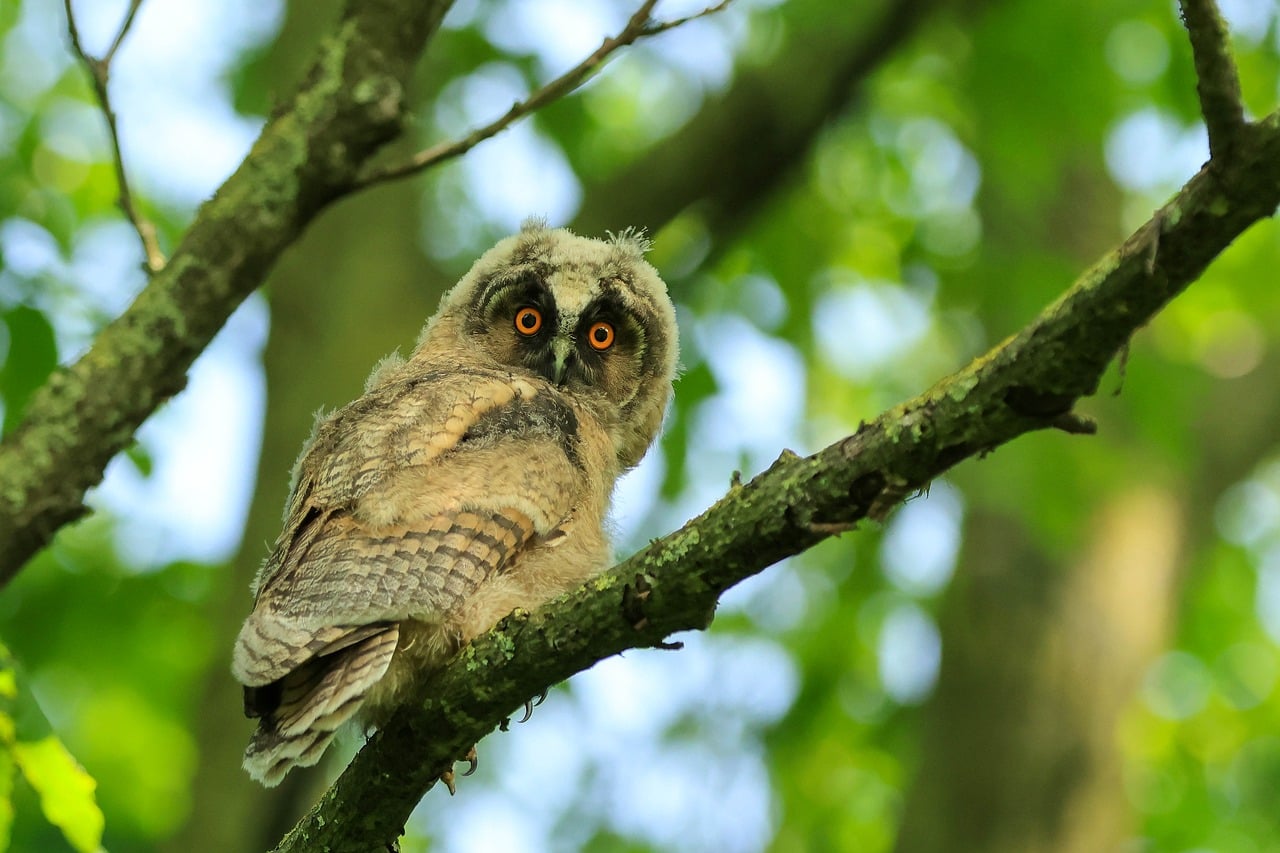
1. Owls #
Owls are carnivorous nocturnal birds of prey that primarily feed on small mammals, insects, and other birds.
2. Bats #
Bats are nocturnal mammals that consume insects, fruits, and nectar, depending on the species.
3. Sugar Gliders #
Sugar gliders are nocturnal marsupials that feed on insects, fruits, and nectar in the wild.
Practical Applications of Nocturnal Animal Nutrition #
Practical Applications of Nocturnal Animal Nutrition
1. Diet Planning #
Designing a balanced diet for nocturnal animals based on their species-specific nutritional requirements.
2. Food Enrichment #
Providing a variety of food items to stimulate natural foraging behaviors and mental stimulation.
3. Supplementation #
Adding vitamins and minerals to the diet of nocturnal animals to ensure they meet their daily nutritional needs.
Conclusion #
Conclusion
Understanding the diet and nutrition of nocturnal animals is essential for their… #
By providing a balanced diet that meets their specific nutritional requirements, caretakers can ensure that these animals thrive and exhibit natural behaviors. Monitoring food intake, weight, and overall health is crucial to prevent nutritional deficiencies or excesses.