
Energy Efficiency and Renewable Resources
Expert-defined terms from the Graduate Certificate in Cruise Ship Environmental Stewardship course at London School of Business and Administration. Free to read, free to share, paired with a professional course.
Energy Efficiency #
Energy efficiency refers to the process of using less energy to perform the same… #
It involves reducing energy consumption while maintaining the same level of output. Energy efficiency is crucial in reducing greenhouse gas emissions and minimizing the environmental impact of energy production and consumption. In the context of cruise ship environmental stewardship, energy efficiency plays a vital role in reducing fuel consumption and operating costs.
Renewable Resources #
Renewable resources are natural resources that can be replenished or regenerated… #
These resources are typically sustainable and environmentally friendly, as they do not deplete the Earth's finite reserves. Examples of renewable resources include solar energy, wind energy, hydropower, and biomass. In the cruise ship industry, utilizing renewable resources is essential for reducing greenhouse gas emissions and minimizing environmental impact.
Solar Energy #
Solar energy refers to the energy derived from the sun's rays #
Solar panels or photovoltaic cells are used to capture sunlight and convert it into electricity. Solar energy is a clean and renewable source of power that can be harnessed to reduce reliance on fossil fuels. Cruise ships can utilize solar energy through the installation of solar panels on their decks or rooftops to generate electricity for onboard operations.
Wind Energy #
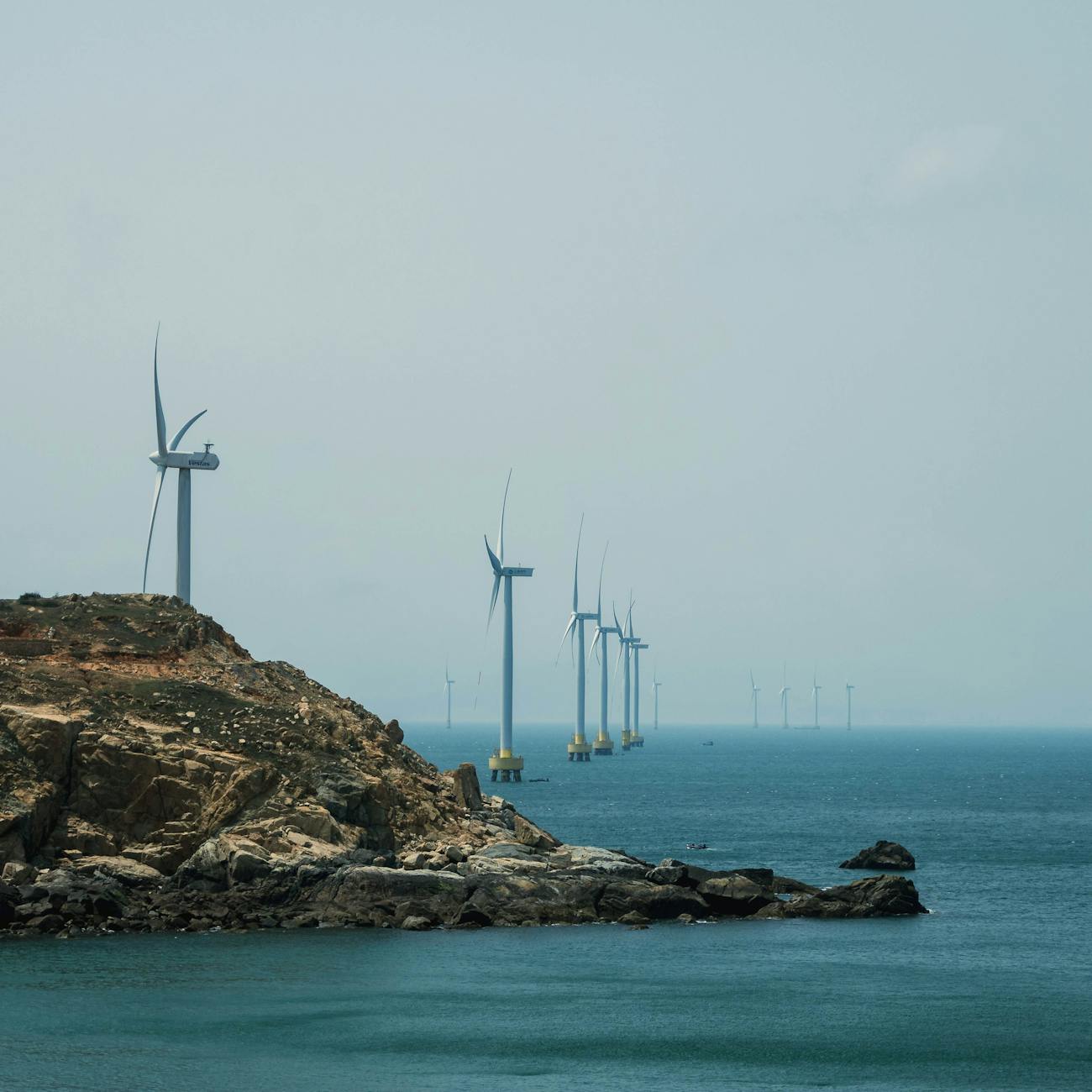
Wind energy is generated by harnessing the power of the wind to produce electric… #
Wind turbines are used to capture the kinetic energy of the wind and convert it into usable power. Wind energy is a renewable and sustainable source of energy that can be utilized by cruise ships to reduce their carbon footprint. Installing wind turbines on cruise ships can help generate electricity for various onboard activities.
Hydropower #
Hydropower, also known as hydroelectric power, is generated by harnessing the en… #
Dams or turbines are used to capture the energy of water currents and convert it into electricity. Hydropower is a renewable energy source that is clean and efficient. Cruise ships can utilize hydropower by incorporating hydroelectric generators to tap into the power of ocean currents or rivers for onboard electricity generation.
Biomass #
Biomass refers to organic material derived from plants or animals that can be us… #
Biomass can be converted into biofuels, such as ethanol or biodiesel, through processes like fermentation or combustion. Cruise ships can utilize biomass as a renewable energy source by using biofuels in their engines to reduce emissions and promote sustainability.
Greenhouse Gas Emissions #
Greenhouse gas emissions are gases that trap heat in the Earth's atmosphere, lea… #
Common greenhouse gases include carbon dioxide, methane, and nitrous oxide. Cruise ships are significant contributors to greenhouse gas emissions due to their reliance on fossil fuels for propulsion and onboard operations. Implementing energy efficiency measures and utilizing renewable resources can help reduce greenhouse gas emissions in the cruise ship industry.
Fuel Consumption #
Fuel consumption refers to the amount of fuel used by an engine or vehicle over… #
Cruise ships consume large quantities of fuel to power their engines and generators for propulsion, electricity generation, and other onboard operations. Reducing fuel consumption is essential for minimizing the environmental impact of cruise ships and promoting sustainability. Energy efficiency measures, such as optimizing engine performance and using alternative fuels, can help lower fuel consumption in the cruise industry.
Operating Costs #
Operating costs are the expenses incurred by a business or organization in its d… #
For cruise ships, operating costs include fuel expenses, maintenance costs, crew salaries, port fees, and other operational expenditures. Energy efficiency measures can help reduce operating costs for cruise ships by lowering fuel consumption, improving engine performance, and minimizing maintenance requirements. By investing in energy-efficient technologies and practices, cruise lines can achieve cost savings and enhance their environmental performance.
Sustainable Practices #
Sustainable practices refer to actions and strategies that promote environmental… #
In the context of cruise ship environmental stewardship, sustainable practices involve implementing energy-efficient technologies, utilizing renewable resources, reducing waste and emissions, and supporting local communities. By adopting sustainable practices, cruise lines can minimize their environmental impact, enhance their corporate social responsibility, and contribute to a more sustainable future for the industry.
Carbon Footprint #
A carbon footprint is the total amount of greenhouse gas emissions produced by a… #
Cruise ships have a significant carbon footprint due to their high fuel consumption and emissions. To reduce their carbon footprint, cruise lines can implement energy efficiency measures, switch to cleaner fuels, and offset emissions through carbon offset programs. By lowering their carbon footprint, cruise ships can mitigate climate change impacts and demonstrate environmental responsibility.
Environmental Impact #
Environmental impact refers to the effects of human activities on the natural en… #
Cruise ships have a considerable environmental impact due to their emissions, waste generation, and resource consumption. To minimize their environmental impact, cruise lines can adopt sustainable practices, such as energy efficiency measures, waste management strategies, and pollution prevention initiatives. By addressing their environmental impact, cruise ships can protect sensitive ecosystems, wildlife, and communities in the destinations they visit.
Alternative Fuels #
Alternative fuels are non #
traditional energy sources that can be used as substitutes for conventional fossil fuels. Examples of alternative fuels include biodiesel, ethanol, hydrogen, and natural gas. Cruise ships can transition to alternative fuels to reduce their greenhouse gas emissions, improve air quality, and promote sustainability. By using alternative fuels in their engines and generators, cruise lines can diversify their fuel sources and reduce their dependence on fossil fuels.
Renewable Energy Systems #
Renewable energy systems are technologies that harness natural resources, such a… #
Examples of renewable energy systems include solar panels, wind turbines, hydropower plants, and biomass boilers. Cruise ships can integrate renewable energy systems into their onboard infrastructure to reduce emissions, lower operating costs, and enhance environmental performance. By investing in renewable energy systems, cruise lines can transition to a more sustainable and resilient energy supply.
Energy Management #
Energy management involves the planning, monitoring, and optimization of energy… #
In the context of cruise ship environmental stewardship, energy management plays a critical role in optimizing fuel consumption, electricity generation, and overall energy performance. By implementing energy management strategies, such as energy audits, performance monitoring, and efficiency upgrades, cruise lines can enhance their energy efficiency, sustainability, and competitiveness in the industry.
Energy Conservation #
Energy conservation refers to the practice of reducing energy consumption throug… #
Cruise ships can conserve energy by implementing energy-efficient lighting, HVAC systems, and appliances, as well as promoting crew and passenger awareness of energy-saving practices. Energy conservation measures can help cruise lines reduce their carbon footprint, lower operating costs, and demonstrate environmental leadership in the maritime sector.
Carbon Offset Programs #
Carbon offset programs are initiatives that enable individuals or organizations… #
Cruise lines can participate in carbon offset programs to offset the emissions generated by their operations, such as fuel combustion and waste incineration. By supporting carbon offset projects, such as reforestation, renewable energy, and energy efficiency, cruise ships can achieve carbon neutrality and contribute to global climate action.
Waste Management #
Waste management involves the collection, treatment, disposal, and recycling of… #
Cruise ships generate various types of waste, including solid waste, wastewater, and hazardous materials, which must be managed responsibly to protect marine ecosystems and coastal communities. Effective waste management practices onboard cruise ships include source reduction, recycling, composting, and proper disposal methods. By implementing comprehensive waste management plans, cruise lines can reduce pollution, conserve resources, and comply with environmental regulations.
Environmental Regulations #
Environmental regulations are laws, policies, and standards that govern the prot… #
Cruise ships are subject to a wide range of environmental regulations at the international, national, and local levels, including regulations on air emissions, wastewater discharge, waste management, and invasive species control. Compliance with environmental regulations is essential for cruise lines to operate sustainably, avoid fines and penalties, and maintain their reputation as responsible stewards of the marine environment.
Marine Pollution #
Marine pollution refers to the contamination of the marine environment by harmfu… #
Cruise ships can contribute to marine pollution through improper waste disposal, fuel spills, and wastewater discharge. To combat marine pollution, cruise lines can implement pollution prevention measures, such as advanced wastewater treatment systems, oil spill response plans, and plastic reduction initiatives. By reducing their impact on marine ecosystems, cruise ships can help preserve the health and biodiversity of the world's oceans.
Ballast Water Management #
Ballast water management involves the treatment and discharge of ballast water t… #
Cruise ships use ballast water to maintain stability and balance while at sea, but this water can harbor harmful organisms that pose a threat to local ecosystems. To comply with ballast water management regulations, cruise lines must implement ballast water treatment systems, conduct ballast water exchange procedures, and monitor ballast water discharges. By practicing responsible ballast water management, cruise ships can protect marine biodiversity and prevent the introduction of invasive species into new habitats.
Environmental Monitoring #
Environmental monitoring involves the systematic collection, analysis, and inter… #
Cruise ships can conduct environmental monitoring programs to track air emissions, water quality, noise levels, and biodiversity around their vessels. By monitoring environmental indicators, cruise lines can identify potential risks, measure their environmental performance, and implement targeted mitigation measures to protect sensitive ecosystems and wildlife. Environmental monitoring is essential for cruise ship environmental stewardship to ensure compliance with regulations and promote sustainable operations.
Environmental Certification #
Environmental certification is a voluntary process by which organizations can de… #
Cruise lines can obtain environmental certifications, such as ISO 14001 (Environmental Management Systems) or Blue Flag (Eco-Certification for Sustainable Tourism), to showcase their environmental performance and credibility to passengers, regulators, and stakeholders. Environmental certification provides third-party validation of a cruise line's environmental initiatives and helps build trust with eco-conscious travelers seeking sustainable cruise options.
Ocean Conservation #
Ocean conservation refers to efforts to protect, preserve, and restore marine ec… #
Cruise ships play a crucial role in ocean conservation by implementing sustainable practices, supporting marine conservation projects, and raising awareness about marine biodiversity and conservation issues. Through partnerships with conservation organizations, participation in ocean cleanup campaigns, and promotion of responsible tourism practices, cruise lines can contribute to the conservation of the world's oceans and promote a healthy marine environment.
Environmental Education #
Environmental education involves raising awareness and fostering understanding o… #
Cruise ships can provide environmental education programs for passengers, crew members, and local communities to promote environmental stewardship and responsible tourism. Environmental education initiatives onboard cruise ships may include nature lectures, eco-tours, wildlife watching excursions, and interactive workshops on marine conservation. By integrating environmental education into their onboard activities, cruise lines can empower individuals to make informed choices and take action to protect the environment.
Corporate Social Responsibility #
Corporate social responsibility (CSR) is a business approach that integrates soc… #
Cruise lines can demonstrate CSR by adopting sustainable practices, supporting community development projects, and engaging in philanthropic activities. CSR initiatives in the cruise industry may focus on environmental protection, human rights, labor practices, community engagement, and cultural preservation. By embracing CSR principles, cruise lines can enhance their reputation, build trust with stakeholders, and contribute to the well-being of society and the environment.
Green Technology #
Green technology, also known as eco #
friendly technology or clean technology, refers to innovative solutions that minimize environmental impact, conserve resources, and promote sustainability. Cruise ships can incorporate green technologies, such as fuel-efficient engines, LED lighting, solar panels, and waste-to-energy systems, to enhance their energy efficiency and reduce emissions. Green technology can help cruise lines meet environmental goals, comply with regulations, and attract eco-conscious travelers seeking environmentally friendly vacation options. By investing in green technology, cruise ships can improve their environmental performance and competitive advantage in the market.
Renewable Energy Incentives #
Renewable energy incentives are financial or policy mechanisms that encourage th… #
Cruise lines can benefit from renewable energy incentives, such as tax credits, grants, rebates, and feed-in tariffs, to offset the costs of investing in renewable energy systems. Incentives for renewable energy can help cruise ships accelerate their transition to clean energy, reduce operating costs, and demonstrate environmental leadership in the maritime sector. By taking advantage of renewable energy incentives, cruise lines can unlock economic opportunities and contribute to the growth of the green economy.
Energy Storage #
Energy storage involves capturing and storing energy for later use, enabling fle… #
Cruise ships can utilize energy storage systems, such as batteries, flywheels, or compressed air energy storage, to store excess energy generated from renewable sources, such as solar or wind power. Energy storage solutions can enhance the efficiency and resilience of onboard energy systems, providing backup power during peak demand periods or when renewable resources are unavailable. By integrating energy storage technologies, cruise lines can optimize energy management, reduce fuel consumption, and enhance environmental performance.
Carbon Neutrality #
Carbon neutrality, also known as net #
zero carbon emissions, refers to achieving a balance between the amount of greenhouse gas emissions produced and removed from the atmosphere. Cruise ships can strive for carbon neutrality by reducing their emissions through energy efficiency measures, utilizing renewable resources, and offsetting remaining emissions through carbon offset programs. Achieving carbon neutrality is a key goal for cruise ship environmental stewardship to mitigate climate change impacts, demonstrate environmental responsibility, and contribute to a low-carbon future for the industry and the planet.
Low #
Carbon Technologies:
Low #
carbon technologies are energy-efficient solutions that produce minimal greenhouse gas emissions compared to conventional fossil fuel-based technologies. Cruise ships can adopt low-carbon technologies, such as hybrid propulsion systems, shore power connections, and energy-efficient appliances, to reduce their carbon footprint and environmental impact. Low-carbon technologies offer opportunities for cruise lines to improve energy efficiency, lower operating costs, and comply with emissions regulations. By investing in low-carbon technologies, cruise ships can enhance their sustainability performance and competitiveness in the evolving maritime industry.
Renewable Energy Integration #
Renewable energy integration involves incorporating renewable energy sources, su… #
Cruise ships can integrate renewable energy technologies into their onboard infrastructure by installing solar panels, wind turbines, or hydroelectric generators to supplement traditional power sources. Renewable energy integration enables cruise lines to diversify their energy supply, increase energy resilience, and reduce their environmental footprint. By embracing renewable energy integration, cruise ships can enhance sustainability, resilience, and environmental stewardship in the cruise industry.
Energy Efficiency Standards #
Energy efficiency standards are regulations or guidelines that establish minimum… #
Cruise ships must adhere to energy efficiency standards for engines, lighting, HVAC systems, and other equipment to improve their energy performance and comply with environmental regulations. By meeting energy efficiency standards, cruise lines can optimize energy use, lower operating costs, and demonstrate their commitment to sustainability and environmental stewardship. Compliance with energy efficiency standards is essential for promoting energy conservation and reducing environmental impact in the cruise industry.
Sustainable Tourism #
Sustainable tourism, also known as eco #
tourism or responsible tourism, involves traveling in a way that respects and preserves the natural environment, cultural heritage, and local communities. Cruise lines can promote sustainable tourism by implementing environmentally friendly practices, supporting conservation projects, and engaging with communities in the destinations they visit. Sustainable tourism initiatives onboard cruise ships may include wildlife conservation tours, beach cleanups, cultural exchanges, and sustainable shopping options. By embracing sustainable tourism principles, cruise lines can enhance the traveler experience, protect natural resources, and contribute to the well-being of host communities.
Environmental Impact Assessment #
An environmental impact assessment (EIA) is a process used to evaluate the poten… #
Cruise ships may be required to conduct EIAs for new construction projects, port developments, or itinerary changes to assess the environmental consequences and identify mitigation measures. EIAs help cruise lines evaluate the environmental risks, engage stakeholders, comply with regulations, and make informed decisions to minimize their impact on the environment. Conducting EIAs is essential for cruise ship environmental stewardship to ensure responsible planning and sustainable operations.
Renewable Energy Incentives #
Renewable energy incentives are financial or policy mechanisms that encourage th… #
Cruise lines can benefit from renewable energy incentives, such as tax credits, grants, rebates, and feed-in tariffs, to offset the costs of investing in renewable energy systems. Incentives for renewable energy can help cruise ships accelerate their transition to clean energy, reduce operating costs, and demonstrate environmental leadership in the maritime sector. By taking advantage of renewable energy incentives, cruise lines can unlock economic opportunities and contribute to the growth of the green economy.
Energy Storage #
Energy storage involves capturing and storing energy for later use, enabling fle… #
Cruise ships can utilize energy storage systems, such as batteries, flywheels, or compressed air energy storage, to store excess energy generated from renewable sources, such as solar or wind power. Energy storage solutions can enhance the efficiency and resilience of onboard energy systems, providing backup power during peak demand periods or when renewable resources are unavailable. By integrating energy storage technologies, cruise lines can optimize energy management, reduce fuel consumption, and enhance environmental performance.
Carbon Neutrality #
Carbon neutrality, also known as net #
zero carbon emissions, refers to achieving a balance between the amount of greenhouse gas emissions produced and removed from the atmosphere. Cruise ships can strive for carbon neutrality by reducing their emissions through energy efficiency measures, utilizing renewable resources, and offsetting remaining emissions through carbon offset programs. Achieving carbon neutrality is a key goal for cruise ship environmental stewardship to mitigate climate change impacts, demonstrate environmental responsibility, and contribute to a low-carbon future for the industry and the planet.
Low #
Carbon Technologies:
Low #
carbon technologies are energy-efficient solutions that produce minimal greenhouse gas emissions compared to conventional fossil fuel-based technologies. Cruise ships can adopt low-carbon technologies, such as hybrid propulsion systems, shore power connections, and energy-efficient appliances, to reduce their carbon footprint and environmental impact. Low-carbon technologies offer opportunities for cruise lines to improve energy efficiency, lower operating costs, and comply with emissions regulations. By investing in low-carbon technologies, cruise ships can enhance their sustainability performance and competitiveness in the evolving maritime industry.