
Trade Union Rights and Industrial Action
Expert-defined terms from the Advanced Certificate in Employment Law in the European Union course at London School of Business and Administration. Free to read, free to share, paired with a professional course.
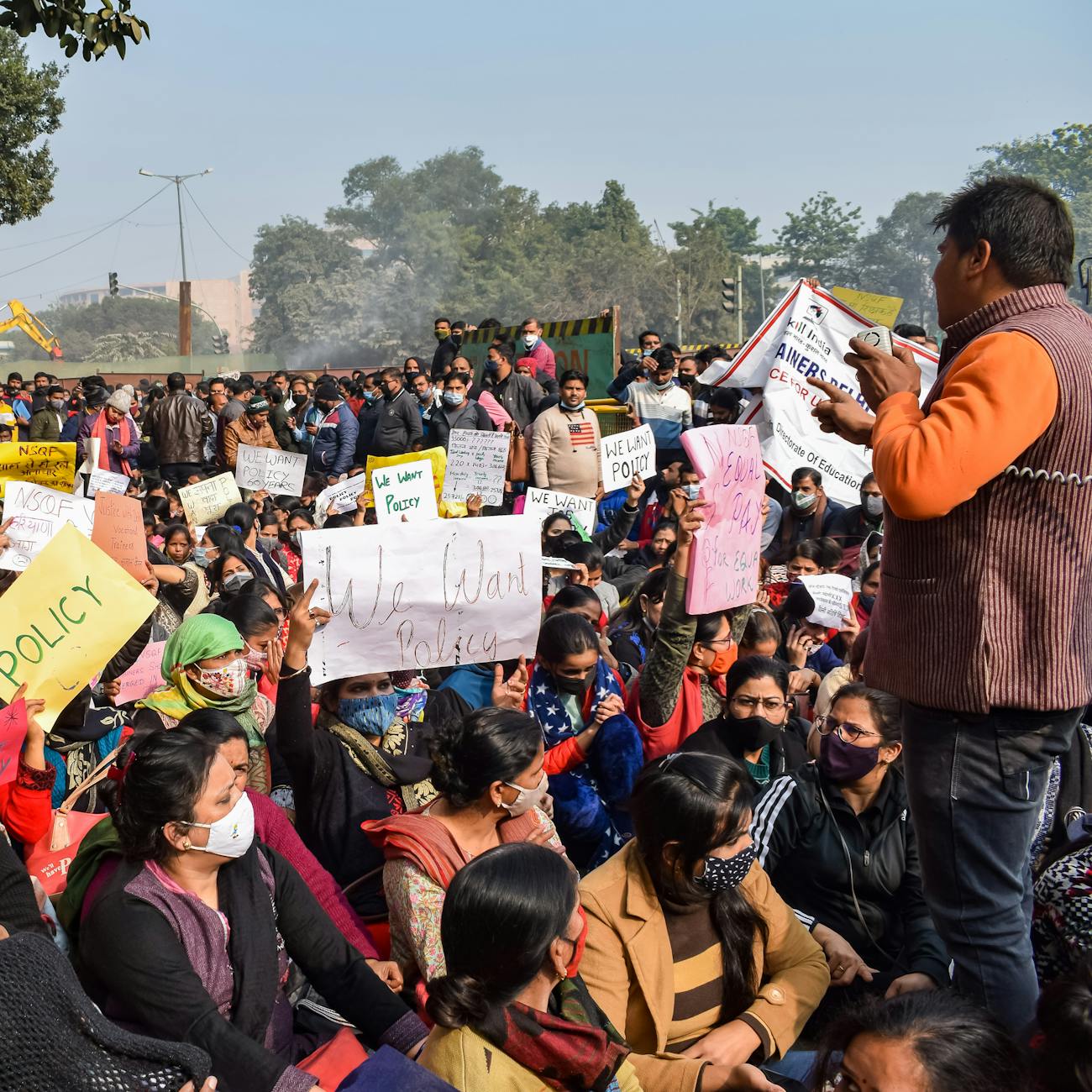
Trade Union Rights #
Trade Union Rights
Trade union rights refer to the legal rights and protections granted to trade un… #
These rights are essential for ensuring fair working conditions, wages, and benefits for workers. In the European Union (EU), trade union rights are protected under various directives and regulations to promote social dialogue and uphold workers' rights.
- Collective Bargaining: The process by which trade unions negotiate with employ… #
- Collective Bargaining: The process by which trade unions negotiate with employers on behalf of their members to reach agreements on terms and conditions of employment.
- Freedom of Association: The right of workers to join or form trade unions with… #
- Freedom of Association: The right of workers to join or form trade unions without interference from employers or the government.
- Industrial Democracy: The practice of involving workers in decision-making pro… #
- Industrial Democracy: The practice of involving workers in decision-making processes within the workplace, often through mechanisms such as works councils or employee representatives.
Industrial Action #
Industrial Action
Industrial action refers to a collective action taken by workers, usually organi… #
Industrial actions can take various forms, including strikes, work stoppages, go-slows, and overtime bans. These actions are often used as a last resort when negotiations fail to produce a satisfactory outcome for workers.
Examples of Industrial Action: #
Examples of Industrial Action:
- Strike: A temporary work stoppage where workers refuse to perform their duties… #
- Strike: A temporary work stoppage where workers refuse to perform their duties until their demands are met.
- Work-to-Rule: A form of industrial action where workers strictly adhere to all… #
- Work-to-Rule: A form of industrial action where workers strictly adhere to all rules and procedures, slowing down productivity to protest against working conditions.
- Overtime Ban: A refusal by workers to work overtime hours as a means of puttin… #
- Overtime Ban: A refusal by workers to work overtime hours as a means of putting pressure on employers during negotiations.
Challenges of Industrial Action: #
Challenges of Industrial Action:
- Disruption to Operations: Industrial action can disrupt normal business operat… #
- Disruption to Operations: Industrial action can disrupt normal business operations, leading to financial losses for employers and inconvenience for customers.
- Legal Implications: There are legal restrictions on industrial action in some… #
- Legal Implications: There are legal restrictions on industrial action in some countries, and unions must ensure that they comply with relevant laws and regulations.
- Damage to Relationships: Prolonged industrial action can strain relationships… #
- Damage to Relationships: Prolonged industrial action can strain relationships between employers and employees, affecting trust and collaboration in the long term.
In the EU, industrial action is regulated by national laws as well as EU directi… #
Trade unions play a crucial role in representing workers during industrial disputes and ensuring that their rights are upheld.