
Conflict Resolution Skills
Expert-defined terms from the Professional Certificate in Problem Solving Problem Resolution course at London School of Business and Administration. Free to read, free to share, paired with a globally recognised certification pathway.
Conflict Resolution Skills #
Conflict Resolution Skills
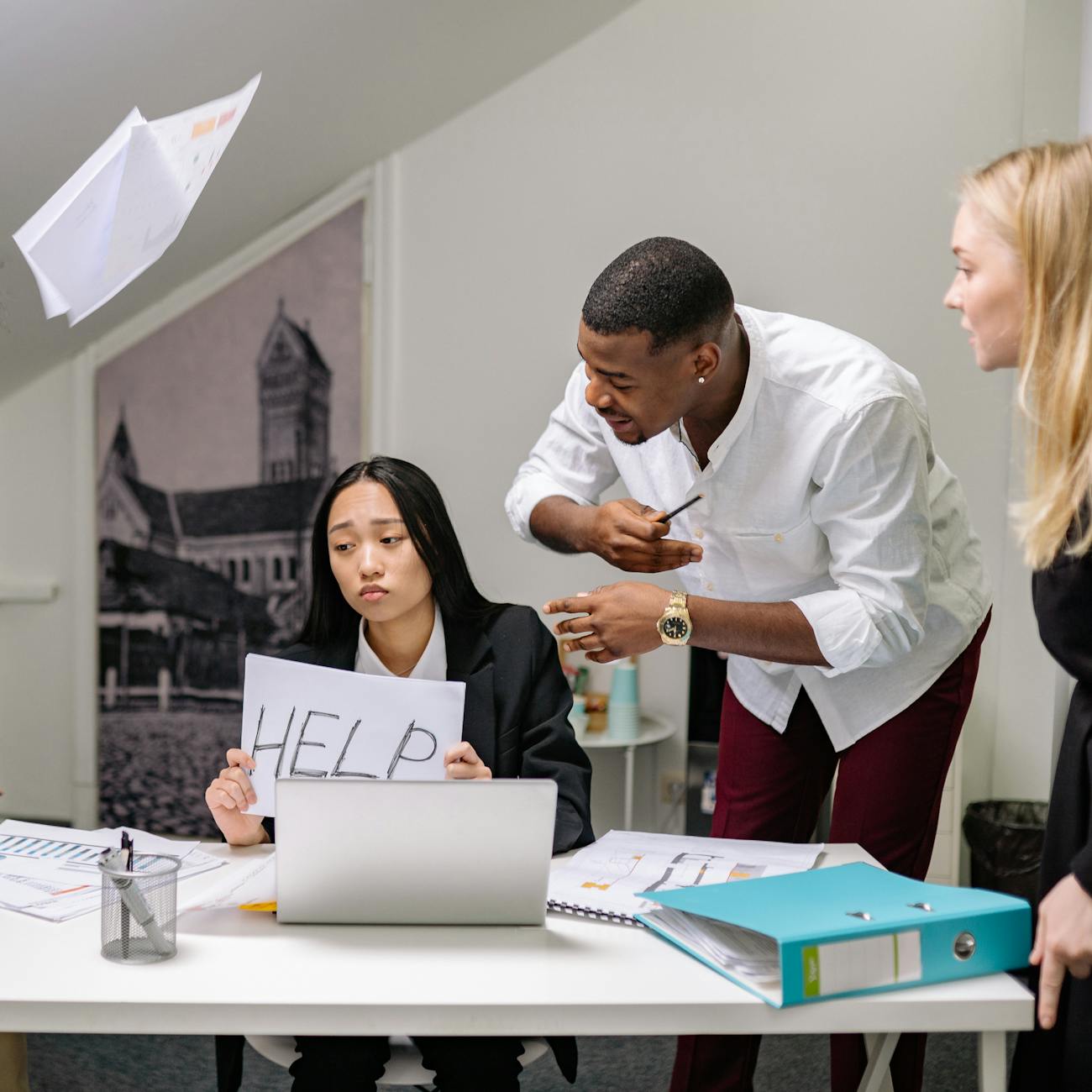
Conflict resolution skills are the abilities and techniques used to address and… #
These skills are essential in various aspects of life, including personal relationships, the workplace, and community settings. Conflict resolution skills help individuals navigate disagreements and disputes, leading to positive outcomes and improved relationships.
Key Concepts #
Key Concepts
- **Communication:** Effective communication is crucial in conflict resolution #
It involves listening actively, expressing thoughts and feelings clearly, and seeking to understand the perspectives of others. By communicating openly and honestly, individuals can clarify misunderstandings and find common ground.
- **Negotiation:** Negotiation is a collaborative process used to reach a mutual… #
It involves discussing issues, exploring options, and finding compromises that satisfy the needs of all parties involved. Effective negotiation skills help individuals find win-win solutions and maintain positive relationships.
- **Problem-Solving:** Problem-solving is the process of identifying, analyzing,… #
In conflict resolution, problem-solving skills are essential for addressing the root causes of conflicts and developing practical solutions. By using problem-solving techniques, individuals can overcome obstacles and achieve resolutions.
- **Emotional Intelligence:** Emotional intelligence refers to the ability to un… #
It involves self-awareness, self-regulation, empathy, and social skills. Emotional intelligence is critical in conflict resolution as it helps individuals control their emotions, communicate effectively, and build positive relationships.
- **Mediation:** Mediation is a voluntary and confidential process in which a ne… #
Mediators facilitate discussions, clarify issues, and guide participants toward resolving conflicts peacefully. Mediation is commonly used in workplace disputes, family conflicts, and community disagreements.
- **Arbitration:** Arbitration is a formal process in which a neutral third part… #
Arbitration is less formal than litigation but more structured than mediation. It is often used in commercial disputes, labor conflicts, and legal cases.
- **Conflict Management:** Conflict management involves the strategies and techn… #
It includes conflict prevention, conflict resolution, and conflict transformation. Conflict management aims to minimize the negative impacts of conflicts and promote constructive communication and cooperation.
- **Collaboration:** Collaboration is a cooperative process in which individuals… #
It involves sharing ideas, resources, and responsibilities to create synergy and produce innovative solutions. Collaboration is essential in conflict resolution as it encourages teamwork, creativity, and mutual respect.
- **Active Listening:** Active listening is a communication technique that invol… #
It requires giving the speaker full attention, asking clarifying questions, and reflecting back the content and emotions expressed. Active listening helps build trust, empathy, and rapport in conflict resolution.
Explanation #
Explanation
Conflict resolution skills are essential in the professional certificate in prob… #
By developing conflict resolution skills, participants can navigate disagreements, overcome obstacles, and collaborate with others to find solutions. These skills help individuals communicate clearly, negotiate effectively, and build positive relationships, leading to successful problem resolution outcomes.
In the course, participants learn how to apply communication strategies, such as… #
They also explore techniques for managing emotions, such as self-regulation and empathy, to maintain composure and build rapport with others during challenging situations. Through role-playing exercises, case studies, and group discussions, participants practice using negotiation tactics and problem-solving approaches to reach mutually beneficial agreements and address conflicts proactively.
By mastering conflict resolution skills, participants in the professional certif… #
These skills empower individuals to address conflicts constructively, foster collaboration, and promote innovation in problem-solving processes. Overall, conflict resolution skills are integral to achieving successful outcomes in the course and beyond.