
Spatial Analysis and Site Planning for Wayfinding
Expert-defined terms from the Professional Certificate in Wayfinding Design course at London School of Business and Administration. Free to read, free to share, paired with a globally recognised certification pathway.
Spatial Analysis #
Spatial Analysis
Spatial analysis is a process of examining spatial data to understand patterns a… #
It involves techniques to analyze geographic data, such as maps, GPS data, and satellite images, to uncover insights that can inform decision-making. Spatial analysis is essential in various fields, including urban planning, environmental science, and transportation.
Spatial analysis techniques include: #
Spatial analysis techniques include:
1. Geocoding #
the process of converting addresses into geographic coordinates.
2. Buffering #
creating a buffer zone around a specific point, line, or area.
3. Overlay #
combining two or more layers of spatial data to identify relationships.
4. Interpolation #
estimating values at unknown locations based on known values.
Site Planning #
Site Planning
Site planning is the process of designing the layout of a site to achieve specif… #
It involves considering various factors, including site topography, zoning regulations, environmental impact, and user needs. Site planning is crucial in the development of residential, commercial, and public spaces.
Key considerations in site planning include: #
Key considerations in site planning include:
1. Zoning #
regulations that dictate land use, density, and building height.
2. Site analysis #
evaluating the site's characteristics, such as soil quality and drainage.
3. Accessibility #
ensuring that the site is easily reachable by various modes of transportation.
4. Sustainability #
incorporating green design principles to minimize environmental impact.
Wayfinding #
Wayfinding
Elements of effective wayfinding design include: #
Elements of effective wayfinding design include:
1. Signage #
providing clear and concise signs with consistent symbols and colors.
2. Landmarks #
using distinctive features to aid in orientation and wayfinding.
3. Path integration #
helping users create mental maps of their surroundings.
4. Legibility #
ensuring that information is easily readable and understandable.
Design Principles #
Design Principles
Design principles are fundamental guidelines that inform the creation of success… #
They encompass concepts such as balance, contrast, unity, and hierarchy, which help designers organize visual elements to achieve effective communication and aesthetic appeal. Understanding design principles is essential for creating impactful and cohesive designs across various disciplines.
Common design principles include: #
Common design principles include:
1. Proximity #
grouping related elements to establish relationships and hierarchy.
2. Alignment #
arranging elements along a common axis for a cohesive layout.
3. Repetition #
using consistent patterns to create visual interest and reinforce information.
4. Contrast #
highlighting differences to emphasize important elements and create visual impact.
Legibility #
Legibility
Legibility refers to the readability of text or symbols, particularly in signage… #
Legible designs are easily recognizable and comprehensible, allowing users to quickly interpret information and navigate their surroundings. Factors that influence legibility include font choice, size, color contrast, and background visibility.
Tips for enhancing legibility in design include: #
Tips for enhancing legibility in design include:
1. Choosing appropriate fonts #
selecting clear, sans-serif typefaces for optimal readability.
2. Optimizing contrast #
using high contrast between text and background for visibility.
3. Avoiding clutter #
simplifying design elements to reduce visual noise and distractions.
4. Testing with users #
soliciting feedback to ensure that designs are understandable and user-friendly.
Wayfinding System #
Wayfinding System
A wayfinding system is a coordinated set of elements, such as signage, maps, and… #
It provides users with clear and intuitive information to help them navigate unfamiliar spaces efficiently. Wayfinding systems are essential in public places, transportation hubs, and large campuses to enhance user experience and reduce confusion.
Components of a wayfinding system include: #
Components of a wayfinding system include:
1. Primary signage #
directional signs that indicate key destinations and points of interest.
2. Secondary signage #
informational signs that provide additional details and context.
3. Map displays #
visual representations of the environment with route information.
4. Interactive kiosks #
digital tools that allow users to search for specific locations and receive directions.
Human Behavior #
Human Behavior
Human behavior refers to the actions, reactions, and interactions of individuals… #
Understanding human behavior is crucial in design, particularly in wayfinding, to create solutions that align with users' cognitive processes and behavioral patterns. Factors influencing human behavior include perception, memory, motivation, and cultural norms.
1. Cognitive load #
the mental effort required to process information and make decisions.
2. Behavioral cues #
observable signals that influence how people navigate and interact.
3. Decision #
making: the process of selecting a course of action from multiple alternatives.
4. Emotional response #
the feelings and reactions evoked by design elements and experiences.
User Experience (UX) #
User Experience (UX)
User experience (UX) refers to the overall experience of a person using a produc… #
In design, UX focuses on creating meaningful and seamless interactions that meet users' needs and expectations. Effective UX design considers usability, accessibility, and desirability to enhance user satisfaction and engagement.
Principles of user experience design include: #
Principles of user experience design include:
1. User #
centered design: involving users in the design process to understand their preferences and pain points.
2. Usability testing #
evaluating how easily users can accomplish tasks and achieve their goals.
3. Information architecture #
organizing content and navigation to facilitate intuitive user journeys.
4. Feedback loops #
collecting user feedback to continuously improve and iterate on design solutions.
Environmental Psychology #
Environmental Psychology
Environmental psychology is the study of how the physical environment influences… #
It explores the relationship between people and their surroundings, including built environments, natural landscapes, and virtual spaces. Environmental psychology informs design practices to create environments that support mental health, productivity, and social interactions.
Topics in environmental psychology relevant to design include: #
Topics in environmental psychology relevant to design include:
1. Biophilic design #
incorporating nature elements into built environments to promote well-being.
2. Place attachment #
emotional bonds formed between individuals and specific locations.
3. Stress reduction #
designing environments that support relaxation and stress relief.
4. Wayfinding behavior #
how people navigate and orient themselves in physical spaces.
Universal Design #
Universal Design
Universal design is an approach to creating products and environments that are a… #
It aims to eliminate barriers and accommodate diverse user needs to promote inclusivity and equality. Universal design principles emphasize flexibility, simplicity, and equitable access for everyone.
Principles of universal design include: #
Principles of universal design include:
1. Equitable use #
designing for all users, regardless of their abilities or disabilities.
2. Flexibility in use #
providing multiple ways to interact with and use a design.
3. Simple and intuitive #
making designs easy to understand and operate for all users.
4. Perceptible information #
ensuring that information is presented clearly and in multiple formats.
1. Landmarks #
distinctive features that aid in wayfinding and provide reference points.
2. Maps #
visual representations of spatial information, often including routes and points of interest.
3. Global Positioning System (GPS) #
satellite-based technology that enables location tracking and navigation.
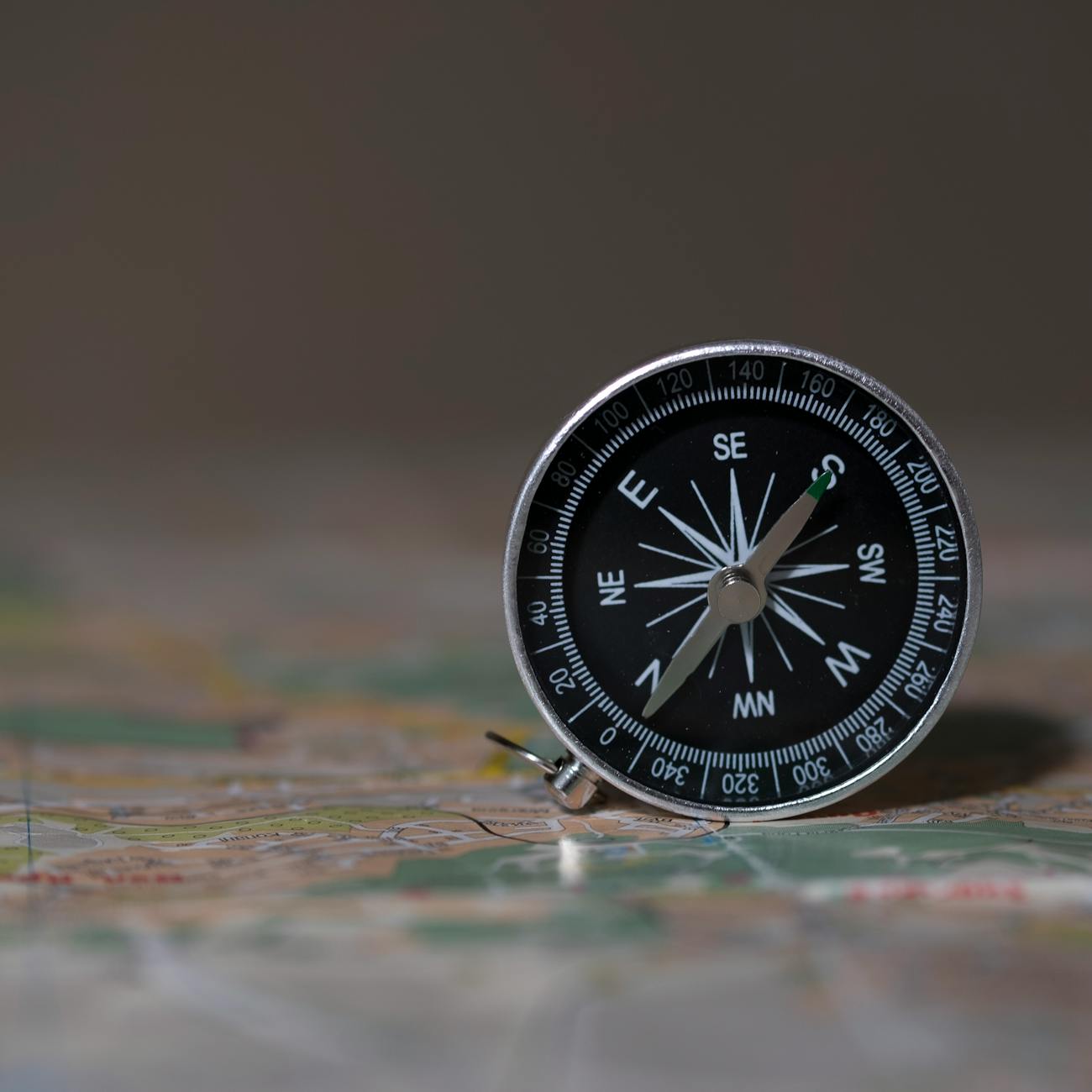
4. Compass #
a tool for determining direction based on magnetic north, often used in outdoor navigation.
Visual Hierarchy #
Visual Hierarchy
Visual hierarchy is the arrangement of visual elements in a design to convey imp… #
It involves using principles such as size, color, contrast, and typography to create a structured and organized layout. Visual hierarchy helps users prioritize information, navigate content, and understand relationships between elements.
Techniques for establishing visual hierarchy include: #
Techniques for establishing visual hierarchy include:
1. Size #
using varying sizes to emphasize important elements and create a hierarchy of information.
2. Color contrast #
using contrasting colors to highlight key elements and create visual interest.
3. Typography #
selecting different fonts and styles to distinguish headings, subheadings, and body text.
4. Whitespace #
using blank space to separate elements and improve readability and visual flow.
Cartography #
Cartography
Cartography is the art and science of creating maps, charts, and spatial represe… #
It involves interpreting geographic data, selecting appropriate symbols and scales, and designing layouts for effective communication. Cartography plays a crucial role in visualizing spatial information, supporting navigation, and conveying complex relationships.
Key concepts in cartography include: #
Key concepts in cartography include:
1. Map projection #
methods for representing the curved Earth on a flat surface, such as Mercator or Robinson projections.
2. Legend #
a key that explains symbols, colors, and other map elements.
3. Scale #
the ratio between distances on a map and corresponding distances in the real world.
4. Topographic maps #
detailed maps that depict terrain features, elevation, and land use.
Information Design #
Information Design
Information design is the practice of organizing and presenting information in a… #
It involves structuring content, using visual elements, and applying design principles to improve comprehension and retention. Information design is essential in creating effective signage, wayfinding systems, data visualizations, and instructional materials.
Principles of information design include: #
Principles of information design include:
1. Hierarchy #
organizing information into levels of importance to guide users through content.
2. Consistency #
maintaining uniformity in design elements for coherence and recognition.
3. Clarity #
presenting information in a straightforward and understandable way.
4. Visual aids #
using graphics, charts, and diagrams to enhance understanding and engagement.
Mobile Wayfinding #
Mobile Wayfinding
Features of mobile wayfinding apps include: #
Features of mobile wayfinding apps include:
1. Turn #
by-turn navigation: providing step-by-step directions to guide users along a route.
2. Location #
based services: delivering relevant information based on the user's current position.
3. Augmented reality #
overlaying digital information onto the physical environment for enhanced guidance.
4. Offline maps #
allowing users to download maps for offline use in areas with limited connectivity.
Environmental Graphics #
Environmental Graphics
Environmental graphics are visual elements, such as signs, maps, and symbols, th… #
They serve as wayfinding aids, branding tools, and decorative elements that enhance the user experience and reinforce a sense of place. Environmental graphics play a crucial role in guiding people through spaces, creating identity, and promoting safety and accessibility.
Types of environmental graphics include: #
Types of environmental graphics include:
1. Directional signs #
signs that indicate routes, exits, and points of interest.
2. Branding elements #
logos, colors, and graphics that reflect the identity of a place or organization.
3. Placemaking installations #
artistic or interactive features that enhance the character of a space.
4. ADA signage #
signs that comply with the Americans with Disabilities Act (ADA) regulations for accessibility.
GIS (Geographic Information System) #
GIS (Geographic Information System)
A Geographic Information System (GIS) is a software tool for capturing, storing,… #
It allows users to create maps, visualize patterns, and make informed decisions based on geographic information. GIS is used in various fields, including urban planning, natural resource management, emergency response, and market analysis.
Functions of GIS include: #
Functions of GIS include:
1. Data capture #
collecting geographic data from sources such as GPS, satellite imagery, and surveys.
2. Analysis #
using spatial analysis techniques to interpret data and discover patterns.
3. Mapping #
creating visual representations of data, such as thematic maps and interactive layers.
4. Visualization #
presenting complex spatial information in a clear and understandable format.
Human #
Centered Design
Human #
centered design is an approach that prioritizes the needs, behaviors, and preferences of users throughout the design process. It involves understanding user perspectives, engaging in iterative testing and feedback, and creating solutions that are intuitive and user-friendly. Human-centered design aims to improve usability, satisfaction, and the overall user experience.
Principles of human #
centered design include:
1. Empathy #
developing a deep understanding of users' motivations, goals, and challenges.
2. Iterative design #
continuously testing and refining designs based on user feedback.
3. Prototyping #
creating low-fidelity and high-fidelity prototypes to explore design concepts.
4. Usability testing #
evaluating designs with real users to identify usability issues and opportunities for improvement.
Iconography #
Iconography
Iconography is the use of symbols, icons, and pictograms to represent concepts,… #
Icons are visual elements that convey meaning through simplified and universally recognizable imagery. Iconography is essential in wayfinding design for creating intuitive visual cues that aid navigation and communication in a clear and concise manner.
Characteristics of effective iconography include: #
Characteristics of effective iconography include:
1. Clarity #
using simple and unambiguous symbols that are easy to interpret.
2. Consistency #
maintaining uniformity in style, size, and color across icon sets.
3. Accessibility #
designing icons that are inclusive and comprehensible to diverse users.
4. Context #
placing icons in relevant locations and providing accompanying text for clarity.
Interactive Wayfinding #
Interactive Wayfinding
Interactive wayfinding involves digital tools and interfaces that allow users to… #
It enables users to search for locations, get real-time directions, and customize routes based on preferences. Interactive wayfinding systems often incorporate touchscreens, mobile apps, and augmented reality to enhance user engagement and provide personalized guidance.
Features of interactive wayfinding systems include: #
Features of interactive wayfinding systems include:
1. Search functionality #
enabling users to find specific destinations or points of interest.
2. Customizable routes #
allowing users to adjust routes based on accessibility or preferences.
3. Visual feedback #
providing visual and auditory cues to guide users along a path.
4. Wayfinding analytics #
tracking user interactions and behavior to improve system performance.
Neuroscience in Design #
Neuroscience in Design
Neuroscience in design explores how the brain perceives and responds to design e… #
It examines cognitive processes, emotional responses, and sensory stimuli to inform design decisions that optimize user engagement and well-being. Neuroscience insights can enhance wayfinding design by aligning with human cognitive abilities and psychological factors.
Areas of neuroscience relevant to design include: #
Areas of neuroscience relevant to design include:
1. Visual perception #
how the brain processes and interprets visual information.
2. Emotional design #
how design elements evoke feelings and influence behavior.
3. User attention #
how the brain focuses on relevant stimuli and filters out distractions.
4. Memory and recall #
how the brain stores and retrieves information for wayfinding and decision-making.
Visual Communication #
Visual Communication
Visual communication is the practice of conveying information and ideas through… #
It involves using design principles, color theory, and layout techniques to create effective and engaging visual messages. Visual communication plays a vital role in wayfinding design by guiding users, reinforcing branding, and enhancing user experience.
Components of visual communication include: #
Components of visual communication include:
1. Graphic design #
creating visual compositions that communicate a specific message or concept.
2. Color theory #
understanding how colors influence perception, emotion, and readability.
3. Typography #
selecting fonts, sizes, and styles to enhance legibility and convey tone.
4. Visual storytelling #
using images and graphics to narrate a sequence of events or ideas.
Human Factors #
Human Factors
Human factors, also known as ergonomics, is the study of how humans interact wit… #
It considers factors such as physical comfort, cognitive workload, and user behavior to design solutions that optimize human performance and well-being. Human factors research informs wayfinding design by addressing user needs, capabilities, and limitations.
Aspects of human factors relevant to design include: #
Aspects of human factors relevant to design include:
1. Usability #
how easily and effectively users can interact with a design.
2. Accessibility #
ensuring that designs are usable by people of all abilities and backgrounds.
3. Workplace ergonomics #
designing workspaces that support productivity, health, and safety.
4. Product usability #
evaluating the effectiveness and efficiency of products in real-world contexts.
Emotional Design #
Emotional Design
Emotional design focuses on creating experiences that evoke positive emotions, e… #
It considers aesthetics, sensory appeal, and emotional resonance to design solutions that delight and inspire users. Emotional design is essential in wayfinding to create memorable and engaging navigation experiences.
Elements of emotional design include: #
Elements of emotional design include:
1. Aesthetics #
using visual appeal, color, and form to create an emotional response.
2. Empathy #
understanding users' emotions, needs, and motivations to design empathetic solutions.
3. Personality #
infusing designs with human-like traits and characteristics to establish rapport.
4. Delight #
surprising and delighting users with unexpected or delightful design elements.