
Yoga for stress reduction and brain health
Expert-defined terms from the Specialist Certification in Brain Health and Yoga course at London School of Business and Administration. Free to read, free to share, paired with a professional course.
Yoga for Stress Reduction and Brain Health Glossary #
Yoga for Stress Reduction and Brain Health Glossary
Adaptogens #
Adaptogens are a class of herbs that help the body adapt to stressors, both mental and physical. They can help regulate the body's stress response and promote overall well-being. Examples of adaptogens include ashwagandha, holy basil, and rhodiola.
Alpha Waves #
Alpha waves are a type of brainwave that are present when the brain is in a relaxed and alert state. They are associated with a calm and focused mind. Practicing yoga can help increase alpha waves in the brain, promoting relaxation and mental clarity.
Anxiety #
Anxiety is a feeling of worry, nervousness, or unease about something with an uncertain outcome. It can manifest as physical symptoms such as rapid heartbeat, sweating, and trembling. Yoga has been shown to be effective in reducing anxiety symptoms by promoting relaxation and mindfulness.
Asana #
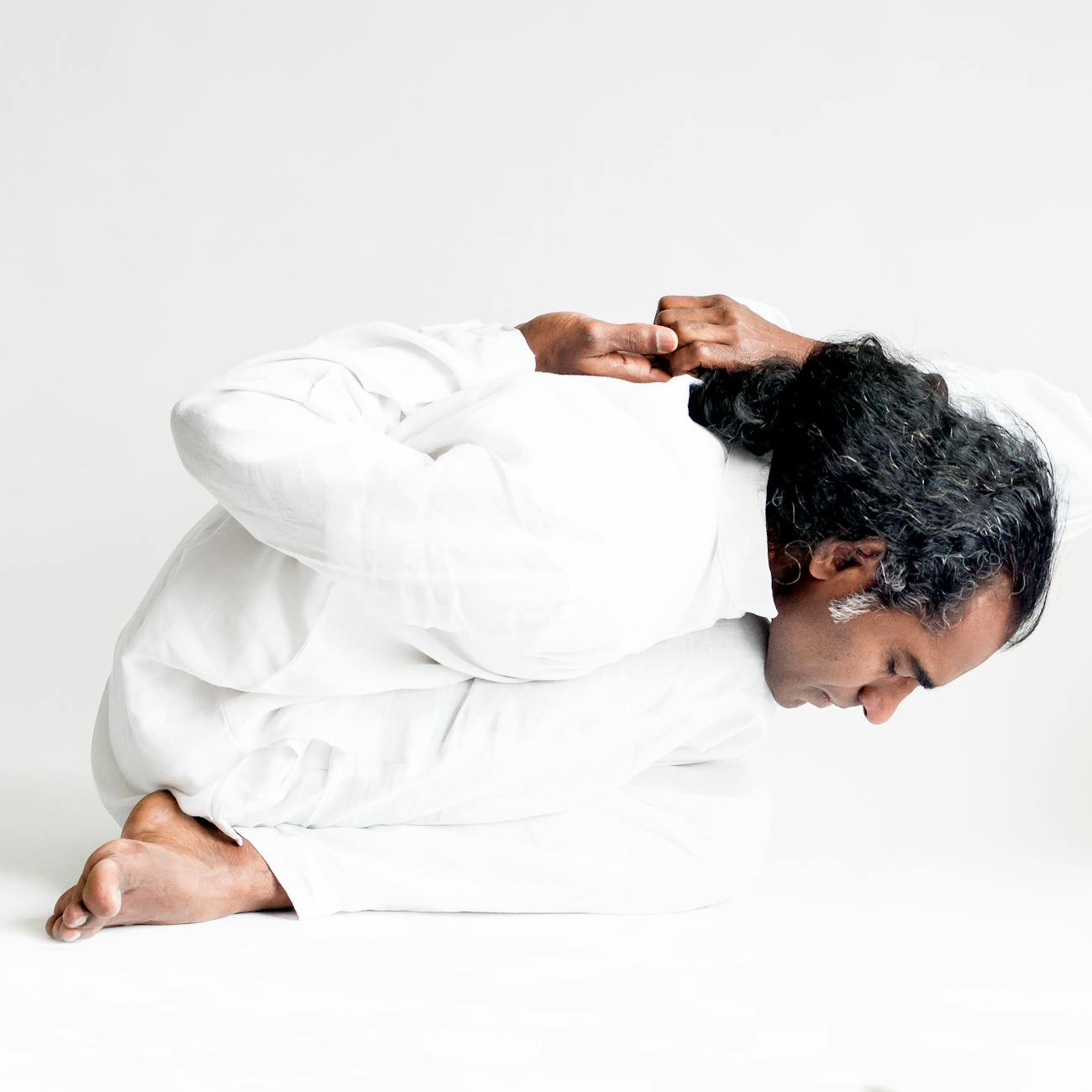
Asana refers to the physical postures practiced in yoga. Each asana has specific benefits for the body and mind. Examples of asanas include downward dog, tree pose, and warrior pose.
Breath Awareness #
Breath awareness is a fundamental aspect of yoga practice. It involves focusing on the breath to cultivate mindfulness and promote relaxation. By paying attention to the breath, individuals can calm the mind and reduce stress.
Brain Health #
Brain health refers to the overall well-being of the brain, including its cognitive function, emotional regulation, and resilience to stress. Yoga has been shown to have numerous benefits for brain health, such as improving memory, focus, and mood.
Chronic Stress #
Chronic stress is a prolonged state of stress that can have negative effects on the body and mind. It can lead to issues such as anxiety, depression, and cognitive decline. Yoga can help mitigate the effects of chronic stress by promoting relaxation and reducing cortisol levels.
Cortisol #
Cortisol is a hormone released by the body in response to stress. High levels of cortisol can have negative effects on the body, such as increased inflammation and impaired cognitive function. Yoga has been shown to reduce cortisol levels, promoting relaxation and well-being.
Depression #
Depression is a mood disorder characterized by feelings of sadness, hopelessness, and a loss of interest in activities. It can have a significant impact on daily life and overall well-being. Yoga has been shown to be an effective complementary treatment for depression by promoting relaxation and emotional regulation.
Endorphins #
Endorphins are chemicals produced by the body that act as natural painkillers and mood elevators. They are released during physical activity, such as yoga, and can help reduce stress and promote a sense of well-being.
Gamma Waves #
Gamma waves are a type of brainwave associated with cognitive function and information processing. They are present during activities that require focus and concentration. Yoga can help increase gamma waves in the brain, improving cognitive function and mental clarity.
Guided Imagery #
Guided imagery is a relaxation technique that involves visualizing peaceful and calming scenes to promote relaxation and reduce stress. It can be used during yoga practice to enhance the mind-body connection and promote overall well-being.
Hatha Yoga #
Hatha yoga is a branch of yoga that focuses on physical postures (asanas) and breathing techniques (pranayama). It is a gentle and accessible form of yoga that is suitable for beginners and experienced practitioners alike.
Insomnia #
Insomnia is a sleep disorder characterized by difficulty falling asleep or staying asleep. It can have a significant impact on overall health and well-being. Yoga has been shown to be an effective treatment for insomnia by promoting relaxation and reducing stress.
Meditation #
Meditation is a practice that involves focusing the mind on a particular object, thought, or activity to promote mindfulness and relaxation. It is often used in conjunction with yoga to enhance the mind-body connection and promote overall well-being.
Pranayama #
Pranayama refers to breathing techniques practiced in yoga. It involves controlling the breath to promote relaxation, mindfulness, and energy flow. Examples of pranayama techniques include deep belly breathing, alternate nostril breathing, and breath of fire.
Relaxation Response #
The relaxation response is a physiological state characterized by decreased heart rate, blood pressure, and muscle tension. It is the opposite of the stress response and promotes relaxation and well-being. Yoga can help elicit the relaxation response by promoting mindfulness and deep breathing.
Resilience #
Resilience refers to the ability to adapt to and cope with stress and adversity. It is an important component of mental health and well-being. Yoga has been shown to improve resilience by promoting relaxation, emotional regulation, and mindfulness.
Self #
Compassion: Self-compassion is the practice of treating oneself with kindness, understanding, and acceptance, especially in times of difficulty or failure. It is an important aspect of emotional well-being and resilience. Yoga can help cultivate self-compassion by promoting mindfulness and self-awareness.
Stress #
Stress is a natural response to a perceived threat or challenge. It can manifest as physical, emotional, or psychological symptoms and can have a significant impact on overall health and well-being. Yoga has been shown to be an effective tool for managing stress by promoting relaxation and mindfulness.
Stress Reduction #
Stress reduction refers to techniques and practices that help alleviate the negative effects of stress on the body and mind. Yoga is a powerful tool for stress reduction, as it promotes relaxation, mindfulness, and emotional regulation.
Theta Waves #
Theta waves are a type of brainwave associated with deep relaxation and creativity. They are present during activities such as meditation and daydreaming. Yoga can help increase theta waves in the brain, promoting relaxation and mental clarity.
Well #
Being: Well-being refers to a state of overall health, happiness, and contentment. It encompasses physical, emotional, and mental aspects of health. Yoga has been shown to improve overall well-being by promoting relaxation, mindfulness, and emotional regulation.