
Introduction to Cultural Heritage Law
Expert-defined terms from the Advanced Certificate in Cultural Heritage Law course at London School of Business and Administration. Free to read, free to share, paired with a professional course.
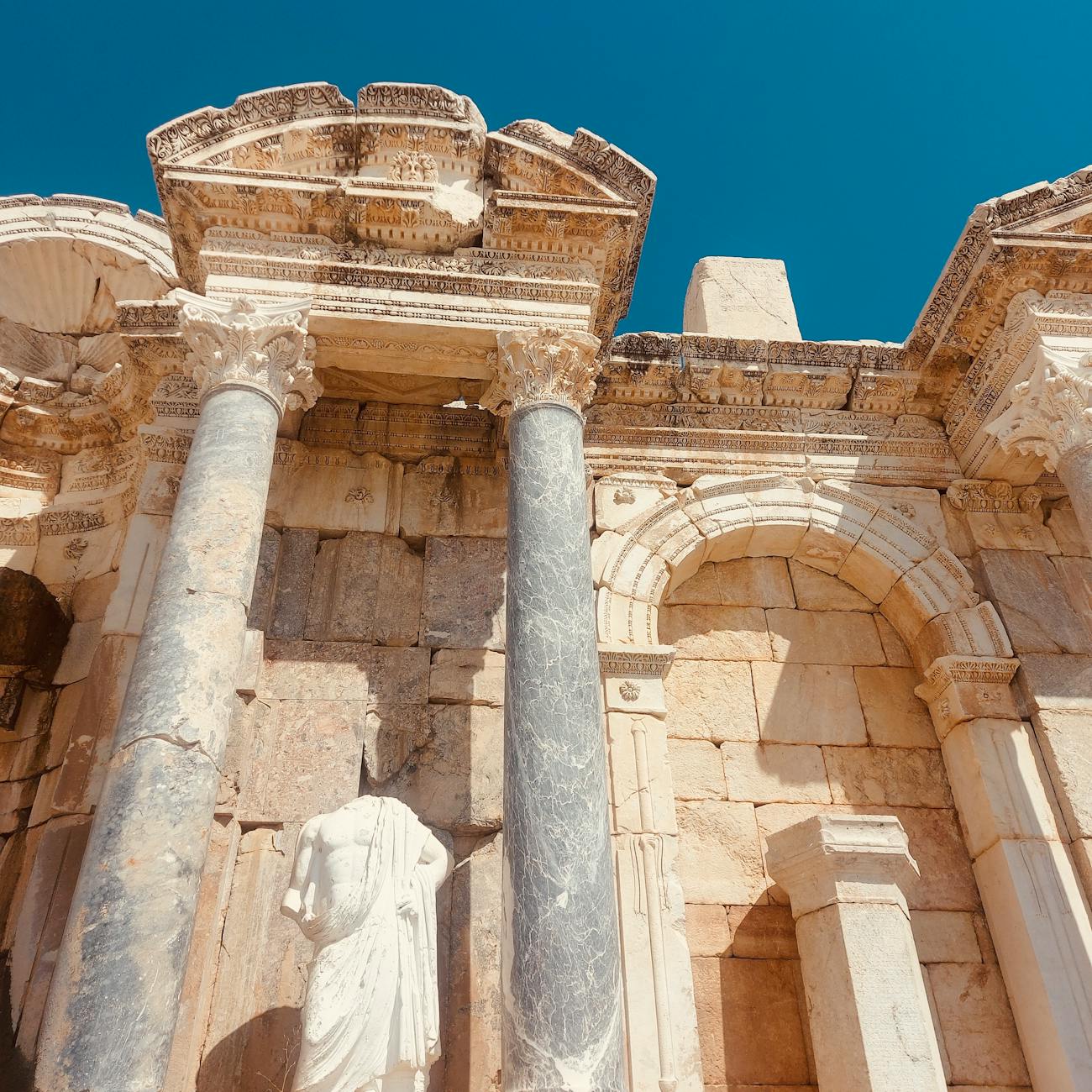
Introduction to Cultural Heritage Law #
Introduction to Cultural Heritage Law
Cultural Heritage Law refers to the legal framework that protects and regulates… #
This area of law encompasses a wide range of legal instruments, principles, and practices aimed at safeguarding the cultural identity and traditions of communities around the world.
Cultural heritage can include archaeological sites, historic buildings, artworks… #
It plays a crucial role in shaping individual and collective identities, promoting social cohesion, and fostering intercultural dialogue.
Understanding Cultural Heritage Law is essential for professionals working in th… #
It provides a legal framework for addressing issues such as illicit trafficking of cultural property, protection of indigenous rights, repatriation of cultural objects, and sustainable development of cultural resources.
This glossary aims to familiarize learners with key terms, concepts, and princip… #
This glossary aims to familiarize learners with key terms, concepts, and principles in Cultural Heritage Law to enhance their understanding of this complex and evolving field.
A #
A
Archaeological Site #
Archaeological Site
An archaeological site is a place where physical evidence of past human activity… #
These sites are important sources of information about ancient cultures, societies, and environments. Archaeological sites are protected under Cultural Heritage Law to prevent looting, vandalism, and destruction.
Archaeology #
Archaeology
Archaeology is the study of human history and prehistory through the excavation… #
Archaeologists use scientific methods to uncover, interpret, and preserve the material culture of past societies. Archaeological discoveries contribute to our understanding of cultural heritage and human origins.
Art Repatriation #
Art Repatriation
Art repatriation refers to the process of returning cultural objects or artworks… #
Repatriation may occur due to theft, looting, illegal excavation, or colonial-era acquisitions. Cultural Heritage Law often governs the repatriation of art to ensure that objects are returned ethically and legally.
B #
B
Cultural Landscape #
Cultural Landscape
A cultural landscape is a geographic area that has been shaped by human activity… #
Cultural landscapes may include agricultural fields, urban centers, sacred sites, and other places that hold cultural significance. Cultural Heritage Law protects these landscapes as valuable expressions of human creativity and history.
Cultural Property #
Cultural Property
Cultural property refers to objects, sites, and traditions that have cultural, h… #
This includes artifacts, monuments, manuscripts, artworks, and intangible heritage such as songs, dances, and rituals. Cultural Heritage Law aims to safeguard cultural property from destruction, theft, and illicit trafficking.
Cultural Heritage #
Cultural Heritage
Cultural heritage encompasses the tangible and intangible aspects of human civil… #
Cultural heritage includes monuments, traditions, languages, customs, beliefs, and knowledge systems that define a community's identity and values. Cultural Heritage Law protects and promotes the diversity of cultural heritage worldwide.
D #
D
Ethnographic Collection #
Ethnographic Collection
An ethnographic collection is a set of objects, artifacts, or specimens that doc… #
Ethnographic collections are often found in museums, research institutions, and cultural heritage organizations. Cultural Heritage Law governs the acquisition, management, and repatriation of ethnographic collections to ensure ethical practices.
F #
F
Heritage Conservation #
Heritage Conservation
Heritage conservation involves the protection, preservation, and management of c… #
Conservation efforts aim to safeguard heritage resources from deterioration, damage, and loss, while promoting their sustainable use and appreciation. Cultural Heritage Law provides guidelines and standards for heritage conservation practices.
Illicit Trafficking #
Illicit Trafficking
Illicit trafficking refers to the illegal trade, smuggling, or sale of cultural… #
This criminal activity often involves the looting of archaeological sites, theft from museums or private collections, and the unauthorized export of cultural property. Cultural Heritage Law seeks to prevent illicit trafficking and facilitate the repatriation of stolen or illegally acquired objects.
Intangible Cultural Heritage #
Intangible Cultural Heritage
Intangible cultural heritage includes traditions, rituals, performances, knowled… #
Examples of intangible heritage include storytelling, music, dance, cuisine, and craftsmanship. Cultural Heritage Law recognizes the importance of safeguarding and promoting intangible cultural heritage as a living expression of human creativity.
J #
J
Legal Framework #
Legal Framework
A legal framework is a system of laws, regulations, policies, and institutions t… #
In the context of Cultural Heritage Law, the legal framework includes national and international laws, conventions, charters, and guidelines that regulate the protection, management, and promotion of cultural heritage. A strong legal framework is essential for ensuring the effective implementation of heritage conservation measures.
M #
M
Museum Ethics #
Museum Ethics
Museum ethics refer to the principles, values, and standards that guide the ethi… #
Ethical issues in museums include provenance research, repatriation of cultural property, conservation practices, and community engagement. Cultural Heritage Law addresses museum ethics to ensure the responsible stewardship of cultural heritage resources.
N #
N
Preservation #
Preservation
Preservation is the act of protecting, maintaining, and prolonging the life of c… #
Preservation activities may include documentation, repair, restoration, and preventive conservation measures. Cultural Heritage Law promotes the preservation of heritage resources to safeguard their significance and integrity for future generations.
Provenance Research #
Provenance Research
Provenance research is the investigation of the ownership history, origin, and c… #
Provenance research helps to establish the authenticity, legal ownership, and rightful restitution of cultural property. Cultural Heritage Law encourages museums, collectors, and institutions to conduct provenance research to prevent the trafficking of stolen or looted objects.
Q #
Q
Repatriation #
Repatriation
Repatriation is the process of returning cultural objects, artifacts, or human r… #
Repatriation may occur for reasons of cultural heritage protection, restitution of stolen property, or reconciliation with indigenous peoples. Cultural Heritage Law provides legal mechanisms and guidelines for facilitating the repatriation of cultural objects in a respectful and ethical manner.
R #
R
Sustainable Development #
Sustainable Development
Sustainable development is a holistic approach to economic, social, and environm… #
In the context of cultural heritage, sustainable development aims to balance conservation goals with community engagement, economic benefits, and cultural vitality. Cultural Heritage Law promotes sustainable development practices to ensure the long-term preservation and utilization of heritage resources.
Tangible Cultural Heritage #
Tangible Cultural Heritage
Tangible cultural heritage refers to physical objects, structures, monuments, an… #
Examples of tangible heritage include archaeological sites, historic buildings, museum collections, and cultural landscapes. Cultural Heritage Law protects and conserves tangible heritage to safeguard its authenticity, integrity, and social value.
U #
U
UNESCO #
UNESCO
The United Nations Educational, Scientific and Cultural Organization (UNESCO) is… #
UNESCO is known for its efforts to protect and preserve world heritage sites, intangible cultural heritage, and documentary heritage. UNESCO conventions and programs play a key role in shaping Cultural Heritage Law and fostering global heritage conservation initiatives.
V #
V
World Heritage #
World Heritage
World Heritage refers to cultural and natural sites of outstanding universal val… #
World Heritage sites represent the diversity and richness of human civilization and natural heritage. Cultural Heritage Law recognizes World Heritage as a global responsibility and commits countries to protect and conserve these exceptional places for future generations.
X #
X
Indigenous Rights #
Indigenous Rights
Indigenous rights are the collective and individual rights of indigenous peoples… #
Indigenous rights are based on the principles of self-determination, cultural autonomy, and non-discrimination. Cultural Heritage Law acknowledges the importance of respecting and upholding indigenous rights in heritage conservation practices, including consultation, consent, and participation of indigenous communities in decision-making processes.
Y #
Y
Cultural Appropriation #
Cultural Appropriation
Cultural appropriation refers to the unauthorized or inappropriate adoption of e… #
Cultural appropriation can involve the misuse, distortion, or commodification of cultural symbols, practices, or artifacts. Cultural Heritage Law addresses issues of cultural appropriation by promoting respect, reciprocity, and collaboration between cultural groups to ensure the ethical exchange and representation of diverse heritage traditions.
Z #
Z
Heritage Tourism #
Heritage Tourism
Heritage tourism is a form of cultural tourism that focuses on visiting historic… #
Heritage tourism contributes to local economies, promotes cultural exchange, and raises awareness of the value of cultural heritage. Cultural Heritage Law supports sustainable heritage tourism practices that balance conservation, education, and economic development goals.
Advanced Certificate in Cultural Heritage Law #
A specialized program designed to provide comprehensive knowledge and understanding of the legal frameworks governing cultural heritage protection and preservation.
Archaeological Site #
A location containing physical evidence of past human activity, such as artifacts, structures, or remains, which are of cultural, historical, or scientific significance.
Authentication #
The process of verifying the origin, authorship, or date of a cultural object or artifact to determine its authenticity and provenance.
Cultural Heritage #
Objects, sites, traditions, and practices that are valued for their historical, cultural, or artistic significance and are considered important for preservation and protection.
Cultural Property #
Objects, sites, or artifacts that have cultural, historical, or artistic significance and are considered valuable for their contribution to a society's cultural heritage.
Cultural Property Law #
Legal frameworks and regulations governing the protection, preservation, and management of cultural property, including objects, sites, and artifacts of historical or cultural significance.
Cultural Property Rights #
Legal rights and protections granted to individuals, communities, or nations to safeguard their cultural heritage and prevent unauthorized exploitation or destruction of cultural property.
Cultural Resource Management #
The process of identifying, assessing, and preserving cultural resources, including archaeological sites, historic buildings, and traditional landscapes, to ensure their long-term protection and sustainable use.
Cultural Tourism #
Tourism activities that focus on experiencing and learning about the cultural heritage, traditions, and practices of a particular region or community, often involving visits to museums, historic sites, and cultural events.
Due Diligence #
The legal obligation to exercise reasonable care, caution, and thoroughness in investigating, documenting, and managing cultural heritage resources to prevent harm, loss, or unauthorized exploitation.
Heritage Impact Assessment #
A systematic evaluation of the potential impact of development projects, infrastructure projects, or natural disasters on cultural heritage sites, objects, or resources, to identify risks and implement mitigation measures.
Intangible Cultural Heritage #
Cultural practices, traditions, knowledge, and skills that are transmitted from generation to generation and are considered part of a community's cultural identity, including oral traditions, rituals, music, and performing arts.
International Cultural Heritage Law #
Legal frameworks, agreements, and conventions established at the international level to protect, preserve, and manage cultural heritage resources, including UNESCO's World Heritage Convention and the Hague Convention.
Monument #
A structure, building, or site that is of historical, architectural, or cultural significance and is protected under heritage laws and regulations to ensure its preservation and conservation.
National Cultural Heritage Law #
Legislation and regulations enacted by national governments to safeguard and manage the cultural heritage resources within their borders, including archaeological sites, historic buildings, and cultural objects.
Provenance #
The documented history or chain of custody of a cultural object or artifact, including information about its origin, ownership, and movement, used to establish its authenticity and legal ownership.
Repatriation #
The process of returning cultural objects, artifacts, or human remains to their countries of origin, communities, or descendants, often as a result of looting, theft, or colonial-era acquisitions.
Risk Management #
The systematic process of identifying, assessing, and mitigating potential risks to cultural heritage resources, including natural disasters, climate change, armed conflict, and human activities.
Sacred Sites #
Locations, landscapes, or natural features that are considered sacred or spiritually significant by indigenous peoples, religious communities, or cultural groups, and are protected under cultural heritage laws and practices.
UNESCO #
The United Nations Educational, Scientific and Cultural Organization, a specialized agency of the United Nations that promotes international cooperation in education, science, culture, and communication, including the protection of cultural heritage.
World Heritage Site #
A location, monument, or cultural landscape that is designated by UNESCO as having outstanding universal value and is protected under the World Heritage Convention to ensure its preservation for future generations.