
lighting principles and concepts
Expert-defined terms from the Professional Certificate in Lighting Design in Hotels course at London School of Business and Administration. Free to read, free to share, paired with a professional course.
Ambient Lighting #
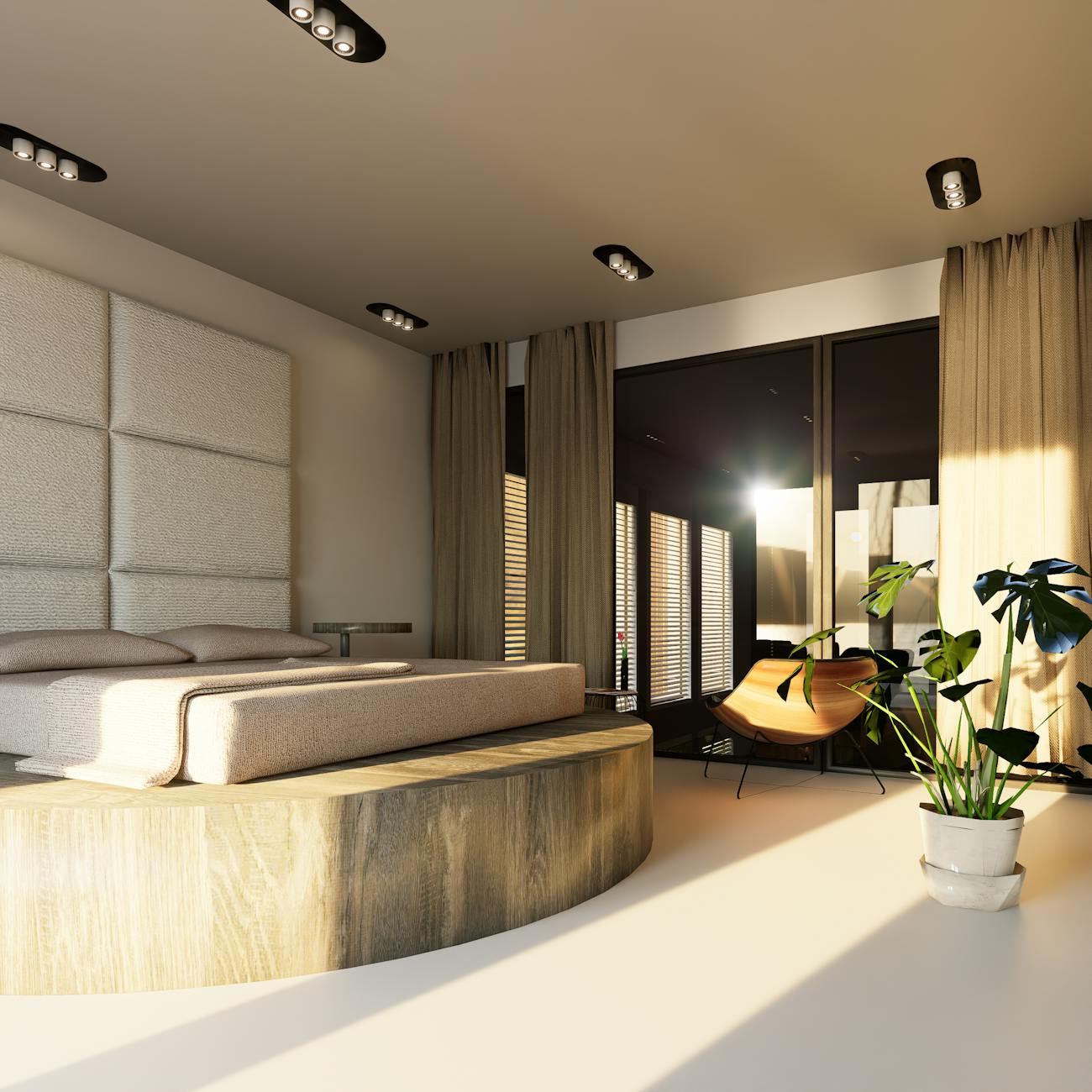
Ambient lighting refers to the overall illumination in a space that provides a comfortable level of light for general visibility. It serves as the base layer of lighting in a room and helps create a welcoming atmosphere. Ambient lighting can be achieved through ceiling-mounted fixtures, wall sconces, or track lighting.
Accent Lighting #
Accent lighting is used to highlight specific features or objects in a space, such as artwork, architectural details, or plants. It adds visual interest and drama to a room by drawing attention to focal points. Accent lighting can be achieved using track lighting, recessed fixtures, or wall-mounted spotlights.
Task Lighting #
Task lighting is designed to provide focused illumination for specific activities, such as reading, cooking, or working. It helps reduce eye strain and improves visibility for tasks that require precision. Task lighting fixtures include desk lamps, under-cabinet lights, and pendant lights.
Direct Lighting #
Direct lighting involves light sources that emit light in a specific direction towards a particular area or object. It can create strong contrasts between light and shadow, emphasizing textures and shapes. Direct lighting is commonly used in art galleries, museums, and retail spaces to highlight products or exhibits.
Indirect Lighting #
Indirect lighting refers to light that is directed upwards towards the ceiling or walls, creating a soft, diffused glow in a space. It helps reduce glare and provides ambient illumination that bounces off surfaces, creating a warm and inviting atmosphere. Indirect lighting is often used in residential settings, restaurants, and hotels.
Color Temperature #
Color temperature is a measure of the warmth or coolness of light emitted by a light source, measured in Kelvin (K). Lower color temperatures (ranging from 2700K to 3000K) produce warm, yellowish light, while higher color temperatures (ranging from 4000K to 6500K) produce cool, bluish light. Understanding color temperature is essential for creating the desired mood and ambiance in a space.
Color Rendering Index (CRI) #
The Color Rendering Index is a measure of how accurately a light source renders colors compared to natural daylight. The CRI scale ranges from 0 to 100, with a higher CRI indicating better color accuracy. A CRI of 80 or above is recommended for most lighting applications to ensure that colors appear true and vibrant.
Lumen #
A lumen is a unit of measurement that quantifies the total amount of visible light emitted by a light source. It represents the brightness of a light source, with higher lumens indicating a brighter light output. When selecting lighting fixtures, it is essential to consider the lumen output to ensure adequate illumination for a space.
Lux #
Lux is a unit of measurement that quantifies the intensity of illumination on a surface, measured in lumens per square meter. It is used to determine the level of brightness or light level required for specific tasks or activities. Understanding lux levels is crucial for achieving optimal lighting conditions in different environments.
Glare #
Glare refers to the discomfort or visual impairment caused by excessive brightness or contrast in a lighting environment. It can be caused by direct sunlight, reflections, or poorly positioned light sources. Minimizing glare is essential for creating a comfortable and visually pleasing lighting design.
Uniformity #
Uniformity in lighting design refers to the even distribution of light throughout a space, ensuring consistent illumination levels with minimal variations. Achieving uniformity helps reduce shadows, glare, and visual discomfort, creating a balanced and harmonious lighting environment. Proper fixture placement and light levels are essential for achieving uniformity in a design.
Light Layering #
Light layering involves the use of multiple light sources to create depth, dimension, and visual interest in a space. By combining ambient, task, and accent lighting, designers can achieve a layered lighting design that enhances the functionality and aesthetics of a room. Light layering is essential for creating a balanced and dynamic lighting scheme.
Lighting Control #
Lighting control systems allow users to adjust and customize the intensity, color, and distribution of light in a space to meet specific needs and preferences. These systems can include dimmers, timers, sensors, and smart controls that enhance energy efficiency, comfort, and convenience. Lighting control is essential for optimizing the performance and flexibility of a lighting design.
Daylighting #
Daylighting is the practice of using natural daylight to illuminate interior spaces, reducing the need for artificial lighting during the day. It involves incorporating windows, skylights, and light shelves to maximize natural light penetration and enhance the visual comfort and well-being of occupants. Daylighting strategies can help reduce energy consumption and create a connection to the outdoors.
Light Pollution #
Light pollution refers to the excessive, misdirected, or obtrusive artificial light that disrupts the natural darkness of the night sky. It can have negative impacts on wildlife, human health, and astronomical observations. Designers should consider light pollution when planning outdoor lighting designs to minimize light spill and glare, preserving the nighttime environment.
Energy Efficiency #
Energy efficiency in lighting design involves maximizing the use of energy-efficient light sources, fixtures, and controls to reduce energy consumption and operating costs. LED lighting, daylighting strategies, and lighting controls are commonly used to improve energy efficiency and sustainability in buildings. Designers should prioritize energy-efficient solutions to minimize the environmental impact of lighting systems.
Lighting Design Software #
Lighting design software is a tool used by designers to simulate, analyze, and visualize lighting designs in a virtual environment. It allows users to create lighting layouts, calculate light levels, and assess the performance of lighting systems before implementation. Popular lighting design software programs include Dialux, AGi32, and Relux.
Human #
Centric Lighting: Human-centric lighting focuses on the biological and psychological effects of light on human health and well-being. It considers factors such as circadian rhythms, melatonin production, and alertness levels to create lighting designs that support the natural patterns of human behavior. Human-centric lighting can improve productivity, mood, and overall comfort in indoor environments.
Lighting Retrofit #
Lighting retrofit involves upgrading existing lighting systems with more energy-efficient technologies to improve performance and reduce operating costs. It may include replacing traditional light sources with LED fixtures, installing lighting controls, or optimizing daylighting strategies. Lighting retrofits are a cost-effective way to enhance the efficiency and sustainability of lighting installations.
Lighting Maintenance #
Lighting maintenance refers to the regular inspection, cleaning, and repair of lighting fixtures to ensure proper functioning and performance. It includes tasks such as replacing lamps, adjusting fixtures, and troubleshooting electrical issues to extend the lifespan of lighting systems. Effective lighting maintenance programs help optimize energy efficiency and prevent costly repairs.
Lighting Standards #
Lighting standards are guidelines and regulations that define the requirements for lighting quality, performance, and safety in different applications. They cover aspects such as lighting levels, color rendering, glare control, and energy efficiency to ensure compliance with industry best practices. Designers should be familiar with lighting standards to meet the specific needs of projects and clients.
Lighting Mockup #
A lighting mockup is a full-scale, on-site demonstration of a lighting design concept to evaluate its performance and visual impact before final installation. It allows designers, clients, and stakeholders to assess the effectiveness of lighting solutions, make adjustments, and ensure that design intent is met. Lighting mockups are valuable tools for validating design decisions and ensuring project success.
Lighting Budget #
A lighting budget outlines the financial resources allocated for the design, procurement, and installation of lighting systems in a project. It includes costs for fixtures, controls, labor, and maintenance to ensure that the lighting design meets the desired performance and aesthetic requirements within budget constraints. Effective budget planning is essential for achieving project goals and client satisfaction.
Lighting Supplier #
A lighting supplier is a company or vendor that provides lighting products, fixtures, and solutions for residential, commercial, and industrial applications. Lighting suppliers offer a wide range of products, including LED fixtures, lamps, controls, and accessories, to meet the diverse needs of designers, contractors, and end-users. Choosing a reputable lighting supplier is crucial for obtaining high-quality, reliable lighting solutions for projects.
Lighting Designer #
A lighting designer is a professional who specializes in the art and science of illuminating interior and exterior spaces. They work closely with architects, interior designers, and engineers to create lighting designs that enhance aesthetics, functionality, and user experience. Lighting designers consider factors such as light levels, color temperature, and energy efficiency to create innovative and impactful lighting solutions.
Lighting Consultant #
A lighting consultant is a specialist who provides expert advice and guidance on lighting design, technology, and best practices. They work with clients, designers, and contractors to develop lighting strategies that meet project goals, budget constraints, and regulatory requirements. Lighting consultants offer services such as lighting audits, design reviews, and specifications to ensure that lighting systems perform optimally and enhance the built environment.
Lighting Fixtures #
Lighting fixtures are devices that house and control light sources, providing illumination for various applications. They come in a wide range of styles, sizes, and designs to meet the specific needs of different spaces. Common types of lighting fixtures include chandeliers, pendants, recessed lights, wall sconces, and track lights. Choosing the right fixtures is essential for achieving the desired lighting effects and aesthetics in a design.
Lighting Controls #
Lighting controls are devices that regulate the intensity, color, and distribution of light in a space to optimize energy efficiency, comfort, and functionality. They include dimmers, sensors, timers, and smart controls that allow users to adjust lighting settings based on occupancy, daylight levels, and task requirements. Lighting controls enhance the flexibility and performance of lighting systems, improving user satisfaction and reducing energy consumption.
Lighting Layout #
A lighting layout is a plan or diagram that illustrates the placement and arrangement of lighting fixtures in a space to achieve the desired lighting effects. It includes information on fixture types, locations, aiming angles, and light levels to guide the installation and implementation of lighting systems. Lighting layouts help designers communicate their design intent and ensure that lighting solutions meet project requirements.
Lighting Simulation #
Lighting simulation is a computer-based technique used to model and analyze the behavior of light in a virtual environment. It allows designers to predict the performance of lighting designs, assess light distribution, and simulate different lighting scenarios before construction. Lighting simulation software helps optimize design decisions, improve visual comfort, and enhance the overall quality of lighting solutions.
Lighting Effects #
Lighting effects refer to the visual impact and emotional response created by the interaction of light with surfaces, objects, and occupants in a space. They include aspects such as shadow play, highlighting, color accents, and texture enhancement that contribute to the aesthetics and atmosphere of a design. Understanding lighting effects is crucial for achieving the desired mood, ambiance, and functionality in a space.
Lighting Trends #
Lighting trends are current developments, innovations, and preferences in lighting design that reflect changing technologies, styles, and user needs. They include emerging concepts such as human-centric lighting, smart lighting, and sustainable design practices that shape the direction of the lighting industry. Staying informed about lighting trends helps designers stay relevant, inspire creativity, and deliver cutting-edge solutions to clients.
Lighting Challenges #
Lighting challenges are obstacles or issues that designers may encounter when planning, implementing, or maintaining lighting systems. They can include factors such as budget constraints, technical limitations, regulatory requirements, and user preferences that impact the success of a lighting design. Overcoming lighting challenges requires creative problem-solving, collaboration, and adaptability to deliver effective and innovative solutions.
Lighting Solutions #
Lighting solutions are practical, effective, and sustainable strategies that address the lighting needs and goals of a project. They include the selection of appropriate light sources, fixtures, controls, and design techniques to achieve the desired illumination levels, aesthetics, and functionality in a space. Lighting solutions should be tailored to the specific requirements of each project to optimize performance, energy efficiency, and user satisfaction.
Lighting Design Principles #
Lighting design principles are fundamental concepts and guidelines that inform the planning, implementation, and evaluation of lighting systems. They include aspects such as light quality, quantity, distribution, and control that influence the effectiveness and success of a lighting design. Understanding lighting design principles is essential for creating well-balanced, functional, and visually appealing lighting solutions.
Lighting Concepts #
Lighting concepts are abstract ideas and theories that guide the creative and technical aspects of lighting design. They encompass principles such as layering, contrast, balance, and harmony that shape the visual and emotional impact of light in a space. Lighting concepts help designers develop innovative, cohesive, and impactful lighting solutions that enhance the built environment and improve the quality of life for occupants.
Lighting Terminology #
Lighting terminology comprises a specialized vocabulary of terms, acronyms, and definitions used in the field of lighting design and technology. It includes terms related to light sources, fixtures, controls, measurements, and design techniques that are essential for effective communication and collaboration among industry professionals. Familiarity with lighting terminology is crucial for clear, concise, and accurate discourse in lighting projects and discussions.
Lighting Technology #
Lighting technology encompasses the tools, systems, and innovations that drive the development and implementation of lighting solutions. It includes advances in light sources, fixtures, controls, sensors, and software that improve energy efficiency, performance, and user experience. Keeping abreast of lighting technology trends and developments is essential for designers to leverage the latest tools and resources in their projects.
Lighting Design Process #
The lighting design process is a systematic approach that guides designers through the stages of conceptualizing, developing, and implementing lighting solutions for projects. It includes tasks such as research, analysis, planning, visualization, and evaluation to ensure that lighting designs meet the functional, aesthetic, and performance requirements of a space. Following a structured design process helps designers deliver successful and impactful lighting solutions to clients.
Lighting Research #
Lighting research involves the investigation and study of lighting-related topics, technologies, and applications to advance knowledge, innovation, and best practices in the field. It covers areas such as human factors, sustainability, visual comfort, and technological developments that influence the design and implementation of lighting systems. Lighting research contributes to the evolution of lighting design, enhancing the quality, efficiency, and effectiveness of lighting solutions.
Lighting Evaluation #
Lighting evaluation is the process of assessing the performance, effectiveness, and quality of lighting systems in a space to ensure that design goals are met. It involves measuring light levels, color rendering, energy consumption, and user satisfaction to identify strengths, weaknesses, and areas for improvement. Lighting evaluation helps designers optimize lighting designs, address issues, and enhance the overall performance of lighting installations.
Lighting Mockup #
A lighting mockup is a full-scale, on-site demonstration of a lighting design concept to evaluate its performance and visual impact before final installation. It allows designers, clients, and stakeholders to assess the effectiveness of lighting solutions, make adjustments, and ensure that design intent is met. Lighting mockups are valuable tools for validating design decisions and ensuring project success.
Lighting Budget #
A lighting budget outlines the financial resources allocated for the design, procurement, and installation of lighting systems in a project. It includes costs for fixtures, controls, labor, and maintenance to ensure that the lighting design meets the desired performance and aesthetic requirements within budget constraints. Effective budget planning is essential for achieving project goals and client satisfaction.
Lighting Supplier #
A lighting supplier is a company or vendor that provides lighting products, fixtures, and solutions for residential, commercial, and industrial applications. Lighting suppliers offer a wide range of products, including LED fixtures, lamps, controls, and accessories, to meet the diverse needs of designers, contractors, and end-users. Choosing a reputable lighting supplier is crucial for obtaining high-quality, reliable lighting solutions for projects.
Lighting Designer #
A lighting designer is a professional who specializes in the art and science of illuminating interior and exterior spaces. They work closely with architects, interior designers, and engineers to create lighting designs that enhance aesthetics, functionality, and user experience. Lighting designers consider factors such as light levels, color temperature, and energy efficiency to create innovative and impactful lighting solutions.
Lighting Consultant #
A lighting consultant is a specialist who provides expert advice and guidance on lighting design, technology, and best practices. They work with clients, designers, and contractors to develop lighting strategies that meet project goals, budget constraints, and regulatory requirements. Lighting consultants offer services such as lighting audits, design reviews, and specifications to ensure that lighting systems perform optimally and enhance the built environment.
Lighting Fixtures #
Lighting fixtures are devices that house and control light sources, providing illumination for various applications. They come in a wide range of styles, sizes, and designs to meet the specific needs of different spaces. Common types of lighting fixtures include chandeliers, pendants, recessed lights, wall sconces, and track lights. Choosing the right fixtures is essential for achieving the desired lighting effects and aesthetics in a design.
Lighting Controls #
Lighting controls are devices that regulate the intensity, color, and distribution of light in a space to optimize energy efficiency, comfort, and functionality. They include dimmers, sensors, timers, and smart controls that allow users to adjust lighting settings based on occupancy, daylight levels, and task requirements. Lighting controls enhance the flexibility and performance of lighting systems, improving user satisfaction and reducing energy consumption.
Lighting Layout #
A lighting layout is a plan or diagram that illustrates the placement and arrangement of lighting fixtures in a space to achieve the desired lighting effects. It includes information on fixture types, locations, aiming angles, and light levels to guide the installation and implementation of lighting systems. Lighting layouts help designers communicate their design intent and ensure that lighting solutions meet project requirements.
Lighting Simulation #
Lighting simulation is a computer-based technique used to model and analyze the behavior of light in a virtual environment. It allows designers to predict the performance of lighting designs, assess light distribution, and simulate different lighting scenarios before construction. Lighting simulation software helps optimize design decisions, improve visual comfort, and enhance the overall quality of lighting solutions.
Lighting Effects #
Lighting effects refer to the visual impact and emotional response created by the interaction of light with surfaces, objects, and occupants in a space. They include aspects such as shadow play, highlighting, color accents, and texture enhancement that contribute to the aesthetics and atmosphere of a design. Understanding lighting effects is crucial for achieving the desired mood, ambiance, and functionality in a space.
Lighting Trends #
Lighting trends are current developments, innovations, and preferences in lighting design that reflect changing technologies, styles, and user needs. They include emerging concepts such as human-centric lighting, smart lighting, and sustainable design practices that shape the direction of the lighting industry. Staying informed about lighting trends helps designers stay relevant, inspire creativity, and deliver cutting-edge solutions to clients.
Lighting Challenges #
Lighting challenges are obstacles or issues that designers may encounter when