
Creating Inclusive Environments
Expert-defined terms from the Certificate in Inclusive Communication course at London School of Business and Administration. Free to read, free to share, paired with a professional course.
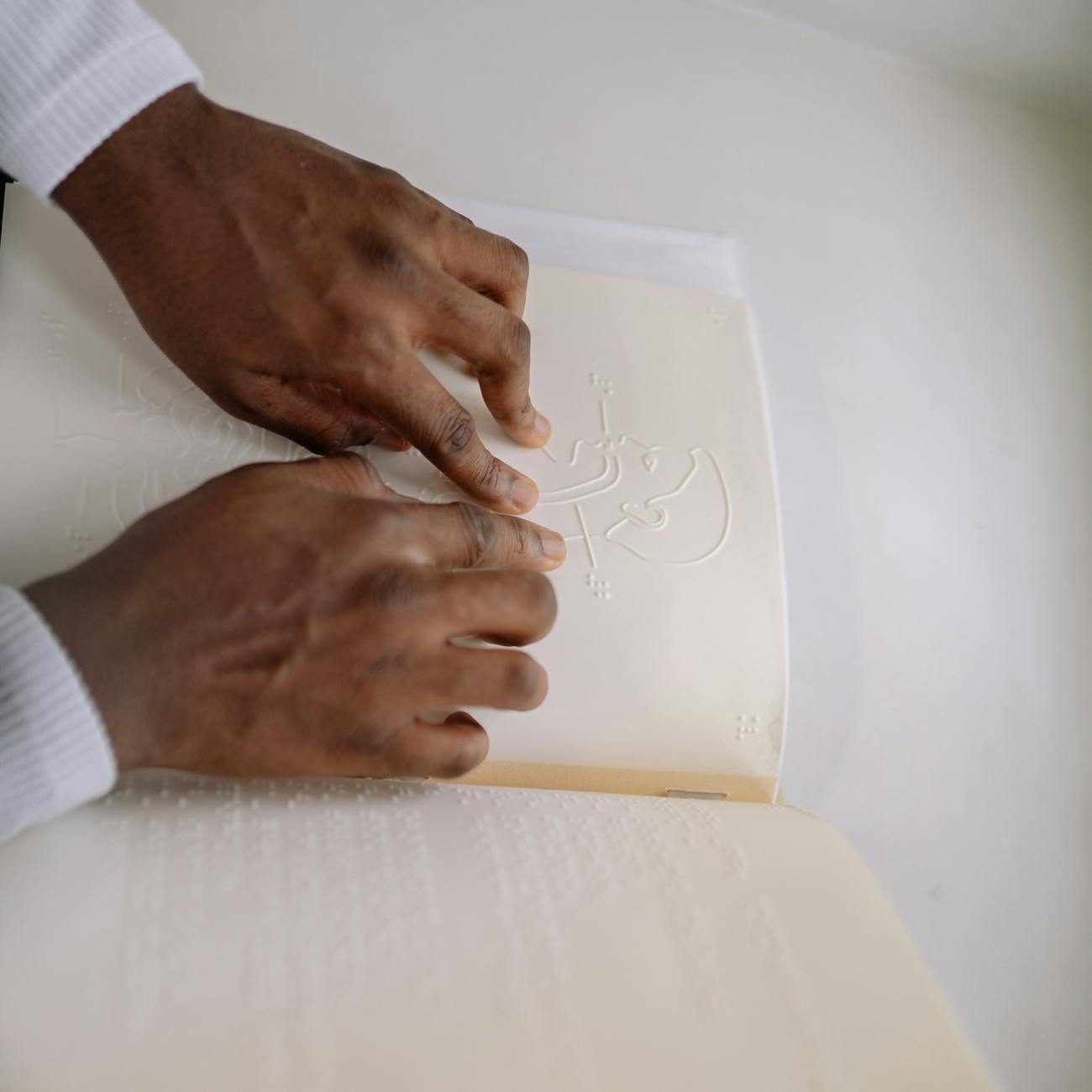
Creating Inclusive Environments Glossary #
Creating Inclusive Environments Glossary
Accessibility #
The design of products, devices, services, or environments for people with disabilities or special needs to ensure they can access, use, and benefit from them. This can include physical access, digital access, and communication access.
Accommodation #
Adjustments or modifications made to the environment, tasks, or procedures to enable individuals with disabilities to participate fully and equally in activities. This may include providing assistive technology, changing the physical layout, or altering communication methods.
Advocacy #
The act of supporting or promoting the rights, needs, and interests of individuals or groups who may face discrimination or barriers to inclusion. Advocates work to ensure equitable treatment and access to resources for all.
Allyship #
The practice of actively supporting and advocating for individuals or groups who are marginalized or disadvantaged. Allies use their privilege to amplify the voices of others and work towards creating a more inclusive society.
Assistive Technology #
Devices, tools, or software designed to help individuals with disabilities perform tasks, improve their independence, and access information. This can include screen readers, hearing aids, mobility aids, and communication devices.
Autism Spectrum Disorder (ASD) #
A developmental disorder that affects communication, social interaction, and behavior. Individuals with ASD may have difficulty understanding social cues, expressing emotions, and engaging in typical activities.
Bias #
Prejudice or stereotypes that influence our attitudes, behaviors, and decisions. Bias can be conscious or unconscious and may lead to discrimination or exclusion of certain individuals or groups.
Communication Access #
Ensuring that information is presented in a way that is understandable and accessible to all individuals, regardless of their abilities. This may involve using plain language, providing alternative formats, or using visual aids.
Community Engagement #
Involving individuals, organizations, and stakeholders in decision-making processes, planning, and activities that impact their lives. Community engagement fosters collaboration, empowerment, and inclusivity.
Cultural Competence #
The ability to interact effectively with people from different cultural backgrounds, understanding and respecting their beliefs, values, and practices. Cultural competence is essential for creating inclusive environments and promoting diversity.
Disability #
A physical, cognitive, sensory, or developmental impairment that may limit a person's ability to perform certain tasks or participate in activities. Disabilities can be temporary or permanent and may require accommodations for full inclusion.
Diversity #
The presence of a wide range of identities, backgrounds, and perspectives within a group or community. Diversity encompasses differences in race, ethnicity, gender, sexual orientation, age, ability, and more.
Empathy #
The ability to understand and share the feelings of others, putting oneself in someone else's shoes and seeing the world from their perspective. Empathy fosters connection, compassion, and mutual understanding.
Equity #
Fairness and impartiality in treatment, access to resources, and opportunities for all individuals, regardless of their background or circumstances. Equity aims to address systemic inequalities and create a level playing field.
Gender Identity #
A person's internal sense of their own gender, which may or may not align with the sex they were assigned at birth. Gender identity is separate from biological sex and can be fluid or non-binary.
Inclusion #
The practice of ensuring that all individuals are valued, respected, and included in decision-making processes, activities, and communities. Inclusion promotes diversity, equity, and belonging for everyone.
Inclusive Communication #
Communication that is accessible, respectful, and responsive to the needs of diverse audiences. Inclusive communication considers different learning styles, languages, abilities, and preferences to ensure effective and inclusive interactions.
Intersectionality #
The interconnected nature of social categorizations such as race, gender, sexuality, and disability, which can create overlapping systems of discrimination and disadvantage. Intersectionality acknowledges that individuals may face multiple forms of oppression based on their intersecting identities.
LGBTQ+ #
An acronym that stands for lesbian, gay, bisexual, transgender, queer, and other identities that fall under the umbrella of sexual and gender diversity. LGBTQ+ individuals may face discrimination or exclusion based on their sexual orientation or gender identity.
Marginalization #
The process of relegating individuals or groups to a lower or less important position within society, often due to discrimination, prejudice, or systemic barriers. Marginalized groups may face limited access to resources, opportunities, and rights.
Neurodiversity #
The recognition and acceptance of individual differences in neurological functioning, including autism, ADHD, dyslexia, and other conditions. Neurodiversity challenges the idea of "normal" and promotes the value of diverse ways of thinking and processing information.
Nonverbal Communication #
Communication that occurs without the use of words, including gestures, facial expressions, body language, and vocal tone. Nonverbal communication can convey emotions, intentions, and attitudes in addition to verbal messages.
Privilege #
Unearned advantages or benefits that individuals may have based on their social identity, such as race, gender, or socioeconomic status. Privilege can provide greater access to resources, opportunities, and power in society.
Reasonable Accommodation #
Modifications or adjustments made to the environment, policies, or practices to accommodate the needs of individuals with disabilities. Reasonable accommodations are required by law to ensure equal access and participation.
Social Justice #
The pursuit of fairness, equality, and human rights for all individuals, especially those who are marginalized or disadvantaged. Social justice aims to address systemic injustices and create a more equitable society for everyone.
Universal Design #
The design of products, environments, and services that are accessible and usable by all people, regardless of their age, ability, or status. Universal design aims to create inclusive spaces that accommodate diverse needs and preferences.
Unconscious Bias #
Prejudices or stereotypes that affect our attitudes, beliefs, and behaviors without our conscious awareness. Unconscious bias can lead to unintentional discrimination or exclusion of certain individuals or groups.
Visible Disability #
Disabilities that are apparent or noticeable to others through physical characteristics, mobility aids, or behaviors. Visible disabilities may include physical disabilities, sensory impairments, or chronic health conditions that are readily observable.
Workplace Inclusion #
The practice of creating a work environment that values and respects the diverse identities, backgrounds, and perspectives of employees. Workplace inclusion promotes collaboration, innovation, and employee well-being.