
Introduction to Aggregates
Expert-defined terms from the Certified Professional Course in Types of Aggregates course at London School of Business and Administration. Free to read, free to share, paired with a professional course.
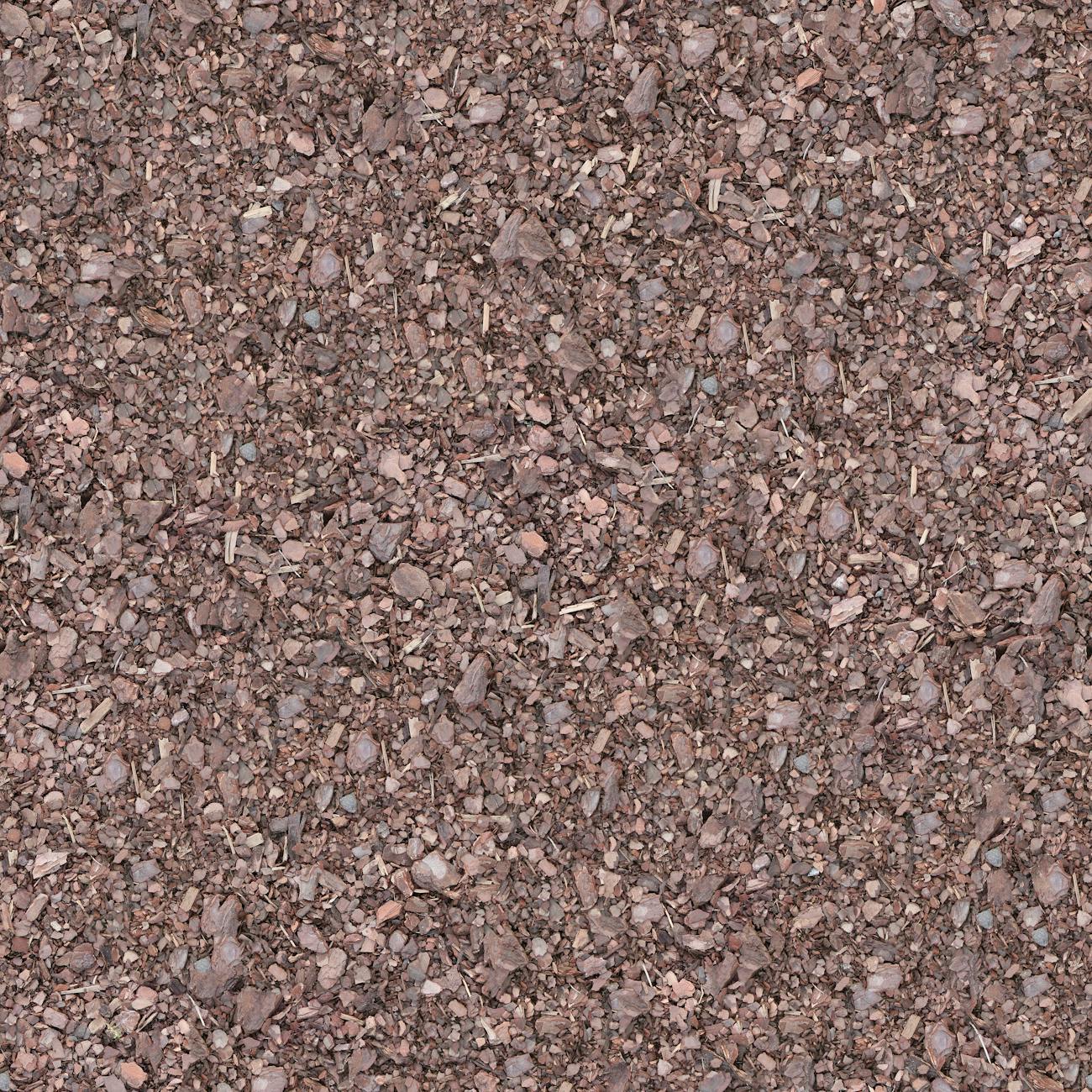
Introduction to Aggregates #
Introduction to Aggregates
Aggregates are a fundamental component in construction and civil engineering pro… #
Understanding the different types of aggregates, their properties, and uses is crucial for professionals in the construction industry. This glossary aims to provide a comprehensive overview of key terminologies related to aggregates as part of the Certified Professional Course in Types of Aggregates.
A #
A
Aggregate #
Aggregate
An aggregate is a granular material used in construction, typically composed of… #
Aggregates are mixed with cement and water to create concrete, serving as a filler to enhance the overall strength and durability of the construction material.
Aggregates #
Aggregates
Aggregates refer to a collection of particles that are bound together to form a… #
These particles can vary in size and composition, including natural materials like sand, gravel, and crushed stone, as well as recycled materials such as recycled concrete or asphalt.
Aggregate Base #
Aggregate Base
Aggregate base is a layer of material laid down on a subgrade to provide a stabl… #
It typically consists of crushed stone, gravel, or recycled materials compacted to achieve the desired strength and load-bearing capacity.
B #
B
Ballast #
Ballast
Ballast is a type of coarse aggregate used in railway tracks to provide stabilit… #
It helps distribute the weight of the trains and prevents the rails from shifting or sinking into the ground.
Bulk Density #
Bulk Density
Bulk density refers to the mass of an aggregate per unit volume, including the v… #
It is typically expressed in kilograms per cubic meter (kg/m3) and is used to calculate the volume of aggregates required for a specific construction project.
C #
C
Coarse Aggregate #
Coarse Aggregate
Coarse aggregate is a type of aggregate with larger particle sizes, typically ra… #
75 mm to 38 mm in diameter. It is used in concrete mixes to provide strength, stability, and durability to the construction material.
Crushed Stone #
Crushed Stone
Crushed stone is a type of coarse aggregate produced by crushing large rocks or… #
It is commonly used in concrete mixes, road construction, and drainage systems due to its angular shape and high strength properties.
Cubical Particle #
Cubical Particle
A cubical particle refers to an aggregate particle with a cubic shape, character… #
Cubical particles are desirable in concrete mixes as they improve the workability, strength, and durability of the construction material.
D #
D
Density #
Density
Density is the mass of a material per unit volume, usually expressed in kilogram… #
The density of aggregates is a crucial factor in determining the weight and volume of concrete mixes, affecting the overall strength and durability of the construction material.
E #
E
Elongated Particle #
Elongated Particle
An elongated particle is an aggregate particle with a long and narrow shape, oft… #
Elongated particles can negatively impact the workability and strength of concrete mixes, leading to segregation and reduced durability.
F #
F
Fine Aggregate #
Fine Aggregate
Fine aggregate is a type of aggregate with smaller particle sizes, typically ran… #
075 mm to 4.75 mm in diameter. It is used in concrete mixes to fill in the voids between coarse aggregate particles and improve the workability and finish of the construction material.
G #
G
Gravel #
Gravel
Gravel is a type of coarse aggregate composed of rounded rock fragments ranging… #
It is commonly used in concrete mixes, road construction, and drainage systems due to its natural appearance and drainage properties.
I #
I
Impact Value #
Impact Value
Impact value is a measure of the toughness of aggregates against impact loads, t… #
Aggregates with low impact values are more resistant to sudden shocks and provide better durability in construction applications.
L #
L
Los Angeles Abrasion Test #
Los Angeles Abrasion Test
The Los Angeles Abrasion Test is a standard method used to assess the abrasion r… #
The test results help determine the quality and durability of aggregates for use in concrete mixes and road construction.
M #
M
Mix Design #
Mix Design
Mix design is the process of selecting the proportions of cement, aggregates, wa… #
It involves calculating the optimal combination of materials based on strength, workability, and durability requirements for a specific construction project.
N #
N
Normal Weight Aggregate #
Normal Weight Aggregate
Normal weight aggregate refers to aggregates with a density ranging from 2400 kg… #
Normal weight aggregates are commonly used in concrete mixes for structural applications due to their high strength and durability.
P #
P
Petrographic Analysis #
Petrographic Analysis
Petrographic analysis is a technique used to study the mineral composition, text… #
It helps identify the properties and characteristics of aggregates, such as mineralogy, porosity, and strength, to assess their suitability for specific construction applications.
Plastic Particle #
Plastic Particle
A plastic particle is an aggregate particle that deforms under pressure and lack… #
Plastic particles can negatively impact the workability and strength of concrete mixes, leading to segregation, bleeding, and reduced durability.
Porosity #
Porosity
Porosity refers to the volume of voids or open spaces within an aggregate materi… #
The porosity of aggregates influences the density, strength, and durability of concrete mixes, affecting the overall performance of the construction material.
R #
R
Recycled Aggregate #
Recycled Aggregate
Recycled aggregate is a sustainable alternative to natural aggregates produced f… #
It helps reduce waste, conserve natural resources, and lower carbon emissions in construction projects while maintaining the required strength and durability of concrete mixes.
S #
S
Sand #
Sand
Sand is a type of fine aggregate composed of small particles ranging from 0 #
075 mm to 4.75 mm in diameter. It is commonly used in concrete mixes, mortar, and plaster to fill in the voids between coarse aggregate particles and improve the workability and finish of the construction material.
Sieve Analysis #
Sieve Analysis
Sieve analysis is a method used to determine the particle size distribution of a… #
The results help classify aggregates into different size fractions and ensure they meet the specified grading requirements for concrete mixes and construction applications.
Specific Gravity #
Specific Gravity
Specific gravity is the ratio of the density of a material to the density of wat… #
It is used to determine the relative density of aggregates and assess their quality, absorption capacity, and porosity for use in concrete mixes and construction projects.
Surface Texture #
Surface Texture
Surface texture refers to the roughness or smoothness of aggregate particles, in… #
The surface texture of aggregates affects the workability, bond strength, and finish of concrete mixes, impacting the overall quality and appearance of the construction material.
T #
T
Toughness #
Toughness
Toughness is the ability of aggregates to resist impact loads and deformations w… #
Tough aggregates provide better durability and strength in concrete mixes, enhancing the overall performance and lifespan of construction materials in various applications.
U #
U
Unit Weight #
Unit Weight
Unit weight refers to the weight of a material per unit volume, typically expres… #
The unit weight of aggregates is essential for calculating the volume, mass, and density of concrete mixes, ensuring proper proportioning and performance in construction applications.
W #
W
Water Absorption #
Water Absorption
Water absorption is the ability of aggregates to absorb moisture when immersed i… #
The water absorption of aggregates affects the workability, durability, and strength of concrete mixes, influencing the overall performance and quality of construction materials.