
Data Analytics and Reporting
Expert-defined terms from the Certified Professional in Employee Benefits in a Global Context course at London School of Business and Administration. Free to read, free to share, paired with a professional course.
Data Analytics and Reporting #
Data Analytics and Reporting
Data analytics and reporting is a crucial aspect of employee benefits management #
It involves the process of collecting, analyzing, and interpreting data to gain insights into employee benefits programs, costs, utilization, and trends. This information is then used to make strategic decisions, improve benefits offerings, and optimize costs.
Key Concepts #
1. Data Collection #
The process of gathering raw data from various sources such as HR systems, payroll records, insurance providers, and employee surveys.
2. Data Analysis #
The process of examining data using statistical and analytical tools to uncover patterns, trends, and correlations.
3. Data Interpretation #
The process of making sense of the analyzed data and extracting meaningful insights that can inform decision-making.
4. Reporting #
The process of presenting the analyzed data and insights in a clear and understandable format, often in the form of reports, dashboards, or visualizations.
5. Business Intelligence #
The use of data analytics and reporting tools to support strategic decision-making and improve business performance.
6. Key Performance Indicators (KPIs) #
Quantifiable metrics that are used to evaluate the effectiveness of employee benefits programs and track progress towards organizational goals.
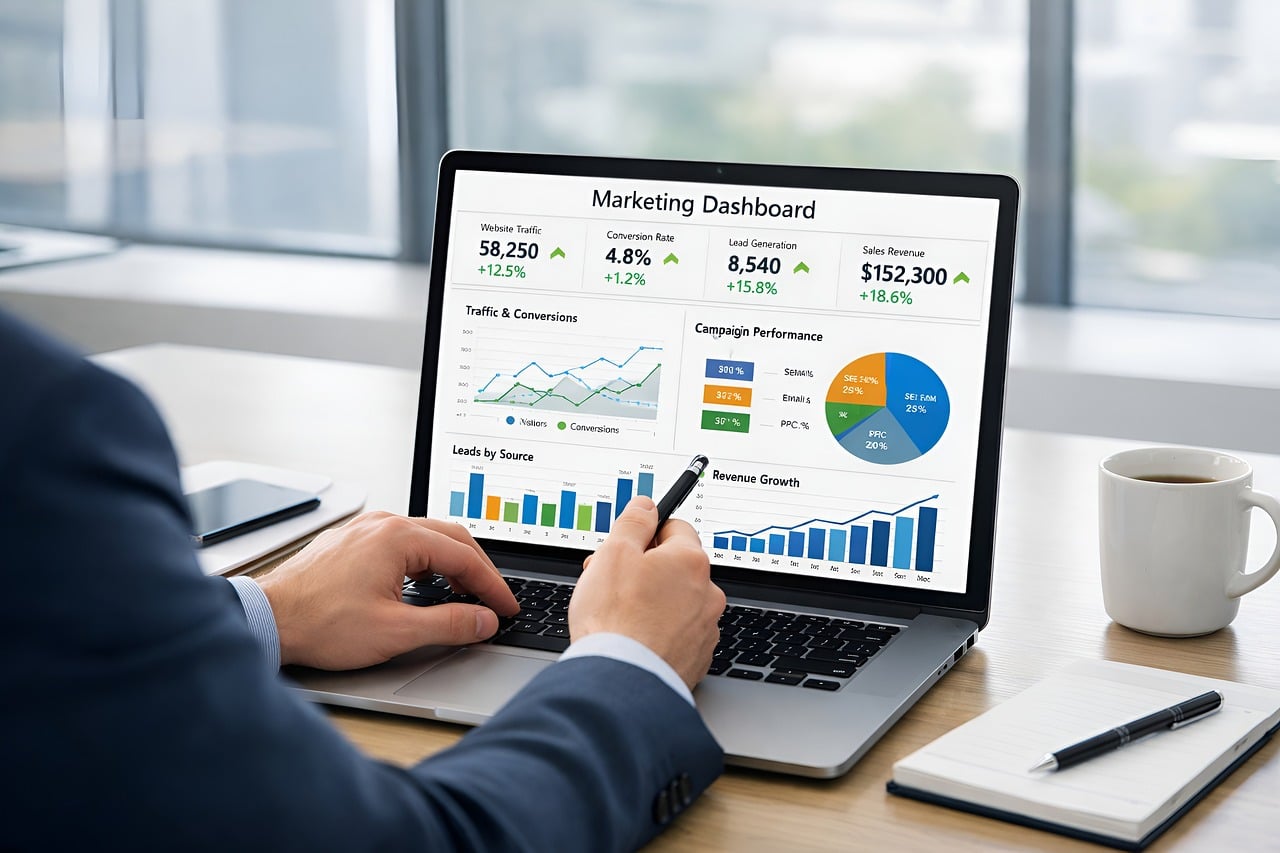
7. Dashboard #
A visual representation of key metrics and performance indicators that provides a snapshot of the overall health of employee benefits programs.
8. Data Visualization #
The graphical representation of data to communicate information clearly and effectively, often using charts, graphs, and infographics.
9. Predictive Analytics #
The use of historical data and statistical algorithms to forecast future trends and outcomes, helping organizations make proactive decisions.
10. Cost #
Benefit Analysis: The process of evaluating the costs and benefits of different employee benefits programs to determine their overall value to the organization.
11. Benchmarking #
The process of comparing an organization's employee benefits programs and performance against industry standards or best practices to identify areas for improvement.
12. Compliance Reporting #
The process of ensuring that employee benefits programs comply with legal and regulatory requirements, including reporting to government agencies such as the IRS or Department of Labor.
Challenges #
1. Data Quality #
Ensuring that the data collected is accurate, complete, and reliable to produce meaningful insights.
2. Data Security #
Protecting sensitive employee information from unauthorized access, breaches, and cyber threats.
3. Data Integration #
Consolidating data from multiple sources and systems to create a unified view for analysis and reporting.
4. Interpreting Complexity #
Making sense of large volumes of data and complex relationships to extract relevant insights.
5. Changing Regulations #
Keeping up with evolving laws and regulations related to employee benefits that impact reporting requirements.
6. Resource Constraints #
Limited budget, time, and expertise to invest in advanced analytics tools and talent.
7. Resistance to Change #
Overcoming organizational inertia and cultural barriers to embrace data-driven decision-making.
8. Measuring Impact #
Demonstrating the value of data analytics and reporting in improving employee benefits programs and outcomes.
Practical Applications #
1 #
Analyzing employee benefits utilization data to identify trends and preferences that can inform the design of new programs or enhancements to existing ones.
2 #
Creating personalized benefits packages based on demographic data, employee feedback, and market trends to increase engagement and satisfaction.
3 #
Monitoring key performance indicators such as employee turnover rates, healthcare costs, and participation in wellness programs to assess the effectiveness of benefits strategies.
4 #
Using predictive analytics to forecast future healthcare costs, retirement savings needs, and other long-term liabilities to inform budget planning and risk management.
5 #
Benchmarking employee benefits offerings against industry peers to identify opportunities for cost savings, competitive advantage, and employee retention.
6. Providing executives and stakeholders with real #
time dashboards and reports on the performance and ROI of employee benefits programs to support strategic decision-making.
1 #
Data Management
2 #
Business Analytics
3 #
HR Analytics
4 #
Benefits Administration
5 #
Health and Wellness Programs
6 #
Retirement Planning
7 #
Compensation and Rewards
8. Data #
driven Decision Making
9 #
People Analytics
10 #
Performance Management
In conclusion, data analytics and reporting play a vital role in managing employ… #
By leveraging data to gain insights, organizations can make informed decisions, optimize costs, and improve the overall well-being and satisfaction of their workforce. It is essential for HR professionals to develop expertise in data analytics and reporting to stay competitive in today's rapidly evolving business landscape.