
Building structure maintenance
Expert-defined terms from the Advanced Certificate in Hotel Property Maintenance course at London School of Business and Administration. Free to read, free to share, paired with a professional course.
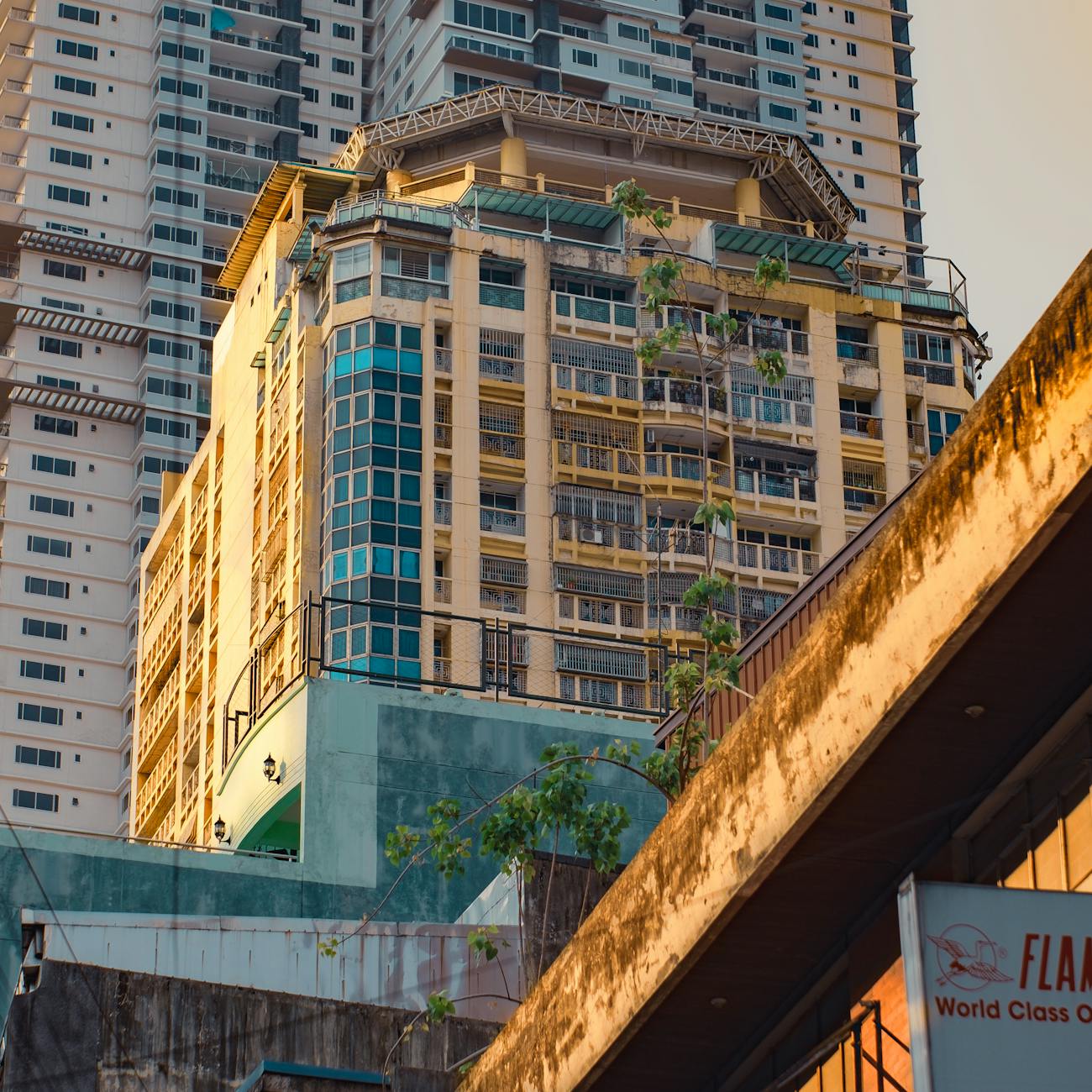
Building Structure Maintenance #
Building Structure Maintenance
Building structure maintenance refers to the ongoing process of inspecting, repa… #
This includes the foundation, walls, floors, roof, and other structural elements that support the building. Proper maintenance is essential to ensure the safety, longevity, and functionality of a building.
Key Concepts #
- Preventive Maintenance: Regular inspections and maintenance tasks perfo… #
This includes tasks such as checking for water leaks, inspecting for cracks in walls or floors, and ensuring proper drainage systems are in place.
- Cyclical Maintenance: Planned maintenance tasks that are carried out on… #
This may include tasks such as repainting exterior walls, resealing windows, or replacing worn-out roofing materials.
- Reactive Maintenance: Emergency repairs that are performed in response… #
This type of maintenance is often more costly and disruptive than preventive or cyclical maintenance.
- Life Cycle Costing: A method used to determine the total cost of owning… #
This includes initial construction costs, ongoing maintenance costs, and eventual replacement or renovation costs.
- Facility Management: The overall management of buildings, facilities, a… #
This includes maintenance, repairs, security, cleaning, and other services necessary to keep a building running smoothly.
- Building Codes: Regulations and standards set by local authorities that… #
Compliance with building codes is essential to ensure the safety and integrity of a building.
- Asset Management: The process of managing a building or property as an… #
This includes strategic planning, budgeting, and decision-making related to maintenance and upgrades.
Examples #
- Regularly inspecting a building's foundation for cracks or signs of settlement… #
- Regularly inspecting a building's foundation for cracks or signs of settlement can help prevent structural issues before they become serious problems.
- Performing routine maintenance on a building's roof, such as clearing debris a… #
- Performing routine maintenance on a building's roof, such as clearing debris and checking for leaks, can extend the lifespan of the roofing materials and prevent water damage.
- Responding quickly to a plumbing leak or electrical problem can help minimize… #
- Responding quickly to a plumbing leak or electrical problem can help minimize the impact on a building's structure and prevent further damage.
Practical Applications #
- Developing a comprehensive maintenance schedule that includes regular inspecti… #
- Developing a comprehensive maintenance schedule that includes regular inspections, preventive maintenance tasks, and cyclical repairs can help ensure the long-term health of a building's structure.
- Implementing a computerized maintenance management system (CMMS) can help stre… #
- Implementing a computerized maintenance management system (CMMS) can help streamline the maintenance process by tracking work orders, scheduling tasks, and recording maintenance history.
- Training maintenance staff on best practices for building structure maintenanc… #
- Training maintenance staff on best practices for building structure maintenance, such as proper safety procedures and techniques for repairing common structural issues, can help improve efficiency and effectiveness.
Challenges #
- Balancing the need for routine maintenance with budget constraints can be a ch… #
Prioritizing maintenance tasks based on their impact on the building's structure and safety is essential.
- Keeping up with changing building codes and regulations can be challenging, es… #
Staying informed about updates to building codes and seeking guidance from experts can help ensure compliance.
- Managing reactive maintenance requests and emergencies can be stressful and ti… #
Having a plan in place for responding to urgent issues, such as establishing emergency contacts and procedures, can help minimize disruptions and prevent further damage to a building's structure.