
Energy markets and pricing
Expert-defined terms from the Professional Certificate in Petroleum Economics course at London School of Business and Administration. Free to read, free to share, paired with a professional course.
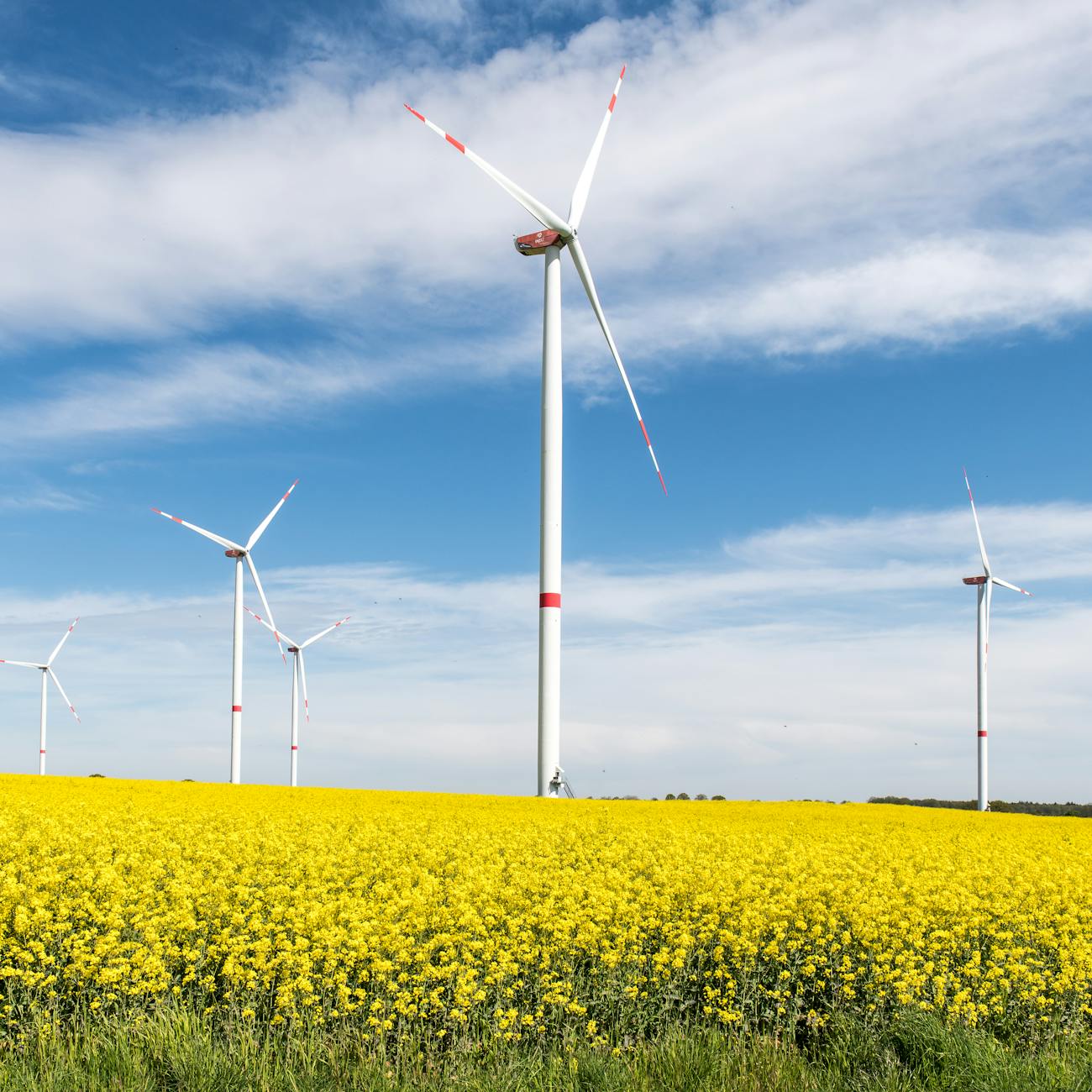
Energy Markets and Pricing Glossary #
Energy Markets and Pricing Glossary
1. Arbitrage #
Arbitrage refers to the practice of simultaneously buying and selling assets in… #
In the context of energy markets, arbitrage involves exploiting price differentials between different geographical locations or time periods. For example, a trader may purchase electricity in a region where prices are low and sell it in a region where prices are high to make a profit.
2. Backwardation #
Backwardation is a situation in which the spot price of a commodity is higher th… #
This typically occurs when there is an immediate shortage of the commodity, leading to higher prices in the spot market. In energy markets, backwardation can indicate tight supply conditions or expectations of future price declines.
3. Base Load #
Base load refers to the minimum level of electricity demand that must be consist… #
Power plants that operate continuously to meet this demand are known as base load power plants. These plants typically have low operating costs but may not be able to adjust their output quickly in response to changes in demand.
4. Brent Crude #
Brent Crude is a benchmark crude oil used to price two #
thirds of the world's internationally traded crude oil supplies. It is extracted from the North Sea and is known for its relatively light and sweet characteristics. Brent Crude prices are widely watched in the energy markets as an indicator of global oil price trends.
5. Cap and Trade #
Cap and trade is a regulatory system designed to limit emissions of pollutants b… #
In the context of energy markets, cap and trade programs are often used to reduce greenhouse gas emissions by putting a price on carbon.
6. Contango #
Contango is the opposite of backwardation and refers to a situation in which the… #
This typically occurs when there is an oversupply of the commodity, leading to lower spot prices. In energy markets, contango can indicate expectations of future price increases.
7. Crude Oil #
Crude oil is a naturally occurring fossil fuel that is extracted from the earth… #
It is one of the most widely traded commodities in the world and serves as a key input in many industries, including transportation, manufacturing, and energy production.
8. Demand Response #
Demand response is a strategy used to manage electricity consumption by incentiv… #
This helps to balance supply and demand on the grid and can reduce the need for expensive peaking power plants.
9. Derivative #
A derivative is a financial instrument whose value is derived from an underlying… #
In energy markets, derivatives are commonly used to hedge against price fluctuations in commodities such as crude oil, natural gas, and electricity. Examples of energy derivatives include futures, options, and swaps.
10. Energy Exchange #
An energy exchange is a centralized marketplace where buyers and sellers can tra… #
These exchanges provide transparency, liquidity, and price discovery for energy markets, helping to facilitate efficient trading and risk management.
11. Energy Futures #
Energy futures are standardized contracts that obligate the buyer to purchase a… #
Futures contracts are commonly used in energy markets to hedge against price risk and speculate on future price movements. Examples of energy futures include crude oil futures and natural gas futures.
12. Energy Options #
Energy options are financial contracts that give the holder the right, but not t… #
Options are commonly used in energy markets to manage price risk, provide flexibility, and speculate on future price movements.
13. Energy Prices #
Energy prices refer to the cost of purchasing energy commodities such as crude o… #
These prices are influenced by a variety of factors, including supply and demand dynamics, geopolitical events, weather conditions, and regulatory policies. Energy prices play a crucial role in shaping investment decisions, economic growth, and consumer behavior.
14. Energy Risk Management #
Energy risk management is the process of identifying, assessing, and mitigating… #
This includes managing risks related to price volatility, supply disruptions, regulatory changes, and geopolitical events. Effective risk management strategies can help energy companies protect their bottom line and enhance their competitiveness.
15. Energy Trading #
Energy trading involves buying, selling, and speculating on energy commodities s… #
Traders in energy markets seek to profit from price movements by taking positions in futures, options, swaps, and other derivative instruments. Energy trading plays a crucial role in ensuring efficient price discovery and liquidity in energy markets.
16. Forward Contract #
A forward contract is a customized agreement between two parties to buy or sell… #
Forward contracts are commonly used in energy markets to lock in prices for future delivery of commodities such as crude oil, natural gas, and electricity.
17. Fuel Hedging #
Fuel hedging is a risk management strategy used by airlines, shipping companies,… #
By entering into hedging contracts, companies can lock in prices for jet fuel, diesel, and other fuels, reducing their exposure to fluctuations in energy prices.
18. Geopolitical Risk #
Geopolitical risk refers to the potential impact of political, social, and econo… #
Factors such as conflicts, sanctions, trade disputes, and regulatory changes can introduce uncertainty and volatility into energy markets, affecting supply chains, investments, and energy security.
19. Hedging Strategy #
A hedging strategy is a risk management technique used to protect against advers… #
In energy markets, hedging strategies involve using derivative instruments such as futures, options, and swaps to offset the impact of price fluctuations on energy portfolios. Hedging can help energy companies reduce their exposure to market risks and stabilize their revenues.
20. Market Clearing Price #
The market clearing price is the price at which the quantity of a commodity supp… #
In energy markets, the market clearing price is determined through the interaction of supply and demand forces, reflecting the marginal cost of production and the value of the commodity to consumers.
21. Natural Gas #
Natural gas is a versatile fossil fuel that is used for heating, cooking, electr… #
It is composed mainly of methane and is extracted from underground reservoirs through drilling and production techniques. Natural gas prices are influenced by factors such as supply and demand dynamics, weather conditions, and geopolitical events.
22. OPEC #
The Organization of the Petroleum Exporting Countries (OPEC) is a cartel of 13 m… #
OPEC member countries account for a significant share of the world's oil reserves and production, giving them considerable influence over oil prices and market dynamics.
23. Peak Load #
Peak load refers to the maximum level of electricity demand that occurs on the g… #
Power plants that are used to meet peak demand are known as peaking power plants and are designed to be dispatched quickly to provide additional capacity during periods of high demand.
24. Price Discovery #
Price discovery is the process by which market participants determine the fair m… #
In energy markets, price discovery mechanisms such as auctions, exchanges, and over-the-counter trading help establish transparent and efficient prices for commodities like crude oil, natural gas, and electricity.
25. Renewable Energy #
Renewable energy is energy derived from natural resources that are replenished o… #
Renewable energy sources are considered environmentally friendly and sustainable alternatives to fossil fuels, helping to reduce greenhouse gas emissions and combat climate change. Examples of renewable energy technologies include solar panels, wind turbines, and hydroelectric dams.
27. Spot Market #
The spot market is where commodities are bought and sold for immediate delivery… #
In energy markets, the spot market allows participants to trade electricity, natural gas, and other energy products at current market prices. Spot prices are influenced by factors such as supply and demand conditions, weather patterns, infrastructure constraints, and regulatory policies.
28. Storage Strategy #
A storage strategy is a risk management approach used by energy companies to sto… #
By storing energy commodities in tanks, pipelines, or underground facilities, companies can take advantage of price differentials between current and future periods, manage supply-demand imbalances, and hedge against price fluctuations.
29. Supply Chain Management #
Supply chain management involves overseeing the flow of goods and services from… #
In the energy industry, supply chain management is critical for ensuring the reliable and cost-effective delivery of energy commodities such as crude oil, natural gas, and electricity. Effective supply chain management practices help energy companies optimize their operations, reduce costs, and enhance customer satisfaction.
30. Trading Platform #
A trading platform is an electronic marketplace where buyers and sellers can exe… #
In energy markets, trading platforms provide a secure and efficient environment for participants to buy and sell energy products, manage risks, and access market data. Examples of energy trading platforms include exchanges, brokerages, and electronic trading systems.
31. Unconventional Oil and Gas #
Unconventional oil and gas refer to hydrocarbon resources that are extracted usi… #
Examples of unconventional oil and gas resources include shale oil, tight oil, coalbed methane, and shale gas. The development of unconventional resources has transformed global energy markets and contributed to the growth of the oil and gas industry.
32. Volatility Index #
A volatility index is a measure of the expected price fluctuations or risk assoc… #
In energy markets, volatility indexes are used to gauge the level of uncertainty and potential price swings in commodities like crude oil, natural gas, and electricity. High volatility indexes indicate higher levels of market risk and uncertainty, while low volatility indexes suggest stability and predictability.
33. WTI Crude #
West Texas Intermediate (WTI) crude is a benchmark grade of crude oil that is us… #
WTI crude is known for its high quality and low sulfur content, making it a popular choice for refining into gasoline and diesel. WTI crude prices are closely monitored by traders, analysts, and policymakers as an indicator of U.S. oil market trends.
34. Yield Curve #
A yield curve is a graphical representation of interest rates on financial instr… #
In energy markets, yield curves are used to analyze the relationship between spot prices, forward prices, and storage costs for commodities like crude oil and natural gas. Yield curves help market participants understand market expectations, pricing dynamics, and risk management strategies.
35. Zero #
Sum Game:
A zero #
sum game is a situation in which one participant's gain is exactly balanced by another participant's loss. In energy markets, trading activities are often viewed as zero-sum games, where profits made by one trader are offset by losses incurred by another trader. Zero-sum games highlight the competitive nature of energy trading and the importance of risk management, strategy development, and market analysis in generating positive returns.
36. Energy Transition #
The energy transition refers to the global shift from fossil fuels to renewable… #
The energy transition involves a fundamental transformation of the energy system, including changes in energy production, consumption, infrastructure, and policies. Key drivers of the energy transition include technological innovations, environmental concerns, energy security, and regulatory frameworks.
37. Energy Security #
Energy security refers to the reliable and affordable access to energy resources… #
Ensuring energy security involves diversifying energy sources, enhancing energy efficiency, investing in infrastructure, and mitigating risks related to supply disruptions, price volatility, and geopolitical tensions. Energy security is a critical priority for governments, industry stakeholders, and consumers around the world.
38. Carbon Pricing #
Carbon pricing is a policy mechanism that puts a price on carbon emissions to in… #
Carbon pricing can take the form of a carbon tax or a cap-and-trade system, where companies must pay for the carbon dioxide they emit. By internalizing the social cost of carbon, carbon pricing helps to promote cleaner energy technologies, reduce emissions, and address climate change.
39. Energy Poverty #
Energy poverty refers to the lack of access to modern energy services, such as e… #
Energy poverty affects billions of people around the world, particularly in developing countries, and can lead to health problems, economic hardship, and social inequality. Addressing energy poverty requires investments in energy infrastructure, renewable energy projects, and energy efficiency programs.
40. Energy Efficiency #
Energy efficiency refers to the use of less energy to provide the same level of… #
Improving energy efficiency can help reduce energy consumption, lower greenhouse gas emissions, and save money on energy bills. Energy efficiency measures include upgrading building insulation, using energy-efficient appliances, adopting smart technologies, and optimizing industrial processes. Promoting energy efficiency is a key strategy for enhancing sustainability, reducing environmental impacts, and enhancing energy security.
41. Energy Independence #
Energy independence is the ability of a country or region to meet its energy nee… #
Achieving energy independence can enhance energy security, reduce vulnerability to supply disruptions, and promote economic self-sufficiency. Strategies for energy independence include developing domestic energy resources, diversifying energy supplies, investing in renewable energy technologies, and improving energy efficiency.
42. Energy Transition #
The energy transition refers to the global shift from fossil fuels to renewable… #
The energy transition involves a fundamental transformation of the energy system, including changes in energy production, consumption, infrastructure, and policies. Key drivers of the energy transition include technological innovations, environmental concerns, energy security, and regulatory frameworks.
43. Energy Security #
Energy security refers to the reliable and affordable access to energy resources… #
Ensuring energy security involves diversifying energy sources, enhancing energy efficiency, investing in infrastructure, and mitigating risks related to supply disruptions, price volatility, and geopolitical tensions. Energy security is a critical priority for governments, industry stakeholders, and consumers around the world.
44. Carbon Pricing #
Carbon pricing is a policy mechanism that puts a price on carbon emissions to in… #
Carbon pricing can take the form of a carbon tax or a cap-and-trade system, where companies must pay for the carbon dioxide they emit. By internalizing the social cost of carbon, carbon pricing helps to promote cleaner energy technologies, reduce emissions, and address climate change.
45. Energy Poverty #
Energy poverty refers to the lack of access to modern energy services, such as e… #
Energy poverty affects billions of people around the world, particularly in developing countries, and can lead to health problems, economic hardship, and social inequality. Addressing energy poverty requires investments in energy infrastructure, renewable energy projects, and energy efficiency programs.
46. Energy Efficiency #
Energy efficiency refers to the use of less energy to provide the same level of… #
Improving energy efficiency can help reduce energy consumption, lower greenhouse gas emissions, and save money on energy bills. Energy efficiency measures include upgrading building insulation, using energy-efficient appliances, adopting smart technologies, and optimizing industrial processes. Promoting energy efficiency is a key strategy for enhancing sustainability, reducing environmental impacts, and enhancing energy security.
47. Energy Independence #
Energy independence is the ability of a country or region to meet its energy nee… #
Achieving energy independence can enhance energy security, reduce vulnerability to supply disruptions, and promote economic self-sufficiency. Strategies for energy independence include developing domestic energy resources, diversifying energy supplies, investing in renewable energy technologies, and improving energy efficiency.
48. Energy Sovereignty #
Energy sovereignty refers to the right of nations to control and manage their ow… #
Energy sovereignty emphasizes local ownership, democratic decision-making, and social justice in energy governance, ensuring that communities have access to clean, affordable, and reliable energy services. Energy sovereignty is closely linked to environmental protection, social empowerment, and economic development.
49. Energy Market Regulation #
Energy market regulation refers to the rules, policies, and institutions that go… #
Regulatory frameworks for energy markets vary by country and region, encompassing areas such as market structure, pricing mechanisms, grid access, emissions standards, and renewable energy incentives. Effective energy market regulation is essential for promoting efficiency, transparency, and innovation in the energy sector.
50. Energy Market Integration #
Energy market integration involves harmonizing energy policies, regulations, and… #
Integrated energy markets enable cross-border trade, enhance supply security, and promote competition, leading to lower prices, increased investments, and improved energy access. Examples of energy market integration initiatives include the European Union's internal energy market and regional transmission networks in North America.
51. Energy Market Liberalization #
Energy market liberalization refers to the process of opening up energy markets… #
Liberalized energy markets allow multiple suppliers to enter the market, set prices based on supply and demand, and