
Unit 6: Business Succession Planning in Islam
Expert-defined terms from the Advanced Certificate in Islamic Estate Planning and Wealth Management course at London School of Business and Administration. Free to read, free to share, paired with a professional course.
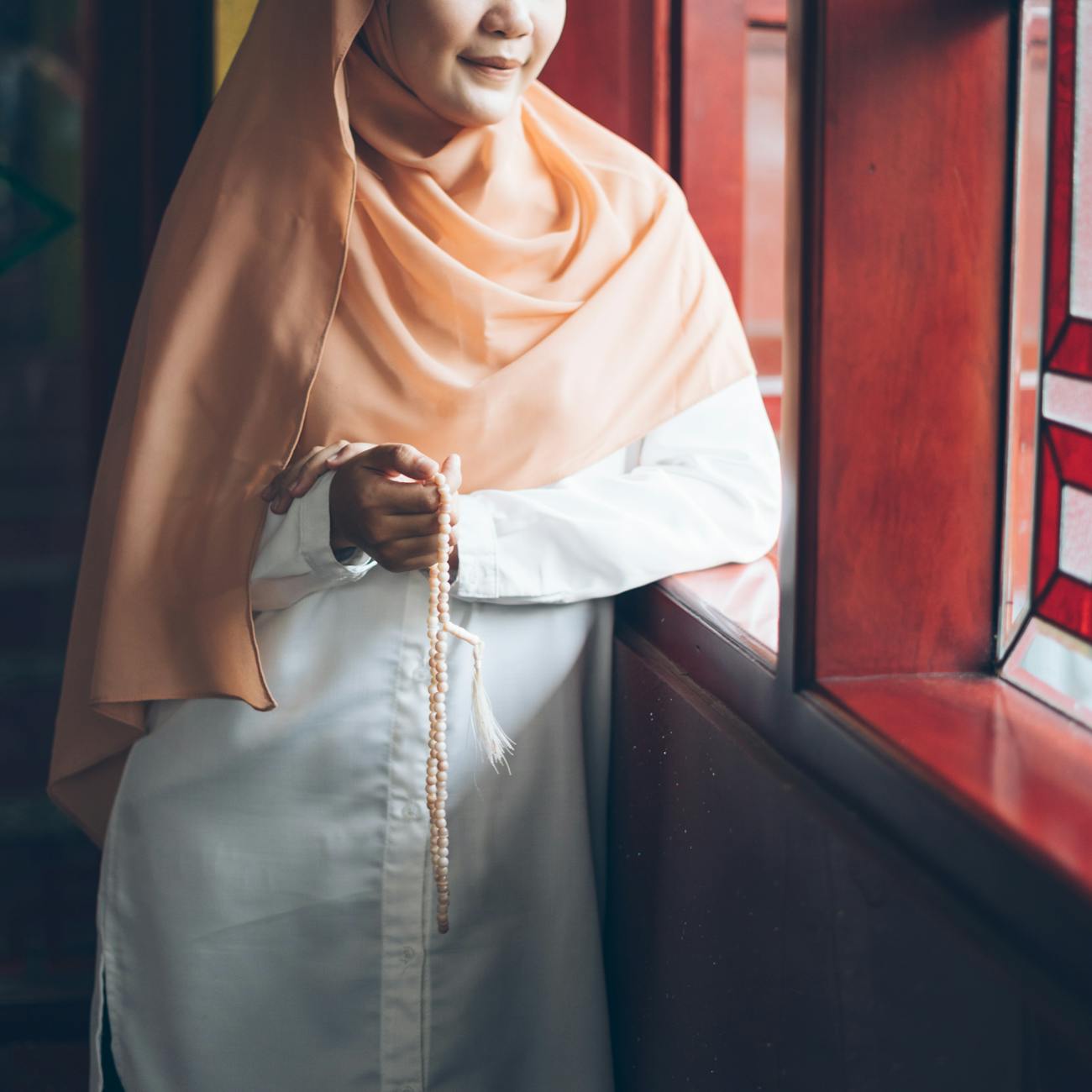
**Advanced Certificate in Islamic Estate Planning and Wealth Management, Unit 6 #
Business Succession Planning in Islam - Glossary**
*Al #
Wasiyya:* A wasiyyah is an Islamic will that allows a Muslim to distribute up to one-third of their estate to non-heirs. It is a crucial document that ensures one's wealth is distributed according to Islamic laws and provides for one's heirs and non-heirs.
*Business Succession Planning #
* A systematic process of planning for the smooth transfer of business ownership and management from one generation to the next, while ensuring continuity, minimizing taxes, and fulfilling Islamic legal requirements.
*Charitable Trust (Waqf) #
* A waqf is a charitable trust created by a Muslim for the benefit of a specific cause, such as a mosque, school, or hospital. It is a perpetual endowment, managed by a trustee, and is exempt from inheritance taxes.
*Estate Planning #
* A comprehensive process of arranging one's financial and legal affairs to ensure their assets are distributed according to their wishes, minimize taxes, and provide for their heirs.
*Family Business #
* A business owned and operated by a family, often passing down from one generation to the next. Family businesses account for a significant portion of global GDP and employment.
*Family Constitution #
* A formal agreement among family members that outlines the rules, roles, and responsibilities for running a family business. It sets guidelines for decision-making, communication, and conflict resolution.
*Heirs (Ward) #
* In Islamic law, heirs are individuals who inherit a deceased person's estate. They are divided into primary heirs (close relatives) and secondary heirs (distant relatives). Primary heirs have a fixed share of the estate, while secondary heirs receive the remainder.
*Islamic Estate Planning #
* A process that combines Islamic legal requirements, financial planning, and wealth management to ensure a Muslim's assets are distributed according to Islamic law, minimizing taxes and providing for their heirs.
*Islamic Inheritance Law (Faraid) #
* Islamic inheritance law, also known as faraid, outlines the distribution of a deceased person's estate according to Islamic law. It provides fixed shares for primary heirs, such as spouses, children, and parents.
*Islamic Will (Wasiyyah) #
* A wasiyyah is an Islamic will that permits a Muslim to distribute up to one-third of their estate to non-heirs. It is a critical document that ensures one's wealth is distributed according to Islamic laws and provides for one's heirs and non-heirs.
*Life Insurance #
* A financial instrument that provides a lump-sum payment to a beneficiary upon the death of the insured. It can be used as a tool for business succession planning, such as buying out a partner's share, or providing liquidity for estate taxes.
*Non #
heirs (Asabah):* In Islamic law, non-heirs are individuals who do not inherit a deceased person's estate. They may include friends, neighbors, or charitable organizations. A wasiyyah can be used to distribute up to one-third of an estate to non-heirs.
*Shariah Compliance #
* Compliance with Islamic law, also known as shariah, in financial and legal matters. It includes avoiding interest (riba), uncertainty (gharar), and unethical investments, such as those involving alcohol, pork, or gambling.
*Shariah Supervisory Board #
* A committee of Islamic scholars who oversee the compliance of a financial institution or product with Islamic law. They ensure that the institution or product adheres to shariah principles and is free from impermissible practices, such as interest and uncertainty.
*Trust (Waqf) #
* A waqf is a charitable trust created by a Muslim for the benefit of a specific cause, such as a mosque, school, or hospital. It is a perpetual endowment, managed by a trustee, and is exempt from inheritance taxes.
*Unit 6 #
Business Succession Planning in Islam:* The process of planning for the smooth transfer of business ownership and management from one generation to the next, while ensuring continuity, minimizing taxes, and fulfilling Islamic legal requirements.
*Wealth Management #
* A comprehensive approach to managing an individual's or family's financial assets, including investment, estate planning, tax planning, and charitable giving.
*Zakat #
* An obligatory charitable donation in Islam, calculated as 2.5% of a Muslim's wealth, above a certain threshold. It is one of the five pillars of Islam and is considered a form of worship. Zakat can be used to provide for the needy, support charitable causes, and promote social justice.