
Environmental Law in Construction
Expert-defined terms from the Professional Certificate in Construction Legal Compliance (United Kingdom) course at London School of Business and Administration. Free to read, free to share, paired with a professional course.
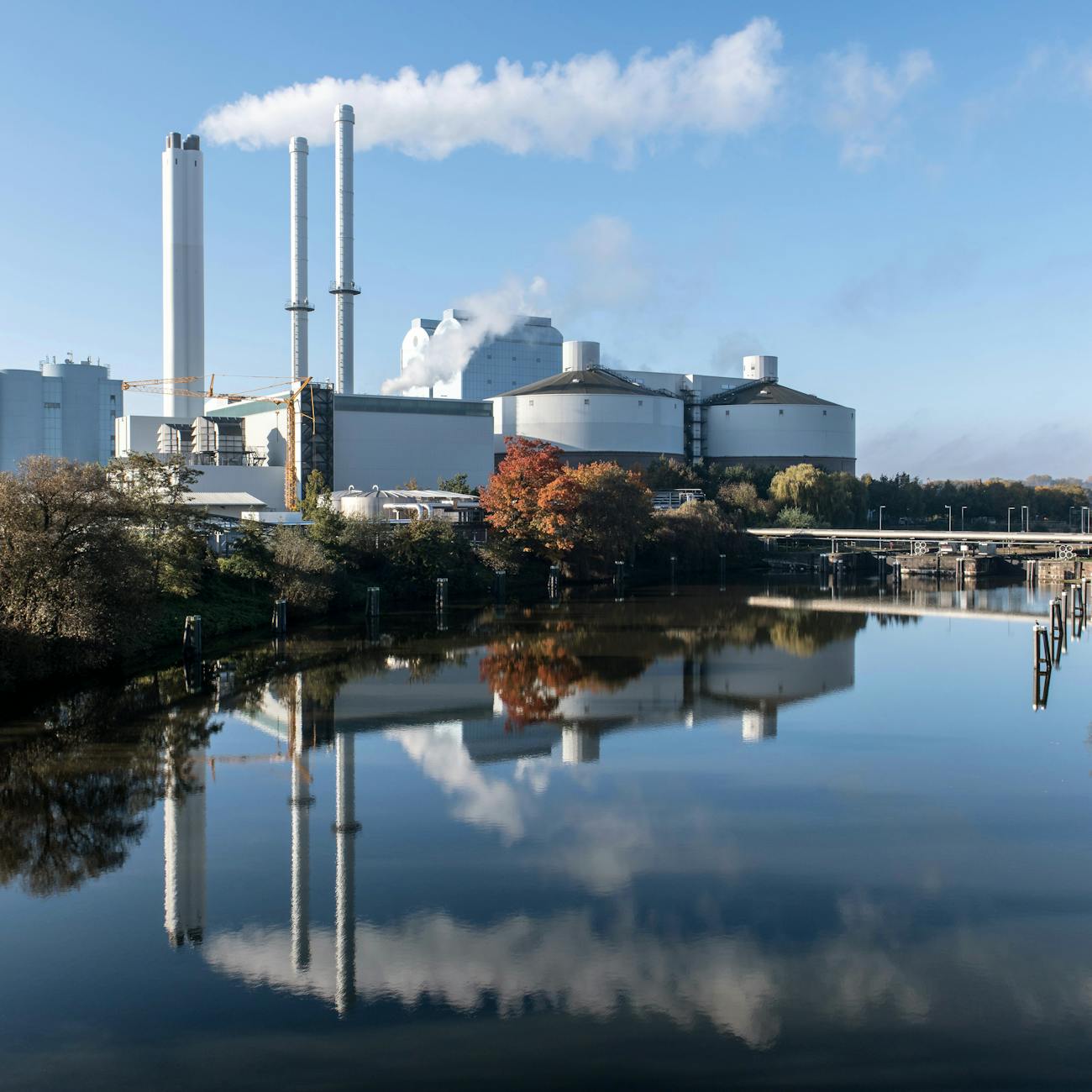
**Air Quality Neighborhoods (AQN)** #
**Air Quality Neighborhoods (AQN)**
Air Quality Neighborhoods (AQN) is a concept that aims to improve air quality in… #
AQNs involve creating compact, walkable communities with easy access to public transportation, green spaces, and other amenities, which can help reduce car dependency and air pollution. Local authorities in the UK play a crucial role in implementing AQNs by developing policies and regulations that promote sustainable neighborhood design and transportation.
**Biodiversity Net Gain (BNG)** #
**Biodiversity Net Gain (BNG)**
Biodiversity Net Gain (BNG) is a legal requirement in the UK that aims to leave… #
BNG requires developers to demonstrate that their projects will result in a net gain in biodiversity through measures such as habitat creation, restoration, and management. BNG is an essential component of environmental law in construction, as it helps protect and enhance the UK's biodiversity for future generations.
**Carbon Footprint** #
**Carbon Footprint**
Carbon footprint is a measure of the total amount of greenhouse gases (GHGs) emi… #
Carbon dioxide (CO2) is the most common GHG, contributing significantly to climate change. Reducing carbon footprints is essential for sustainability and meeting the UK's net-zero emissions target by 2050. Construction companies can reduce their carbon footprints by adopting sustainable practices, such as using low-carbon materials and reducing waste.
**Circular Economy** #
**Circular Economy**
A circular economy is an economic system that aims to eliminate waste and the co… #
It is a shift away from the traditional linear economy, which involves extracting raw materials, manufacturing products, and disposing of them as waste. In a circular economy, products are designed to be durable, reused, repaired, and recycled, creating a closed-loop system. Construction companies can contribute to a circular economy by adopting sustainable practices, such as using recycled materials and designing buildings for disassembly and reuse.
**Climate Change Adaptation (CCA)** #
**Climate Change Adaptation (CCA)**
Climate Change Adaptation (CCA) is the process of adjusting to the current and e… #
CCA involves assessing the risks and vulnerabilities of infrastructure, buildings, and communities and implementing measures to reduce those risks. Construction companies can contribute to CCA by designing and building resilient infrastructure and buildings that can withstand the impacts of climate change.
**Contaminated Land** #
**Contaminated Land**
Contaminated land refers to land that contains substances in concentrations abov… #
Contaminated land can result from historical land use, such as industrial activities, waste disposal, or chemical spills. Remediation involves removing or neutralizing the contaminants to reduce the risk. Construction companies must conduct risk assessments and take appropriate measures when developing contaminated land.
**Corporate Social Responsibility (CSR)** #
**Corporate Social Responsibility (CSR)**
Corporate Social Responsibility (CSR) is a self #
regulating business model that helps companies be socially accountable to themselves, their stakeholders, and the public. CSR involves adopting ethical practices and sustainable strategies that consider environmental, social, and economic impacts. Construction companies can demonstrate CSR by reducing their carbon footprint, promoting diversity and inclusion, and supporting local communities.
**Cradle to Cradle (C2C)** #
**Cradle to Cradle (C2C)**
Cradle to Cradle (C2C) is a design concept that aims to create products that can… #
Cradle to Cradle (C2C) is a design concept that aims to create products that can be reused or recycled