
Autonomous Systems in Military Defense
Expert-defined terms from the Professional Certificate in AI for Military Defense course at London School of Business and Administration. Free to read, free to share, paired with a professional course.
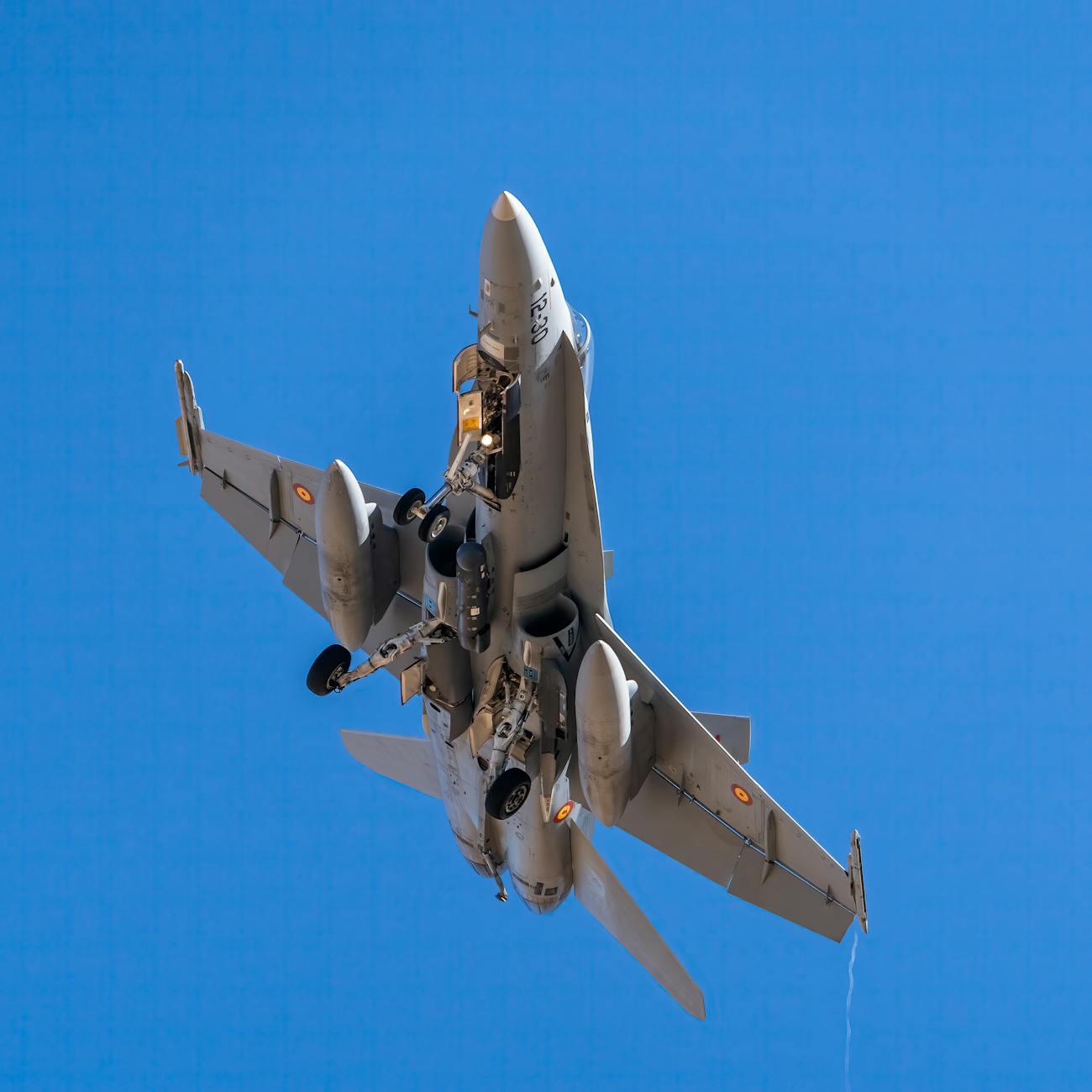
**Artificial Intelligence (AI)** #
**Artificial Intelligence (AI)**
Concept #
A branch of computer science that aims to create machines that mimic human intelligence, including learning, reasoning, and self-correction.
In the context of military defense, AI is used to develop autonomous systems tha… #
These tasks can include surveillance, reconnaissance, target identification, and even weapon deployment. AI algorithms can analyze vast amounts of data in real-time, allowing for faster and more accurate decision-making. However, the use of AI in military defense also raises ethical concerns, such as the potential for unintended consequences and the need for human oversight.
Example #
The use of AI-powered drones for border patrol and surveillance.
Practical application #
AI can help military personnel make quick and accurate decisions in high-pressure situations, such as combat zones.
Challenge #
Ensuring that AI systems are transparent, accountable, and free from bias is a significant challenge in military defense.
**Autonomous Systems** #
**Autonomous Systems**
Concept #
Systems that can perform tasks without human intervention, relying on sensors, processors, and actuators to interact with the environment.
Autonomous systems can be used in various military applications, such as surveil… #
These systems can operate in dangerous or inaccessible environments, reducing the risk to human life. However, the use of autonomous systems also raises ethical concerns, such as the potential for unintended consequences and the need for human oversight.
Example #
The use of autonomous underwater vehicles for mine detection and clearance.
Practical application #
Autonomous systems can perform repetitive or dangerous tasks, freeing up military personnel for other missions.
Challenge #
Developing autonomous systems that can operate in complex and unpredictable environments is a significant challenge.
**Computer Vision** #
**Computer Vision**
Concept #
A field of study that focuses on enabling computers to interpret and understand visual information from the world, such as images and videos.
In the context of military defense, computer vision is used to analyze visual da… #
Computer vision algorithms can identify objects, track movements, and detect patterns, providing valuable intelligence to military personnel. However, computer vision also raises ethical concerns, such as the potential for misuse and the need for human oversight.
Example #
The use of computer vision algorithms to analyze satellite images for military intelligence.
Practical application #
Computer vision can help military personnel quickly and accurately interpret visual data, improving situational awareness and decision-making.
Challenge #
Developing computer vision algorithms that can operate in real-world environments with varying lighting, weather, and other conditions is a significant challenge.
**Deep Learning** #
**Deep Learning**
Concept #
A subset of machine learning that uses artificial neural networks to model and solve complex problems.
Deep learning algorithms can analyze vast amounts of data, identify patterns, an… #
In the context of military defense, deep learning is used to develop autonomous systems that can perform tasks such as target identification, threat detection, and decision-making. However, deep learning also raises ethical concerns, such as the potential for unintended consequences and the need for human oversight.
Example #
The use of deep learning algorithms to analyze satellite images for military intelligence.
Practical application #
Deep learning can help military personnel analyze vast amounts of data quickly and accurately, improving situational awareness and decision-making.
Challenge #
Developing deep learning algorithms that can operate in real-world environments with varying conditions is a significant challenge.
**Ethics in AI** #
**Ethics in AI**
Concept #
The study of moral principles and values that should guide the development and use of AI systems.
Ethics in AI is a critical issue in military defense, as the use of AI systems c… #
Ethical considerations include ensuring that AI systems are transparent, accountable, and free from bias. Additionally, the potential for AI systems to be used in unintended or harmful ways must be considered and addressed.
Example #
The use of AI systems for targeted killing raises significant ethical concerns.
Practical application #
Incorporating ethical considerations into the development and use of AI systems can help prevent unintended consequences and ensure that these systems are used in a responsible and accountable manner.
Challenge #
Balancing the potential benefits of AI systems with the need to ensure ethical considerations is a significant challenge.
**Machine Learning** #
**Machine Learning**
Concept #
A subset of artificial intelligence that focuses on enabling machines to learn from data, without being explicitly programmed.
Machine learning algorithms can analyze vast amounts of data, identify patterns,… #
In the context of military defense, machine learning is used to develop autonomous systems that can perform tasks such as target identification, threat detection, and decision-making. However, machine learning also raises ethical concerns, such as the potential for unintended consequences and the need for human oversight.
Example #
The use of machine learning algorithms to analyze satellite images for military intelligence.
Practical application #
Machine learning can help military personnel analyze vast amounts of data quickly and accurately, improving situational awareness and decision-making.
Challenge #
Developing machine learning algorithms that can operate in real-world environments with varying conditions is a significant challenge.
**Neural Networks** #
**Neural Networks**
Concept #
A computational model that is inspired by the structure and function of the human brain, consisting of interconnected nodes or "neurons."
Neural networks can analyze vast amounts of data, identify patterns, and make de… #
In the context of military defense, neural networks are used to develop autonomous systems that can perform tasks such as target identification, threat detection, and decision-making. However, neural networks also raise ethical concerns, such as the potential for unintended consequences and the need for human oversight.
Example #
The use of neural networks to analyze satellite images for military intelligence.
Practical application #
Neural networks can help military personnel analyze vast amounts of data quickly and accurately, improving situational awareness and decision-making.
Challenge #
Developing neural networks that can operate in real-world environments with varying conditions is a significant challenge.
**Robotics** #
**Robotics**
Concept #
The field of study that focuses on the design, construction, and operation of robots, which are machines that can perform tasks autonomously or under human control.
Robotics is used in various military applications, such as surveillance, reconna… #
These systems can operate in dangerous or inaccessible environments, reducing the risk to human life. However, the use of robotics also raises ethical concerns, such as the potential for unintended consequences and the need for human oversight.
Example #
The use of robots for bomb disposal and explosive ordnance disposal.
Practical application #
Robotics can perform repetitive or dangerous tasks, freeing up military personnel for other missions.
Challenge #
Developing robots that can operate in complex and unpredictable environments is a significant challenge.
**Sensors** #
**Sensors**
Concept #
Devices that detect and measure physical phenomena, such as light, sound, temperature, or motion.
Sensors are used in various military applications, such as surveillance, reconna… #
Sensors can provide valuable intelligence to military personnel, such as the location and movement of enemy forces. However, the use of sensors also raises ethical concerns, such as the potential for misuse and the need for human oversight.
Example #
The use of sensors in unmanned aerial vehicles for reconnaissance and target identification.
Practical application #
Sensors can help military personnel quickly and accurately detect and analyze physical phenomena, improving situational awareness and decision-making.
Challenge #
Developing sensors that can operate in complex and unpredictable environments is a significant challenge.
**Swarm Intelligence** #
**Swarm Intelligence**
Concept #
The collective behavior of decentralized, self-organized systems, such as swarms of insects or birds.
Swarm intelligence is used in various military applications, such as surveillanc… #
Swarm intelligence systems consist of multiple autonom