
Historical Costume Design
Expert-defined terms from the Professional Certificate in Sewing in Costume Design course at London School of Business and Administration. Free to read, free to share, paired with a globally recognised certification pathway.
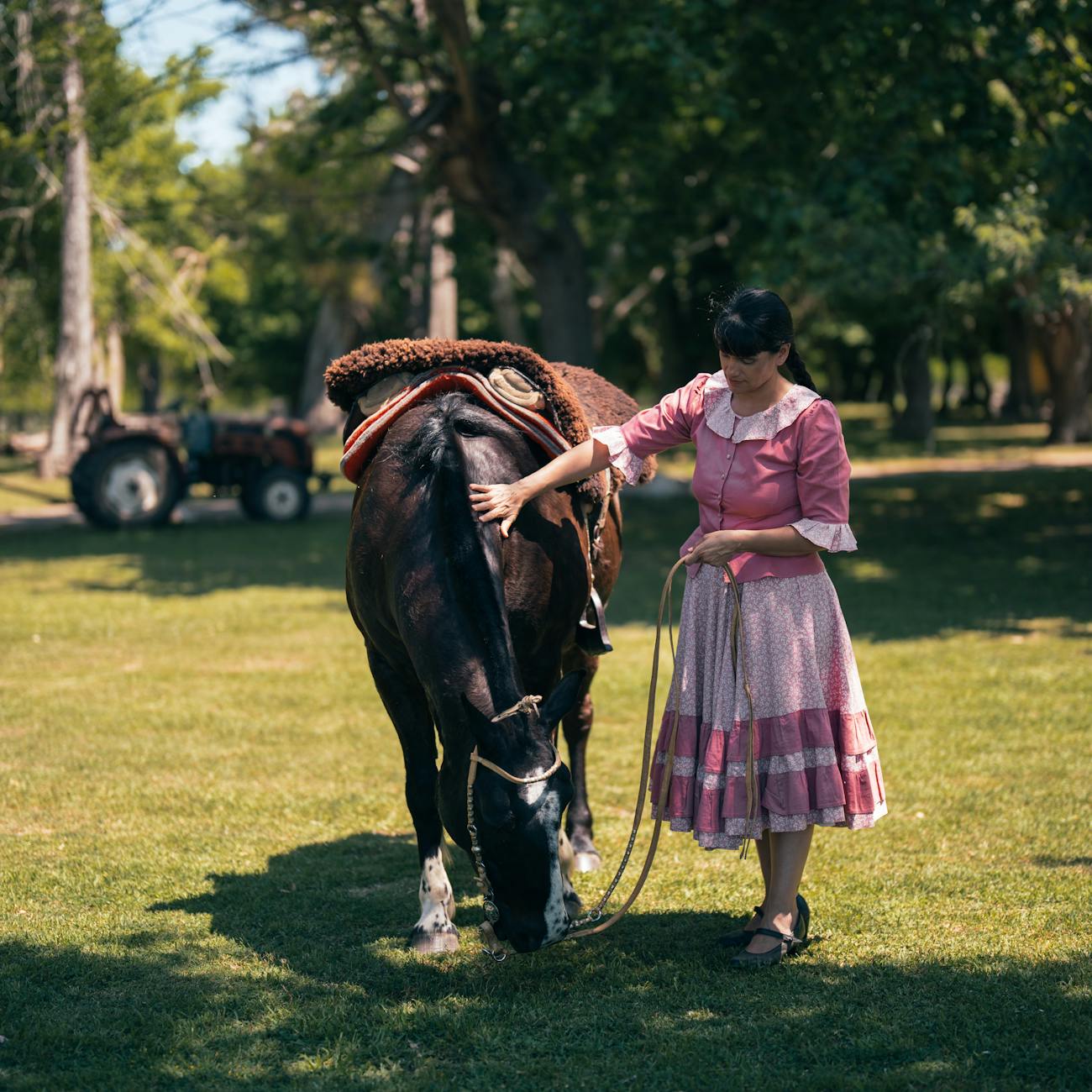
A-line: a style of skirt or dress that is narrow at the waist and… #
Related terms: shift dress, flapper dress. In Historical Costume Design, the A-line style is often used to create a nostalgic look, reminiscent of the 1950s and 1960s.
Accessories #
items that complement or complete a costume, such as jewelry, hats, belts, and shoes. Related terms: prop, adornment. In costume design, accessories can make or break a look, and are often used to add a touch of elegance or drama to a character's overall appearance.
Acting style #
the way an actor performs a role, which can influence the costume design. Related terms: method acting, improvisation. In Historical Costume Design, the acting style can inform the choice of fabrics, colors, and silhouettes used in the costume.
Adaptation #
the process of transforming a story or character from one medium to another, such as from book to film. Related terms: interpretation, reimagining. In costume design, adaptation requires a deep understanding of the original material and the ability to translate it into a new visual language.
Aesthetic #
the visual style or atmosphere of a costume or production. Related terms: artistic vision, design concept. In Historical Costume Design, the aesthetic can be influenced by the period, location, and culture being depicted.
Anachronism #
an object or style that is out of place in a particular time period or setting. Related terms: inaccuracy, mistake. In costume design, anachronisms can be distracting and pull the audience out of the story.
Anatomy #
the study of the structure and organization of the human body. Related terms: physiology, proportion. In costume design, a understanding of anatomy is essential for creating flattering and functional costumes.
Apron #
a piece of fabric worn over the front of the body to protect clothing from dirt and stains. Related terms: pinafore, smock. In Historical Costume Design, aprons are often used to add a touch of authenticity to a character's costume.
Archaeology #
the study of past human cultures through the recovery and analysis of artifacts. Related terms: anthropology, history. In costume design, archaeology can provide valuable insights into the clothing and accessories of ancient cultures.
Architecture #
the design and construction of buildings and other structures. Related terms: interior design, landscape architecture. In costume design, architecture can influence the style and atmosphere of a production.
Arms and armor #
weapons and protective gear used in combat or martial arts. Related terms: swords, shields. In Historical Costume Design, arms and armor are often used to add a touch of drama and action to a character's costume.
Art direction #
the process of creating and implementing the visual style of a production. Related terms: production design, set decoration. In costume design, art direction can influence the color palette, textures, and patterns used in the costumes.
Art nouveau #
a style of art and architecture characterized by sinuous lines and organic forms. Related terms: art deco, modernism. In Historical Costume Design, art nouveau is often used to create a sense of elegance and sophistication.
Artistic license #
the freedom to interpret or modify a story or character in a creative way. Related terms: adaptation, reimagining. In costume design, artistic license can be used to create a unique and innovative look.
Asian costume #
traditional clothing from Asia, such as kimonos or saris. Related terms: oriental costume, cultural dress. In Historical Costume Design, Asian costume is often used to add a touch of exoticism and diversity to a production.
Audience #
the people who watch or experience a performance or production. Related terms: spectator, viewer. In costume design, the audience can influence the style and tone of the costumes.
Authenticity #
the accuracy or faithfulness of a costume or production to a particular time period or setting. Related terms: historical accuracy, realism. In Historical Costume Design, authenticity is essential for creating a believable and immersive experience.
Avant #
garde: a style or movement that is experimental or innovative. Related terms: modern art, conceptual art. In costume design, avant-garde can be used to create a unique and edgy look.
Ballet #
a style of dance that originated in Italy and is characterized by elegance and precision. Related terms: ballerina, tutu. In Historical Costume Design, ballet is often used to create a sense of grace and beauty.
Baroque #
a style of art and architecture characterized by ornate decoration and dramatic lighting. Related terms: rococo, gilded age. In Historical Costume Design, baroque is often used to create a sense of luxury and opulence.
Belt #
a strip of fabric or leather worn around the wrist or waist. Related terms: sash, girdle. In costume design, belts are often used to add a touch of style and functionality to a character's costume.
Bespoke #
custom-made clothing or costumes tailored to an individual's measurements and preferences. Related terms: haute couture,