
Policy Analysis Foundations
Expert-defined terms from the Professional Certificate in Policy Analysis and Health Policy course at London School of Business and Administration. Free to read, free to share, paired with a professional course.
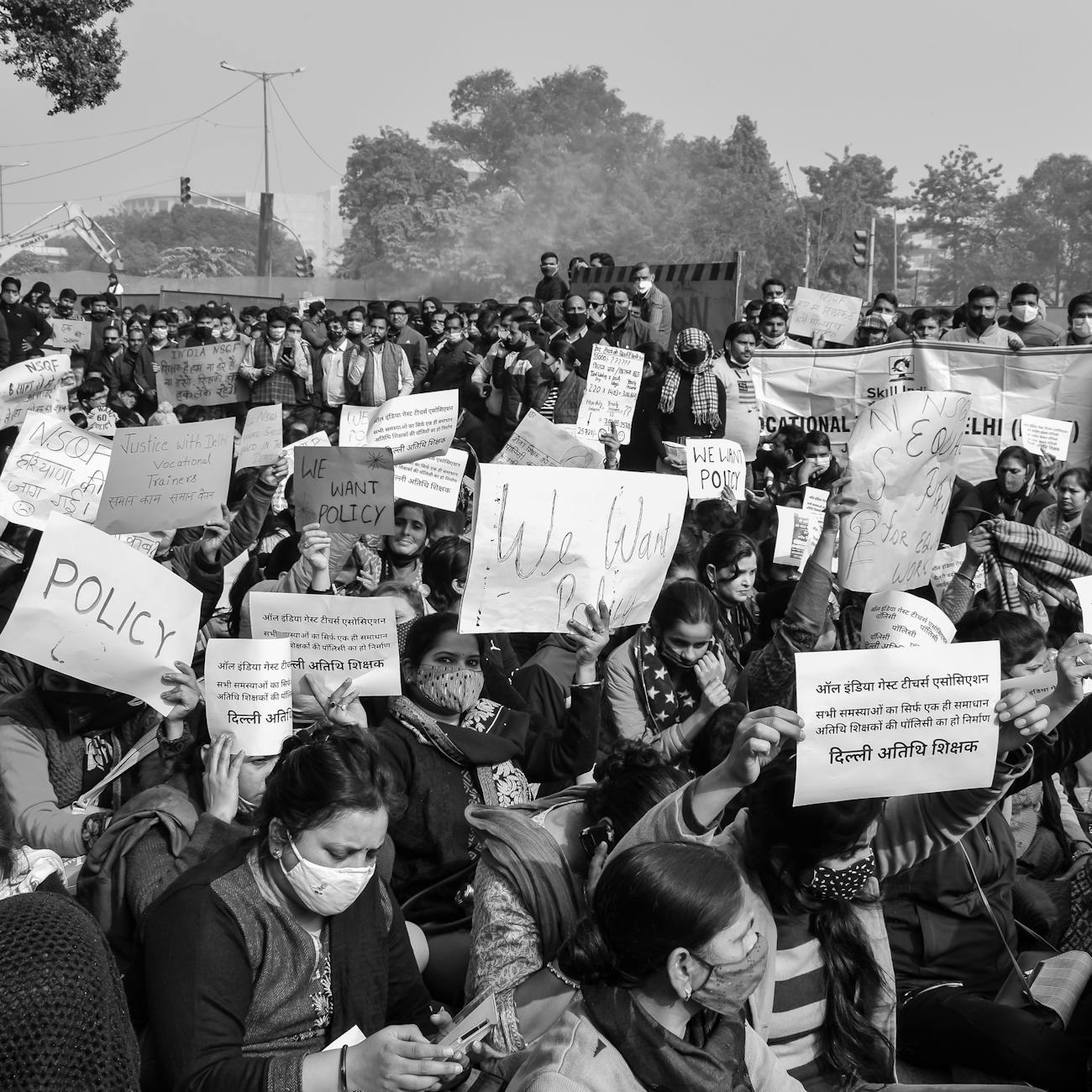
Accountability refers to the responsibility of individuals or organizatio… #
In the context of policy analysis, accountability is crucial for maintaining public trust and ensuring that policies are implemented effectively. Related terms include transparency, governance, and stewardship. For instance, policymakers must be accountable for the allocation of resources and the impact of their decisions on various stakeholders.
Action Research is a methodology that involves active participation of st… #
In policy analysis, action research can be used to develop and implement policies that are tailored to specific contexts and needs. Related terms include participatory research, collaboration, and empowerment. For example, action research can be used to engage communities in the development of health policies that address their unique needs and concerns.
Advisory Committee refers to a group of experts or stakeholders who provi… #
In the context of policy analysis, advisory committees can play a crucial role in informing policy decisions and ensuring that they are based on evidence and best practices. Related terms include stakeholder engagement, consultation, and expertise. For instance, an advisory committee composed of healthcare professionals and researchers can provide valuable insights and recommendations for the development of health policies.
Advocacy refers to the promotion and support of a particular cause… #
In policy analysis, advocacy can be used to influence policy decisions and ensure that the needs and concerns of various stakeholders are taken into account. Related terms include activism, mobilization, and influence. For example, advocacy groups can play a crucial role in promoting policies that address health disparities and improve access to healthcare services.
Aggregate Data refers to combined data from multiple sources, often used… #
In policy analysis, aggregate data can be used to identify areas of need and inform policy decisions that address broader social and economic issues. Related terms include statistics, data analysis, and research methods. For instance, aggregate data on health outcomes can be used to identify disparities in healthcare access and inform policies that address these disparities.
Alternative Dispute Resolution refers to non #
judicial methods of resolving conflicts and disputes, such as mediation and arbitration. In policy analysis, alternative dispute resolution can be used to address conflicts and disagreements between stakeholders, ensuring that policies are implemented effectively and efficiently. Related terms include conflict resolution, negotiation, and facilitation. For example, alternative dispute resolution can be used to resolve conflicts between healthcare providers and patients, ensuring that policies are implemented in a fair and equitable manner.
Analysis of Variance refers to a statistical method used to compare me… #
In policy analysis, analysis of variance can be used to evaluate the effectiveness of policies and identify areas for improvement. Related terms include statistical analysis, hypothesis testing, and research design. For instance, analysis of variance can be used to compare the outcomes of different healthcare interventions and inform policies that promote evidence-based practices.
Annual Report refers to a document that provides an overview of an organi… #
In policy analysis, annual reports can be used to evaluate the implementation and impact of policies, identifying areas of success and challenges. Related terms include evaluation, monitoring, and reporting. For example, an annual report on healthcare outcomes can be used to evaluate the effectiveness of health policies and identify areas for improvement.
Applied Research refers to practical research that aims to solve real #
world problems and improve practices, often involving collaboration with stakeholders and implementation of findings. In policy analysis, applied research can be used to develop and implement policies that are tailored to specific contexts and needs. Related terms include action research, evaluation research, and policy research. For instance, applied research can be used to develop and implement health policies that address the unique needs and concerns of specific communities.
Assessment refers to the evaluation and appraisal of policies, pro… #
In policy analysis, assessment can be used to evaluate the effectiveness of policies and identify areas for improvement. Related terms include evaluation, monitoring, and review. For example, an assessment of healthcare policies can be used to identify areas of improvement and inform policies that promote better health outcomes.
Audit refers to a systematic examination and evaluation of an orga… #
In policy analysis, audit can be used to evaluate the implementation and impact of policies, identifying areas of non-compliance and inefficiency. Related terms include evaluation, monitoring, and accountability. For instance, an audit of healthcare policies can be used to identify areas of non-compliance and inform policies that promote better health outcomes.
Baseline Data refers to initial data collected at the beginning of… #
In policy analysis, baseline data can be used to evaluate the effectiveness of policies and identify areas for improvement. Related terms include data collection, research design, and evaluation. For example, baseline data on health outcomes can be used to evaluate the impact of healthcare policies and identify areas for improvement.
Benefit #
Cost Analysis refers to a methodology used to evaluate the benefits and costs of a policy or intervention, often used to inform decision-making and resource allocation. In policy analysis, benefit-cost analysis can be used to evaluate the effectiveness of policies and identify areas for improvement. Related terms include cost-effectiveness analysis, cost-benefit analysis, and evaluation. For instance, benefit-cost analysis can be used to evaluate the effectiveness of healthcare policies and identify areas for improvement.
Budget refers to a financial plan that outlines projected income a… #
In policy analysis, budget can be used to evaluate the implementation and impact of policies, identifying areas of inefficiency and ineffectiveness. Related terms include financial management, resource allocation, and accountability. For example, a budget for healthcare services can be used to evaluate the effectiveness of health policies and identify areas for improvement.
Bureaucracy refers to a system of governance that is characterized by a <… #
In policy analysis, bureaucracy can be used to evaluate the implementation and impact of policies, identifying areas of inefficiency and ineffectiveness. Related terms include governance, administration, and management. For instance, a bureaucracy can be used to implement healthcare policies and ensure that they are effective and efficient.
Case Study refers to an in #
depth examination and analysis of a specific case or example, often used to identify best practices and lessons learned. In policy analysis, case study can be used to evaluate the effectiveness of policies and identify areas for improvement. Related terms include research design, data collection, and evaluation. For example, a case study of a healthcare organization can be used to evaluate the effectiveness of health policies and identify areas for improvement.
Causal Analysis refers to a methodology used to examine the causes … #
In policy analysis, causal analysis can be used to evaluate the effectiveness of policies and identify areas for improvement. Related terms include evaluation, research design, and statistical analysis. For instance, causal analysis can be used to evaluate the impact of healthcare policies on health outcomes.
Certificate of Need refers to a regulatory requirement that healthcare pr… #
In policy analysis, certificate of need can be used to evaluate the implementation and impact of healthcare policies, identifying areas of non-compliance and inefficiency. Related terms include regulation, licensure, and accreditation. For example, a certificate of need can be used to ensure that healthcare providers meet certain standards of quality and safety.
Claim refers to a request for reimbursement or compensation … #
In policy analysis, claim can be used to evaluate the implementation and impact of healthcare policies, identifying areas of inefficiency and ineffectiveness. Related terms include insurance, billing, and reimbursement. For instance, a claim can be used to evaluate the effectiveness of healthcare policies in ensuring that patients receive timely and effective care.
Clinical Guideline refers to a document that outlines best practices</… #
In policy analysis, clinical guideline can be used to evaluate the implementation and impact of healthcare policies, identifying areas of non-compliance and inefficiency. Related terms include quality improvement, patient safety, and evidence-based practice. For example, a clinical guideline can be used to ensure that healthcare providers follow best practices in patient care.
Coalition refers to a group of individuals or organizations that work tog… #
In policy analysis, coalition can be used to evaluate the implementation and impact of policies, identifying areas of inefficiency and ineffectiveness. Related terms include partnership, collaboration, and advocacy. For instance, a coalition of healthcare organizations can be used to advocate for policies that promote better health outcomes.
Commission refers to a group of individuals appointed to investigate</… #
In policy analysis, commission can be used to evaluate the implementation and impact of policies, identifying areas of inefficiency and ineffectiveness. Related terms include task force, committee, and advisory board. For example, a commission can be used to investigate and report on healthcare issues and inform policy decisions.
Committee refers to a group of individuals appointed to perform a… #
In policy analysis, committee can be used to evaluate the implementation and impact of policies, identifying areas of inefficiency and ineffectiveness. Related terms include task force, commission, and advisory board. For instance, a committee can be used to evaluate the effectiveness of healthcare policies and inform policy decisions.
Community #
Based refers to initiatives or programs that are located in and serve a specific community or population, often used to promote health and wellbeing. In policy analysis, community-based can be used to evaluate the implementation and impact of policies, identifying areas of inefficiency and ineffectiveness. Related terms include community health, public health, and health promotion. For example, a community-based initiative can be used to promote health and wellbeing in a specific community.
Comparative Analysis refers to a methodology used to compare and contr… #
In policy analysis, comparative analysis can be used to evaluate the effectiveness of policies and identify areas for improvement. For instance, comparative analysis can be used to evaluate the effectiveness of different healthcare policies and identify areas for improvement.
Compliance refers to the act of adhering to regulations or… #
In policy analysis, compliance can be used to evaluate the implementation and impact of policies, identifying areas of non-compliance and inefficiency. Related terms include regulation, accreditation, and licensure. For example, compliance can be used to ensure that healthcare providers meet certain standards of quality and safety.
Concurrent Control refers to a research design that involves comparing… #
In policy analysis, concurrent control can be used to evaluate the effectiveness of policies and identify areas for improvement. Related terms include research design, experimental design, and quasi-experiment. For instance, concurrent control can be used to evaluate the effectiveness of a healthcare policy by comparing outcomes between a treatment group and a control group.
Consensus refers to a state of agreement or unanimity among… #
In policy analysis, consensus can be used to evaluate the implementation and impact of policies, identifying areas of inefficiency and ineffectiveness. Related terms include agreement, unanimity, and consensus-building. For example, consensus can be used to inform policy decisions and ensure that all stakeholders are in agreement.
Consultation refers to the process of seeking and considering</… #
In policy analysis, consultation can be used to evaluate the implementation and impact of policies, identifying areas of inefficiency and ineffectiveness. Related terms include stakeholder engagement, participation, and public involvement. For instance, consultation can be used to seek the views and opinions of stakeholders and inform policy decisions.
Contingency Planning refers to the process of identifying and p… #
In policy analysis, contingency planning can be used to evaluate the implementation and impact of policies, identifying areas of inefficiency and ineffectiveness. Related terms include risk management, emergency planning, and disaster preparedness. For example, contingency planning can be used to prepare for potential risks or threats in healthcare and ensure continuity and stability.
Contract refers to a legally binding agreement between two or more partie… #
In policy analysis, contract can be used to evaluate the implementation and impact of policies, identifying areas of inefficiency and ineffectiveness. Related terms include agreement, partnership, and collaboration. For instance, a contract can be used to outline the terms and conditions of a partnership between healthcare organizations.
Control Group refers to a group of individuals or organizations that do n… #
In policy analysis, control group can be used to evaluate the effectiveness of policies and identify areas for improvement. For example, a control group can be used to compare outcomes between a treatment group and a control group.
Cost #
Benefit Analysis refers to a methodology used to evaluate the costs and benefits of a policy or intervention, often used to inform decision-making and resource allocation. In policy analysis, cost-benefit analysis can be used to evaluate the effectiveness of policies and identify areas for improvement. For instance, cost-benefit analysis can be used to evaluate the effectiveness of healthcare policies and identify areas for improvement.
Cost #
Effectiveness Analysis refers to a methodology used to evaluate the costs and effectiveness of a policy or intervention, often used to inform decision-making and resource allocation. In policy analysis, cost-effectiveness analysis can be used to evaluate the effectiveness of policies and identify areas for improvement. For example, cost-effectiveness analysis can be used to evaluate the effectiveness of healthcare policies and identify areas for improvement.
Cost #
Utility Analysis refers to a methodology used to evaluate the costs and utility of a policy or intervention, often used to inform decision-making and resource allocation. In policy analysis, cost-utility analysis can be used to evaluate the effectiveness of policies and identify areas for improvement. For instance, cost-utility analysis can be used to evaluate the effectiveness of healthcare policies and identify areas for improvement.
Council refers to a group of individuals appointed to advise and <… #
In policy analysis, council can be used to evaluate the implementation and impact of policies, identifying areas of inefficiency and ineffectiveness. Related terms include advisory board, committee, and task force. For example, a council can be used to advise and guide an organization or government on healthcare policy decisions.
Data Analysis refers to the process of examining and interpreti… #
In policy analysis, data analysis can be used to evaluate the effectiveness of policies and identify areas for improvement. Related terms include research design, statistical analysis, and evaluation. For instance, data analysis can be used to examine and interpret data on healthcare outcomes and inform policy decisions.
Data Collection refers to the process of gathering and recordin… #
In policy analysis, data collection can be used to evaluate the implementation and impact of policies, identifying areas of inefficiency and ineffectiveness. Related terms include research design, data analysis, and evaluation. For example, data collection can be used to gather and record data on healthcare outcomes and inform policy decisions.
Decision Making refers to the process of selecting a course … #
In policy analysis, decision making can be used to evaluate the effectiveness of policies and identify areas for improvement. Related terms include policy analysis, evaluation, and research design. For instance, decision making can be used to select a course of action or option for healthcare policy decisions.
Delphi Technique refers to a methodology used to gather and ana… #
In policy analysis, Delphi technique can be used to evaluate the effectiveness of policies and identify areas for improvement. Related terms include expert opinion, stakeholder engagement, and participation. For example, Delphi technique can be used to gather and analyze expert opinions on healthcare policy decisions.
Demographic Analysis refers to the study of population characteris… #
In policy analysis, demographic analysis can be used to evaluate the implementation and impact of policies, identifying areas of inefficiency and ineffectiveness. Related terms include population health, epidemiology, and health statistics. For instance, demographic analysis can be used to study population characteristics and inform healthcare policy decisions.
Dissemination refers to the process of sharing and communicatin… #
In policy analysis, dissemination can be used to evaluate the effectiveness of policies and identify areas for improvement. Related terms include knowledge translation, communication, and stakeholder engagement. For example, dissemination can be used to share and communicate information on healthcare policy decisions.
Effectiveness refers to the degree to which a policy or intervention a… #
In policy analysis, effectiveness can be used to evaluate the implementation and impact of policies, identifying areas of inefficiency and ineffectiveness. Related terms include evaluation, outcome measurement, and impact assessment. For instance, effectiveness can be used to evaluate the degree to which a healthcare policy achieves its intended goals and objectives.
Efficiency refers to the ratio of outputs to inputs , often… #
In policy analysis, efficiency can be used to evaluate the implementation and impact of policies, identifying areas of inefficiency and ineffectiveness. Related terms include cost-effectiveness, productivity, and resource allocation. For example, efficiency can be used to evaluate the ratio of outputs to inputs in healthcare policy decisions.
Empirical Research refers to research that is based on observation … #
In policy analysis, empirical research can be used to evaluate the effectiveness of policies and identify areas for improvement. Related terms include qualitative research, quantitative research, and mixed methods research. For instance, empirical research can be used to study the impact of healthcare policies on health outcomes.
Evaluation refers to the process of assessing and judging t… #
In policy analysis, evaluation can be used to evaluate the implementation and impact of policies, identifying areas of inefficiency and ineffectiveness. Related terms include assessment, appraisal, and review. For example, evaluation can be used to assess and judge the value or quality of a healthcare policy.
Evidence #
Based Practice refers to the use of research and data to inform policy decisions and recommendations, often used to ensure quality and safety in healthcare. In policy analysis, evidence-based practice can be used to evaluate the effectiveness of policies and identify areas for improvement. Related terms include research-based practice, data-driven decision making, and best practices. For instance, evidence-based practice can be used to inform healthcare policy decisions and ensure quality and safety.
Experimental Design refers to a research design that involves manipula… #
In policy analysis, experimental design can be used to evaluate the effectiveness of policies and identify areas for improvement. Related terms include quasi-experiment, controlled trial, and randomized controlled trial. For example, experimental design can be used to test a hypothesis or research question on the impact of healthcare policies on health outcomes.
Expert Opinion refers to the views and judgments of experts … #
In policy analysis, expert opinion can be used to evaluate the effectiveness of policies and identify areas for improvement. Related terms include stakeholder engagement, participation, and delphi technique. For instance, expert opinion can be used to inform healthcare policy decisions and ensure that they are based on the best available evidence.
Feasibility Study refers to a study that examines the practicality … #
In policy analysis, feasibility study can be used to evaluate the implementation and impact of policies, identifying areas of inefficiency and ineffectiveness. Related terms include needs assessment, cost-benefit analysis, and evaluation. For example, a feasibility study can be used to examine the practicality and viability of a healthcare policy.
Focus Group refers to a group of individuals brought together to discu… #
In policy analysis, focus group can be used to evaluate the effectiveness of policies and identify areas for improvement. For instance, a focus group can be used to discuss and provide feedback on healthcare policy decisions.
Formative Evaluation refers to an evaluation that is conducted during the… #
In policy analysis, formative evaluation can be used to evaluate the implementation and impact of policies, identifying areas of inefficiency and ineffectiveness. Related terms include summative evaluation, process evaluation, and outcome evaluation. For example, a formative evaluation can be used to evaluate the development or implementation phase of a healthcare policy.
Gap Analysis refers to a methodology used to identify the difference</… #
In policy analysis, gap analysis can be used to evaluate the implementation and impact of policies, identifying areas of inefficiency and ineffectiveness. Related terms include needs assessment, feasibility study, and evaluation. For instance, a gap analysis can be used to identify the difference between the current and desired state of a healthcare system.
Geographic Information System refers to a system that uses geographic<… #
In policy analysis, geographic information system can be used to evaluate the implementation and impact of policies, identifying areas of inefficiency and ineffectiveness. Related terms include spatial analysis, mapping, and gis. For example, a geographic information system can be used to analyze and visualize spatial relationships in healthcare policy decisions.
Health Impact Assessment refers to a methodology used to evaluate the pot… #
In policy analysis, health impact assessment can be used to evaluate the implementation and impact of policies, identifying areas of inefficiency and ineffectiveness. Related terms include health equity impact assessment, environmental impact assessment, and socioeconomic impact assessment. For instance, a health impact assessment can be used to evaluate the potential health effects of a healthcare policy.
Healthcare Access refers to the ability of individuals to obtain a… #
In policy analysis, healthcare access can be used to evaluate the implementation and impact of policies, identifying areas of inefficiency and ineffectiveness. Related terms include healthcare utilization, healthcare quality, and health disparities. For example, healthcare access can be used to evaluate the ability of individuals to obtain and utilize healthcare services.
Healthcare Disparities refer to the differences in health outcomes … #
In policy analysis, healthcare disparities can be used to evaluate the implementation and impact of policies, identifying areas of inefficiency and ineffectiveness. Related terms include health equity, social determinants of health, and health disparities research. For instance, healthcare disparities can be used to evaluate the differences in health outcomes and healthcare access between different populations or groups.