
Engineering and Installation of Offshore Facilities
Expert-defined terms from the Executive Certificate in Offshore Construction Management course at London School of Business and Administration. Free to read, free to share, paired with a globally recognised certification pathway.
Acceleration is the rate of change of velocity, and in the context of offshore f… #
Acceleration is an important factor in the design and installation of offshore facilities, as it can affect the stability and integrity of the structure. For example, during the installation of a pipeline, the acceleration of the pipe can cause it to buckle or collapse if it is not properly supported.
Anode is a type of cathodic protection system used to protect offshore fa… #
An anode is a sacrificial electrode that is attached to the facility and corrodes in place of the facility, thereby protecting it from damage. Anodes are commonly used on offshore pipelines and platforms to prevent corrosion and extend the life of the facility.
API is the American Petroleum Institute, which is a trade association that devel… #
API standards are widely used in the design, construction, and operation of offshore facilities, and they provide guidance on best practices and regulatory requirements. For example, API Standard 1104 provides guidelines for the welding of pipelines and piping systems.
Assembly is the process of assembling components and equipment into a com… #
In the context of offshore facilities, assembly can involve the installation of pipelines, the erection of platforms, and the connection of equipment. Assembly is a critical phase of the project, as it requires careful planning and execution to ensure that the facility is safe and functional.
Axial load is a type of load that acts along the axis of a compone… #
In the context of offshore facilities, axial loads can occur in pipelines and risers due to pressure and temperature changes. Axial loads can cause stress and strain in the component, and can lead to failure if not properly managed.
Bending moment is a type of load that causes a component or structure to… #
In the context of offshore facilities, bending moments can occur in pipelines and risers due to currents and waves. Bending moments can cause stress and strain in the component, and can lead to failure if not properly managed.
BOP is the blowout preventer, which is a type of valve used to prevent th… #
BOPs are critical components of offshore drilling and production operations, and are designed to isolate the well in the event of an emergency. BOPs are typically installed on the seafloor or on a platform, and are connected to the wellhead.
Buoyancy is the upward force exerted on an object by a fluid, such as … #
In the context of offshore facilities, buoyancy is used to support the weight of components and equipment, such as pipelines and platforms. Buoyancy can be achieved using buoyant materials, such as foam or air, or by using buoyancy modules.
Cathodic protection is a type of corrosion protection that uses an ele… #
Cathodic protection is commonly used on offshore facilities, such as pipelines and platforms, to prevent corrosion and extend the life of the facility. Cathodic protection systems typically consist of an anode and a cathode, which are connected by an electric circuit.
Coating is a type of material applied to the surface of a component or st… #
In the context of offshore facilities, coatings are commonly used on pipelines and platforms to prevent corrosion and extend the life of the facility. Coatings can be applied using a variety of methods, including spray and brush applications.
Completion is the process of completing a well by installing the necessar… #
In the context of offshore facilities, completion can involve the installation of tubing, packers, and valves, as well as the connection of flowlines and pipelines.
Concrete is a type of material used in the construction of offshore facil… #
Concrete is a mixture of cement, water, and aggregates, and is often used to provide support and stability to the facility. Concrete can be used to construct gravity-based structures, such as platforms and foundations, or can be used to repair and maintain existing facilities.
Corrosion is the deterioration of a material due to a chemical reactio… #
In the context of offshore facilities, corrosion is a major concern due to the exposure of components and equipment to seawater and other corrosive substances. Corrosion can be managed using a variety of methods, including cathodic protection, coatings, and chemical treatment.
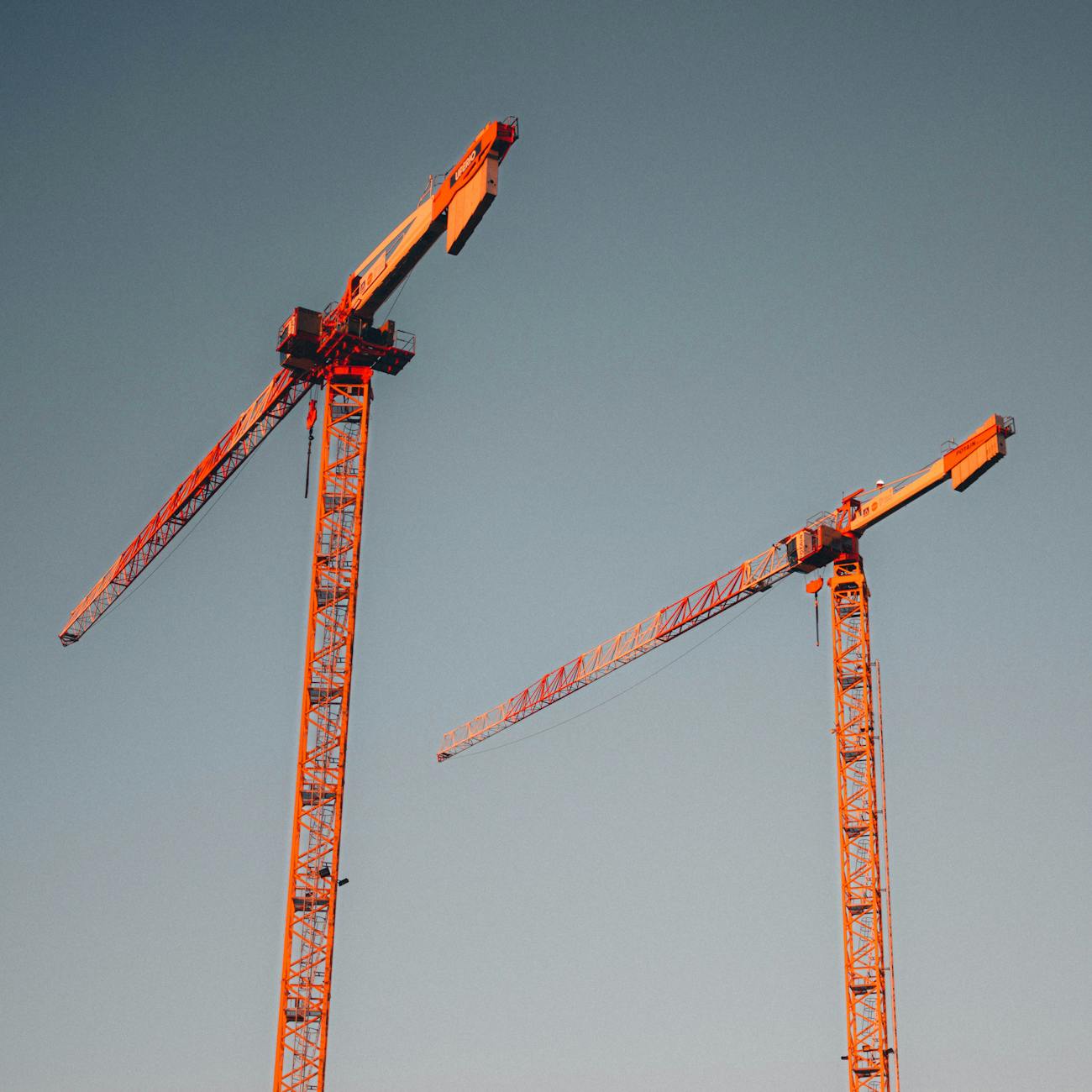
Crane is a type of equipment used to lift and move heavy co… #
Cranes are typically installed on vessels or platforms, and are used to handle a variety of loads, including pipelines, modules, and equipment.
Current is the flow of water or fluid through a particular… #
In the context of offshore facilities, currents can affect the stability and integrity of the facility, and can cause loads and stresses on components and equipment. Currents can be measured using a variety of methods, including acoustic and electromagnetic sensors.
Decommissioning is the process of decommissioning an offshore facility at… #
Decommissioning can involve the removal of the facility, the disposal of waste, and the restoration of the environment. Decommissioning is a complex and challenging process, and requires careful planning and execution to ensure that it is done safely and environmentally responsibly.
Design is the process of creating a plan or concept for an offshor… #
Design can involve the development of drawings, models, and simulations, as well as the selection of materials and equipment. Design is a critical phase of the project, as it sets the foundation for the construction and installation of the facility.
Drilling is the process of creating a well by drilling into the <i… #
Drilling can involve the use of a variety of equipment, including drill bits, drill pipes, and mud systems. Drilling is a critical phase of the project, as it allows for the extraction of hydrocarbons from the reservoir.
Dredging is the process of removing sediment or soil from t… #
Dredging can involve the use of a variety of equipment, including dredges, pipelines, and pumps. Dredging is often used to prepare the seafloor for the installation of offshore facilities, such as pipelines and platforms.
EIA is the Environmental Impact Assessment, which is a process used to identi… #
EIA involves the assessment of the potential impacts of the facility on the environment, as well as the development of strategies to minimize those impacts. EIA is a critical phase of the project, as it helps to ensure that the facility is environmentally responsible and sustainable.
Engineering is the process of applying scientific and mathematical princi… #
Engineering can involve the use of a variety of disciplines, including mechanical, electrical, and civil engineering. Engineering is a critical phase of the project, as it sets the foundation for the construction and installation of the facility.
Environmental impact is the effect of an offshore facility on the envi… #
Environmental impact can include impacts on marine life, water quality, and air quality, as well as impacts on human health and safety. Environmental impact is a critical consideration in the design, construction, and operation of offshore facilities, and requires careful planning and mitigation to minimize harm to the environment.
Erosion is the process of wearing away or removing rock or… #
Erosion can be caused by a variety of forces, including currents, waves, and tides. Erosion is a critical consideration in the design and installation of offshore facilities, as it can affect the stability and integrity of the facility.
Fabrication is the process of constructing or assembling component… #
Fabrication can involve the use of a variety of techniques, including welding, cutting, and machining. Fabrication is a critical phase of the project, as it requires careful planning and execution to ensure that the components and equipment are safe and functional.
Fatigue is the deterioration of a material due to repeated loading … #
Fatigue is a critical consideration in the design and installation of offshore facilities, as it can affect the stability and integrity of the facility. Fatigue can be managed using a variety of methods, including design optimization, material selection, and inspection and maintenance.
Foundation is the base or support of an offshore facility, such as… #
Foundation can be designed using a variety of techniques, including piles, caissons, and gravity-based structures. Foundation is a critical component of the facility, as it provides support and stability to the structure.
FPSO is the Floating Production, Storage, and Offloading unit, which is a type o… #
FPSO units are typically equipped with processing equipment, storage tanks, and offloading systems, and are used to support the production of hydrocarbons from offshore fields.
Geotechnical is the study of the behavior of soil and ro… #
Geotechnical engineering is a critical discipline in the design and installation of offshore facilities, as it helps to understand the behavior of the seafloor and subsea environment.
Gravity #
based structure is a type of structure that uses its own weight to stabilize itself on the seafloor. Gravity-based structures are typically used for offshore platforms and foundations, and are designed to resist loads and forces from the environment.
Hydrocarbon is a type of compound that is composed of hydrogen and… #
Hydrocarbons are the primary component of oil and gas, and are used as fuel and feedstock for a variety of industries.
Installation is the process of placing or setting an offshore faci… #
Installation can involve the use of a variety of techniques, including lifting, lowering, and towing. Installation is a critical phase of the project, as it requires careful planning and execution to ensure that the facility is safe and functional.
Inspection is the process of examining or investigating an offshor… #
Inspection can involve the use of a variety of techniques, including visual inspection, non-destructive testing, and condition monitoring. Inspection is a critical phase of the project, as it helps to ensure the safety and integrity of the facility.
Instrumentation is the process of installing or integrating ins… #
Instrumentation can involve the use of a variety of techniques, including sensors, actuators, and control systems. Instrumentation is a critical component of the facility, as it helps to ensure the safety and efficiency of the operation.
Jacket is a type of structure that is used to support an offshore… #
Jackets are typically constructed from steel or concrete, and are designed to resist loads and forces from the environment.
Laying is the process of placing or installing a pipeline or ca… #
Laying can involve the use of a variety of techniques, including trenching, bundling, and burial. Laying is a critical phase of the project, as it requires careful planning and execution to ensure that the pipeline or cable is safe and functional.
Life cycle is the period of time from the conceptualization of an… #
Life cycle can involve a variety of phases, including design, construction, installation, operation, and decommissioning. Life cycle is a critical consideration in the development of offshore facilities, as it helps to ensure that the facility is safe, efficient, and environmentally responsible.
Load is a type of force or pressure that is applied to an offshore… #
Loads can come from a variety of sources, including waves, currents, and wind. Loads are a critical consideration in the design and installation of offshore facilities, as they can affect the stability and integrity of the structure.
Maintenance is the process of keeping or preserving an offshore fa… #
Maintenance can involve the use of a variety of techniques, including inspection, repair, and replacement. Maintenance is a critical phase of the project, as it helps to ensure the safety and efficiency of the operation.
Material is a type of substance or matter that is used to const… #
Materials can come from a variety of sources, including steel, concrete, and composites. Materials are a critical consideration in the design and installation of offshore facilities, as they can affect the stability and integrity of the structure.
Metocean is the study of the meteorological and oceanographic</… #
Metocean conditions can include waves, currents, wind, and tides, and are a critical consideration in the design and installation of offshore facilities.
Module is a type of component or unit that is used to construct… #
Modules can come from a variety of sources, including process equipment, pipeline components, and structural elements. Modules are a critical component of the facility, as they help to support the operation of the facility.
Mooring is the process of securing or anchoring a vessel or fac… #
Mooring can involve the use of a variety of techniques, including chains, ropes, and anchors. Mooring is a critical phase of the project, as it helps to ensure the safety and stability of the facility.
Offloading is the process of transferring or unloading hydrocar… #
Offloading can involve the use of a variety of techniques, including pumping, pipeline transfer, and crane lifting. Offloading is a critical phase of the project, as it helps to support the production of hydrocarbons from offshore fields.
Offshore is a type of location or environment that is located</… #
Offshore facilities can include platforms, pipelines, and subsea equipment, and are used to support the production of hydrocarbons from offshore fields.
Operations is the process of managing or controlling an offshore f… #
Operations can involve the use of a variety of techniques, including monitoring, control, and maintenance. Operations is a critical phase of the project, as it helps to ensure the safety and efficiency of the operation.
Piling is the process of driving or installing piles into t… #
Piling can involve the use of a variety of techniques, including drilling, hammering, and vibrating. Piling is a critical phase of the project, as it helps to ensure the stability and integrity of the facility.
Pipe is a type of tube or conduit that is used to transport … #
Pipes can come from a variety of sources, including steel, concrete, and composites. Pipes are a critical component of the facility, as they help to support the operation of the facility.
Pipeline is a type of system or network that is used to transpo… #
Pipelines can come from a variety of sources, including onshore and offshore fields, and are used to support the production of hydrocarbons from offshore fields.
Platform is a type of structure or facility that is used to sup… #
Platforms can come from a variety of sources, including steel, concrete, and composites, and are used to support the production of hydrocarbons from offshore fields.
Project is a type of venture or undertaking that involves the d… #
Projects can involve a variety of phases, including feasibility, design, construction, and operation. Projects are a critical component of the offshore industry, as they help to support the production of hydrocarbons from offshore fields.
Pumping is the process of transferring or moving fluids or… #
Pumping can involve the use of a variety of techniques, including centrifugal, positive displacement, and jet pumping. Pumping is a critical phase of the project, as it helps to support the operation of the facility.
QRA is the Quantified Risk Assessment, which is a process used to identify</i… #
QRA involves the use of a variety of techniques, including fault tree analysis, event tree analysis, and probability analysis. QRA is a critical phase of the project, as it helps to ensure the safety and integrity of the facility.
Recovery is the process of extracting or producing hydrocarbons… #
Recovery can involve the use of a variety of techniques, including primary, secondary, and tertiary recovery methods. Recovery is a critical phase of the project, as it helps to support the production of hydrocarbons from offshore fields.
Riser is a type of pipe or tube that is used to connect an… #
Risers can come from a variety of sources, including steel, concrete, and composites, and are used to support the production of hydrocarbons from offshore fields.
Risk is the possibility or chance of an unwanted event or <… #
Risk can come from a variety of sources, including environmental, technical, and operational factors. Risk is a critical consideration in the design, construction, and operation of offshore facilities, as it can affect the safety and integrity of the facility.
Safety is the state or condition of being free from harm or… #
Safety is a critical consideration in the design, construction, and operation of offshore facilities, as it can affect the well-being of personnel and the environment.
Simulation is the process of modeling or imitating the behavior… #
Simulation can involve the use of a variety of techniques, including mathematical modeling, physical modeling, and hybrid modeling. Simulation is a critical phase of the project, as it helps to predict and optimize the behavior of the facility.
Subsea is a type of location or environment that is located … #
Subsea facilities can include pipelines, wells, and equipment, and are used to support the production of hydrocarbons from offshore fields.
Support is the process of providing or offering assistance … #
Support can involve the use of a variety of techniques, including maintenance, repair, and replacement. Support is a critical phase of the project, as it helps to ensure the safety and efficiency of the operation.
Survey is the process of examining or investigating an offshore fa… #
Survey can involve the use of a variety of techniques, including visual inspection, acoustic survey, and electromagnetic survey. Survey is a critical phase of the project, as it helps to identify any defects or problems with the facility.
System is a type of network or arrangement of components or… #
Systems can come from a variety of sources, including process, pipeline, and electrical systems, and are used to support the operation of the facility.
Tender is a type of document or proposal that is used to offer<… #
Tender can involve the use of a variety of techniques, including technical and commercial proposals, and negotiation. Tender is a critical phase of the project, as it helps to secure the contract and support the development of the facility.
Testing is the process of evaluating or assessing an offshore faci… #
Testing can involve the use of a variety of techniques, including functional testing, performance testing, and qualification testing. Testing is a critical phase of the project, as it helps to identify any defects or problems with the facility.
Trenching is the process of digging or excavating a trench … #
Trenching can involve the use of a variety of techniques, including mechanical and hydraulic trenching. Trenching is a critical phase of the project, as it helps to ensure the safety and integrity of the pipeline or cable.