
Hazard Identification
Expert-defined terms from the Advanced Certificate in Process Hazard Analysis course at London School of Business and Administration. Free to read, free to share, paired with a professional course.
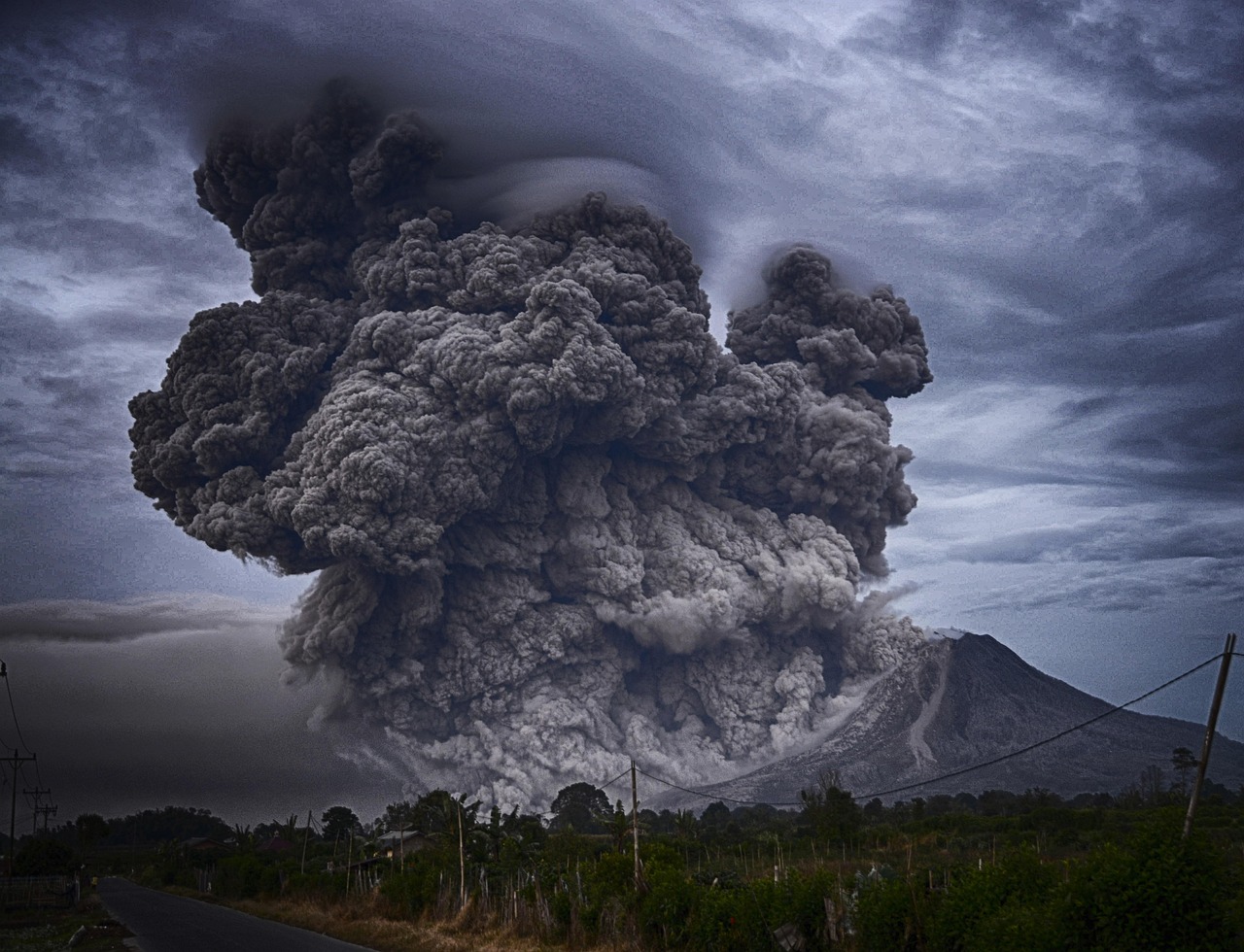
Accident #
Accident
An accident is an unplanned, uncontrolled event that results in loss of life, in… #
In process hazard analysis, accidents are the outcomes that hazard identification seeks to prevent. For example, a sudden release of toxic gas from a reactor vessel that injures personnel and contaminates nearby ecosystems constitutes an accident. Practical application involves tracing back from known accidents to identify root causes, which informs the development of preventive barriers. Challenges include limited data on rare high‑consequence events, difficulty in distinguishing between a true accident and a near‑miss, and the propensity to focus on symptoms rather than underlying system weaknesses.
Alarm System #
Alarm System
An alarm system monitors process variables and notifies operators when condition… #
In hazard identification, alarms serve as early warnings that can trigger corrective actions before a hazard escalates. For instance, a high‑pressure alarm on a distillation column can prompt operators to reduce feed rate, averting a potential over‑pressure rupture. Effective alarm design requires proper prioritization, avoidance of nuisance alarms, and clear human‑machine interface. Challenges include alarm fatigue, where operators become desensitized due to excessive alerts, and ensuring that alarm set‑points align with the underlying hazard analysis rather than arbitrary limits.
Barrier #
Barrier
A barrier is any physical, procedural, or administrative element that prevents a… #
Examples include pressure relief devices, containment walls, and emergency shutdown procedures. In process hazard analysis, barriers are identified, evaluated for reliability, and assigned a risk reduction factor. For practical application, engineers may use a risk matrix to compare barrier effectiveness against identified hazards. Challenges arise when barriers degrade over time, are not adequately maintained, or when their interaction with other system elements creates unintended pathways for hazard propagation.
Consequence #
Consequence
Consequence refers to the result of a hazard event, measured in terms of human i… #
Quantifying consequences enables prioritization of hazards during identification. For example, the release of a flammable vapor may have the consequence of a fire that could destroy a plant and cause fatalities. Practical applications involve consequence modeling tools such as PHAST or SAFETI to estimate blast radius or toxic exposure zones. Challenges include uncertainty in modeling assumptions, variability of external factors (weather, population density), and the difficulty of translating qualitative outcomes into quantitative risk metrics.
Control Measure #
Control Measure
A control measure is an action or device implemented to reduce the likelihood or… #
Controls can be inherent (design changes), passive (safety relief valves), or active (automatic shutdown). In hazard identification, each identified hazard is paired with appropriate control measures to achieve acceptable risk levels. For instance, installing a flame arrestor on a vent line controls the risk of flame propagation. Practical application involves selecting controls based on hierarchy of controls, cost, and reliability. Challenges include over‑reliance on administrative controls that are less reliable than engineering solutions, and ensuring that controls remain effective throughout the plant lifecycle.
Design Basis #
Design Basis
The design basis defines the fundamental parameters and assumptions used to desi… #
Hazard identification uses the design basis to establish normal operating envelopes and to identify deviations that could lead to unsafe conditions. For example, a design pressure of 150 bar sets the threshold for pressure relief device sizing. Practical application includes reviewing design basis documents during hazard reviews to verify that they reflect current operating practices. Challenges arise when design basis documents become outdated, when modifications are made without updating the basis, or when the basis does not consider worst‑case scenarios.
Event Tree #
Event Tree
An event tree is a graphical representation that starts with an initiating event… #
It is used in hazard identification to evaluate the probability of different consequence levels. For instance, an initiating event of a pump failure may lead to branches representing successful automatic shutdown, manual intervention, or total loss of containment. Practical application includes quantifying the likelihood of each end state using reliability data for safety systems. Challenges include the complexity of modeling multiple interacting systems, the need for accurate failure data, and the potential for oversimplification of operator actions.
Failure Mode #
Failure Mode
A failure mode describes the way in which a component or system can fail, such a… #
In hazard identification, cataloguing failure modes helps to anticipate how a hazard could be initiated. For example, a valve may fail in the closed position (stuck closed) or open position (stuck open), each leading to different risk scenarios. Practical application involves developing a failure mode list for critical equipment and assessing the potential impact on safety. Challenges include incomplete knowledge of failure mechanisms, variability in failure rates across manufacturers, and the difficulty of capturing rare but high‑impact modes.
Hazard #
Hazard
A hazard is any potential source of harm, including chemical, physical, or opera… #
Hazard identification seeks to systematically uncover all hazards associated with a process. Examples include high‑temperature reactors, toxic chemicals, and rotating machinery. Practical application involves using checklists, brainstorming sessions, and systematic methodologies such as HAZOP to surface hazards. Challenges include cognitive bias that may overlook hidden hazards, the tendency to focus on known hazards while ignoring emerging ones, and the difficulty of distinguishing between hazard and risk without proper analysis.
Hazard Analysis #
Hazard Analysis
Hazard analysis is the systematic examination of a process to identify hazards,… #
It forms the core of the Advanced Certificate in Process Hazard Analysis curriculum. Techniques include HAZOP (Hazard and Operability Study), What‑If analysis, and Failure Mode and Effects Analysis (FMEA). For example, a HAZOP may reveal that a temperature increase beyond the design limit could cause a runaway reaction. Practical application requires multidisciplinary teams, clear documentation, and traceability of findings to design changes. Challenges include ensuring adequate team expertise, avoiding superficial discussions, and managing the large volume of data generated.
Hazard Identification #
Hazard Identification
Hazard identification is the first step in the risk management process, focused… #
It involves techniques such as HAZOP, What‑If, and checklist screening to compile a comprehensive list of hazards. An example is identifying the possibility of a pipe rupture due to corrosion, which could release hazardous material. Practical application includes recording each hazard with its associated process unit, potential triggers, and initial risk ranking. Challenges include dealing with complex processes that have numerous interconnections, overcoming groupthink that may suppress dissenting views, and maintaining an up‑to‑date hazard register as the plant evolves.
Hazard Severity #
Hazard Severity
Hazard severity quantifies the potential impact of a hazard if it were to materi… #
Severity rankings guide prioritization; a high‑severity hazard demands immediate mitigation. For instance, a toxic release that could cause fatalities in a nearby community has a higher severity than a non‑toxic leak. Practical application uses severity matrices that map qualitative descriptions to numerical scores. Challenges include subjectivity in assigning severity, differing stakeholder perspectives (e.g., management vs. operations), and the need to update severity assessments when operating conditions change.
Hazardous Material #
Hazardous Material
A hazardous material is any substance that poses a risk to health, safety, or th… #
Common categories include toxic gases, flammable liquids, and oxidizing solids. In hazard identification, each hazardous material is examined for its potential release scenarios, exposure pathways, and mitigation requirements. For example, ammonia stored under pressure is both toxic and corrosive, requiring robust containment. Practical application includes maintaining safety data sheets, labeling, and segregation of incompatible chemicals. Challenges involve managing large inventories, ensuring correct classification, and addressing the cumulative effects of multiple hazardous substances in a single incident.
Layer of Protection Analysis (LOPA) #
Layer of Protection Analysis (LOPA)
LOPA is a semi‑quantitative method used to evaluate the adequacy of existing or… #
It bridges the gap between qualitative hazard identification and detailed quantitative risk assessment. For example, a LOPA might assess whether a pressure safety valve combined with an alarm and operator action provides sufficient protection against a over‑pressure event. Practical application involves defining an initiating event, estimating frequency, and applying independent protection factors (IPFs) for each safeguard. Challenges include obtaining reliable IPF data, accounting for common‑cause failures, and ensuring that the analysis does not become a checkbox exercise lacking depth.
Process Hazard #
Process Hazard
A process hazard refers specifically to dangers arising from the operation of ch… #
It is a subset of the broader hazard concept, focusing on the interaction of chemicals, equipment, and operating conditions. For instance, a runaway exothermic reaction in a reactor is a process hazard. Practical application includes integrating process hazard identification into design reviews, operating procedures, and maintenance plans. Challenges include the dynamic nature of process conditions, the interplay of multiple hazards (e.g., fire and toxic release), and the need for continuous monitoring as processes evolve.
Process Safety Management (PSM) #
Process Safety Management (PSM)
PSM is a regulatory framework that establishes systematic approaches to managing… #
It encompasses elements such as employee participation, process hazard analysis, operating procedures, and mechanical integrity. In the context of hazard identification, PSM mandates regular reviews to ensure that all hazards are identified and controlled. An example is the requirement for a documented HAZOP every five years for a refinery unit. Practical application involves integrating PSM elements into corporate policies and audit programs. Challenges include achieving full compliance across diverse facilities, maintaining employee engagement, and adapting PSM to new technologies.
Safety Instrumented System (SIS) #
Safety Instrumented System (SIS)
A SIS is an engineered control system designed to bring a process to a safe stat… #
It is characterized by Safety Integrity Levels (SIL) that define required reliability. For hazard identification, SIS components are evaluated as independent protection layers. For example, a high‑level alarm coupled with an automatic shutdown valve constitutes an SIS that mitigates over‑pressure hazards. Practical application includes performing SIL assessments, functional testing, and periodic verification. Challenges involve managing the lifecycle of SIS hardware and software, ensuring compatibility with process changes, and preventing common‑cause failures that could compromise multiple safety functions simultaneously.
Safety Culture #
Safety Culture
Safety Valve #
Safety Valve
A safety valve, also known as a pressure relief valve, is a mechanical device th… #
In hazard identification, safety valves are critical barriers that mitigate over‑pressure hazards. For example, a relief valve set at 120 % of design pressure on a reactor will discharge vapors before the vessel exceeds its maximum allowable stress. Practical application involves proper sizing, regular testing, and ensuring that discharge paths do not create secondary hazards. Challenges include valve creep over time, blockage of discharge lines, and ensuring that the valve’s set‑pressure aligns with process safety analysis results.
Scenario #
Scenario
A scenario is a detailed description of a potential sequence of events that coul… #
Scenarios are used in hazard identification to explore “what‑if” conditions and to assess the adequacy of safeguards. For instance, a scenario might describe a loss of cooling water leading to a temperature rise, followed by a reaction runaway. Practical application includes documenting scenarios in a structured format, linking them to identified hazards, and using them as basis for risk evaluation. Challenges include ensuring scenarios are realistic, avoiding overly optimistic assumptions, and maintaining consistency across different teams.
Seismic Hazard #
Seismic Hazard
Seismic hazard refers to the potential for ground shaking caused by earthquakes… #
It is a specialized hazard that can compromise equipment, piping, and safety systems. For example, a seismic event may cause a storage tank to rupture, releasing hazardous material. Practical application includes performing seismic risk assessments, designing equipment to withstand specified accelerations, and installing flexible pipe supports. Challenges include limited predictability of earthquake occurrence, variability in site-specific ground conditions, and ensuring that safety systems retain functionality after a seismic event.
Source Term #
Source Term
The source term quantifies the amount, composition, and physical form of materia… #
It is a key input for consequence modeling in hazard identification. For instance, the source term for a chlorine leak might be 5 kg of chlorine gas released as a vapor cloud. Practical application involves using engineering data, material balance calculations, and worst‑case assumptions to define the source term. Challenges include uncertainty in release rates, variability in material properties under different temperatures and pressures, and the need to balance conservatism with realistic predictions.
Threat #
Threat
A threat is any condition or action that can initiate a hazardous event #
It may be internal (equipment failure) or external (natural disaster). In hazard identification, threats are identified to understand how hazards could be triggered. For example, corrosion is a threat that can lead to pipe rupture. Practical application includes mapping threats to corresponding hazards and developing mitigation strategies such as corrosion monitoring programs. Challenges involve recognizing subtle or emerging threats, accounting for human error, and integrating threat analysis with broader risk management processes.
Vulnerability #
Vulnerability
Vulnerability describes the degree to which a system, component, or organization… #
It reflects the effectiveness of existing safeguards and the robustness of design. For instance, a storage tank with aging supports has high vulnerability to seismic shaking. Practical application includes vulnerability assessments that combine threat likelihood with barrier performance to calculate risk. Challenges include quantifying vulnerability for complex systems, addressing hidden weaknesses, and updating vulnerability analyses as plant conditions evolve.
Worst‑Case Scenario #
Worst‑Case Scenario
A worst‑case scenario represents the most severe plausible combination of initia… #
It is used in hazard identification to ensure that safety systems are designed to handle extreme conditions. For example, a worst‑case scenario for a chemical plant might assume a double‑ended pipe rupture, full release of toxic material, and unfavorable wind direction. Practical application involves selecting conservative values for source terms, release rates, and environmental conditions. Challenges include avoiding overly conservative assumptions that lead to unnecessary cost, ensuring the scenario remains realistic, and communicating the rationale to stakeholders.