
Policy Instruments and Governance for Sustainable Mobility
Expert-defined terms from the Certified Specialist Programme in Sustainable Transportation Policy Evaluation course at London School of Business and Administration. Free to read, free to share, paired with a professional course.
Access Control refers to the regulation of access to certain areas or tra… #
The concept of access control is closely related to other terms such as road pricing, traffic management, and travel demand management. Access control can be implemented through various measures, including physical barriers, electronic toll collection systems, and intelligent transportation systems. For example, cities like London and Singapore have implemented congestion pricing schemes that charge drivers a fee to enter certain areas during peak hours, reducing traffic congestion and increasing travel times.
Active Transportation refers to human #
powered modes of transportation, such as walking and cycling, that promote physical activity and reduce reliance on fossil fuels. Active transportation is closely related to other terms such as non-motorized transportation, sustainable transportation, and transportation planning. Active transportation has numerous benefits, including improved air quality, reduced traffic congestion, and increased physical activity. For example, cities like Copenhagen and Amsterdam have invested heavily in cycling infrastructure, encouraging residents to use bicycles as a primary mode of transportation.
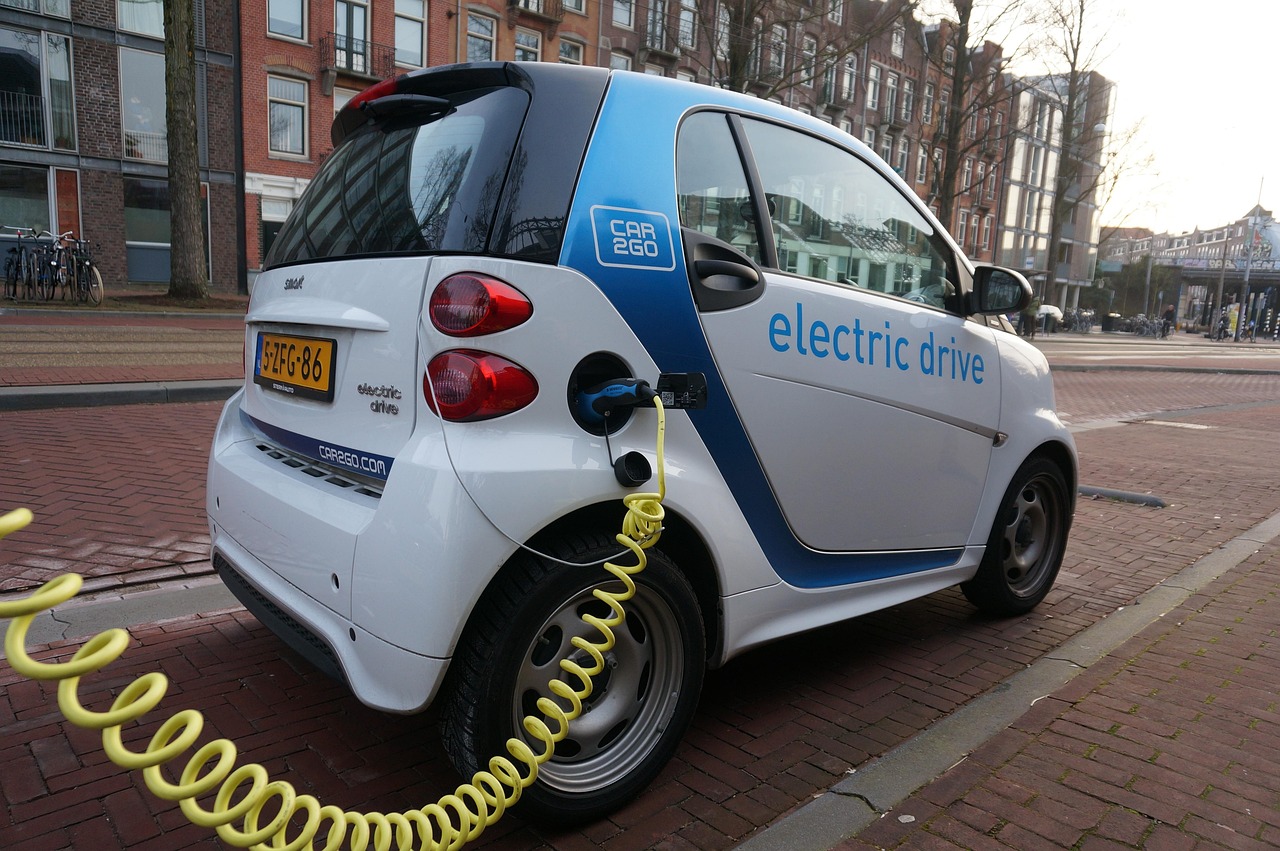
Alternative Fuel Vehicles refer to vehicles that use alternative fuels, s… #
Alternative fuel vehicles are closely related to other terms such as electric vehicles, hybrid vehicles, and low-emission vehicles. Alternative fuel vehicles have numerous benefits, including reduced emissions, improved air quality, and increased energy efficiency. For example, countries like Norway and China have implemented policies to encourage the adoption of electric vehicles, reducing greenhouse gas emissions and improving air quality.
Behavioral Change refers to the process of changing individual beh… #
Behavioral change is closely related to other terms such as travel behavior, mode choice, and transportation psychology. Behavioral change can be influenced by various factors, including economic incentives, social norms, and environmental awareness. For example, cities like Tokyo and Seoul have implemented campaigns to encourage residents to use public transportation, reducing traffic congestion and improving air quality.
Capacity Building refers to the process of developing skills, k… #
Capacity building is closely related to other terms such as institutional development, technical assistance, and training programs. Capacity building is essential for effective transportation planning and policy implementation, as it enables stakeholders to develop and implement sustainable transportation solutions. For example, international organizations like the World Bank and the Asian Development Bank have provided capacity-building programs to support sustainable transportation development in developing countries.
Carbon Footprint refers to the amount of greenhouse gas emissions asso… #
Carbon footprint is closely related to other terms such as greenhouse gas emissions, climate change, and sustainable transportation. Carbon footprint can be reduced by using alternative fuel vehicles, improving fuel efficiency, and increasing the use of public transportation. For example, companies like Google and Amazon have implemented policies to reduce their carbon footprint, investing in renewable energy and promoting sustainable transportation modes.
Climate Change refers to the long #
term change in the Earth's climate, primarily caused by human activities, such as burning fossil fuels and deforestation. Climate change is closely related to other terms such as greenhouse gas emissions, sustainable transportation, and environmental policy. Climate change has numerous impacts on transportation, including more frequent natural disasters, sea-level rise, and changes in weather patterns. For example, cities like Miami and Rotterdam are vulnerable to sea-level rise, requiring adaptive transportation planning and infrastructure development.
Congestion Pricing refers to the practice of charging drivers a fe… #
Congestion pricing is closely related to other terms such as road pricing, traffic management, and travel demand management. Congestion pricing can be implemented through various measures, including electronic toll collection systems and intelligent transportation systems. For example, cities like London and Singapore have implemented congestion pricing schemes, reducing traffic congestion and increasing travel times.
Demand Management refers to the process of managing travel demand… #
Demand management is closely related to other terms such as travel behavior, mode choice, and transportation planning. Demand management can be achieved through various measures, including economic incentives, social norms, and environmental awareness. For example, cities like Tokyo and Seoul have implemented campaigns to encourage residents to use public transportation, reducing traffic congestion and improving air quality.
Emissions Reduction refers to the process of reducing greenhouse g… #
Emissions reduction is closely related to other terms such as climate change, sustainable transportation, and environmental policy. Emissions reduction can be achieved through various measures, including improving fuel efficiency, increasing the use of alternative fuel vehicles, and promoting sustainable transportation modes. For example, countries like Norway and China have implemented policies to encourage the adoption of electric vehicles, reducing greenhouse gas emissions and improving air quality.
Energy Efficiency refers to the process of reducing energy consump… #
Energy efficiency is closely related to other terms such as sustainable transportation, environmental policy, and climate change. Energy efficiency can be achieved through various measures, including improving fuel efficiency, optimizing traffic flow, and promoting sustainable transportation modes. For example, companies like Google and Amazon have implemented policies to reduce their energy consumption, investing in renewable energy and promoting sustainable transportation modes.
Environmental Impact Assessment refers to the process of evaluating</i… #
Environmental impact assessment is closely related to other terms such as environmental policy, sustainable transportation, and climate change. Environmental impact assessment is essential for informed decision-making and effective transportation planning, as it enables stakeholders to identify and mitigate potential environmental impacts. For example, cities like Los Angeles and Beijing have implemented environmental impact assessments to evaluate the potential environmental impacts of transportation projects, reducing air pollution and improving public health.
Freight Transportation refers to the movement of goods and commodities… #
Freight transportation is closely related to other terms such as logistics, supply chain management, and transportation planning. Freight transportation has numerous impacts on the environment, including air pollution, noise pollution, and congestion. For example, companies like Walmart and Amazon have implemented policies to reduce their freight transportation emissions, investing in alternative fuel vehicles and optimizing logistics operations.
Fuel Efficiency refers to the process of reducing fuel consumption… #
Fuel efficiency is closely related to other terms such as energy efficiency, sustainable transportation, and environmental policy. Fuel efficiency can be achieved through various measures, including improving vehicle design, optimizing traffic flow, and promoting sustainable transportation modes. For example, countries like Japan and Germany have implemented policies to encourage the development of fuel-efficient vehicles, reducing greenhouse gas emissions and improving air quality.
Governance refers to the process of exercising authority and co… #
Governance is closely related to other terms such as policy instruments, institutional development, and capacity building. Governance is essential for effective transportation planning and policy implementation, as it enables stakeholders to develop and implement sustainable transportation solutions. For example, cities like New York and Paris have implemented governance structures to coordinate transportation planning and policy implementation, improving transportation services and reducing congestion.
Greenhouse Gas Emissions refer to the release of gases, such as carbon di… #
Greenhouse gas emissions are closely related to other terms such as climate change, sustainable transportation, and environmental policy. Greenhouse gas emissions can be reduced through various measures, including improving fuel efficiency, increasing the use of alternative fuel vehicles, and promoting sustainable transportation modes. For example, countries like Norway and China have implemented policies to encourage the adoption of electric vehicles, reducing greenhouse gas emissions and improving air quality.
Infrastructure Development refers to the process of building and <… #
Infrastructure development is closely related to other terms such as transportation planning, policy instruments, and governance. Infrastructure development is essential for effective transportation services, as it enables the movement of people and goods. For example, cities like Shanghai and Dubai have invested heavily in infrastructure development, improving transportation services and supporting economic growth.
Intelligent Transportation Systems refer to the use of advanced te… #
Intelligent transportation systems are closely related to other terms such as traffic management, transportation planning, and policy instruments. Intelligent transportation systems can be used to optimize traffic flow, reduce congestion, and improve public transportation services. For example, cities like Tokyo and Seoul have implemented intelligent transportation systems to optimize traffic flow and reduce congestion, improving transportation services and reducing air pollution.
Land Use Planning refers to the process of managing land use to <i… #
Land use planning is closely related to other terms such as urban planning, transportation planning, and policy instruments. Land use planning is essential for effective transportation planning, as it enables stakeholders to develop and implement sustainable transportation solutions. For example, cities like Copenhagen and Vancouver have implemented land use planning strategies to support sustainable transportation and reduce urban sprawl, improving transportation services and reducing greenhouse gas emissions.
Low #
Emission Vehicles refer to vehicles that emit lower levels of greenhouse gases and air pollutants, such as electric vehicles and hybrid vehicles. Low-emission vehicles are closely related to other terms such as alternative fuel vehicles, sustainable transportation, and environmental policy. Low-emission vehicles have numerous benefits, including reduced emissions, improved air quality, and increased energy efficiency. For example, countries like Norway and China have implemented policies to encourage the adoption of electric vehicles, reducing greenhouse gas emissions and improving air quality.
Mobility Management refers to the process of managing travel deman… #
Mobility management is closely related to other terms such as travel behavior, mode choice, and transportation planning. Mobility management can be achieved through various measures, including economic incentives, social norms, and environmental awareness. For example, cities like Tokyo and Seoul have implemented mobility management strategies to encourage residents to use public transportation, reducing traffic congestion and improving air quality.
Mode Choice refers to the process of selecting a transportation mo… #
Mode choice is closely related to other terms such as travel behavior, mobility management, and transportation planning. Mode choice can be influenced by various factors, including economic incentives, social norms, and environmental awareness. For example, cities like Copenhagen and Amsterdam have implemented policies to encourage residents to use bicycles as a primary mode of transportation, reducing traffic congestion and improving air quality.
Multimodal Transportation refers to the use of multiple transportation mo… #
Multimodal transportation is closely related to other terms such as transportation planning, policy instruments, and governance. Multimodal transportation can be achieved through various measures, including integrating transportation modes, improving public transportation services, and promoting walking and cycling. For example, cities like New York and Paris have implemented multimodal transportation strategies to improve transportation services and reduce congestion, supporting economic growth and improving quality of life.
Non #
Motorized Transportation refers to human-powered modes of transportation, such as walking and cycling, that promote physical activity and reduce reliance on fossil fuels. Non-motorized transportation is closely related to other terms such as active transportation, sustainable transportation, and environmental policy. Non-motorized transportation has numerous benefits, including improved air quality, reduced traffic congestion, and increased physical activity. For example, cities like Copenhagen and Amsterdam have invested heavily in cycling infrastructure, encouraging residents to use bicycles as a primary mode of transportation, reducing traffic congestion and improving air quality.
Parking Management refers to the process of managing parking suppl… #
Parking management is closely related to other terms such as transportation planning, policy instruments, and governance. Parking management can be achieved through various measures, including pricing strategies, regulating parking supply, and promoting alternative transportation modes. For example, cities like San Francisco and Singapore have implemented parking management strategies to reduce traffic congestion and improve transportation services, supporting economic growth and improving quality of life.
Policy Instruments refer to the tools and strategies used to im… #
Policy instruments are closely related to other terms such as governance, institutional development, and capacity building. Policy instruments are essential for effective transportation planning and policy implementation, as they enable stakeholders to develop and implement sustainable transportation solutions. For example, cities like New York and Paris have implemented policy instruments to reduce traffic congestion and improve transportation services, supporting economic growth and improving quality of life.
Road Pricing refers to the practice of charging drivers a fee to <… #
Road pricing is closely related to other terms such as congestion pricing, traffic management, and travel demand management. Road pricing can be implemented through various measures, including electronic toll collection systems and intelligent transportation systems. For example, cities like London and Singapore have implemented road pricing schemes, reducing traffic congestion and increasing travel times.
Sustainable Transportation refers to transportation modes and systems tha… #
Sustainable transportation is closely related to other terms such as environmental policy, climate change, and governance. Sustainable transportation can be achieved through various measures, including improving fuel efficiency, increasing the use of alternative fuel vehicles, and promoting sustainable transportation modes. For example, countries like Norway and China have implemented policies to encourage the adoption of electric vehicles, reducing greenhouse gas emissions and improving air quality.
Traffic Management refers to the process of managing traffic flow… #
Traffic management is closely related to other terms such as transportation planning, policy instruments, and governance. Traffic management can be achieved through various measures, including optimizing traffic signal timing, managing traffic lanes, and promoting alternative transportation modes. For example, cities like Tokyo and Seoul have implemented traffic management strategies to optimize traffic flow and reduce congestion, improving transportation services and reducing air pollution.
Transportation Planning refers to the process of planning and d… #
Transportation planning is closely related to other terms such as policy instruments, governance, and capacity building. Transportation planning is essential for effective transportation services, as it enables stakeholders to develop and implement sustainable transportation solutions. For example, cities like New York and Paris have implemented transportation planning strategies to improve transportation services and reduce congestion, supporting economic growth and improving quality of life.
Travel Behavior refers to the study of how people travel an… #
Travel behavior is closely related to other terms such as mobility management, mode choice, and transportation planning. Travel behavior can be influenced by various factors, including economic incentives, social norms, and environmental awareness. For example, cities like Copenhagen and Amsterdam have implemented policies to encourage residents to use bicycles as a primary mode of transportation, reducing traffic congestion and improving air quality.
Travel Demand Management refers to the process of managing travel… #
Travel demand management is closely related to other terms such as mobility management, mode choice, and transportation planning. Travel demand management can be achieved through various measures, including economic incentives, social norms, and environmental awareness. For example, cities like Tokyo and Seoul have implemented travel demand management strategies to encourage residents to use public transportation, reducing traffic congestion and improving air quality.
Urban Planning refers to the process of planning and developing… #
Urban planning is closely related to other terms such as land use planning, transportation planning, and policy instruments. Urban planning is essential for effective transportation planning, as it enables stakeholders to develop and implement sustainable transportation solutions. For example, cities like Copenhagen and Vancouver have implemented urban planning strategies to support sustainable transportation and reduce urban sprawl, improving transportation services and reducing greenhouse gas emissions.
Vehicle Emissions refer to the release of pollutants, such as particulate… #
Vehicle emissions are closely related to other terms such as air quality, environmental policy, and sustainable transportation. Vehicle emissions can be reduced through various measures, including improving fuel efficiency, increasing the use of alternative fuel vehicles, and promoting sustainable transportation modes. For example, countries like Norway and China have implemented policies to encourage the adoption of electric vehicles, reducing vehicle emissions and improving air quality.