
Emerging Technologies and Energy Security
Expert-defined terms from the Certificate in Energy Security and Geopolitics course at London School of Business and Administration. Free to read, free to share, paired with a professional course.
Advanced Nuclear Reactors are next‑generation nuclear power systems that… #
Small modular reactors, molten‑salt reactors, and fast‑breeder reactors are common sub‑categories. These designs often incorporate passive safety features that shut down the reactor without human intervention, and many can be factory‑fabricated and shipped to sites, reducing construction time. For example, the NuScale SMR in the United States is a 60 MW modular unit intended for remote or grid‑support applications. Practical applications include providing baseload power to isolated communities, desalination, and hydrogen production via high‑temperature electrolysis. Challenges involve regulatory approval, high upfront capital costs, public perception of nuclear risk, and the need for a robust fuel supply chain for novel fuel types such as thorium.
AI and Energy Forecasting refers to the use of artificial intelligence al… #
Related concepts include time‑series analysis, reinforcement learning, and big data analytics. AI models can ingest weather data, social media trends, and real‑time grid measurements to produce forecasts with higher accuracy than traditional statistical methods. An example is Google’s DeepMind partnership with the UK National Grid, where AI reduced forecast error for wind generation by up to 20 %. Practical applications span day‑ahead market bidding, demand‑response program design, and optimization of storage dispatch. However, challenges remain in data quality, model interpretability, cybersecurity of AI‑driven control systems, and the risk of algorithmic bias affecting market fairness.
Algal Biofuels are liquid fuels derived from the lipids of micro‑algae cu… #
The technology is linked to third‑generation biofuels, carbon capture, and circular economy. Algae can achieve growth rates up to 30 times faster than terrestrial crops and can be grown on non‑arable land using wastewater or seawater, reducing competition with food production. Companies such as Sapphire Energy have demonstrated pilot‑scale production of algae‑derived diesel. Practical applications include blending with conventional diesel for aviation and marine transport, as well as producing high‑value co‑products like nutraceuticals. Key challenges involve high production costs, energy‑intensive harvesting and drying processes, and the need for genetically engineered strains that maintain high lipid yields at scale.
Antitrust in Energy Markets addresses the enforcement of competition law… #
It intersects with market liberalization, price caps, and regulatory oversight. Antitrust authorities may intervene to block mergers that would create dominant market positions, as seen in the European Commission’s scrutiny of the Enel‑Endesa merger. Practical implications include promoting entry of renewable generators, encouraging demand‑side participation, and safeguarding consumer interests. Challenges include balancing the need for large‑scale investment in infrastructure with the risk of market concentration, as well as the difficulty of defining relevant market boundaries in rapidly evolving, technology‑driven sectors.
Battery Energy Storage Systems (BESS) store electrical energy chemically… #
Related terms include lithium‑ion batteries, flow batteries, and grid‑scale storage. BESS can be deployed behind the meter for commercial facilities or at utility scale to integrate variable renewable generation. A notable example is the 300 MW/1,200 MWh Tesla Megapack installation in California, which supports the state’s renewable integration goals. Practical applications span backup power for hospitals, microgrid stabilization, and providing ancillary services to wholesale markets. Major challenges involve battery degradation, recycling and end‑of‑life management, raw material supply constraints (especially lithium, cobalt, and nickel), and ensuring safety against thermal runaway.
Carbon Capture, Utilization, and Storage (CCUS) encompasses technologies… #
It is closely linked to enhanced oil recovery, blue hydrogen, and negative emissions technologies. The Sleipner project in the North Sea has successfully stored over one million tonnes of CO₂ since 1996. Practical applications include retrofitting fossil‑fuel power plants, capturing emissions from cement and steel factories, and producing synthetic fuels via CO₂ hydrogenation. Challenges are high capture costs, public acceptance of underground storage sites, the need for extensive pipeline infrastructure, and verifying long‑term containment to meet regulatory standards.
Circular Economy in the energy sector promotes the reuse, recycling, and… #
It relates to material flow analysis, industrial symbiosis, and extended producer responsibility. For example, end‑of‑life wind turbine blades can be ground into composite material for construction, reducing landfill pressure. In practice, circular approaches enable the recovery of rare earth elements from decommissioned electric vehicle batteries, feeding back into new battery production. The main challenges involve developing efficient recycling technologies, creating market incentives for secondary material use, and aligning policy frameworks across jurisdictions to standardize circular practices.
Cybersecurity for Energy Infrastructure focuses on protecting power gener… #
Key related concepts include industrial control system (ICS) security, SCADA vulnerabilities, and critical infrastructure protection. The 2015 Ukrainian power grid attack illustrates how malware can disrupt electricity supply to millions. Practical measures involve network segmentation, intrusion detection systems, regular patch management, and employee awareness training. Challenges are the legacy nature of many grid components lacking built‑in security, the expanding attack surface due to IoT integration, and the need for international cooperation to attribute and mitigate state‑sponsored cyber‑operations targeting energy assets.
Decarbonization Pathways are strategic roadmaps that outline how economie… #
They intersect with nationally determined contributions (NDCs), energy transition frameworks, and sectoral mitigation plans. A typical pathway combines rapid renewable deployment, electrification of transport and heating, and CCUS for hard‑to‑abate sectors. For instance, Germany’s “Energiewende” aims for 80 % renewable electricity by 2030 and a coal phase‑out by 2038. Practical applications include policy design, investment prioritization, and monitoring of emissions trajectories. Major challenges involve balancing economic growth, ensuring energy security during the transition, managing stranded assets, and securing public acceptance of new technologies such as hydrogen or nuclear.
Decentralized Energy Markets describe trading platforms where producers a… #
Related terms include peer‑to‑peer (P2P) trading, prosumer, and distributed ledger technology. In Germany’s “Energie‑Coop” pilot, rooftop solar owners sold excess electricity to neighbors via a smart contract, reducing reliance on the central utility. Practical benefits comprise increased market efficiency, enhanced grid resilience, and empowerment of small‑scale generators. Challenges consist of regulatory uncertainty, integration with existing market structures, ensuring data privacy, and achieving sufficient liquidity for reliable price formation.
Energy Access refers to the ability of households, businesses, and instit… #
It is linked to energy poverty, off‑grid solutions, and SDG 7. Solar home systems in Sub‑Saharan Africa have lifted millions out of darkness, providing lighting, phone charging, and productive use for small enterprises. Practical applications include micro‑grids powered by solar or mini‑hydro, pay‑as‑you‑go (PAYG) financing models, and mobile money integration for bill payments. Key challenges involve high upfront costs, limited financing options, maintaining equipment in remote locations, and ensuring that increased access does not exacerbate carbon emissions without clean technology integration.
Energy Data Analytics involves processing large volumes of information fr… #
It connects with digital twins, predictive maintenance, and load forecasting. For example, utilities use analytics to identify voltage anomalies in real time, enabling rapid remedial action and reducing outage durations. Practical applications include optimizing generation dispatch, improving demand‑response targeting, and informing investment decisions for new transmission corridors. Challenges include data silos across entities, ensuring data quality, protecting privacy, and developing skilled talent capable of interpreting complex analytical outputs.
Energy Geopolitics examines how the distribution of energy resources infl… #
Core related concepts are resource nationalism, energy corridors, and strategic petroleum reserves. The 1973 oil embargo demonstrated how supply disruptions can reshape global politics, prompting the formation of OPEC and subsequent diversification efforts. Practical implications for policymakers include negotiating pipeline contracts, managing sanctions, and balancing domestic energy independence with global market integration. Challenges arise from the volatility of commodity prices, the rise of renewable sources that alter traditional resource‑based power structures, and the need to address climate commitments while maintaining geopolitical stability.
Energy Resilience is the capacity of energy systems to anticipate, absorb… #
It aligns with grid hardening, redundancy planning, and risk assessment. Hurricane Maria highlighted the vulnerability of Puerto Rico’s centralized grid, prompting a shift toward microgrids and diversified generation. Practical measures include installing flood‑resistant substations, integrating distributed storage, and establishing emergency response protocols. Challenges involve the high cost of retrofitting legacy infrastructure, coordinating across multiple jurisdictions, and ensuring that resilience investments do not conflict with decarbonization objectives.
Energy Sovereignty denotes a nation’s ability to control its own energy p… #
It relates to domestic resource development, energy diversification, and strategic autonomy. Countries such as Norway leverage abundant hydro resources to achieve near‑full energy independence, while also exporting surplus electricity. Practical strategies include investing in local renewable projects, developing domestic supply chains for critical components like batteries, and establishing legal frameworks that protect national assets. Major challenges involve balancing openness to foreign investment with protection of strategic assets, and managing the transition from fossil‑based imports to renewable self‑sufficiency without compromising economic stability.
Energy Transition Financing covers the mobilization of capital to support… #
Related terms include green bonds, sustainability‑linked loans, and climate‑risk disclosure. The European Investment Bank’s €500 billion climate action plan exemplifies large‑scale public financing aimed at renewable deployment, energy efficiency, and clean transport. Practical applications involve blended finance structures that combine public grants with private equity, risk mitigation instruments like political risk insurance, and the creation of dedicated transition funds for emerging economies. Challenges consist of aligning investor expectations with long‑term return horizons, ensuring transparency in impact reporting, and overcoming policy uncertainty that can deter private sector participation.
Energy Storage encompasses technologies that retain energy for later use,… #
It is linked to grid flexibility, renewable integration, and capacity firming. Pumped hydro remains the largest global storage asset, providing gigawatt‑scale capacity for load balancing. Practical uses include smoothing solar output fluctuations, providing ancillary services such as spinning reserve, and enabling off‑grid electrification in remote areas. Challenges include site‑specific constraints for pumped hydro, high upfront costs for battery installations, limited lifespans of certain chemistries, and the need for standardized performance metrics across storage technologies.
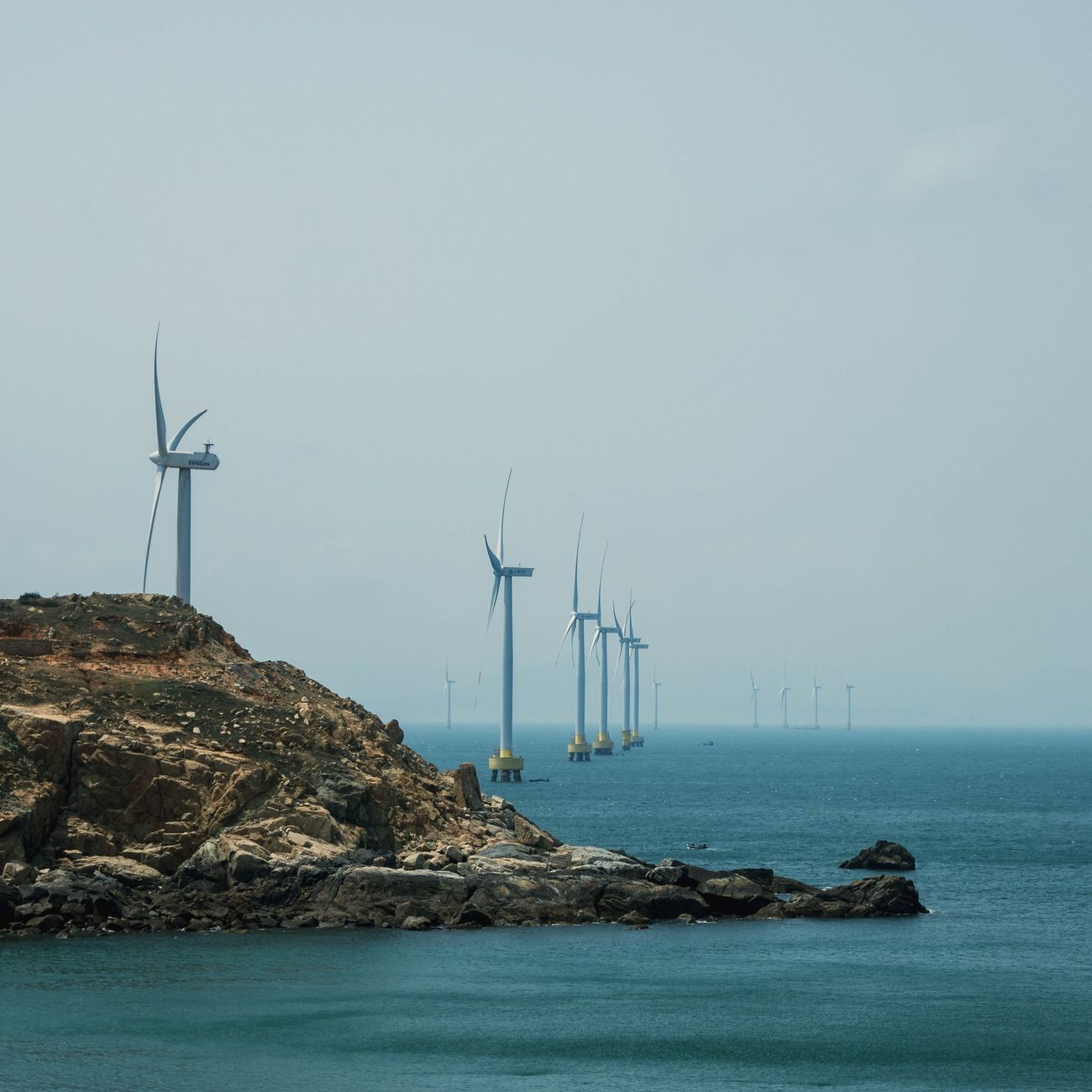
Floating Offshore Wind refers to wind turbines mounted on floating platfo… #
Related concepts are spar buoy, semi‑submersible, and deep‑water resource potential. The Hywind Scotland pilot, a 30 MW floating wind farm, demonstrated commercial viability with a capacity factor above 50 %. Practical applications include supplying power to coastal cities, integrating with offshore oil‑and‑gas platforms for hybrid energy systems, and expanding the wind resource base for nations with limited shallow seas. Key challenges involve higher capital costs, complex mooring and anchoring systems, maintenance logistics in harsh marine environments, and securing financing for early‑stage projects.
Geopolitical Risk Index is a quantitative tool that aggregates political,… #
It ties into country risk assessment, commodity price volatility, and investment screening. The World Bank’s “Political Stability and Absence of Violence” indicator is often incorporated into such indices. Practical uses include guiding portfolio diversification for energy investors, informing insurance premiums for shipping routes, and supporting government decisions on strategic stockpiling. Challenges arise from data reliability, the subjective weighting of diverse risk factors, and rapidly changing circumstances—such as sudden sanctions—that can render static models obsolete.
Grid Modernization involves upgrading electricity networks to improve rel… #
It is associated with smart meters, advanced distribution management systems (ADMS), and grid automation. In the United States, the Smart Grid Investment Grant program funded over 200 projects that introduced automated fault detection and remote reconfiguration. Practical outcomes include reduced outage durations, better integration of solar and wind, and enhanced demand‑response capabilities. Major challenges include the high cost of legacy infrastructure replacement, cybersecurity vulnerabilities introduced by increased connectivity, and the need for regulatory frameworks that incentivize utilities to adopt innovative technologies.
Hydrogen Economy envisions large‑scale production, distribution, and util… #
Core related terms are green hydrogen, blue hydrogen, and hydrogen hubs. Green hydrogen is generated via electrolysis powered by renewable electricity, as demonstrated by the 100 MW electrolyzer in Saudi Arabia’s NEOM project. Practical applications include fuel‑cell electric vehicles, decarbonizing steelmaking through hydrogen‑based reduction, and storing excess renewable energy. Challenges consist of high electrolyzer capital costs, limited hydrogen transmission infrastructure, the need for standardized safety codes, and ensuring that blue hydrogen’s carbon capture component achieves genuine emissions reductions.
Hybrid Renewable Systems combine two or more renewable technologies #
such as solar, wind, and biomass—with storage to provide a more reliable power supply. They connect with energy complementarity, microgrid design, and capacity factor optimization. A typical hybrid in Kenya couples solar PV with wind turbines and a battery bank, achieving a combined capacity factor of over 60 %. Practical benefits include reduced curtailment, better utilization of land, and enhanced grid stability in remote areas. Challenges involve complex system sizing, higher initial capital outlays, the need for sophisticated control algorithms, and potential regulatory barriers when connecting to national grids.
International Energy Agency (IEA) is an intergovernmental organization th… #
Its work is linked to energy statistics, technology roadmaps, and policy dialogues. The IEA’s “World Energy Outlook” annually shapes global discourse on decarbonization pathways and investment trends. Practical impacts include informing national energy strategies, guiding private sector investment decisions, and facilitating collaboration on emerging technologies like carbon capture. Challenges include reconciling diverse member country interests, addressing data gaps in emerging economies, and maintaining relevance as the energy landscape shifts toward decentralized and digitalized models.
Lithium Supply Chain encompasses mining, refining, cathode production, ce… #
Associated terms include resource geopolitics, critical minerals, and circular supply. The “Lithium Triangle” in South America (Chile, Argentina, Bolivia) accounts for over 50 % of global lithium reserves, while Australia dominates production. Practical considerations involve securing long‑term contracts for battery manufacturers, developing recycling facilities to recover lithium from spent batteries, and investing in alternative chemistries that reduce reliance on scarce resources. Challenges include environmental impacts of mining (water depletion, habitat disruption), concentration of processing capacity in a few countries, price volatility, and the need for transparent supply‑chain traceability to meet ESG criteria.
Microgrids are localized electricity networks that can operate autonomous… #
They are related to islanded operation, energy communities, and grid resilience. An example is the Brooklyn Microgrid, where participants trade locally generated solar energy via a blockchain platform. Practical applications include supplying remote villages, enhancing reliability for critical facilities like hospitals, and providing a platform for community‑owned renewable projects. Key challenges involve regulatory hurdles concerning interconnection standards, ensuring economic viability without subsidies, managing complex control systems, and coordinating multiple stakeholders with differing objectives.
Nuclear Fusion aims to replicate the energy‑producing processes of the su… #
Related concepts include tokamak, stellarator, and plasma confinement. The ITER project in France represents a multinational effort to demonstrate a net‑positive energy output, targeting first plasma by 2025. Practical implications include the potential for virtually limitless clean power, reduced reliance on uranium mining, and minimal greenhouse‑gas emissions. However, challenges are formidable: Achieving sustained high‑temperature plasma, developing materials that withstand intense neutron flux, securing long‑term funding, and addressing public perception of nuclear technologies despite fusion’s distinct safety profile.
Offshore Oil and Gas refers to hydrocarbon extraction activities conducte… #
It connects with subsea engineering, enhanced oil recovery, and decommissioning. The Gulf of Mexico’s deep‑water platforms illustrate the technical complexity of drilling at depths exceeding 2,500 m. Practical applications include supplying global energy demand, providing feedstock for petrochemical industries, and generating revenues for host nations. Challenges involve high capital intensity, environmental risks such as oil spills, the need for robust regulatory oversight, and the increasing economic pressure from cheaper renewable alternatives that accelerate the sector’s transition to cleaner energy sources.
Power‑to‑X encompasses processes that convert electrical energy into othe… #
It is related to electrolysis, methanation, and synthetic natural gas. An example is the “Power‑to‑Methanol” plant in Oman, which uses surplus solar electricity to produce methanol for export. Practical uses include storing excess renewable electricity, providing low‑carbon fuels for aviation and shipping, and creating feedstock for petrochemical industries without relying on fossil feedstocks. Challenges consist of low overall conversion efficiency, high capital costs for electrolyzers and downstream synthesis units, the need for large-scale CO₂ capture to close the carbon loop, and establishing market demand for the resulting fuels.
Renewable Energy Certificates (RECs) are tradable instruments that certif… #
They relate to green power purchasing, carbon accounting, and regulatory compliance. In the United States, utilities meet Renewable Portfolio Standards by acquiring RECs from wind farms, thus enabling corporate buyers to claim renewable electricity consumption. Practical applications include corporate sustainability reporting, offsetting emissions for organizations lacking on‑site renewable generation, and facilitating financing for new renewable projects through REC sales. Challenges involve ensuring additionality (that REC purchases lead to new renewable capacity), preventing double counting, and addressing market volatility that can affect REC pricing and availability.
Smart Grids integrate digital communication, automation, and advanced ana… #
Associated terms include advanced metering infrastructure (AMI), demand‑response, and grid edge technologies. The Italian “Smart Grid” pilot in Lombardy demonstrated a 15 % reduction in peak demand through real‑time price signals and automated load control. Practical benefits include better integration of distributed renewable generation, reduced transmission losses, and empowered consumers who can manage usage via mobile apps. Major challenges are the high cost of deploying sensors and communication infrastructure, ensuring data privacy, safeguarding against cyber attacks, and aligning regulatory frameworks to incentivize utilities to invest in smart technologies.
Strategic Petroleum Reserve (SPR) is a government‑controlled stockpile of… #
It is linked to energy security, stockpile management, and price stabilization. The United States maintains a reserve of over 700 million barrels stored in underground caverns along the Gulf Coast. Practical applications include emergency releases during geopolitical crises (e.G., The 2021 Gulf oil supply shock) and providing a buffer that can deter market manipulation. Challenges involve the high cost of maintenance, the environmental impact of underground storage, the diminishing relevance of oil in a decarbonizing world, and political debates over the optimal size and usage policies of such reserves.
Supply Chain Resilience in the energy sector refers to the ability to mai… #
It connects with just‑in‑time inventory, dual‑sourcing, and risk diversification. The COVID‑19 pandemic exposed vulnerabilities in solar panel supply chains, prompting manufacturers to diversify production across Southeast Asia and Europe. Practical strategies include building strategic stockpiles, investing in domestic processing facilities, and employing digital twins to simulate supply‑chain shocks. Challenges consist of higher inventory holding costs, geopolitical tensions that may limit cross‑border trade, and the need for transparent supplier data to assess exposure to risks such as natural disasters or labor disputes.
Swarm Robotics for Maintenance leverages collections of small, coordinate… #
Related concepts include collective intelligence, autonomous navigation, and predictive maintenance. A pilot project by a European research consortium demonstrated a swarm of 20 drones autonomously inspecting a 150‑meter offshore wind blade, reducing inspection time by 70 %. Practical applications involve reducing human exposure to hazardous environments, lowering maintenance costs, and providing high‑resolution data for condition‑based asset management. Challenges include ensuring reliable communication in harsh environments, developing robust collision‑avoidance algorithms, and achieving regulatory approval for autonomous operations in regulated airspace.
Thin‑Film Solar technology deposits photovoltaic material in layers only… #
It is associated with building‑integrated photovoltaics (BIPV), perovskite cells, and roll‑to‑roll manufacturing. Companies such as First Solar have commercialized cadmium‑telluride thin‑film panels with efficiencies above 19 %. Practical uses include integration on curved surfaces like vehicle roofs, portable chargers, and large‑area utility installations where weight is a constraint. Challenges involve lower efficiency compared with crystalline silicon, material stability (especially for emerging perovskite technologies), and the need for large‑scale manufacturing processes that can compete on cost with traditional PV.
Ultra‑Deep Seabed Mining targets mineral deposits such as manganese nodul… #
It relates to marine biodiversity, environmental impact assessment, and deep‑sea robotics. The International Seabed Authority has begun issuing exploration licenses, with the potential to supply critical materials for batteries and renewable technologies. Practical applications include providing a new source of cobalt and nickel for battery manufacturers, reducing reliance on terrestrial mining. However, challenges are significant: The technology is still experimental, high extraction costs, uncertain legal frameworks governing the high‑seas commons, and profound concerns about irreversible damage to poorly understood deep‑sea ecosystems.
Virtual Power Plants aggregate distributed energy resources #
such as rooftop solar, battery storage, and demand‑response assets—into a centrally coordinated entity that can bid into wholesale markets as a single plant. Linked concepts include aggregators, energy market participation, and grid services. In Germany, the “Next Kraftwerk” platform successfully coordinated thousands of residential batteries to provide frequency regulation, earning revenue for participants. Practical benefits include unlocking value from otherwise idle assets, enhancing grid flexibility, and supporting renewable integration without new large‑scale generation. Challenges involve complex communication protocols, ensuring reliable real‑time response from heterogeneous assets, regulatory barriers that may limit market access for aggregated resources, and the need for robust cybersecurity measures.
Water‑Energy Nexus describes the interdependence between water availabili… #
Associated terms include energy‑intensive desalination, hydropower variability, and resource competition. In the Middle East, the integration of solar‑powered reverse‑osmosis plants demonstrates how renewable energy can alleviate water scarcity while reducing carbon emissions. Practical applications involve co‑optimizing water and energy infrastructure, such as using excess renewable electricity for pumped‑hydro storage that also provides water supply. Challenges include managing trade‑offs during droughts, ensuring equitable allocation among competing sectors, and developing policies that recognize the joint value of water and energy assets.
Zero‑Emission Vehicles (ZEVs) encompass electric, fuel‑cell, and other pr… #
They are linked to charging infrastructure, vehicle‑to‑grid (V2G), and automotive electrification. Norway leads global ZEV adoption, with electric cars accounting for over 80 % of new vehicle registrations in 2023, supported by extensive fast‑charging networks and fiscal incentives. Practical benefits include reduced urban air pollution, lower greenhouse‑gas emissions when powered by clean electricity, and the potential to provide grid services through V2G. Challenges revolve around battery raw‑material supply constraints, the need for widespread high‑power charging, ensuring the electricity used is truly low‑carbon, and managing the lifecycle environmental impacts of battery production and disposal.
Geothermal Energy harnesses heat from the Earth’s interior to generate el… #
It is associated with enhanced geothermal systems (EGS), binary cycle plants, and baseload renewable power. Iceland derives nearly 30 % of its electricity from geothermal sources, showcasing its reliability and low emissions. Practical applications include electricity generation in tectonically active regions, district heating for residential and industrial zones, and using geothermal heat for greenhouse agriculture. Challenges include high upfront drilling costs, resource uncertainty in regions without obvious geothermal gradients, potential induced seismicity from EGS, and the need for robust regulatory frameworks to manage water usage and mineral extraction from geothermal fluids.
Carbon Pricing assigns a monetary cost to greenhouse‑gas emissions, incen… #
It connects with cap‑and‑trade, carbon tax, and emissions trading systems (ETS). The European Union Emissions Trading System, the world’s largest ETS, has driven a 30 % reduction in power‑sector emissions since its inception. Practical effects include encouraging investment in low‑carbon technologies, generating revenue that can fund climate projects, and providing a clear price signal for industry. Challenges include setting an appropriate price level to drive transformation without harming competitiveness, preventing carbon leakage, ensuring equitable impacts across income groups, and maintaining political support for long‑term policy stability.
Energy Efficiency Standards establish minimum performance criteria for ap… #
They relate to labeling schemes, building codes, and performance contracting. The U.S. ENERGY STAR program has saved an estimated 4 % of national electricity consumption since 1992. Practical applications include retrofitting commercial buildings with high‑efficiency HVAC systems, mandating low‑energy lighting in new construction, and implementing variable‑speed drives in manufacturing. Challenges involve ensuring compliance and enforcement, updating standards to keep pace with technological advances, addressing rebound effects where efficiency gains lead to increased usage, and managing upfront costs for retrofits, especially in developing economies.
Smart Cities integrate information and communication technologies to mana… #
Linked concepts include Internet of Things (IoT), urban mobility, and energy dashboards. Barcelona’s smart lighting system reduces electricity use by 70 % through adaptive controls and sensor‑based dimming. Practical benefits include optimized street lighting, real‑time monitoring of building energy performance, and facilitation of electric‑vehicle charging infrastructure. Challenges comprise data privacy concerns, high initial investment, the need for interoperable standards among diverse devices, and ensuring that smart solutions are inclusive and do not exacerbate digital divides.
Hydropower generates electricity by converting the kinetic energy of flow… #
It is associated with run‑of‑the‑river, reservoir storage, and pumped‑storage. The Three Gorges Dam in China, with a capacity of 22 GW, exemplifies large‑scale hydroelectric development. Practical applications include providing baseload power, offering fast‑response grid services, and supporting water management for irrigation and flood control. Challenges involve ecological impacts such as fish migration disruption, displacement of communities, sedimentation reducing reservoir capacity, and vulnerability to droughts which can diminish generation during climate‑induced water scarcity.
Smart Metering replaces traditional mechanical meters with digital device… #
It connects with time‑of‑use tariffs, load profiling, and consumer engagement. In the United Kingdom, over 30 million smart meters have been installed, enabling dynamic pricing and reducing estimated billing errors. Practical advantages include empowering consumers to adjust usage based on price signals, improving outage detection, and facilitating demand‑response programs. Challenges involve ensuring data security, protecting consumer privacy, managing the cost of large‑scale rollouts, and addressing interoperability issues among different vendors and utility systems.
Renewable Portfolio Standards (RPS) are policy mechanisms that require el… #
They are linked to state-level mandates, certified renewable credits, and compliance markets. California’s RPS targets 60 % renewable electricity by 2030, driving substantial solar and wind deployment. Practical impacts include stimulating investment in renewable projects, creating markets for RECs, and providing clear signals for long‑term planning. Challenges consist of setting realistic targets that balance cost and reliability, preventing market manipulation, ensuring that renewable generation is truly additional, and addressing potential equity concerns for low‑income consumers facing higher rates.
Carbon Neutrality denotes a state where net carbon emissions are zero, ac… #
It relates to net‑zero commitments, carbon offsets, and negative emissions technologies. Sweden aims for carbon neutrality by 2045, employing a mix of renewable energy expansion, forest carbon sinks, and industrial carbon capture. Practical steps include electrifying transport, retrofitting buildings for energy efficiency, and investing in afforestation. Challenges involve the high cost of carbon removal, ensuring the integrity of offset projects, managing potential lock‑in of carbon‑intensive infrastructure before transition, and aligning global efforts to avoid competitive disparities.
Energy Policy Modeling uses quantitative frameworks to simulate the impac… #
Associated terms include integrated assessment models (IAMs), scenario analysis, and cost‑benefit evaluation. The MARKAL‑TIMES model, employed by many governments, evaluates technology pathways and policy impacts over decades. Practical applications include informing national climate strategies, assessing the cost-effectiveness of subsidies, and guiding investment in infrastructure. Challenges encompass uncertainties in technology cost trajectories, the difficulty of capturing behavioral responses, the need for high‑quality data, and ensuring that model outcomes are transparent and understandable for policymakers.
Hydrogen Storage addresses the safe containment of hydrogen for transport… #
It ties to compressed gas cylinders, liquid hydrogen, and metal‑hydride sorbents. Japan’s hydrogen stations store the gas at 70 MPa, enabling fuel‑cell vehicle refueling within minutes. Practical solutions include underground salt‑cave storage for large‑scale projects, and solid‑state storage using magnesium alloys for portable devices. Challenges involve high compression energy costs, material embrittlement, boil‑off losses in liquid storage, and the development of standardized safety codes across regions.