
Fundamentals of Stage Lighting
Expert-defined terms from the Certificate Programme in Theater Lighting Techniques (United Kingdom) course at London School of Business and Administration. Free to read, free to share, paired with a professional course.
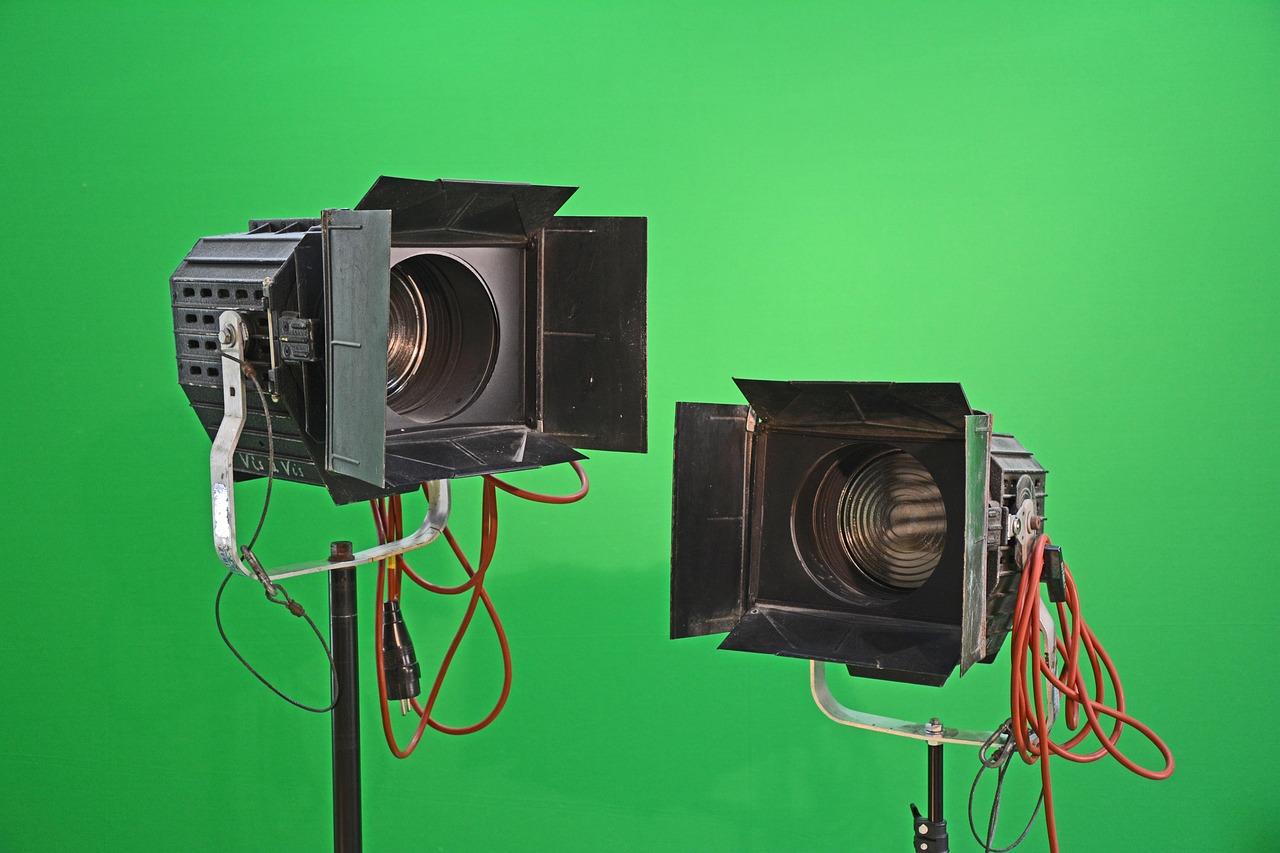
Ambient Light – General illumination that fills the stage without creatin… #
Related: wash, fill Provides a base level of visibility; often created with soft LED panels. Challenge: balancing ambient with focused sources to avoid flatness.
Angle of Incidence – The angle at which a light beam strikes a surface re… #
Related: beam spread, cosine law Influences intensity and texture; steeper angles produce longer shadows. Practical use: adjusting trim spots to highlight texture on set pieces.
Atrium – A large open space within a theatre that can affect lighting dis… #
Related: house, auditorium Requires careful planning of front‑and‑back lighting to avoid glare. Example: using side lights to illuminate balconies without spill.
Backlight – Light placed behind a performer, creating a rim of light that… #
Related: front light, hair light Enhances depth; often a narrow spot. Challenge: preventing lens flare on camera when filming.
Barrel Distortion – Optical aberration where image appears bulged outward… #
Related: lens, optics Can affect projection and follow‑spot clarity. Solution: using high‑quality lenses with correction or digital compensation.
Beam Angle – The angle between the outer edges of a light’s output at ful… #
Related: beam spread, optic Determines coverage area; narrow angles for spot, wide angles for wash. Example: a 30° beam for a cyclorama wash.
Beam Spread – The physical width of a light beam as it travels, often exp… #
Related: beam angle, intensity falloff Influences how quickly light fades across a surface. Managing spread is key when lighting a deep stage.
Blackout – Complete darkness on stage, usually achieved by closing all sh… #
Related: fade, cue Used for scene changes or dramatic effect. Challenge: ensuring safety exits remain illuminated for audience.
Blending – The process of combining multiple light sources to create a se… #
Related: layering, color mixing Example: overlapping a warm wash with a cool highlight to achieve natural skin tones. Requires precise intensity control.
Color Temperature – Measured in Kelvin (K), indicates the hue of a light… #
Related: gel, LED Influences mood; a 3200 K source mimics tungsten, while 5600 K mimics daylight. Balancing temperatures prevents unwanted color casts.
Color Wheel – A circular chart displaying primary, secondary, and tertiar… #
Related: color mixing, additive color Helps designers select complementary gels or LED settings. Example: pairing a blue gel with a orange gel for contrast.
Color Mixing – Combining different colored lights to produce a new hue, e… #
Related: CMY, RGB Practical: using a cyan and magenta LED to create blue. Challenge: ensuring consistent mixing across different fixtures.
Crossfade – A smooth transition where one lighting state fades out while… #
Related: fade, cue Used for seamless scene changes. Requires precise timing in the console to avoid flicker.
DMX (Digital Multiplex) – Standard protocol for controlling lighting fixt… #
Related: address, universe Allows up to 512 channels per universe. Example: a moving light using 24 channels for pan, tilt, color, and gobo. Challenges include addressing errors and signal latency.
DMX Address – Unique number assigned to each fixture or channel within a… #
Related: patch, start address Determines where the console sends data. Mistaken addresses cause fixtures to behave unpredictably. Proper documentation is essential.
DMX Universe – A set of 512 DMX channels that can be controlled together #
Related: multi‑universe, patch Large productions often require multiple universes linked via a network. Managing universes prevents channel overlap.
Doubling – Using two identical fixtures to reinforce a lighting effect, i… #
Related: layering, augmentation Example: two 500 W ellipsoidal spotlights to achieve a bright front light. Consider power load and rigging capacity.
Downlight – Fixture mounted above the stage pointing downwards, commonly… #
Related: uplight, fixture Provides even lighting; often a LED panel or PAR can. Challenge: minimizing shadows when used with front lighting.
Distribution Curve – Graphical representation of a light’s intensity fall… #
Related: beam profile, photometry Helps designers predict how light spreads on set pieces. Example: a 70% distribution curve indicates soft edges.
Doubling – See “Doubling” entry above (duplicate term for alphabetical co… #
Doubling – See “Doubling” entry above (duplicate term for alphabetical completeness).
Edge Light – Light placed at the perimeter of a stage area to define boun… #
Related: border, wash Often a narrow strip of LED tape. Provides visual separation; must be balanced to avoid harsh lines.
Ellipsoidal Reflector Spotlight (ERS) – A versatile, lens‑focused fixture… #
Related: Leko, profile Commonly used for “key” and “punch” lighting. Example: using a 4‑inch ERS for a tight spotlight on a lead actor. Requires careful focusing and gel selection.
Fade – Gradual change in intensity of a single lighting instrument or gro… #
Related: crossfade, cue Used to dim lights for mood shifts. Timing is critical; too fast can appear abrupt, too slow may lose momentum.
Fixture – Any lighting instrument, such as a PAR can, LED panel, or movin… #
Related: luminaire, unit Each fixture has specific capabilities and addressing requirements. Proper maintenance ensures reliability.
Flicker – Rapid, unintended variation in light intensity, often caused by… #
Related: stroboscope, PWM Visible to the eye and can be distracting. Mitigation includes using high‑frequency dimmers or LED fixtures with stable drivers.
Focus – The adjustment of a light’s beam to achieve a desired shape and s… #
Related: lens, distance Involves moving the fixture, adjusting zoom, and sometimes using shutters. Essential for creating crisp edges on actors.
Gel – Colored sheet placed in front of a light to modify its color output #
Related: filter, color Traditional gels are made of heat‑resistant polyester; modern alternatives include dichroic filters. Example: a Rosco 26 “Blue” gel for a cool atmosphere. Challenge: gel aging and color shift over time.
Gobo – A metal or glass pattern inserted into a fixture to project shapes… #
Related: template, projection Common in moving lights for creating foliage, windows, or logos. Practical: using a leaf gobo to simulate a forest canopy. Requires precise focus and adequate throw distance.
Grip – The department responsible for rigging, mounting, and securing lig… #
Related: rigging, crew Works closely with lighting designers to ensure safe placement. Challenges include weight distribution and compliance with safety regulations.
Ground Light – Light positioned at floor level to illuminate the stage fr… #
Related: footlight, low‑angle Example: using a low‑intensity amber ground light for a sunrise scene. Must be carefully angled to avoid unwanted shadows.
Gobo Wheel – Rotating mechanism in a moving light that holds multiple gob… #
Related: wheel, slot Enables dynamic texture changes during a performance. Maintenance involves cleaning and ensuring proper indexing.
Haze – Fine particulate matter introduced into the air to make light beam… #
Related: fog, atmosphere Produced by haze machines using oil‑based or water‑based solutions. Used to enhance visual effects; must be balanced to avoid audience discomfort.
House Light – Lighting that illuminates the auditorium for audience safet… #
Related: front‑of‑house, safety Typically a low‑level, warm‑tone wash. Must be dimmed or turned off when the show begins.
Hue – The attribute of a color that defines its position on the color whe… #
g., red, green). Related: saturation, value In lighting, hue selection influences mood and visual hierarchy. Example: selecting a deep red hue for a passionate scene.
Intensity – The brightness level of a light source, measured in lumens or… #
Related: dimmer, output Controlled via dimmers or fixture settings. Over‑intensity can cause washout; under‑intensity may hide details.
Instrument – Synonymous with fixture; any device that produces light #
Related: luminaire, unit Includes conventional lamps, LEDs, and moving heads. Understanding each instrument’s capabilities is essential for effective design.
Lighting Console – Computerized control system used to program, cue, and… #
Related: patch, cue stack Modern consoles support 3D visualization and networking. Operator must be proficient in both hardware and software.
Light Plot – Scaled diagram showing the location, type, and purpose of ea… #
Related: plan, layout Includes notes on focus, color, and intensity. Critical for communication between designer and crew.
Lighting Cue – A specific instruction in the lighting program that trigge… #
Related: cue list, trigger Cues can be timed, manual, or sensor‑based. Accurate execution is vital for synchrony with the performance.
Lighting Designer – Professional responsible for creating the visual ligh… #
Related: technician, creative Works with directors, set designers, and choreographers. Must balance artistic vision with technical feasibility.
Limiting Fuse – A protective device that prevents circuits from drawing m… #
Related: circuit breaker, overload Essential for safeguarding lighting rigs. Must be correctly sized for the load.
Live Load – The weight of equipment, personnel, and props that a rigging… #
Related: dead load, safety factor Calculated during design to ensure structural integrity. Exceeding live load limits can cause failures.
Macro – A pre‑programmed sequence of multiple lighting cues that can be t… #
Related: sub‑cue, automation Useful for complex transitions or effects. Requires careful testing to avoid unintended results.
Mask – An accessory placed in front of a fixture to block part of the bea… #
Related: barn door, flag Commonly used to prevent spill onto unwanted areas. Must be securely attached to avoid movement.
Metering – The process of measuring light levels on stage using a light m… #
Related: exposure, lux Ensures consistent illumination across scenes. Practical: using a spot meter to set front light levels for actors.
Minimize Spill – Reducing unwanted light that falls outside the intended… #
Related: barn doors, shutters Achieved by precise aiming, using gobos, and controlling beam spread. Critical for maintaining contrast and focus.
Moving Light – Automated fixture capable of changing position, color, gob… #
Related: intelligent, motorized Enables dynamic effects such as sweeping beams and rapid color changes. Requires programming and reliable power.
Multicore Cable – Cable containing several individual conductors, used fo… #
Related: conduit, cable tray Reduces clutter and simplifies wiring. Must be rated for the current load and protected against abrasion.
Neutral Density (ND) Filter – A filter that reduces light intensity witho… #
Related: attenuation, gel Useful for balancing brightness when using powerful fixtures. Example: a 0.6 ND filter cuts light by half.
Non‑Linear Dimmer – Dimmer that does not follow a simple linear relations… #
Related: PWM, LED Modern LED fixtures prefer digital dimming; non‑linear dimmers can cause color shifts.
Optic – The lens or combination of lenses within a fixture that shapes th… #
Related: zoom, focus Changing the optic alters beam angle and throw distance. Example: a 19° optic for a tight spot.
Overlay – Adding an additional lighting effect on top of an existing one,… #
Related: layering, augmentation Enables complex visual textures. Must be balanced to avoid over‑saturation.
Patch – The process of assigning DMX addresses to fixtures in the console #
Related: address, universe Accurate patching ensures each fixture responds correctly. Errors can cause multiple fixtures to move together unintentionally.
Photometrics – Data that describes a light source’s distribution, intensi… #
Related: distribution curve, lumen output Used to select appropriate fixtures for a given venue. Manufacturers provide photometric charts for reference.
Pin Spot – A very narrow, intense beam used to highlight a small area or… #
Related: punch, hot spot Often created with a small‑diameter ERS and a tight optic. Challenges include maintaining focus at varying distances.
Pixel Mapping – Assigning individual LED pixels to specific positions or… #
Related: LED wall, addressable Used for intricate graphic displays. Requires precise calibration to avoid misalignment.
Power Distribution Unit (PDU) – Device that distributes electrical power… #
Related: breaker, rack Central to safe operation of lighting rigs. Must handle the total load with margin.
Pre‑Set – A saved configuration of fixture parameters (color, gobo, posit… #
Related: cue, memory Speeds up programming and ensures consistency. Example: a “night” pre‑set for a moving light’s blue wash.
Projection – The act of casting an image or pattern onto a surface using… #
Related: gobo, screen Common in scenic design for backdrops. Requires proper focus and adequate throw distance.
Queue – A series of lighting cues organized in the order they will be exe… #
Related: cue list, timeline Allows the operator to follow the performance flow. Proper labeling prevents confusion.
Quick Change – Rapid alteration of lighting states, often during a brief… #
Related: fast fade, transition Requires pre‑programmed cues and reliable equipment. Example: switching from a warm wash to a cool wash in two seconds.
Rack Unit – Standardized height (1 #
75 inches) for equipment mounted in a rack, such as dimmers or consoles. Related: chassis, mount Planning rack space ensures all needed devices fit.
Reflector – Surface that redirects light, typically inside fixtures to sh… #
Related: parabolic, ellipsoidal Reflector geometry influences beam quality. Example: a silver-coated ellipsoidal reflector for a bright, focused spot.
Rigging – The system of ropes, chains, and hardware used to suspend light… #
Related: fly system, safety Requires calculation of load, balance, and clearance. Regular inspection prevents accidents.
Roller – A device that allows a light to be rolled or rotated around its… #
Related: motor, rotation Enables dynamic texture changes. Must be synchronized with other parameters for smooth effect.
Safety Cable – Redundant cable attached to a fixture to prevent it from f… #
Related: backup, tether Mandatory on most rigging systems. Regular testing ensures integrity.
Scenic Lighting – Lighting that highlights set pieces, backdrops, and env… #
Related: wash, accent Often uses broad washes and color gels. Challenges include avoiding competition with front‑of‑stage lighting.
Shutter – Adjustable metal blades inside an ERS that shape the beam’s edg… #
Related: barn door, mask Allows precise control of beam width without moving the fixture. Useful for creating crisp rectangular highlights.
Side Light – Light placed to the side of the stage, creating depth and mo… #
Related: fill, rim Provides contrast and separates subjects from background. Must be balanced to avoid harsh shadows.
Sine Wave Dimmer – Dimmer that uses a smooth sine‑wave modulation to redu… #
Related: TRIAC, PWM Preferred for older incandescent fixtures. Modern LEDs often require digital dimming.
Spotlight – A fixture that produces a narrow, intense beam, typically use… #
Related: ERS, punch Can be manually or motorized. Focus and aim are critical for effectiveness.
Stage Wash – Broad, even illumination covering the entire stage area #
Related: flood, fill Often created with LED panels or large‑diameter PAR cans. Must be balanced with other lights to avoid flattening the scene.
Strobe – Light that flashes rapidly, creating a visual stroboscopic effec… #
Related: flicker, flash Used for dramatic or rhythmic moments. Must be used responsibly to avoid triggering photosensitive epilepsy.
Sub‑Cue – A secondary cue within a main cue, allowing layered changes wit… #
Related: macro, overlay Enables complex effects like a color shift occurring midway through a fade.
Tag Light – Small, focused light used to highlight an object or area, oft… #
Related: accent, spot Provides subtle emphasis without affecting surrounding lighting.
Temperature (Color) – See “Color Temperature” #
The term emphasizes the hue aspect of light, distinct from physical heat.
Thyristor Dimmer – Solid‑state dimmer using thyristor (SCR) technology to… #
Related: TRIAC, digital Offers precise control but can introduce harmonic distortion. Suitable for high‑power fixtures.
Top Light – Light positioned above the stage, often used for general illu… #
Related: downlight, overhead Must be angled to avoid unflattering shadows on faces.
Track Light – Fixture mounted on a track system that can be moved horizon… #
Related: moving head, motorized Allows flexible positioning during a show. Requires careful planning of track layout to avoid collisions.
Trim – Adjusting the intensity of a light to achieve the desired level #
Related: dim, set Often done during rehearsal to balance overall lighting. Over‑trimming can reduce impact; under‑trimming may cause glare.
Turn‑On Cue – A cue that activates a light or group of lights from a dark… #
Related: fade‑in, blackout Essential for establishing a scene. Must be timed with other cues for smooth transitions.
Universal Lighting System (ULS) – A comprehensive framework for integrati… #
Related: DMX, Ethernet Facilitates centralized management and remote monitoring. Implementation requires compatible hardware.
Variable Beam – A fixture capable of changing its beam angle, often via z… #
Related: zoom, optic Provides flexibility for both spot and wash applications. Requires careful calibration to maintain beam quality across settings.
Vertical Angle – The angle between a light’s beam and the vertical plane… #
Related: tilt, elevation Influences shadow direction and highlight placement. Adjusted to achieve natural lighting on actors.
Video Assist – System that provides live video feed of the stage for desi… #
Related: monitor, feed Allows real‑time assessment of lighting effects. Must be synchronized with lighting cues to avoid latency.
Vignette – A subtle darkening around the edges of a projected image or st… #
Related: mask, edge Can be created with gobos or digital effects. Used to focus audience attention toward the center.
Voltage Drop – Reduction in voltage along a cable due to resistance, affe… #
Related: load, power loss Must be accounted for in long cable runs. Solutions include using thicker gauge cable or additional power feeds.
Warm Light – Light with a lower color temperature (≈2700 K–3200 K), appea… #
Related: amber, cozy Conveys intimacy and comfort. Often used in domestic or nostalgic scenes.
Wash – Broad, even illumination used to “wash” the stage with color or li… #
Related: flood, fill Typically created with LED panels, PAR cans, or wide‑angle fixtures. Must be balanced with spotlights to maintain depth.
Zoom – Adjustment of a fixture’s lens to change beam size from narrow to… #
Related: variable beam, optic Enables quick adaptation to different stage sizes. Requires precise control to avoid distortion at extreme settings.
Zone Lighting – Dividing the stage into zones, each controlled separately… #
Related: grouping, sub‑cue Allows independent control of audience, orchestra pit, and stage sections. Planning zones improves efficiency and cue clarity.