
Health and Safety Regulations
Expert-defined terms from the Professional Certificate in Introduction to Construction Law course at London School of Business and Administration. Free to read, free to share, paired with a professional course.
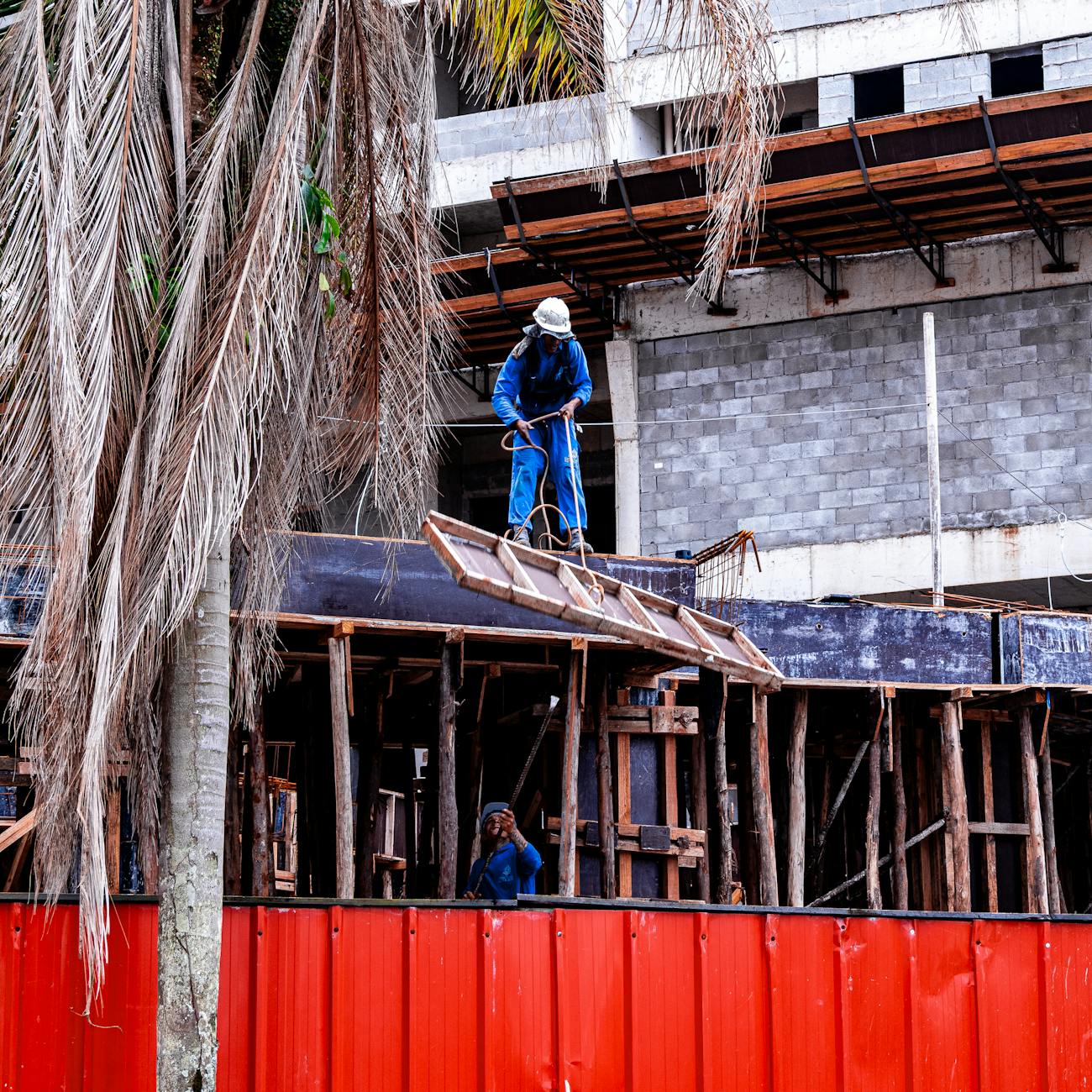
Health and Safety Regulations #
Health and Safety Regulations
Health and Safety Regulations refer to the laws and guidelines that are put in p… #
These regulations are designed to prevent accidents, injuries, and illnesses by establishing standards that employers must follow to maintain a safe working environment. Health and Safety Regulations cover a wide range of topics, including the use of personal protective equipment, the handling of hazardous materials, emergency procedures, and the maintenance of equipment.
- Occupational Safety and Health Administration (OSHA): OSHA is a federal agency… #
- Occupational Safety and Health Administration (OSHA): OSHA is a federal agency in the United States that is responsible for enforcing health and safety regulations in the workplace.
- Risk Assessment: Risk assessment is the process of identifying potential hazar… #
- Risk Assessment: Risk assessment is the process of identifying potential hazards in the workplace and evaluating the likelihood and severity of harm that could result from those hazards.
- Compliance: Compliance refers to the act of following and adhering to the requ… #
- Compliance: Compliance refers to the act of following and adhering to the requirements set forth in health and safety regulations.
- Safety Culture: Safety culture refers to the attitudes, beliefs, and behaviors… #
- Safety Culture: Safety culture refers to the attitudes, beliefs, and behaviors regarding safety in an organization.
Health and Safety Regulations are essential in the construction industry to prot… #
By complying with these regulations, employers can create a safer work environment and reduce the risk of accidents and injuries.
Accident Investigation #
Accident Investigation
Accident investigation is the process of examining the circumstances surrounding… #
This process typically involves collecting evidence, interviewing witnesses, and analyzing data to identify the factors that contributed to the accident.
Accident investigation is crucial in the construction industry to improve safety… #
By identifying the underlying causes of accidents, employers can implement corrective actions to mitigate risks and protect workers.
Some challenges of accident investigation include: #
Some challenges of accident investigation include:
- Lack of cooperation from witnesses or employees #
- Lack of cooperation from witnesses or employees.
- Incomplete or inaccurate information #
- Incomplete or inaccurate information.
- Difficulty in determining the exact sequence of events leading up to the accid… #
- Difficulty in determining the exact sequence of events leading up to the accident.
Despite these challenges, accident investigation is a valuable tool for improvin… #
Despite these challenges, accident investigation is a valuable tool for improving safety and preventing future incidents in the construction industry.
Confined Space #
Confined Space
Confined space refers to an enclosed area in the workplace that is not intended… #
Confined spaces may pose a significant risk to workers due to factors such as poor ventilation, limited visibility, and the presence of hazardous substances.
Examples of confined spaces in the construction industry include tunnels, manhol… #
These areas require special precautions to ensure the safety of workers who need to enter them for maintenance or repair work.
Some key considerations for working in confined spaces include: #
Some key considerations for working in confined spaces include:
- Conducting a thorough risk assessment before entering the space #
- Conducting a thorough risk assessment before entering the space.
- Implementing proper ventilation and monitoring equipment #
- Implementing proper ventilation and monitoring equipment.
- Providing workers with appropriate training and personal protective equipment #
- Providing workers with appropriate training and personal protective equipment.
By following these guidelines, employers can minimize the risks associated with… #
By following these guidelines, employers can minimize the risks associated with working in confined spaces and protect the health and safety of their employees.
Construction Management #
Construction Management
Construction management refers to the planning, coordination, and supervision of… #
Construction managers are responsible for overseeing all aspects of a project, from the initial design phase to the final inspection and handover.
Key responsibilities of a construction manager include: #
Key responsibilities of a construction manager include:
- Creating project schedules and timelines #
- Creating project schedules and timelines.
- Estimating costs and managing budgets #
- Estimating costs and managing budgets.
- Hiring and supervising subcontractors #
- Hiring and supervising subcontractors.
- Ensuring compliance with building codes and regulations #
- Ensuring compliance with building codes and regulations.
Effective construction management is essential for the successful completion of… #
By overseeing all aspects of the project and addressing any issues that arise, construction managers can ensure that the project is delivered on time and to the satisfaction of the client.
Some challenges of construction management include: #
Some challenges of construction management include:
- Delays in the supply chain #
- Delays in the supply chain.
- Unforeseen changes in project scope #
- Unforeseen changes in project scope.
- Adverse weather conditions #
- Adverse weather conditions.
Contractual Disputes #
Contractual Disputes
Contractual disputes refer to disagreements or conflicts that arise between part… #
These disputes can arise for various reasons, such as delays in project completion, changes in project scope, or disputes over payment.
Common types of contractual disputes in the construction industry include: #
Common types of contractual disputes in the construction industry include:
- Breach of contract: When one party fails to fulfill its obligations under the… #
- Breach of contract: When one party fails to fulfill its obligations under the contract.
- Payment disputes: Disagreements over the amount or timing of payments #
- Payment disputes: Disagreements over the amount or timing of payments.
- Changes in project scope: Disputes over changes to the original project plans #
- Changes in project scope: Disputes over changes to the original project plans.
Resolving contractual disputes in construction requires careful negotiation, med… #
It is essential for all parties involved to understand their rights and responsibilities under the contract to prevent disputes from escalating.
Some challenges of resolving contractual disputes include: #
Some challenges of resolving contractual disputes include:
- Complex legal issues #
- Complex legal issues.
- Interpersonal conflicts between parties #
- Interpersonal conflicts between parties.
- Delays in the dispute resolution process #
- Delays in the dispute resolution process.
Despite these challenges, successful resolution of contractual disputes is cruci… #
Despite these challenges, successful resolution of contractual disputes is crucial for maintaining positive relationships between parties and ensuring the successful completion of construction projects.
Environmental Impact Assessment #
Environmental Impact Assessment
Environmental Impact Assessment (EIA) is a process of evaluating the potential e… #
EIAs are conducted to identify and mitigate any adverse effects that the project may have on the environment, such as air and water pollution, habitat destruction, or noise pollution.
Key components of an Environmental Impact Assessment include: #
Key components of an Environmental Impact Assessment include:
- Identifying potential impacts on the environment #
- Identifying potential impacts on the environment.
- Assessing the significance of those impacts #
- Assessing the significance of those impacts.
- Developing measures to mitigate or offset adverse effects #
- Developing measures to mitigate or offset adverse effects.
- Consulting with stakeholders and the public #
- Consulting with stakeholders and the public.
EIAs are essential in the construction industry to ensure that projects are carr… #
By identifying and addressing potential environmental impacts early in the planning process, developers can minimize harm to the environment and comply with regulatory requirements.
Some challenges of conducting an Environmental Impact Assessment include: #
Some challenges of conducting an Environmental Impact Assessment include:
- Limited availability of data #
- Limited availability of data.
- Uncertainty regarding the extent of potential impacts #
- Uncertainty regarding the extent of potential impacts.
- Opposition from local communities or environmental groups #
- Opposition from local communities or environmental groups.
Despite these challenges, conducting a thorough Environmental Impact Assessment… #
Despite these challenges, conducting a thorough Environmental Impact Assessment is crucial for promoting sustainable development and minimizing the environmental footprint of construction projects.
Excavation Safety #
Excavation Safety
Excavation safety refers to the measures and precautions that are taken to prote… #
Excavation sites pose significant risks, such as cave-ins, falling objects, and exposure to underground utilities, which can result in serious injuries or fatalities if proper safety procedures are not followed.
Key considerations for excavation safety include: #
Key considerations for excavation safety include:
- Conducting a thorough risk assessment before starting work #
- Conducting a thorough risk assessment before starting work.
- Implementing protective measures such as shoring, sloping, or benching #
- Implementing protective measures such as shoring, sloping, or benching.
- Providing workers with training on excavation safety practices #
- Providing workers with training on excavation safety practices.
- Ensuring that underground utilities are located and marked before digging #
- Ensuring that underground utilities are located and marked before digging.
By following these guidelines, employers can create a safer work environment and… #
By following these guidelines, employers can create a safer work environment and prevent accidents and injuries on excavation sites.
Some challenges of excavation safety include: #
Some challenges of excavation safety include:
- Unstable soil conditions #
- Unstable soil conditions.
- Changing weather conditions #
- Changing weather conditions.
- Inadequate training or supervision of workers #
- Inadequate training or supervision of workers.
Despite these challenges, prioritizing excavation safety is essential for protec… #
Despite these challenges, prioritizing excavation safety is essential for protecting the health and well-being of workers in the construction industry.
Fall Protection #
Fall Protection
Fall protection refers to the systems and equipment that are used to prevent fal… #
Falls are a leading cause of injuries and fatalities in the construction industry, making fall protection essential for ensuring the safety of workers who perform tasks at elevated heights.
Examples of fall protection systems include: #
Examples of fall protection systems include:
- Guardrails: Barriers placed along edges to prevent falls #
- Guardrails: Barriers placed along edges to prevent falls.
- Safety nets: Nets installed below work areas to catch falling workers #
- Safety nets: Nets installed below work areas to catch falling workers.
- Personal fall arrest systems: Harnesses and lanyards that stop falls in progre… #
- Personal fall arrest systems: Harnesses and lanyards that stop falls in progress.
Employers are required to provide fall protection equipment and training to work… #
By implementing proper fall protection measures, employers can reduce the risk of accidents and injuries on construction sites.
Some challenges of fall protection include: #
Some challenges of fall protection include:
- Compliance with regulations and standards #
- Compliance with regulations and standards.
- Proper selection and use of fall protection equipment #
- Proper selection and use of fall protection equipment.
- Training workers on the correct use of fall protection systems #
- Training workers on the correct use of fall protection systems.
Despite these challenges, fall protection is a critical aspect of construction s… #
Despite these challenges, fall protection is a critical aspect of construction safety that can save lives and prevent injuries on the job.
Hazard Communication #
Hazard Communication
Hazard communication refers to the process of informing workers about the hazard… #
Hazard communication includes identifying hazardous substances, labeling containers, providing safety data sheets, and training workers on how to handle hazardous materials.
Key components of hazard communication include: #
Key components of hazard communication include:
- Hazard identification: Identifying and classifying hazardous substances in the… #
- Hazard identification: Identifying and classifying hazardous substances in the workplace.
- Container labeling: Ensuring that containers are properly labeled with the app… #
- Container labeling: Ensuring that containers are properly labeled with the appropriate hazard information.
- Safety data sheets: Providing workers with detailed information about the haza… #
- Safety data sheets: Providing workers with detailed information about the hazards of the substances they work with.
- Employee training: Educating workers on how to recognize and respond to workpl… #
- Employee training: Educating workers on how to recognize and respond to workplace hazards.
By implementing a comprehensive hazard communication program, employers can prot… #
By implementing a comprehensive hazard communication program, employers can protect workers from exposure to harmful substances and ensure a safe work environment.
Some challenges of hazard communication include: #
Some challenges of hazard communication include:
- Language barriers for non-English-speaking workers #
- Language barriers for non-English-speaking workers.
- Keeping safety data sheets up to date #
- Keeping safety data sheets up to date.
- Training workers on the risks associated with different hazardous substances #
- Training workers on the risks associated with different hazardous substances.
Despite these challenges, effective hazard communication is essential for preven… #
Despite these challenges, effective hazard communication is essential for preventing accidents, injuries, and illnesses in the construction industry.
Incident Reporting #
Incident Reporting
Incident reporting is the process of documenting and investigating workplace inc… #
Incident reporting is crucial for improving safety practices, preventing future incidents, and complying with regulatory requirements.
Key steps in incident reporting include: #
Key steps in incident reporting include:
- Reporting the incident to a supervisor or safety officer #
- Reporting the incident to a supervisor or safety officer.
- Documenting details of the incident in an incident report #
- Documenting details of the incident in an incident report.
- Conducting an investigation to determine the causes of the incident #
- Conducting an investigation to determine the causes of the incident.
- Implementing corrective actions to prevent similar incidents from occurring #
- Implementing corrective actions to prevent similar incidents from occurring.
By promoting a culture of incident reporting, employers can identify hazards, ad… #
By promoting a culture of incident reporting, employers can identify hazards, address safety issues, and continuously improve safety practices in the workplace.
Some challenges of incident reporting include: #
Some challenges of incident reporting include:
- Underreporting of incidents due to fear of reprisal #
- Underreporting of incidents due to fear of reprisal.
- Inaccurate or incomplete incident reports #
- Inaccurate or incomplete incident reports.
- Difficulty in determining the root causes of incidents #
- Difficulty in determining the root causes of incidents.
Despite these challenges, incident reporting is a valuable tool for promoting sa… #
Despite these challenges, incident reporting is a valuable tool for promoting safety awareness and preventing accidents in the construction industry.
Job Hazard Analysis #
Job Hazard Analysis
Job Hazard Analysis (JHA) is a process of identifying and evaluating potential h… #
JHA involves breaking down a job into individual steps, identifying hazards at each step, and developing strategies to mitigate risks and prevent accidents.
Key steps in conducting a Job Hazard Analysis include: #
Key steps in conducting a Job Hazard Analysis include:
- Identifying the job tasks to be analyzed #
- Identifying the job tasks to be analyzed.
- Breaking down the job tasks into individual steps #
- Breaking down the job tasks into individual steps.
- Identifying potential hazards at each step #
- Identifying potential hazards at each step.
- Developing control measures to eliminate or reduce hazards #
- Developing control measures to eliminate or reduce hazards.
By conducting a Job Hazard Analysis, employers can proactively identify and addr… #
By conducting a Job Hazard Analysis, employers can proactively identify and address hazards in the workplace, reduce the risk of accidents, and protect the health and safety of workers.
Some challenges of conducting a Job Hazard Analysis include: #
Some challenges of conducting a Job Hazard Analysis include:
- Difficulty in identifying all potential hazards #
- Difficulty in identifying all potential hazards.
- Lack of expertise or training in hazard identification #
- Lack of expertise or training in hazard identification.
- Resistance from workers to changes in work practices #
- Resistance from workers to changes in work practices.
Despite these challenges, Job Hazard Analysis is a valuable tool for promoting s… #
Despite these challenges, Job Hazard Analysis is a valuable tool for promoting safety awareness and preventing workplace injuries in the construction industry.
Ladder Safety #
Ladder Safety
Ladder safety refers to the safe use and handling of ladders in the workplace to… #
Ladders are commonly used in the construction industry for tasks such as painting, electrical work, and maintenance, making ladder safety essential for protecting workers who work at heights.
Key guidelines for ladder safety include: #
Key guidelines for ladder safety include:
- Inspecting ladders before each use for damage or defects #
- Inspecting ladders before each use for damage or defects.
- Choosing the right type and size of ladder for the job #
- Choosing the right type and size of ladder for the job.
- Setting up ladders on stable and level surfaces #
- Setting up ladders on stable and level surfaces.
- Climbing and descending ladders carefully and using three points of contact #
- Climbing and descending ladders carefully and using three points of contact.
By following these safety tips, workers can reduce the risk of falls and injurie… #
By following these safety tips, workers can reduce the risk of falls and injuries when using ladders on construction sites.
Some challenges of ladder safety include: #
Some challenges of ladder safety include:
- Improper use of ladders, such as overreaching or using damaged ladders #
- Improper use of ladders, such as overreaching or using damaged ladders.
- Inadequate training on ladder safety practices #
- Inadequate training on ladder safety practices.
- Failure to secure ladders properly to prevent tipping or slipping #
- Failure to secure ladders properly to prevent tipping or slipping.
Despite these challenges, prioritizing ladder safety is essential for preventing… #
Despite these challenges, prioritizing ladder safety is essential for preventing accidents and injuries in the construction industry.
Personal Protective Equipment #
Personal Protective Equipment
Personal Protective Equipment (PPE) refers to clothing, equipment, and devices t… #
PPE includes items such as safety helmets, gloves, goggles, earplugs, and respiratory protection, which are designed to minimize the risk of injury or illness.
Examples of personal protective equipment in the construction industry include: #
Examples of personal protective equipment in the construction industry include:
- Hard hats: To protect against head injuries from falling objects #
- Hard hats: To protect against head injuries from falling objects.
- Safety glasses: To protect against eye injuries from flying debris #
- Safety glasses: To protect against eye injuries from flying debris.
- High-visibility clothing: To increase visibility and reduce the risk of accide… #
- High-visibility clothing: To increase visibility and reduce the risk of accidents.
Employers are required to provide workers with appropriate personal protective e… #
Employers are required to provide workers with appropriate personal protective equipment and ensure that it is used correctly to protect workers from workplace hazards.
Some challenges of personal protective equipment include: #
Some challenges of personal protective equipment include:
- Ensuring that PPE fits properly and is comfortable to wear #
- Ensuring that PPE fits properly and is comfortable to wear.
- Training workers on the correct use and maintenance of PPE #
- Training workers on the correct use and maintenance of PPE.
- Encouraging workers to wear PPE consistently #
- Encouraging workers to wear PPE consistently.
Despite these challenges, personal protective equipment is a critical component… #
Despite these challenges, personal protective equipment is a critical component of workplace safety that can prevent injuries and illnesses in the construction industry.
Quality Control #
Quality Control
Quality control refers to the processes and procedures that are implemented to e… #
Quality control involves inspecting, testing, and monitoring materials, workmanship, and finished products to identify defects and ensure that they are corrected before the project is completed.
Key components of quality control in construction include: #
Key components of quality control in construction include:
- Establishing quality standards and specifications for the project #
- Establishing quality standards and specifications for the project.
- Conducting inspections and tests at various stages of construction #
- Conducting inspections and tests at various stages of construction.
- Documenting and tracking quality issues and corrective actions #
- Documenting and tracking quality issues and corrective actions.
- Implementing quality control measures to prevent defects and rework #
- Implementing quality control measures to prevent defects and rework.
By implementing effective quality control measures, contractors can deliver high #
quality construction projects that meet the expectations of clients and stakeholders.
Some challenges of quality control include: #
Some challenges of quality control include:
- Inadequate training or resources for quality control inspections #
- Inadequate training or resources for quality control inspections.
- Lack of communication between project teams and quality control personnel #
- Lack of communication between project teams and quality control personnel.
- Changes in project scope or specifications that affect quality control #
- Changes in project scope or specifications that affect quality control.
Despite these challenges, prioritizing quality control is essential for ensuring… #
Despite these challenges, prioritizing quality control is essential for ensuring the success and reputation of construction projects in the industry.
Risk Management #
Risk Management
Risk management refers to the process of identifying, assessing, and mitigating… #
Risk management involves analyzing potential hazards, evaluating their likelihood and impact, and developing strategies to reduce or eliminate risks.
Key steps in risk management include: #
Key steps in risk management include:
- Identifying potential risks and hazards in the project #
- Identifying potential risks and hazards in the project.
- Assessing the likelihood and severity of each risk #
- Assessing the likelihood and severity of each risk.
- Developing risk mitigation strategies and contingency plans #
- Developing risk mitigation strategies and contingency plans.
- Monitoring and reviewing risks throughout the project lifecycle #
- Monitoring and reviewing risks throughout the project lifecycle.
Effective risk management is essential for minimizing uncertainty and ensuring t… #
Effective risk management is essential for minimizing uncertainty and ensuring the successful completion of construction projects on time and within budget.
Some challenges of risk management include: #
Some challenges of risk management include:
- Inadequate risk assessment tools or methodologies #
- Inadequate risk assessment tools or methodologies.
- Failure to account for all potential risks in the project #
- Failure to account for all potential risks in the project.
- Resistance to change or reluctance to adopt risk management practices #
- Resistance to change or reluctance to adopt risk management practices.
Despite these challenges, implementing a comprehensive risk management plan is c… #
Despite these challenges, implementing a comprehensive risk management plan is crucial for protecting project outcomes and minimizing losses in the construction industry.
Site Safety Inspection #
Site Safety Inspection
Site safety inspection refers to the process of evaluating construction sites to… #
Site safety inspections are conducted regularly by safety officers, project managers, or regulatory agencies to prevent accidents and injuries on construction sites.
Key elements of site safety inspections include: #
Key elements of site safety inspections include:
- Identifying and documenting hazards present on the site #
- Identifying and documenting hazards present on the site.
- Checking compliance with safety regulations and standards #
- Checking compliance with safety regulations and standards.
- Evaluating safety practices and procedures #
- Evaluating safety practices and procedures.
- Developing corrective actions to address safety issues #
- Developing corrective actions to address safety issues.
By conducting site safety inspections, employers can identify potential risks, a… #
By conducting site safety inspections, employers can identify potential risks, address safety deficiencies, and promote a culture of safety on construction sites.
Some challenges of site safety inspections include: #
Some challenges of site safety inspections include:
- Inadequate training or resources for safety inspectors #
- Inadequate training or resources for safety inspectors.
- Resistance from workers or contractors to safety inspections #
- Resistance from workers or contractors to safety inspections.
- High staff turnover or lack of consistency in inspection practices #
- High staff turnover or lack of consistency in inspection practices.
Despite these challenges, site safety inspections are essential for maintaining… #
Despite these challenges, site safety inspections are essential for maintaining a safe work environment and preventing accidents in the construction industry.
Subcontractor Management #
Subcontractor Management
Subcontractor management refers to the process of hiring, supervising, and coord… #
Subcontractors are hired to perform specific tasks or trades on a project, such as plumbing, electrical work, or carpentry.
Key responsibilities of subcontractor management include: #
Key responsibilities of subcontractor management include:
- Selecting and hiring qualified subcontractors #
- Selecting and hiring qualified subcontractors.
- Establishing clear expectations and requirements for subcontractor work #
- Establishing clear expectations and requirements for subcontractor work.
- Supervising subcontractor activities and performance #
- Supervising subcontractor activities and performance.
- Resolving conflicts or issues that arise with subcontractors #
- Resolving conflicts or issues that arise with subcontractors.
Effective subcontractor management is essential for ensuring that subcontractors… #
Effective subcontractor management is essential for ensuring that subcontractors work safely, efficiently, and cooperatively on construction projects.
Some challenges of subcontractor management include: #
Some challenges of subcontractor management include:
- Coordination and communication issues between subcontractors #
- Coordination and communication issues between subcontractors.
- Delays or disruptions caused by subcontractor performance #
- Delays or disruptions caused by subcontractor performance.
- Quality control and compliance with safety regulations #
- Quality control and compliance with safety regulations.
Despite these challenges, successful subcontractor management is crucial for the… #
Despite these challenges, successful subcontractor management is crucial for the successful completion of construction projects and maintaining positive relationships with subcontractors.
Toolbox Talks #
Toolbox Talks
Toolbox talks are brief safety meetings or training sessions held on constructio… #
Toolbox talks are typically conducted at the start of a shift or before beginning a new task to raise awareness of safety issues and promote a culture of safety in the workplace.
Key elements of toolbox talks include: #
Key elements of toolbox talks include:
- Selecting relevant safety topics for discussion #
- Selecting relevant safety topics for discussion.
- Presenting information in an engaging and interactive manner #
- Presenting information in an engaging and interactive manner.
- Encouraging worker participation and feedback #
- Encouraging worker participation and feedback.
- Reinforcing key safety messages and practices #
- Reinforcing key safety messages and practices.
By conducting toolbox talks regularly, employers can educate workers on safety b… #
By conducting toolbox talks regularly, employers can educate workers on safety best practices, address safety concerns, and empower workers to take ownership of their safety on construction sites.
Some challenges of toolbox talks include: #
Some challenges of toolbox talks include:
- Limited time or resources for conducting toolbox talks #
- Limited time or resources for conducting toolbox talks.
- Language barriers for non-English-speaking workers #
- Language barriers for non-English-speaking workers.
- Maintaining worker engagement and participation #
- Maintaining worker engagement and participation.
Despite these challenges, toolbox talks are a valuable tool for promoting safety… #
Despite these challenges, toolbox talks are a valuable tool for promoting safety awareness, preventing accidents, and fostering a culture of safety in the construction industry.
Worksite Ergonomics #
Worksite Ergonomics
Worksite ergonomics refers to the design and arrangement of workspaces, tools, a… #
Ergonomics aims to reduce the risk of musculoskeletal injuries, fatigue, and discomfort by adapting work environments to fit the needs and capabilities of workers.
Key principles of worksite ergonomics include: #
Key principles of worksite ergonomics include:
- Designing workstations to support proper posture and body mechanics #
- Designing workstations to support proper posture and body mechanics.
- Providing adjustable furniture and equipment to accommodate different body typ… #
- Providing adjustable furniture and equipment to accommodate different body types.
- Encouraging regular breaks and stretching exercises to reduce fatigue #
- Encouraging regular breaks and stretching exercises to reduce fatigue.
- Training workers on ergonomic best practices and techniques #
- Training workers on ergonomic best practices and techniques.
By implementing ergonomic principles in the workplace, employers can improve wor… #
By implementing ergonomic principles in the workplace, employers can improve worker comfort, productivity, and overall well-being.
Some challenges of worksite ergonomics include: #
Some challenges of worksite ergonomics include:
- Resistance to ergonomic changes from workers or management #
- Resistance to ergonomic changes from workers or management.
- Inadequate training or awareness of ergonomic best practices #
- Inadequate training or awareness of ergonomic best practices.
- High physical demands or repetitive tasks that contribute to musculoskeletal i… #
- High physical demands or repetitive tasks that contribute to musculoskeletal injuries.
Despite these challenges, prioritizing worksite ergonomics is essential for prev… #
Despite these challenges, prioritizing worksite ergonomics is essential for preventing injuries, improving worker performance, and creating a healthy work environment in the construction industry.