
Energy Regulation and Policy
Energy Regulation and Policy play a crucial role in shaping the global energy landscape. Understanding key terms and vocabulary in this field is essential for professionals working in the energy sector. In this explanation, we will delve in…
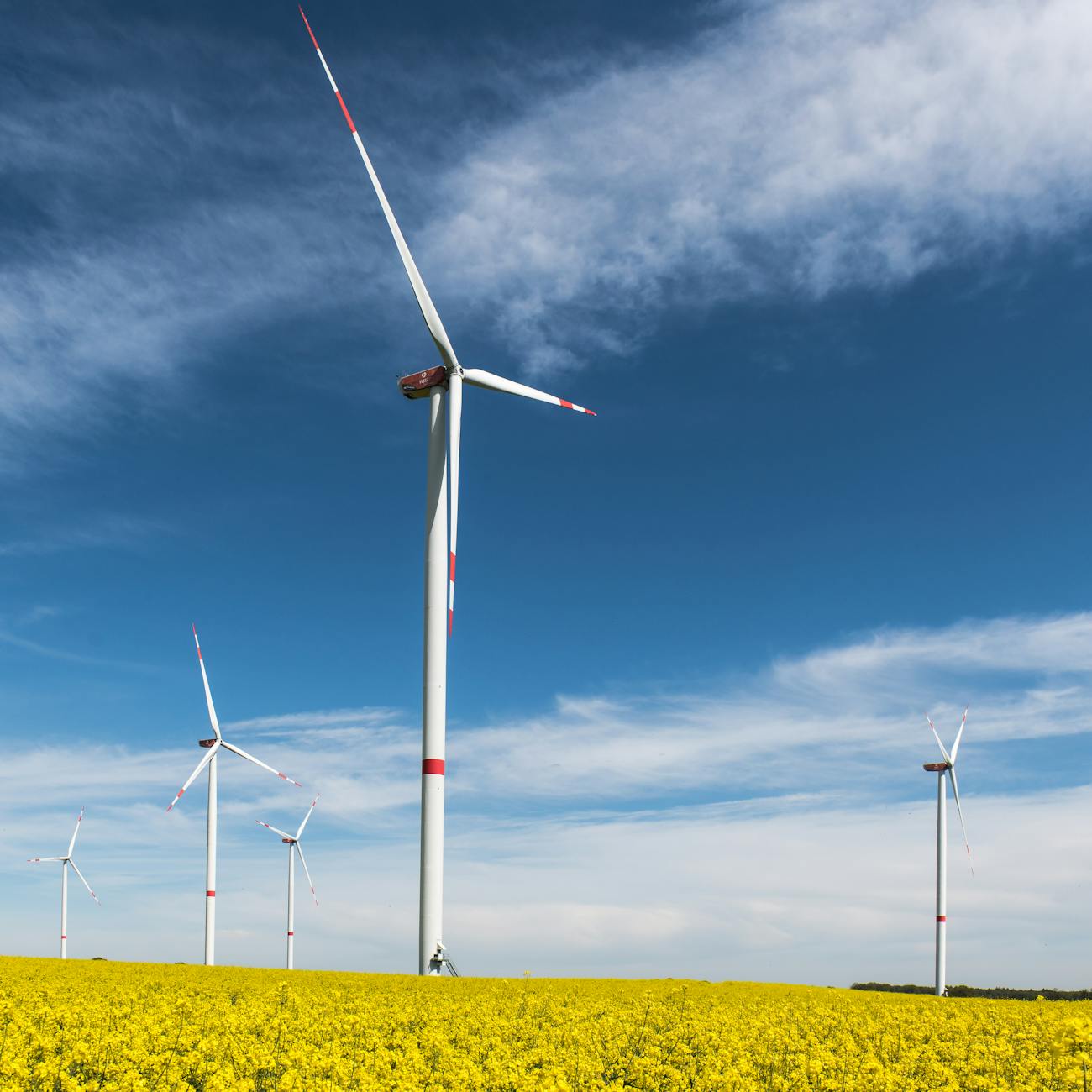
Energy Regulation and Policy play a crucial role in shaping the global energy landscape. Understanding key terms and vocabulary in this field is essential for professionals working in the energy sector. In this explanation, we will delve into the key concepts that underpin Energy Regulation and Policy, providing a comprehensive overview of the terminology used in the industry.
**Energy Regulation**
Energy Regulation refers to the rules and policies that govern the production, distribution, and consumption of energy resources. These regulations are put in place to ensure the efficient and safe operation of energy markets, promote competition, protect consumers, and achieve broader policy objectives such as environmental sustainability and energy security.
**Regulatory Authority**
A Regulatory Authority is a government agency or body responsible for overseeing and enforcing energy regulations. This authority is tasked with granting licenses, setting tariffs, monitoring compliance with regulations, and resolving disputes in the energy sector.
**Regulated Entity**
A Regulated Entity refers to a company or organization that is subject to energy regulations. This could include energy producers, distributors, or retailers who must comply with regulatory requirements set by the governing authority.
**Tariff**
A Tariff is the price charged for the transmission or distribution of energy. Regulators often set tariffs to ensure that energy prices are fair, transparent, and reflect the cost of delivering energy services to consumers.
**Rate of Return Regulation**
Rate of Return Regulation is a regulatory approach where a regulator sets the prices that a company can charge for its services based on the company's costs plus a reasonable rate of return on investment. This approach is used to incentivize companies to invest in infrastructure while ensuring they earn a fair profit.
**Price Regulation**
Price Regulation involves setting price controls on energy services to protect consumers from excessive prices. Regulators may use price caps, price floors, or other mechanisms to ensure that energy prices remain affordable and competitive.
**Competition Law**
Competition Law aims to promote fair competition in the energy sector by preventing anti-competitive practices such as price-fixing, market manipulation, and abuse of dominance. Regulators enforce competition law to ensure a level playing field for all market participants.
**Market Design**
Market Design refers to the structure and rules of energy markets, including how prices are set, how trading occurs, and how participants interact. A well-designed market can promote efficiency, innovation, and competition in the energy sector.
**Capacity Mechanisms**
Capacity Mechanisms are regulatory tools used to ensure that there is enough generation capacity available to meet demand during peak times. These mechanisms provide incentives for generators to invest in capacity and ensure grid reliability.
**Renewable Energy Certificates (RECs)**
Renewable Energy Certificates (RECs) are tradable certificates that represent the environmental attributes of renewable energy generation. By purchasing RECs, energy consumers can support renewable energy projects and reduce their carbon footprint.
**Feed-in Tariffs**
Feed-in Tariffs are regulatory mechanisms that guarantee a fixed payment for renewable energy producers for the electricity they generate. These tariffs are designed to incentivize investment in renewable energy technologies and promote their deployment.
**Energy Efficiency**
Energy Efficiency refers to the practice of using less energy to achieve the same level of output. Energy efficiency measures can help reduce energy consumption, lower costs, and mitigate environmental impacts associated with energy production.
**Demand Response**
Demand Response is a strategy that involves adjusting electricity consumption in response to price signals or grid conditions. By participating in demand response programs, consumers can help balance supply and demand on the grid and reduce the need for costly peaking resources.
**Smart Grid**
A Smart Grid is an advanced electricity grid that uses digital technologies to monitor and control the flow of electricity. Smart grids enable real-time communication between utilities and consumers, improve grid reliability, and support the integration of renewable energy resources.
**Energy Security**
Energy Security refers to the availability, affordability, and reliability of energy sources. Policies aimed at enhancing energy security seek to reduce dependence on imported energy, diversify energy sources, and strengthen energy infrastructure to withstand disruptions.
**Energy Transition**
Energy Transition refers to the shift from conventional fossil fuels to low-carbon and renewable energy sources. This transition is driven by concerns about climate change, energy security, and the need to decarbonize the energy sector.
**Grid Resilience**
Grid Resilience refers to the ability of the electricity grid to withstand and recover from disruptions such as natural disasters, cyber-attacks, or equipment failures. Resilient grids are essential for ensuring reliable electricity supply under adverse conditions.
**Carbon Pricing**
Carbon Pricing is a policy tool that puts a price on carbon emissions to incentivize the reduction of greenhouse gas emissions. Carbon pricing can take the form of carbon taxes or cap-and-trade systems, which create economic incentives for companies to reduce their carbon footprint.
**Energy Poverty**
Energy Poverty refers to the lack of access to affordable and reliable energy services. Millions of people around the world suffer from energy poverty, which can have detrimental effects on health, education, and economic development.
**Just Transition**
Just Transition is a concept that emphasizes the need to ensure that the transition to a low-carbon economy is fair and inclusive. Just transition policies seek to protect workers and communities affected by the shift away from fossil fuels and support them in transitioning to new, sustainable industries.
**Energy Diplomacy**
Energy Diplomacy involves the use of diplomatic tools and negotiations to promote energy cooperation, resolve energy disputes, and advance national energy interests. Countries engage in energy diplomacy to secure access to energy resources, build energy partnerships, and address common energy challenges.
**Geopolitics of Energy**
The Geopolitics of Energy refers to the intersection of energy resources, markets, and politics on the global stage. Energy geopolitics influences international relations, security considerations, and economic dynamics among energy-producing and consuming countries.
**Energy Justice**
Energy Justice is a concept that combines social equity, environmental sustainability, and economic development in energy policy and decision-making. Energy justice seeks to ensure that all individuals have access to affordable, clean energy services and benefit equitably from energy transitions.
**Energy Governance**
Energy Governance encompasses the institutions, policies, and processes that shape energy decision-making and management. Effective energy governance involves transparency, accountability, and stakeholder engagement to ensure that energy policies reflect the public interest.
**Energy Transition**
Energy Transition refers to the ongoing shift from fossil fuels to renewable energy sources and low-carbon technologies. The energy transition is driven by concerns about climate change, energy security, and the need to decarbonize the energy sector to achieve sustainable development goals.
**Energy Market**
An Energy Market is a platform where buyers and sellers trade energy commodities such as electricity, natural gas, or oil. Energy markets can be organized as wholesale markets for large-scale transactions or retail markets for consumer purchases.
**Energy Efficiency**
Energy Efficiency refers to the practice of using energy more efficiently to achieve the same level of output. Energy efficiency measures can help reduce energy consumption, lower costs, and mitigate environmental impacts associated with energy production.
**Renewable Energy**
Renewable Energy refers to energy derived from naturally replenishing sources such as sunlight, wind, and water. Renewable energy technologies include solar panels, wind turbines, hydropower plants, and geothermal systems that harness renewable resources to generate electricity.
**Energy Storage**
Energy Storage technologies store excess energy for later use, helping to balance supply and demand on the grid and improve grid reliability. Energy storage systems include batteries, pumped hydro storage, compressed air storage, and thermal storage technologies.
**Decentralized Energy**
Decentralized Energy refers to energy systems that are distributed and located close to the point of consumption. Decentralized energy technologies such as rooftop solar panels, microgrids, and cogeneration systems can enhance energy resilience and reduce transmission losses.
**Energy Access**
Energy Access refers to the availability of affordable and reliable energy services for all individuals. Achieving universal energy access is a key goal of sustainable energy development, as lack of access to energy can hinder economic growth and social development.
**Energy Transition**
Energy Transition refers to the shift from conventional fossil fuels to low-carbon and renewable energy sources. The energy transition is driven by concerns about climate change, energy security, and the need to decarbonize the energy sector to achieve sustainable development goals.
**Energy Policy**
Energy Policy refers to the set of principles, goals, and actions that guide energy decision-making at the national, regional, or global level. Energy policies aim to promote energy security, affordability, environmental sustainability, and economic development.
**Energy Efficiency**
Energy Efficiency refers to the practice of using energy more efficiently to achieve the same level of output. Energy efficiency measures can help reduce energy consumption, lower costs, and mitigate environmental impacts associated with energy production.
**Energy Security**
Energy Security refers to the availability, affordability, and reliability of energy sources. Policies aimed at enhancing energy security seek to reduce dependence on imported energy, diversify energy sources, and strengthen energy infrastructure to withstand disruptions.
**Renewable Energy**
Renewable Energy refers to energy derived from naturally replenishing sources such as sunlight, wind, and water. Renewable energy technologies include solar panels, wind turbines, hydropower plants, and geothermal systems that harness renewable resources to generate electricity.
**Fossil Fuels**
Fossil Fuels are non-renewable energy sources such as coal, oil, and natural gas that are formed from the remains of ancient plants and animals. Fossil fuels are the dominant source of energy worldwide but contribute to greenhouse gas emissions and climate change.
**Nuclear Energy**
Nuclear Energy is produced by splitting atoms in a process called nuclear fission. Nuclear power plants generate electricity without emitting greenhouse gases, but concerns about nuclear waste disposal, safety, and proliferation limit the expansion of nuclear energy.
**Carbon Emissions**
Carbon Emissions refer to the release of carbon dioxide (CO2) and other greenhouse gases into the atmosphere. Carbon emissions from burning fossil fuels contribute to climate change by trapping heat in the Earth's atmosphere and causing global warming.
**Renewable Portfolio Standards**
Renewable Portfolio Standards (RPS) are regulations that require utilities to generate a certain percentage of their electricity from renewable sources. RPS policies aim to promote renewable energy deployment, reduce greenhouse gas emissions, and diversify the energy mix.
**Net Metering**
Net Metering allows consumers with rooftop solar panels or other distributed generation systems to sell excess electricity back to the grid and receive credits on their utility bills. Net metering policies incentivize renewable energy investments and promote energy self-sufficiency.
**Carbon Pricing**
Carbon Pricing is a policy tool that puts a price on carbon emissions to incentivize the reduction of greenhouse gas emissions. Carbon pricing can take the form of carbon taxes or cap-and-trade systems, which create economic incentives for companies to reduce their carbon footprint.
**Emissions Trading System**
An Emissions Trading System (ETS) is a market-based approach to reducing greenhouse gas emissions. ETS sets a cap on total emissions and allows companies to buy and sell emission permits, creating a financial incentive to reduce emissions efficiently.
**Carbon Tax**
A Carbon Tax is a fee imposed on the carbon content of fossil fuels to reduce greenhouse gas emissions. Carbon taxes incentivize companies and individuals to reduce their carbon footprint by making carbon-intensive activities more expensive.
**Climate Change Mitigation**
Climate Change Mitigation refers to efforts to reduce or prevent the emission of greenhouse gases to limit global warming and its impacts on the climate. Mitigation measures include energy efficiency, renewable energy deployment, and carbon pricing policies.
**Adaptation**
Adaptation involves adjusting to the impacts of climate change to minimize risks and build resilience. Adaptation measures in the energy sector include upgrading infrastructure, diversifying energy sources, and improving disaster response capabilities.
**Paris Agreement**
The Paris Agreement is an international treaty adopted in 2015 to combat climate change by limiting global warming to well below 2 degrees Celsius above pre-industrial levels. The agreement sets targets for reducing greenhouse gas emissions and mobilizing financial support for climate action.
**Energy Diplomacy**
Energy Diplomacy involves the use of diplomatic tools and negotiations to promote energy cooperation, resolve energy disputes, and advance national energy interests. Countries engage in energy diplomacy to secure access to energy resources, build energy partnerships, and address common energy challenges.
**Energy Security**
Energy Security refers to the availability, affordability, and reliability of energy sources. Policies aimed at enhancing energy security seek to reduce dependence on imported energy, diversify energy sources, and strengthen energy infrastructure to withstand disruptions.
**Energy Transition**
Energy Transition refers to the shift from conventional fossil fuels to low-carbon and renewable energy sources. The energy transition is driven by concerns about climate change, energy security, and the need to decarbonize the energy sector to achieve sustainable development goals.
**Geopolitics of Energy**
The Geopolitics of Energy refers to the intersection of energy resources, markets, and politics on the global stage. Energy geopolitics influences international relations, security considerations, and economic dynamics among energy-producing and consuming countries.
**Energy Justice**
Energy Justice is a concept that combines social equity, environmental sustainability, and economic development in energy policy and decision-making. Energy justice seeks to ensure that all individuals have access to affordable, clean energy services and benefit equitably from energy transitions.
**Energy Governance**
Energy Governance encompasses the institutions, policies, and processes that shape energy decision-making and management. Effective energy governance involves transparency, accountability, and stakeholder engagement to ensure that energy policies reflect the public interest.
**Energy Transition**
Energy Transition refers to the ongoing shift from fossil fuels to renewable energy sources and low-carbon technologies. The energy transition is driven by concerns about climate change, energy security, and the need to decarbonize the energy sector to achieve sustainable development goals.
**Energy Market**
An Energy Market is a platform where buyers and sellers trade energy commodities such as electricity, natural gas, or oil. Energy markets can be organized as wholesale markets for large-scale transactions or retail markets for consumer purchases.
**Energy Efficiency**
Energy Efficiency refers to the practice of using energy more efficiently to achieve the same level of output. Energy efficiency measures can help reduce energy consumption, lower costs, and mitigate environmental impacts associated with energy production.
**Renewable Energy**
Renewable Energy refers to energy derived from naturally replenishing sources such as sunlight, wind, and water. Renewable energy technologies include solar panels, wind turbines, hydropower plants, and geothermal systems that harness renewable resources to generate electricity.
**Energy Storage**
Energy Storage technologies store excess energy for later use, helping to balance supply and demand on the grid and improve grid reliability. Energy storage systems include batteries, pumped hydro storage, compressed air storage, and thermal storage technologies.
**Decentralized Energy**
Decentralized Energy refers to energy systems that are distributed and located close to the point of consumption. Decentralized energy technologies such as rooftop solar panels, microgrids, and cogeneration systems can enhance energy resilience and reduce transmission losses.
**Energy Access**
Energy Access refers to the availability of affordable and reliable energy services for all individuals. Achieving universal energy access is a key goal of sustainable energy development, as lack of access to energy can hinder economic growth and social development.
**Energy Transition**
Energy Transition refers to the shift from conventional fossil fuels to low-carbon and renewable energy sources. The energy transition is driven by concerns about climate change, energy security, and the need to decarbonize the energy sector to achieve sustainable development goals.
**Energy Policy**
Energy Policy refers to the set of principles, goals, and actions that guide energy decision-making at the national, regional, or global level. Energy policies aim to promote energy security, affordability, environmental sustainability, and economic development.
**Energy Efficiency**
Energy Efficiency refers to the practice of using energy more efficiently to achieve the same level of output. Energy efficiency measures can help reduce energy consumption, lower costs, and mitigate environmental impacts associated with energy production.
**Energy Security**
Energy Security refers to the availability, affordability, and reliability of energy sources. Policies aimed at enhancing energy security seek to reduce dependence on imported energy, diversify energy sources, and strengthen energy infrastructure to withstand disruptions.
**Renewable Energy**
Renewable Energy refers to energy derived from naturally replenishing sources such as sunlight, wind, and water. Renewable energy technologies include solar panels, wind turbines, hydropower plants, and geothermal systems that harness renewable resources to generate electricity.
**Fossil Fuels**
Fossil Fuels are non-renewable energy sources such as coal, oil, and natural gas that are formed from the remains of ancient plants and animals. Fossil fuels are the dominant source of energy worldwide but contribute to greenhouse gas emissions and climate change.
**Nuclear Energy**
Nuclear Energy is produced by splitting atoms in a process called nuclear fission. Nuclear power plants generate electricity without emitting greenhouse gases, but concerns about nuclear waste disposal, safety, and proliferation limit the expansion of nuclear energy.
**Carbon Emissions**
Carbon Emissions refer to the release of carbon dioxide (CO2) and other greenhouse gases into the atmosphere. Carbon emissions from burning fossil fuels contribute to climate change by trapping heat in the Earth's atmosphere and causing global warming.
**Renewable Portfolio Standards**
Renewable Portfolio Standards (RPS) are regulations that require utilities to generate a certain percentage of their electricity from renewable sources. RPS policies aim to promote renewable energy deployment, reduce greenhouse gas emissions, and diversify the energy mix.
**Net Metering**
Net Metering allows consumers with rooftop solar panels or other distributed generation systems to sell excess electricity back to the grid and receive credits on their utility bills. Net metering policies incentivize renewable energy investments and promote energy self-sufficiency.
**Carbon Pricing**
Carbon Pricing is a policy tool that puts a price on carbon emissions to incentivize the reduction of greenhouse gas emissions. Carbon pricing can take the form of carbon taxes or cap-and-trade systems, which create economic incentives for companies to reduce their carbon footprint.
**Emissions Trading System**
An Emissions Trading System (ETS) is a market-based approach to reducing greenhouse gas emissions. ETS sets a cap on total emissions and allows companies to buy and sell emission permits, creating a financial incentive to reduce emissions efficiently.
**Carbon Tax**
A Carbon Tax is a fee imposed on the carbon content of fossil fuels to reduce greenhouse gas emissions. Carbon taxes incentivize companies and individuals to reduce their carbon footprint by making carbon-intensive activities more expensive.
**Climate Change Mitigation**
Climate Change Mitigation refers to efforts to reduce or prevent the emission of greenhouse gases to limit global warming and its impacts on the climate. Mitigation measures include energy efficiency, renewable energy deployment, and carbon pricing policies.
**Adaptation**
Adaptation involves adjusting to the impacts of climate change to minimize risks and build resilience. Adaptation measures in the energy sector include upgrading infrastructure, diversifying energy sources, and improving disaster response capabilities.
**Paris Agreement**
The Paris Agreement is an international treaty adopted in 2015 to combat climate change by limiting global warming to well below 2 degrees Celsius above pre-industrial levels. The agreement sets targets for reducing greenhouse gas emissions and mobilizing financial support for climate action.
**Energy Diplomacy**
Energy Diplomacy involves the use of diplomatic tools and negotiations to promote energy cooperation, resolve energy disputes, and advance national energy interests. Countries engage in energy diplomacy to secure access to energy resources, build energy partnerships, and address common energy challenges.
**Energy Security**
Energy Security refers to the availability, affordability, and reliability of energy sources. Policies aimed at enhancing energy security seek to reduce dependence on imported energy, diversify energy sources, and strengthen energy infrastructure to withstand disruptions.
**Energy Transition**
Energy Transition refers to the shift from conventional fossil fuels to low-carbon and renewable energy sources. The energy transition is driven by concerns about climate change
Key takeaways
- In this explanation, we will delve into the key concepts that underpin Energy Regulation and Policy, providing a comprehensive overview of the terminology used in the industry.
- These regulations are put in place to ensure the efficient and safe operation of energy markets, promote competition, protect consumers, and achieve broader policy objectives such as environmental sustainability and energy security.
- This authority is tasked with granting licenses, setting tariffs, monitoring compliance with regulations, and resolving disputes in the energy sector.
- This could include energy producers, distributors, or retailers who must comply with regulatory requirements set by the governing authority.
- Regulators often set tariffs to ensure that energy prices are fair, transparent, and reflect the cost of delivering energy services to consumers.
- Rate of Return Regulation is a regulatory approach where a regulator sets the prices that a company can charge for its services based on the company's costs plus a reasonable rate of return on investment.
- Regulators may use price caps, price floors, or other mechanisms to ensure that energy prices remain affordable and competitive.