
Infection Control in Wound Management
Infection Control in Wound Management is a critical aspect of healthcare that aims to prevent and manage infections that can occur in wounds. Proper infection control practices are essential to promote healing and prevent complications in p…
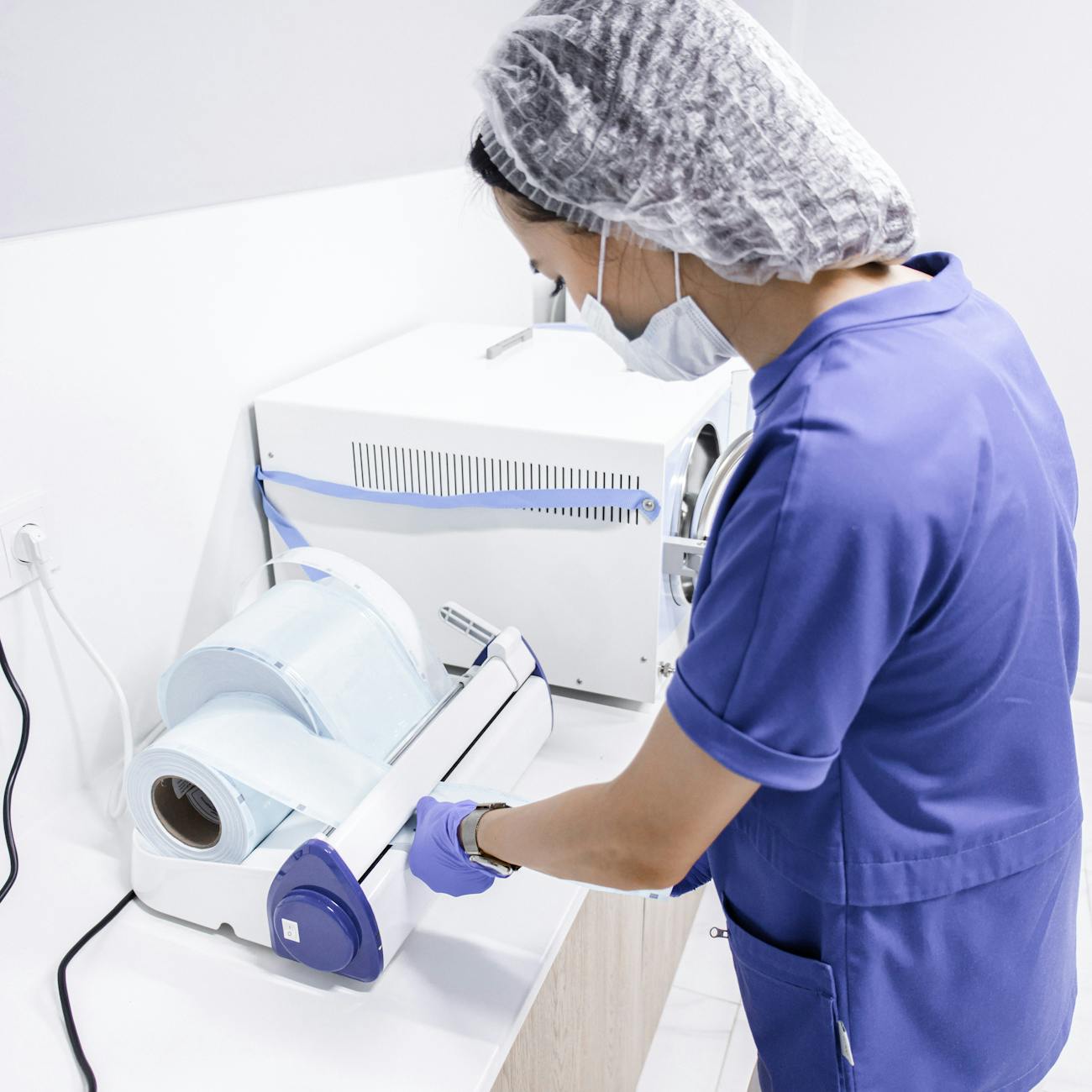
Infection Control in Wound Management is a critical aspect of healthcare that aims to prevent and manage infections that can occur in wounds. Proper infection control practices are essential to promote healing and prevent complications in patients with wounds of various etiologies. This comprehensive guide will explain key terms and vocabulary related to infection control in wound management to help healthcare professionals enhance their knowledge and skills in this important area of wound care.
**Wound Infection**: A wound infection occurs when microorganisms such as bacteria, fungi, or viruses enter a wound and multiply, causing inflammation and tissue damage. Signs of a wound infection may include redness, warmth, swelling, pain, and pus drainage. Infection can delay wound healing and lead to serious complications if not properly managed.
**Biofilm**: A biofilm is a complex community of microorganisms that adhere to surfaces and produce a protective extracellular matrix. Biofilms can form in wounds, making it challenging to eradicate infections. They can impede the effectiveness of antimicrobial treatments and contribute to chronic wound infections.
**Colonization**: Colonization refers to the presence of microorganisms on a wound surface without causing infection. While colonization is a normal part of the wound healing process, it can progress to infection if the microbial load increases or the host's immune response is compromised.
**Antimicrobial Resistance**: Antimicrobial resistance occurs when microorganisms develop the ability to resist the effects of antimicrobial agents. This can result in treatment failure and persistent infections. Healthcare professionals must be vigilant in preventing and managing antimicrobial resistance in wound care settings.
**Sterile Technique**: Sterile technique involves using methods to prevent contamination of wounds and maintain asepsis during wound care procedures. Healthcare providers must follow strict protocols to minimize the risk of introducing pathogens into wounds and causing infections.
**Personal Protective Equipment (PPE)**: Personal protective equipment includes gloves, gowns, masks, and eye protection that healthcare workers wear to protect themselves and patients from exposure to infectious agents. Proper use of PPE is essential in infection control practices to reduce the risk of transmission.
**Hand Hygiene**: Hand hygiene refers to the practice of cleaning hands to prevent the spread of infectious agents. Healthcare providers should perform hand hygiene before and after patient contact, after removing gloves, and before and after wound care procedures to reduce the risk of infection transmission.
**Standard Precautions**: Standard precautions are infection control measures designed to prevent the transmission of infectious agents in healthcare settings. These precautions include hand hygiene, use of PPE, safe injection practices, and proper handling of contaminated equipment and surfaces.
**Transmission-Based Precautions**: Transmission-based precautions are additional infection control measures used for patients with known or suspected infections that require specific precautions to prevent transmission. These precautions may include contact, droplet, or airborne precautions based on the mode of transmission of the infectious agent.
**Wound Assessment**: Wound assessment involves a thorough evaluation of the wound, including the type, size, depth, and presence of infection. Healthcare providers must assess wounds regularly to monitor healing progress, detect signs of infection, and adjust treatment plans accordingly.
**Swab Cultures**: Swab cultures involve collecting samples from wound surfaces to identify the presence of specific microorganisms causing infections. Cultures help healthcare providers determine the appropriate antimicrobial therapy and monitor treatment effectiveness in managing wound infections.
**Debridement**: Debridement is the removal of dead or contaminated tissue from a wound to promote healing and prevent infection. Various debridement methods, such as sharp, mechanical, enzymatic, or autolytic debridement, may be used depending on the wound characteristics.
**Topical Antimicrobial Agents**: Topical antimicrobial agents are medications applied directly to wound surfaces to prevent or manage infections. These agents may include antibiotics, antiseptics, or silver dressings that help reduce microbial load and promote healing in infected wounds.
**Systemic Antibiotics**: Systemic antibiotics are medications taken orally or intravenously to treat infections that have spread beyond the wound site. Healthcare providers prescribe antibiotics based on the type of microorganism causing the infection and the patient's clinical condition.
**Negative Pressure Wound Therapy (NPWT)**: Negative pressure wound therapy is a treatment modality that involves applying suction to a wound to promote healing, reduce edema, and remove exudate. NPWT may be used in infected wounds to improve tissue perfusion and facilitate the healing process.
**Hyperbaric Oxygen Therapy (HBOT)**: Hyperbaric oxygen therapy is a treatment that involves exposing patients to high concentrations of oxygen in a pressurized chamber. HBOT can enhance tissue oxygenation, promote wound healing, and help control infections in wounds, especially in cases of chronic or non-healing wounds.
**Education and Training**: Education and training are essential components of infection control in wound management. Healthcare providers should stay updated on best practices, guidelines, and evidence-based interventions to deliver effective wound care and prevent infections in clinical settings.
**Patient Education**: Patient education plays a crucial role in infection control in wound management. Healthcare providers should educate patients about wound care, signs of infection, importance of adherence to treatment, and prevention strategies to empower them in managing their wounds effectively and reducing the risk of complications.
**Quality Improvement**: Quality improvement initiatives aim to enhance the effectiveness and safety of wound care practices through systematic monitoring, evaluation, and implementation of evidence-based strategies. Continuous quality improvement is essential in infection control to optimize patient outcomes and minimize risks.
**Challenges in Infection Control**: Infection control in wound management faces various challenges, including antimicrobial resistance, biofilm formation, inadequate resources, lack of standardized protocols, and patient non-compliance. Healthcare providers must address these challenges proactively to improve infection prevention and control in wound care settings.
**Best Practices**: Best practices in infection control in wound management include following evidence-based guidelines, promoting interdisciplinary collaboration, implementing standard precautions, conducting regular wound assessments, optimizing antimicrobial stewardship, and engaging in continuous education and quality improvement efforts.
**Case Study**: A 65-year-old male with a history of diabetes presents to the wound clinic with a non-healing foot ulcer. Upon assessment, the wound shows signs of infection, including warmth, redness, and purulent drainage. A swab culture is collected, identifying methicillin-resistant Staphylococcus aureus (MRSA) as the causative organism. The healthcare team initiates treatment with systemic antibiotics targeting MRSA, debrides the wound, and implements NPWT to manage the infection and promote healing.
**Conclusion**: Infection control in wound management is a critical aspect of healthcare that requires a comprehensive understanding of key terms and concepts related to preventing and managing infections in wounds. By applying proper infection control practices, healthcare providers can optimize patient outcomes, reduce complications, and promote healing in patients with acute or chronic wounds. Continuous education, training, and quality improvement efforts are essential to enhance infection control practices and ensure safe and effective wound care delivery.
Key takeaways
- This comprehensive guide will explain key terms and vocabulary related to infection control in wound management to help healthcare professionals enhance their knowledge and skills in this important area of wound care.
- **Wound Infection**: A wound infection occurs when microorganisms such as bacteria, fungi, or viruses enter a wound and multiply, causing inflammation and tissue damage.
- **Biofilm**: A biofilm is a complex community of microorganisms that adhere to surfaces and produce a protective extracellular matrix.
- While colonization is a normal part of the wound healing process, it can progress to infection if the microbial load increases or the host's immune response is compromised.
- **Antimicrobial Resistance**: Antimicrobial resistance occurs when microorganisms develop the ability to resist the effects of antimicrobial agents.
- **Sterile Technique**: Sterile technique involves using methods to prevent contamination of wounds and maintain asepsis during wound care procedures.
- **Personal Protective Equipment (PPE)**: Personal protective equipment includes gloves, gowns, masks, and eye protection that healthcare workers wear to protect themselves and patients from exposure to infectious agents.