
Project Management in Aerospace
Project Management Project management in aerospace refers to the planning, organizing, and overseeing of tasks and resources to achieve specific goals within the aerospace industry. It involves coordinating various aspects of a project, suc…
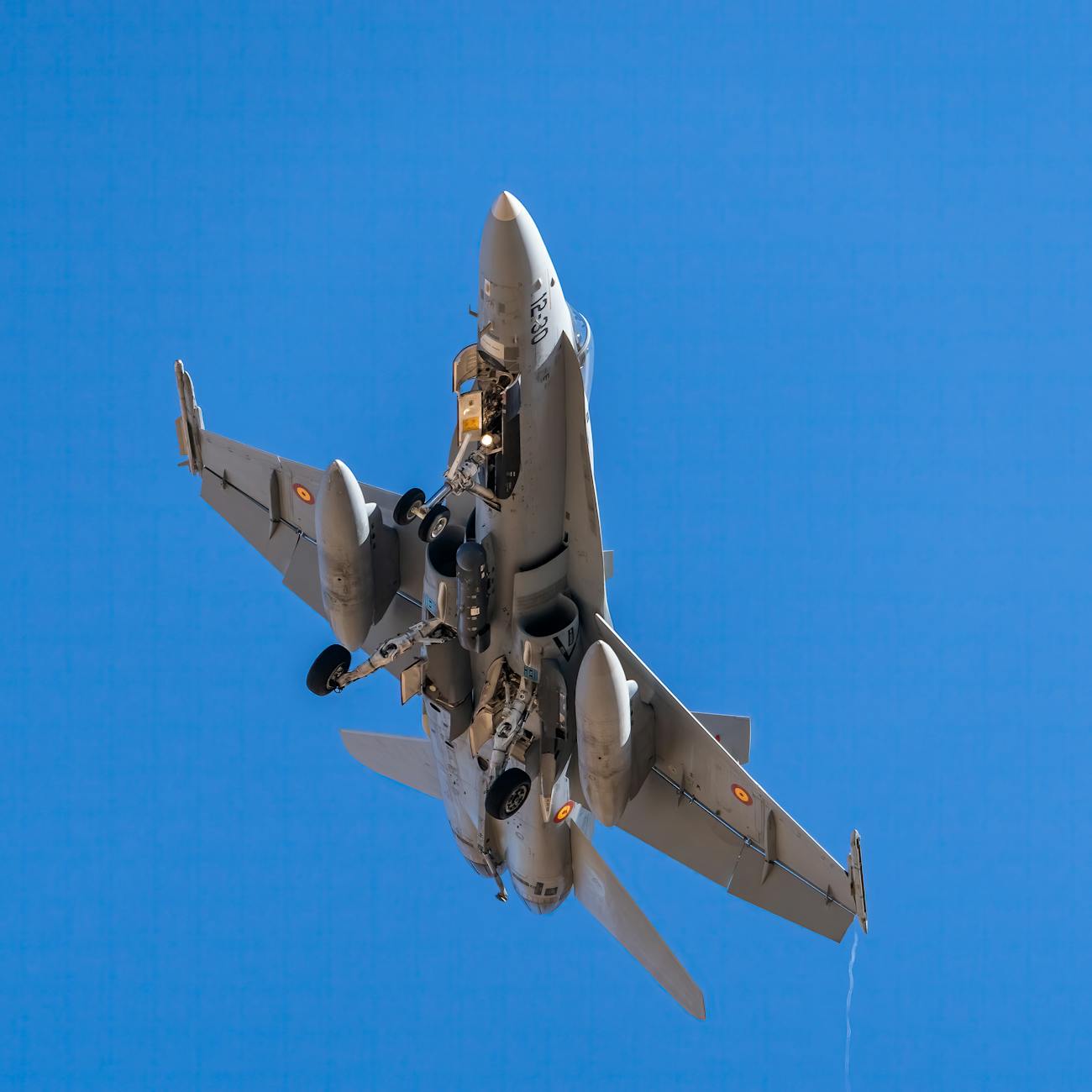
Project Management Project management in aerospace refers to the planning, organizing, and overseeing of tasks and resources to achieve specific goals within the aerospace industry. It involves coordinating various aspects of a project, such as scope, time, cost, quality, communication, risk, and procurement, to ensure successful completion. Project managers in aerospace must possess a strong understanding of industry-specific requirements, regulations, and best practices to effectively lead their teams and deliver projects on time and within budget.
Aerospace Industry The aerospace industry encompasses the design, development, production, and maintenance of aircraft, spacecraft, satellites, and related systems and components. It includes commercial aviation, military aviation, space exploration, and defense systems. The aerospace industry is highly regulated and requires strict adherence to safety standards, quality control measures, and project management practices to ensure the reliability and safety of aerospace products and services.
Risk Management Risk management in aerospace involves identifying, assessing, and mitigating risks that may impact the successful completion of a project. Risks in the aerospace industry can include technical challenges, regulatory changes, supply chain disruptions, cost overruns, schedule delays, and safety concerns. Effective risk management strategies help project managers anticipate and address potential threats to project success, reducing the likelihood of negative consequences and enhancing overall project performance.
Finance Management Finance management in aerospace involves the planning, monitoring, and controlling of financial resources to support project objectives and ensure financial sustainability. Aerospace projects often require significant investments in research, development, production, and operations, making financial management a critical aspect of project success. Project managers must have a solid understanding of financial principles, budgeting, cost estimation, and financial analysis to make informed decisions and optimize project outcomes.
Project Lifecycle The project lifecycle in aerospace consists of phases that define the progression of a project from initiation to closure. Common project lifecycle phases include initiation, planning, execution, monitoring and control, and closure. Each phase has specific deliverables, milestones, and activities that must be completed to move the project forward. Understanding the project lifecycle helps project managers effectively manage project tasks, resources, and stakeholders throughout the project's duration.
Stakeholder Management Stakeholder management in aerospace involves identifying, engaging, and communicating with individuals or groups that have a vested interest in the project's outcomes. Stakeholders in the aerospace industry can include customers, suppliers, regulators, employees, investors, and the general public. Effective stakeholder management helps project managers build strong relationships, align expectations, and address concerns to ensure project success and stakeholder satisfaction.
Scope Management Scope management in aerospace involves defining and controlling the work required to complete a project successfully. It includes determining project objectives, deliverables, requirements, and constraints, as well as managing changes to the project scope throughout the project lifecycle. Effective scope management helps project managers prevent scope creep, avoid unnecessary project delays and costs, and ensure project deliverables meet stakeholder expectations.
Time Management Time management in aerospace involves developing and maintaining a project schedule to ensure timely completion of project activities and milestones. Aerospace projects often have strict deadlines and time constraints, making effective time management critical to project success. Project managers must identify project dependencies, allocate resources efficiently, monitor progress against the schedule, and make adjustments as needed to keep the project on track.
Cost Management Cost management in aerospace involves estimating, budgeting, monitoring, and controlling project costs to ensure the project remains within budget. Aerospace projects can be complex and costly, requiring careful cost management to prevent cost overruns and financial risks. Project managers must develop accurate cost estimates, track project expenses, identify cost variances, and implement cost-saving measures to optimize project financial performance.
Quality Management Quality management in aerospace involves ensuring that project deliverables meet or exceed specified quality standards and requirements. The aerospace industry has stringent quality control measures to ensure the safety, reliability, and performance of aerospace products and services. Project managers must establish quality objectives, implement quality assurance processes, conduct inspections and tests, and address quality issues promptly to deliver high-quality project outcomes.
Communication Management Communication management in aerospace involves creating, distributing, and managing project information to ensure effective communication among project stakeholders. Clear and timely communication is essential for project success in the aerospace industry, where projects involve multiple teams, stakeholders, and complex technical requirements. Project managers must develop communication plans, facilitate regular meetings, provide updates, and address communication challenges to keep stakeholders informed and engaged.
Procurement Management Procurement management in aerospace involves acquiring goods, services, and resources from external vendors to support project objectives. Aerospace projects often require specialized equipment, materials, and expertise that may not be available internally. Project managers must develop procurement strategies, solicit bids, negotiate contracts, manage vendor relationships, and oversee procurement activities to ensure timely delivery of high-quality products and services.
Integration Management Integration management in aerospace involves coordinating and aligning project activities, processes, and deliverables to achieve project objectives. Aerospace projects are multifaceted and involve various interdependent components, making integration management crucial for project success. Project managers must integrate project plans, schedules, resources, and communication channels to ensure seamless collaboration and alignment among project teams and stakeholders.
Human Resource Management Human resource management in aerospace involves recruiting, training, and managing project team members to achieve project goals effectively. Aerospace projects require a diverse range of skills, expertise, and experience, making human resource management essential for building high-performing project teams. Project managers must assess team capabilities, assign roles and responsibilities, provide training and development opportunities, and address team dynamics to maximize team performance and project success.
Regulatory Compliance Regulatory compliance in aerospace involves adhering to laws, regulations, standards, and industry best practices that govern the aerospace industry. The aerospace industry is highly regulated to ensure the safety, security, and environmental sustainability of aerospace products and services. Project managers must stay updated on regulatory requirements, obtain necessary approvals and certifications, and implement compliance measures to mitigate legal risks and ensure project success.
Technical Challenges Technical challenges in aerospace refer to complex engineering, design, manufacturing, and operational issues that may arise during the course of a project. Aerospace projects often involve cutting-edge technology, advanced materials, and innovative solutions that can present technical hurdles and uncertainties. Project managers must anticipate technical challenges, collaborate with technical experts, and implement problem-solving strategies to overcome obstacles and deliver project objectives successfully.
Supply Chain Management Supply chain management in aerospace involves managing the flow of materials, components, and services from suppliers to manufacturers to customers. The aerospace industry relies on a global supply chain to source parts, equipment, and services for aircraft, spacecraft, and related systems. Project managers must optimize the supply chain, mitigate supply chain risks, establish supplier relationships, and ensure timely delivery of quality products to support project requirements and timelines.
Environmental Sustainability Environmental sustainability in aerospace refers to minimizing the environmental impact of aerospace operations and products through sustainable practices and technologies. The aerospace industry is under increasing pressure to reduce carbon emissions, waste generation, and resource consumption to address climate change and environmental concerns. Project managers must consider environmental sustainability in project planning, design, and operations to promote eco-friendly practices, comply with regulations, and enhance the industry's reputation.
Globalization Globalization in aerospace refers to the interconnectedness of the aerospace industry across national borders, markets, and supply chains. Aerospace companies operate in a global marketplace, collaborating with international partners, suppliers, and customers to develop and deliver aerospace products and services. Project managers must navigate cultural differences, regulatory requirements, trade barriers, and geopolitical risks to manage global aerospace projects effectively and capitalize on global opportunities.
Emerging Technologies Emerging technologies in aerospace refer to new and innovative advancements in aerospace engineering, design, manufacturing, and operations. The aerospace industry is constantly evolving with the introduction of technologies such as artificial intelligence, additive manufacturing, electric propulsion, autonomous systems, and space tourism. Project managers must stay abreast of emerging technologies, assess their potential impact on aerospace projects, and leverage them to enhance project performance, efficiency, and competitiveness.
Commercial Aviation Commercial aviation refers to the operation of passenger and cargo flights by airlines for commercial purposes. The commercial aviation sector includes airlines, aircraft manufacturers, airports, maintenance providers, and regulatory agencies. Project managers in commercial aviation oversee projects related to aircraft acquisition, fleet expansion, route optimization, passenger experience enhancements, and regulatory compliance to ensure safe and efficient airline operations.
Military Aviation Military aviation refers to the use of aircraft for defense and security purposes by military forces. Military aviation projects involve the development, acquisition, and maintenance of military aircraft, weapons systems, and support infrastructure. Project managers in military aviation oversee projects related to aircraft modernization, mission readiness, weapon integration, training programs, and international collaborations to enhance military capabilities and ensure national security.
Space Exploration Space exploration refers to the discovery and exploration of outer space using spacecraft, satellites, rovers, and telescopes. Space exploration projects involve government space agencies, commercial space companies, research institutions, and international partners. Project managers in space exploration oversee projects related to satellite launches, space missions, lunar exploration, Mars missions, space tourism, and space station operations to advance scientific knowledge, technology development, and human exploration of space.
Defense Systems Defense systems refer to military equipment, technologies, and strategies used for defense and security purposes. Defense systems projects involve the design, development, production, and maintenance of military hardware, software, and systems. Project managers in defense systems oversee projects related to missile defense, cybersecurity, intelligence gathering, command and control systems, and military logistics to enhance national defense capabilities, deter threats, and safeguard critical infrastructure.
Project Initiation Project initiation is the first phase of the project lifecycle, where project objectives, scope, stakeholders, and resources are defined. During project initiation, project managers develop a project charter, conduct feasibility studies, identify project risks, and secure project funding and approvals. Project initiation sets the foundation for the project and establishes the framework for project planning, execution, and control.
Project Planning Project planning is the phase of the project lifecycle where project tasks, resources, schedules, budgets, and quality requirements are defined and documented. Project planning involves creating a project management plan, work breakdown structure, schedule, budget, risk management plan, and communication plan. Project planning sets the direction and scope for the project and provides a roadmap for project execution, monitoring, and control.
Project Execution Project execution is the phase of the project lifecycle where project activities are carried out to produce project deliverables and achieve project objectives. Project execution involves coordinating resources, managing project teams, monitoring progress, and addressing issues and changes. Project managers must ensure that project activities are completed according to the project plan, quality standards, and stakeholder expectations to deliver project outcomes successfully.
Monitoring and Control Monitoring and control is the phase of the project lifecycle where project performance is measured, analyzed, and adjusted to ensure project goals are met. Monitoring and control involve tracking project progress, identifying variances, assessing risks, managing changes, and reporting project status to stakeholders. Project managers must implement monitoring and control mechanisms to maintain project alignment, quality, schedule, and budget throughout the project lifecycle.
Project Closure Project closure is the final phase of the project lifecycle where project activities are completed, deliverables are handed over to stakeholders, and project outcomes are evaluated. Project closure involves conducting project reviews, documenting lessons learned, obtaining project acceptance, and transitioning project responsibilities. Project managers must ensure that project closure activities are performed systematically to achieve project objectives, satisfy stakeholder requirements, and facilitate project closure effectively.
Project Objectives Project objectives are specific, measurable, achievable, relevant, and time-bound goals that the project aims to achieve. Project objectives provide a clear direction and purpose for the project, guiding project planning, execution, and evaluation. Project managers must define project objectives in collaboration with stakeholders, ensure they are aligned with organizational goals, and monitor progress against objectives to track project success and deliver value to stakeholders.
Project Deliverables Project deliverables are tangible or intangible products, services, or results that are produced by the project to meet project objectives. Project deliverables are identified during project planning and are used to measure project progress and success. Examples of project deliverables in aerospace projects include aircraft prototypes, engineering drawings, software applications, test reports, training programs, and regulatory approvals. Project managers must define, prioritize, and manage project deliverables to ensure project outcomes meet stakeholder expectations and requirements.
Project Requirements Project requirements are the criteria, specifications, and expectations that define the features, functions, and performance of project deliverables. Project requirements are gathered from stakeholders, analyzed, and documented to guide project planning, design, and development. In aerospace projects, requirements can include technical specifications, safety standards, regulatory compliance, customer preferences, and operational constraints. Project managers must manage project requirements effectively to ensure project deliverables meet quality, safety, and performance standards.
Project Constraints Project constraints are limitations or restrictions that impact the project's scope, schedule, budget, quality, or resources. Common project constraints in aerospace projects include time constraints, budget constraints, technical constraints, regulatory constraints, and resource constraints. Project managers must identify, assess, and manage project constraints to prevent project delays, cost overruns, quality issues, and stakeholder dissatisfaction. Effective constraint management helps project managers optimize project performance and deliver successful project outcomes.
Project Risks Project risks are uncertainties or events that may have a positive or negative impact on project objectives. Project risks in aerospace projects can include technical risks, schedule risks, cost risks, regulatory risks, market risks, and safety risks. Project managers must identify, assess, prioritize, and mitigate project risks to reduce their likelihood and impact on project success. Risk management strategies help project managers anticipate potential threats, respond proactively to risks, and safeguard project performance and stakeholders' interests.
Project Dependencies Project dependencies are relationships or connections between project tasks, activities, or deliverables that determine their sequence, timing, and interdependencies. Project dependencies in aerospace projects can be logical, resource-based, or external dependencies that impact project planning, scheduling, and execution. Project managers must identify project dependencies, manage critical paths, allocate resources efficiently, and coordinate dependencies to ensure project tasks are completed in the right order and sequence to achieve project objectives.
Project Resources Project resources are the people, equipment, materials, and facilities required to complete project tasks and deliver project outcomes. Project resources in aerospace projects can include project teams, subject matter experts, tools, software, hardware, facilities, and budget. Project managers must allocate, monitor, and optimize project resources to meet project requirements, support project activities, and achieve project objectives efficiently. Effective resource management helps project managers balance competing demands, reduce resource conflicts, and enhance project performance.
Project Schedule The project schedule is a timeline or timetable that defines the sequence, duration, and dependencies of project activities and milestones. The project schedule in aerospace projects outlines when project tasks will be performed, how long they will take, and the order in which they must be completed. Project managers must develop, update, and communicate the project schedule to ensure project activities are completed on time, resources are allocated effectively, and project progress is monitored and controlled.
Project Budget The project budget is a financial plan that outlines the estimated costs, expenses, and revenues associated with project activities and deliverables. The project budget in aerospace projects includes costs for labor, materials, equipment, facilities, overhead, contingencies, and reserves. Project managers must develop a realistic budget, monitor project expenses, track budget variances, and implement cost-saving measures to ensure the project remains within budget and financial constraints. Effective budget management helps project managers optimize resource allocation, control costs, and achieve project financial objectives.
Project Quality Project quality refers to the degree to which project deliverables meet specified quality standards, requirements, and expectations. Project quality in aerospace projects encompasses safety, reliability, performance, durability, and customer satisfaction. Project managers must establish quality objectives, define quality metrics, implement quality assurance processes, conduct quality inspections, and address quality issues to ensure project deliverables meet or exceed quality standards and stakeholder expectations. Quality management practices help project managers deliver high-quality project outcomes, enhance customer satisfaction, and build a reputation for excellence in the aerospace industry.
Project Communication Project communication involves creating, distributing, and managing project information to ensure effective communication among project stakeholders. Project communication in aerospace projects includes formal and informal communication channels, methods, tools, and protocols. Project managers must develop a communication plan, establish communication protocols, facilitate regular meetings, provide project updates, and address communication challenges to keep stakeholders informed, engaged, and aligned with project objectives. Effective project communication helps project managers build strong relationships, resolve conflicts, and promote collaboration among project teams and stakeholders.
Project Stakeholders Project stakeholders are individuals or groups who have a vested interest in the project's outcomes, deliverables, or success. Project stakeholders in aerospace projects can include customers, suppliers, regulators, employees, investors, partners, and the general public. Project managers must identify, engage, and manage project stakeholders throughout the project lifecycle to ensure their needs, expectations, and concerns are addressed. Effective stakeholder management helps project managers build trust, align expectations, resolve conflicts, and foster support for project objectives and outcomes.
Project Documentation Project documentation includes all documents, records, reports, and artifacts generated or used during the project lifecycle to plan, execute, monitor, and control project activities. Project documentation in aerospace projects can include project charters, plans, schedules, budgets, requirements, designs, specifications, reports, and contracts. Project managers must create, update, store, and share project documentation systematically to ensure project information is accurate, accessible, and traceable. Effective project documentation helps project managers communicate project status, decisions, changes, and lessons learned to stakeholders and support project governance, compliance, and knowledge management.
Lessons Learned Lessons learned are insights, experiences, and knowledge gained from project successes and failures that can be applied to improve future projects. Lessons learned in aerospace projects can include best practices, challenges, failures, successes, innovations, and recommendations. Project managers must conduct lessons learned sessions, document key findings, analyze root causes, and implement corrective actions to capture, share, and apply lessons learned to enhance project performance, prevent mistakes, and promote continuous improvement in project management practices.
Project Governance Project governance refers to the framework, policies, processes, and structures that guide and control project management activities and decisions within an organization. Project governance in aerospace projects includes project charters, steering committees, project management offices, governance boards, and project management methodologies. Project managers must adhere to project governance guidelines, seek approvals, report progress, escalate issues, and ensure compliance with organizational policies and standards to support project success, transparency, and accountability.
Change Management Change management involves planning, implementing, and controlling changes to project scope, schedule, budget, quality, resources, or stakeholders to achieve project objectives effectively. Change management in aerospace projects includes change requests, impact assessments, change control processes, stakeholder engagement, and communication strategies. Project managers must anticipate change, assess its implications, gain stakeholder
Key takeaways
- Project managers in aerospace must possess a strong understanding of industry-specific requirements, regulations, and best practices to effectively lead their teams and deliver projects on time and within budget.
- The aerospace industry is highly regulated and requires strict adherence to safety standards, quality control measures, and project management practices to ensure the reliability and safety of aerospace products and services.
- Effective risk management strategies help project managers anticipate and address potential threats to project success, reducing the likelihood of negative consequences and enhancing overall project performance.
- Finance Management Finance management in aerospace involves the planning, monitoring, and controlling of financial resources to support project objectives and ensure financial sustainability.
- Understanding the project lifecycle helps project managers effectively manage project tasks, resources, and stakeholders throughout the project's duration.
- Stakeholder Management Stakeholder management in aerospace involves identifying, engaging, and communicating with individuals or groups that have a vested interest in the project's outcomes.
- Effective scope management helps project managers prevent scope creep, avoid unnecessary project delays and costs, and ensure project deliverables meet stakeholder expectations.