
Social and Emotional Development
Social and Emotional Development play a crucial role in children's overall growth and well-being. Understanding the key terms and vocabulary related to this area is essential for educators, psychologists, and other professionals working wit…
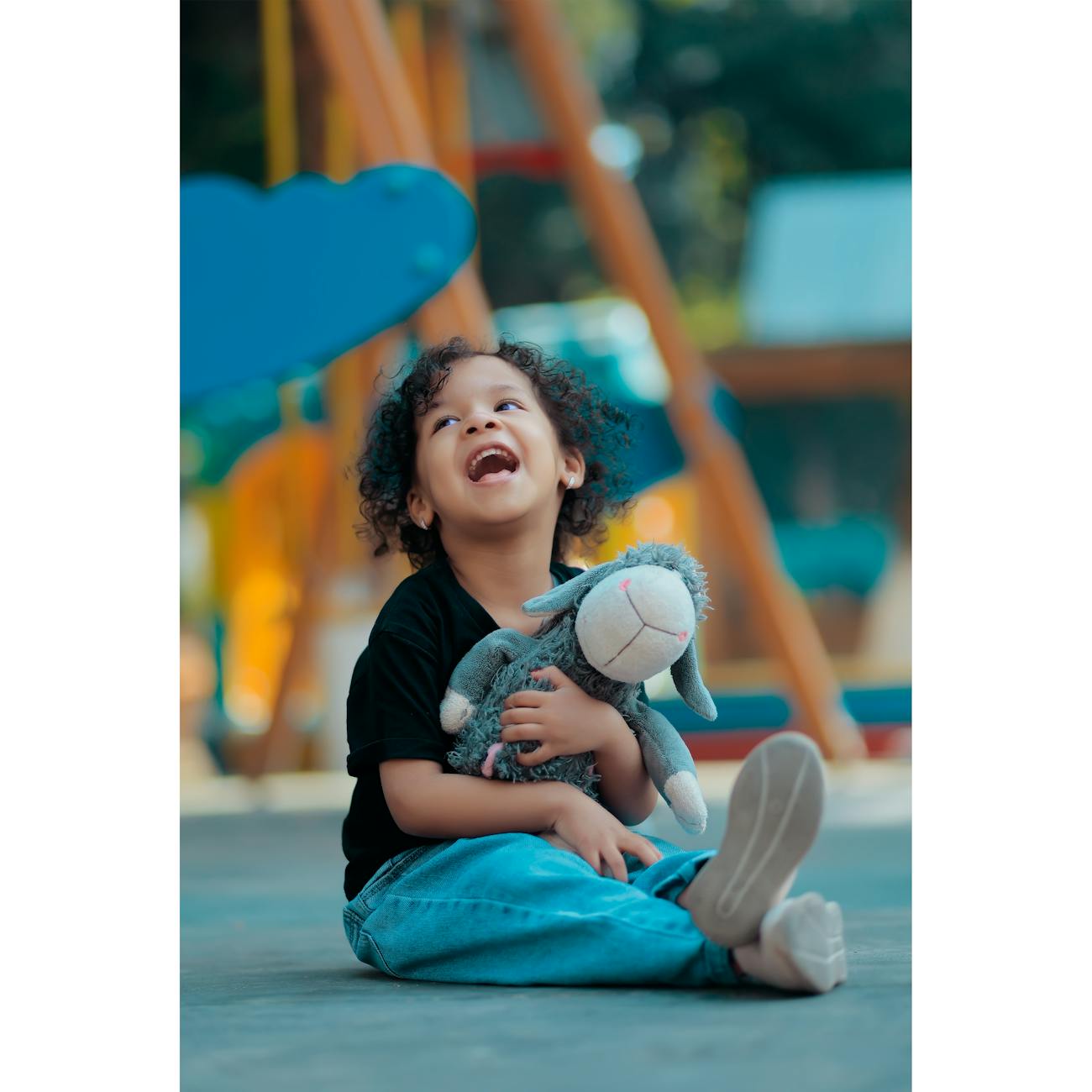
Social and Emotional Development play a crucial role in children's overall growth and well-being. Understanding the key terms and vocabulary related to this area is essential for educators, psychologists, and other professionals working with children. In this course, we will explore various concepts that contribute to social and emotional development in children.
Social development refers to the process through which individuals learn to interact with others effectively. It involves developing relationships, understanding social norms, and learning to communicate and cooperate with others. Emotional development, on the other hand, focuses on how individuals recognize, understand, and manage their own emotions as well as the emotions of others.
Let's delve into some key terms and vocabulary related to social and emotional development:
1. **Attachment**: Attachment refers to the emotional bond that forms between a child and their primary caregiver. This bond is crucial for the child's social and emotional development as it provides a sense of security and trust.
2. **Emotional Regulation**: Emotional regulation is the ability to manage and control one's emotions in various situations. Children who are skilled in emotional regulation can express their feelings appropriately and cope with stress effectively.
3. **Empathy**: Empathy is the ability to understand and share the feelings of others. It plays a vital role in building positive relationships and fostering a sense of compassion and understanding towards others.
4. **Social Skills**: Social skills refer to the ability to interact with others effectively. These skills include communication, cooperation, empathy, and conflict resolution, among others.
5. **Self-esteem**: Self-esteem is the perception individuals have of their own worth and abilities. Children with high self-esteem are more likely to take on challenges, have positive relationships, and cope with setbacks.
6. **Resilience**: Resilience is the ability to bounce back from adversity and adapt to challenging situations. It involves coping with stress, setbacks, and failures in a positive and healthy way.
7. **Socialization**: Socialization is the process through which individuals learn the norms, values, and behaviors of their society. It involves interactions with family, peers, and other social groups.
8. **Emotional Intelligence**: Emotional intelligence refers to the ability to recognize, understand, and manage one's own emotions as well as the emotions of others. It includes skills such as self-awareness, empathy, and emotional regulation.
9. **Social Cognition**: Social cognition refers to the cognitive processes involved in understanding social interactions, relationships, and norms. It includes skills such as perspective-taking, theory of mind, and understanding social cues.
10. **Attachment Theory**: Attachment theory, proposed by John Bowlby, emphasizes the importance of early attachments in shaping a child's social and emotional development. According to this theory, secure attachments provide a foundation for healthy relationships later in life.
11. **Social Support**: Social support refers to the assistance and resources provided by others in times of need. It plays a crucial role in promoting resilience and well-being, particularly during challenging situations.
12. **Play**: Play is a natural and essential activity for children's social and emotional development. Through play, children learn to interact with others, express their emotions, and develop problem-solving skills.
13. **Parenting Styles**: Parenting styles refer to the approaches parents use to raise their children. Different parenting styles, such as authoritative, authoritarian, permissive, and uninvolved, can have a significant impact on children's social and emotional development.
14. **Socialization Agents**: Socialization agents are individuals or groups that play a role in socializing children. These agents include parents, teachers, peers, media, and other influential figures in a child's life.
15. **Bullying**: Bullying is a form of aggressive behavior that involves repeated acts of harm or harassment towards others. It can have serious consequences for the victim's social and emotional well-being.
16. **Self-Regulation**: Self-regulation is the ability to control one's thoughts, emotions, and behaviors. It is essential for social and emotional development as it helps children manage impulses, focus attention, and cope with stress.
17. **Social Identity**: Social identity refers to the aspects of an individual's self-concept that are based on their group memberships. These identities, such as gender, ethnicity, or religion, influence how individuals perceive themselves and interact with others.
18. **Peer Relationships**: Peer relationships are interactions with children of similar age or status. These relationships play a significant role in children's social development, helping them learn social skills, develop empathy, and form friendships.
19. **Conflict Resolution**: Conflict resolution refers to the process of addressing and resolving disagreements or disputes. Teaching children effective conflict resolution skills can help them navigate social interactions and build positive relationships.
20. **Mental Health**: Mental health refers to the overall well-being of an individual's emotional, psychological, and social functioning. Promoting mental health in children involves supporting their social and emotional development and providing resources for coping with challenges.
21. **Social Learning Theory**: Social learning theory, proposed by Albert Bandura, emphasizes the role of observation and imitation in learning social behaviors. Children learn social skills by observing others and modeling their behavior.
22. **Social-Emotional Learning (SEL)**: Social-emotional learning is a process through which children acquire and apply the knowledge, attitudes, and skills necessary for understanding and managing emotions, setting and achieving positive goals, feeling and showing empathy for others, establishing and maintaining positive relationships, and making responsible decisions.
23. **Inclusion**: Inclusion refers to the practice of ensuring that all children, regardless of abilities or differences, are included in educational and social settings. Inclusive environments promote acceptance, diversity, and mutual respect among children.
24. **Co-regulation**: Co-regulation is the process through which children learn to regulate their emotions and behaviors with the help of supportive adults or peers. Co-regulation is essential for developing self-regulation skills in children.
25. **Mindfulness**: Mindfulness is the practice of being present in the moment and paying attention to one's thoughts, feelings, and sensations without judgment. Mindfulness techniques can help children manage stress, improve focus, and enhance self-awareness.
26. **Executive Function**: Executive function refers to a set of cognitive skills that help individuals plan, organize, and regulate their thoughts and behaviors. These skills are essential for goal-directed behavior, problem-solving, and self-control.
27. **Social-Emotional Well-being**: Social-emotional well-being refers to the state of being healthy, happy, and fulfilled in one's social and emotional life. It encompasses positive relationships, emotional resilience, and a sense of purpose and belonging.
28. **Emotion Coaching**: Emotion coaching is a parenting approach that involves helping children identify and regulate their emotions effectively. Emotion coaching teaches children to recognize and express their feelings in a healthy and constructive way.
29. **Trauma-Informed Practice**: Trauma-informed practice is an approach that recognizes the impact of traumatic experiences on children's social and emotional development. It involves creating safe, supportive environments and providing trauma-sensitive interventions for children who have experienced trauma.
30. **Social Justice**: Social justice refers to the fair and equitable distribution of resources, opportunities, and rights in society. Promoting social justice in education involves addressing systemic inequalities and advocating for inclusivity and equality for all children.
Understanding these key terms and concepts is essential for promoting healthy social and emotional development in children. Educators, psychologists, and other professionals working with children can use this knowledge to create supportive environments, develop interventions, and support children in reaching their full potential. By fostering social and emotional skills in children, we can help them build strong relationships, cope with challenges, and thrive in all aspects of their lives.
Key takeaways
- Understanding the key terms and vocabulary related to this area is essential for educators, psychologists, and other professionals working with children.
- Emotional development, on the other hand, focuses on how individuals recognize, understand, and manage their own emotions as well as the emotions of others.
- This bond is crucial for the child's social and emotional development as it provides a sense of security and trust.
- Children who are skilled in emotional regulation can express their feelings appropriately and cope with stress effectively.
- It plays a vital role in building positive relationships and fostering a sense of compassion and understanding towards others.
- These skills include communication, cooperation, empathy, and conflict resolution, among others.
- Children with high self-esteem are more likely to take on challenges, have positive relationships, and cope with setbacks.