
Penguin Behavior and Enrichment
Penguin Behavior
Penguin Behavior
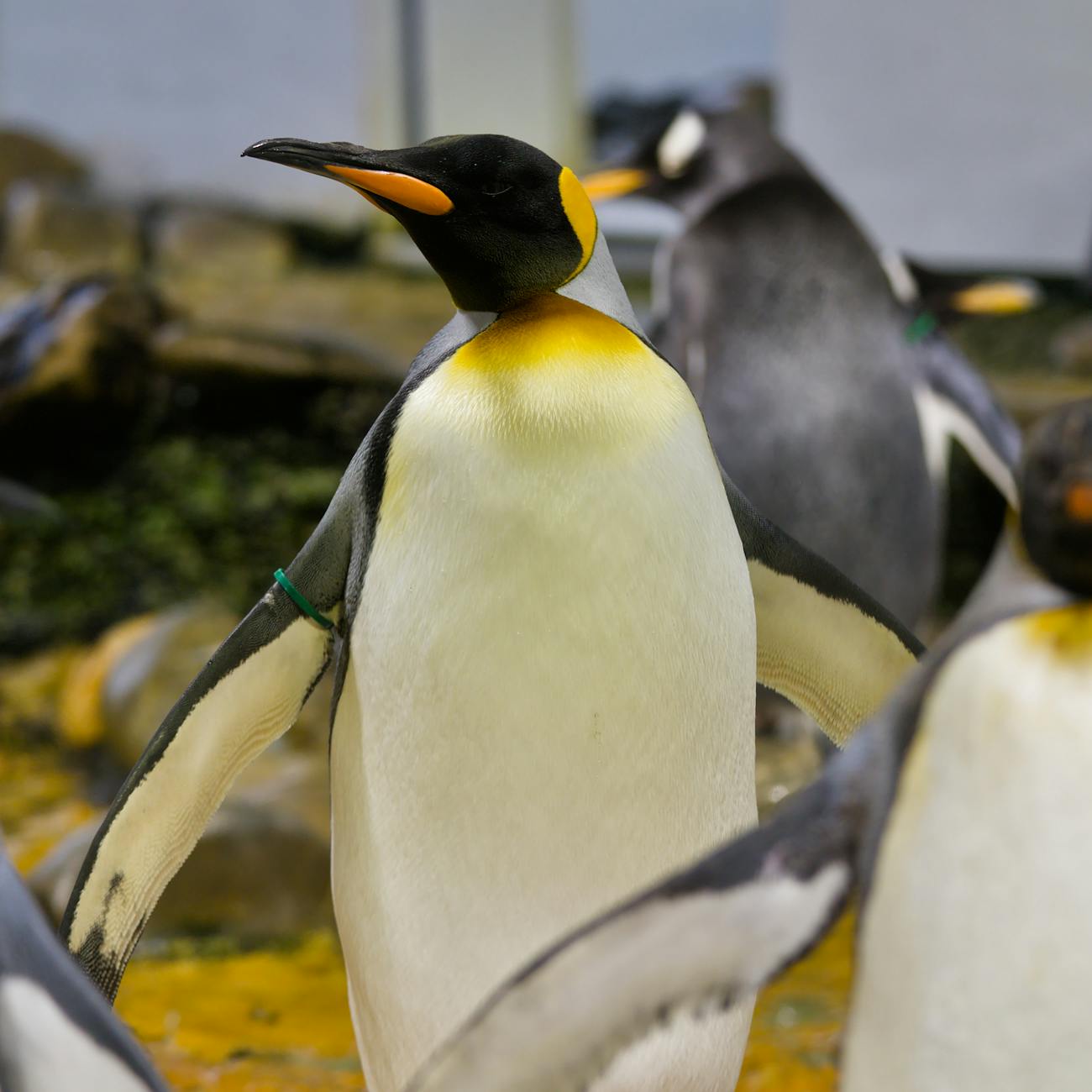
Penguins are a fascinating group of flightless birds that are highly adapted to life in the water. They are found primarily in the Southern Hemisphere, with species ranging from the cold waters of Antarctica to the warmer climates of South America and Africa. Understanding penguin behavior is crucial for effective rehabilitation and enrichment strategies.
One key aspect of penguin behavior is their social structure. Penguins are highly social animals that often form large colonies for breeding and raising their young. Within these colonies, there is a strict hierarchy based on factors such as age, size, and dominance. Understanding the social dynamics within a colony is important for creating a harmonious environment for rehabilitated penguins.
Another important aspect of penguin behavior is their communication. Penguins use a variety of vocalizations, body language, and displays to communicate with each other. These communication cues are essential for maintaining social bonds, establishing territory, and attracting mates. When rehabilitating penguins, it is important to consider their communication needs and provide opportunities for them to interact with conspecifics.
Feeding behavior is also a key aspect of penguin behavior. Different species of penguins have evolved unique feeding strategies to catch fish, squid, and other prey in the ocean. Some penguins are adept divers, while others rely on hunting in shallow waters near the shore. When rehabilitating penguins, it is important to replicate their natural feeding behavior by providing a diet that meets their nutritional needs and encourages natural foraging behaviors.
Enrichment plays a crucial role in promoting penguin behavior in a rehabilitation setting. Enrichment refers to the provision of stimulating and challenging activities that encourage natural behaviors and promote physical and mental well-being. By providing enrichment opportunities, rehabilitating penguins can engage in activities such as swimming, diving, foraging, and socializing, which are essential for their overall health and welfare.
Some common enrichment techniques for penguins include providing novel objects, puzzles, and sensory experiences that mimic their natural environment. For example, introducing floating toys in the water can encourage penguins to swim and dive, while hiding food in puzzle feeders can stimulate their foraging instincts. By incorporating enrichment into a rehabilitation program, caregivers can help to reduce stress, boredom, and stereotypic behaviors in penguins.
Challenges may arise when implementing enrichment for rehabilitating penguins. It is important to consider the individual needs and preferences of each penguin, as well as any limitations imposed by their physical condition or behavioral history. Additionally, caregivers must regularly assess the effectiveness of enrichment activities and make adjustments as needed to ensure that they continue to provide meaningful stimulation for the penguins.
In conclusion, understanding penguin behavior and implementing effective enrichment strategies are essential for the successful rehabilitation of penguins. By considering the social structure, communication, feeding behavior, and natural instincts of penguins, caregivers can create a stimulating and enriching environment that promotes the health and well-being of these incredible birds.
Key takeaways
- They are found primarily in the Southern Hemisphere, with species ranging from the cold waters of Antarctica to the warmer climates of South America and Africa.
- Understanding the social dynamics within a colony is important for creating a harmonious environment for rehabilitated penguins.
- When rehabilitating penguins, it is important to consider their communication needs and provide opportunities for them to interact with conspecifics.
- When rehabilitating penguins, it is important to replicate their natural feeding behavior by providing a diet that meets their nutritional needs and encourages natural foraging behaviors.
- By providing enrichment opportunities, rehabilitating penguins can engage in activities such as swimming, diving, foraging, and socializing, which are essential for their overall health and welfare.
- For example, introducing floating toys in the water can encourage penguins to swim and dive, while hiding food in puzzle feeders can stimulate their foraging instincts.
- Additionally, caregivers must regularly assess the effectiveness of enrichment activities and make adjustments as needed to ensure that they continue to provide meaningful stimulation for the penguins.