
Wildlife Crime Scene Analysis
Wildlife Crime Scene Analysis is a critical aspect of Wildlife Crime Scene Investigation, involving the careful examination and documentation of evidence to reconstruct events and identify perpetrators. This advanced skill certificate cours…
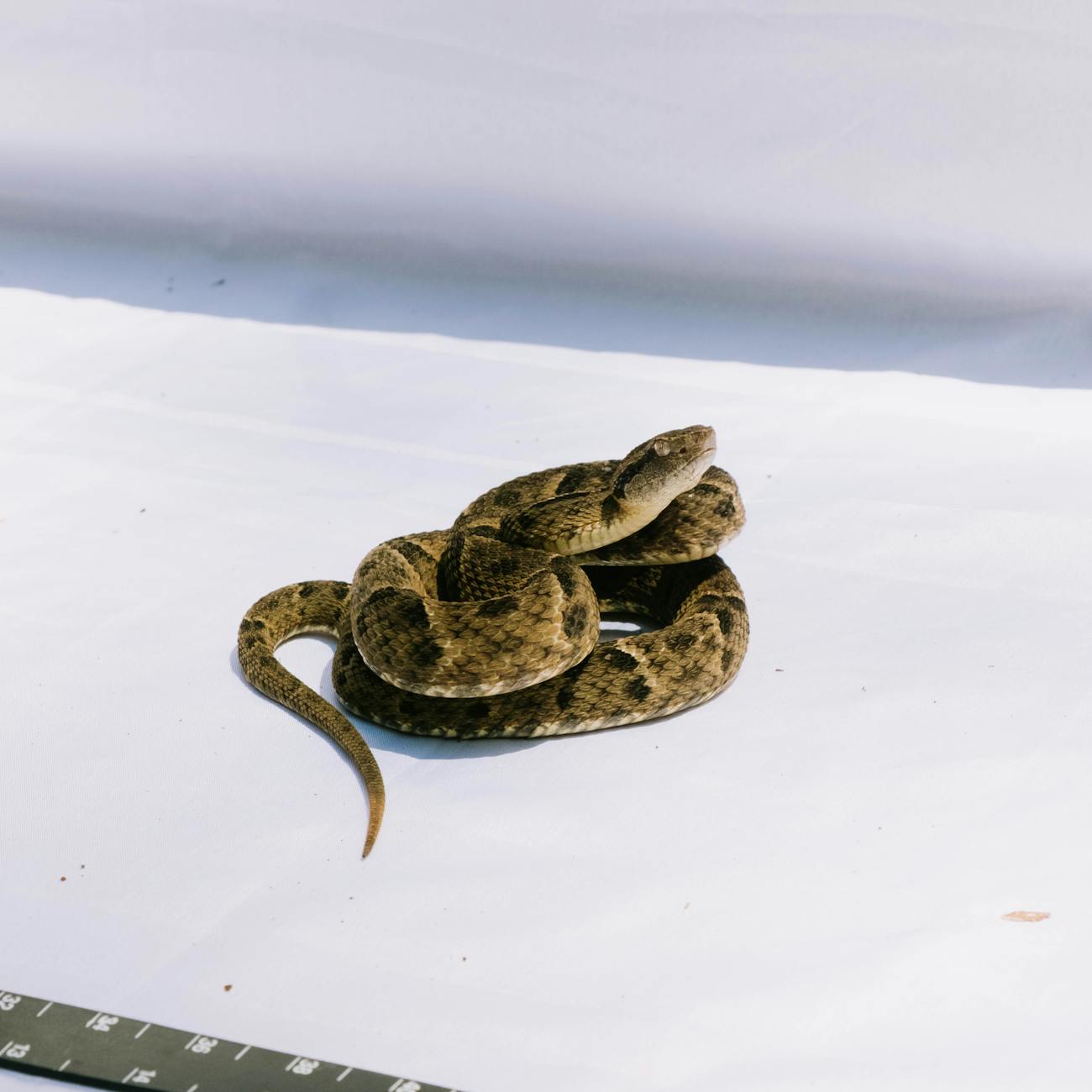
Wildlife Crime Scene Analysis is a critical aspect of Wildlife Crime Scene Investigation, involving the careful examination and documentation of evidence to reconstruct events and identify perpetrators. This advanced skill certificate course provides participants with the knowledge and techniques necessary to effectively analyze wildlife crime scenes and contribute to the prosecution of offenders.
Key Terms and Vocabulary:
1. Wildlife Crime Scene: A location where a crime against wildlife has occurred, such as poaching, illegal trade, or habitat destruction. These scenes require specialized investigation techniques to collect and preserve evidence.
2. Evidence: Any object or information that may be used to prove or disprove facts in a legal investigation. In wildlife crime scene analysis, evidence can include physical items like animal remains, weapons, or traps, as well as digital data like GPS coordinates or communication records.
3. Forensic Science: The application of scientific principles and techniques to the investigation of crimes. In wildlife crime scene analysis, forensic science methods are used to analyze evidence and establish facts related to the crime.
4. DNA Analysis: The process of examining genetic material to identify individuals or species. DNA analysis is commonly used in wildlife crime scene analysis to link evidence to specific animals or individuals involved in the crime.
5. Chain of Custody: The chronological documentation of the seizure, transfer, and storage of evidence. Maintaining a proper chain of custody is crucial in wildlife crime scene analysis to ensure the integrity of evidence for use in legal proceedings.
6. Crime Scene Reconstruction: The process of piecing together evidence to create a coherent narrative of what transpired at the crime scene. Wildlife crime scene analysts use reconstruction techniques to understand how the crime was committed and by whom.
7. Locus of Crime: The specific location where the crime took place. Identifying the locus of a wildlife crime scene is essential for determining jurisdiction and collecting relevant evidence.
8. Poaching: The illegal hunting, killing, or capturing of wild animals. Poaching is a common wildlife crime that poses a significant threat to endangered species and biodiversity.
9. Trafficking: The illegal trade or transportation of wildlife or wildlife products. Trafficking networks are responsible for the illicit movement of animals, plants, and derivatives across borders, fueling the black market trade in wildlife.
10. Habitat Destruction: The deliberate or unintentional degradation of natural habitats, leading to the loss of biodiversity and wildlife populations. Habitat destruction is a significant driver of wildlife crime and requires careful analysis to identify perpetrators.
11. Ballistics: The study of projectile motion and the effects of firearms. Ballistics analysis is used in wildlife crime scene investigation to determine the type of weapon used in poaching incidents and link ammunition to specific firearms.
12. Footprint Analysis: The examination of tracks left by animals or humans at a crime scene. Footprint analysis can provide valuable insights into the movements of suspects and wildlife in the area, aiding in crime scene reconstruction.
13. GIS Mapping: Geographic Information System mapping technology used to visualize and analyze spatial data. GIS mapping is essential in wildlife crime scene analysis for plotting evidence locations, identifying patterns, and creating visual representations of crime scenes.
14. Conservation Biology: The scientific study of the conservation and protection of biodiversity. Conservation biology principles are applied in wildlife crime scene analysis to assess the impact of crimes on wildlife populations and develop strategies for prevention.
15. Courtroom Testimony: Providing expert testimony in legal proceedings based on findings from wildlife crime scene analysis. Courtroom testimony requires clear communication of complex scientific information to support prosecution or defense arguments.
Practical Applications:
1. Identifying Wildlife Crime Hotspots: By analyzing patterns of wildlife crime incidents and evidence distribution, wildlife crime scene analysts can identify hotspots where illegal activities are concentrated. This information can help law enforcement agencies allocate resources effectively to combat wildlife crime.
2. Establishing Wildlife Forensics Laboratories: Wildlife crime scene analysts often work in specialized forensic laboratories equipped with advanced tools for DNA analysis, ballistics testing, and digital forensics. These labs play a crucial role in analyzing evidence and supporting investigations.
3. Collaborating with Law Enforcement Agencies: Wildlife crime scene analysts collaborate closely with wildlife enforcement agencies, police departments, and conservation organizations to investigate wildlife crimes. This collaboration ensures a coordinated response to illegal activities and enhances the chances of successful prosecution.
Challenges:
1. Limited Resources: Wildlife crime scene analysis requires specialized training, equipment, and facilities, which may be lacking in many regions. Limited resources can hinder the effectiveness of investigations and lead to challenges in collecting and analyzing evidence.
2. Transnational Crimes: Wildlife trafficking and other wildlife crimes often involve international networks that operate across borders. Investigating transnational crimes requires coordination between different countries' law enforcement agencies, posing challenges in information sharing and jurisdictional issues.
3. Wildlife Forensics Capacity Building: Building capacity in wildlife forensics and crime scene analysis is essential to combatting wildlife crime effectively. Training programs, workshops, and partnerships with academic institutions can help enhance the skills of wildlife crime scene analysts and improve investigation outcomes.
In conclusion, Wildlife Crime Scene Analysis is a crucial component of Wildlife Crime Scene Investigation, requiring specialized knowledge and techniques to effectively analyze evidence and reconstruct events. By understanding key terms and concepts in wildlife crime scene analysis, participants in the Advanced Skill Certificate course can contribute to the protection of wildlife and the prosecution of offenders involved in illegal activities.
Key takeaways
- Wildlife Crime Scene Analysis is a critical aspect of Wildlife Crime Scene Investigation, involving the careful examination and documentation of evidence to reconstruct events and identify perpetrators.
- Wildlife Crime Scene: A location where a crime against wildlife has occurred, such as poaching, illegal trade, or habitat destruction.
- In wildlife crime scene analysis, evidence can include physical items like animal remains, weapons, or traps, as well as digital data like GPS coordinates or communication records.
- In wildlife crime scene analysis, forensic science methods are used to analyze evidence and establish facts related to the crime.
- DNA analysis is commonly used in wildlife crime scene analysis to link evidence to specific animals or individuals involved in the crime.
- Maintaining a proper chain of custody is crucial in wildlife crime scene analysis to ensure the integrity of evidence for use in legal proceedings.
- Crime Scene Reconstruction: The process of piecing together evidence to create a coherent narrative of what transpired at the crime scene.