
Port Security Technologies
Port Security Technologies:
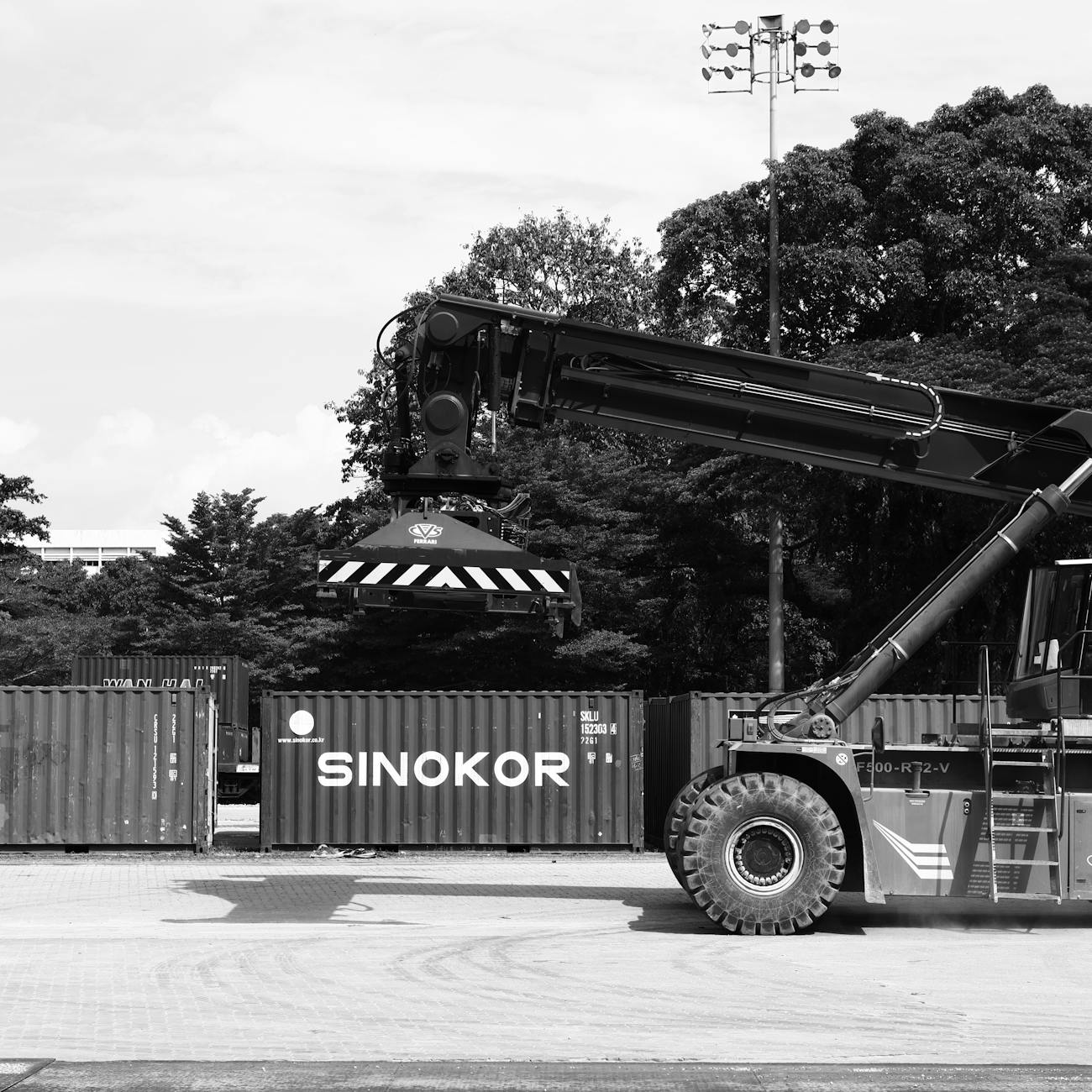
Port Security Technologies:
Port security technologies encompass a wide range of tools, systems, and practices implemented to safeguard ports, vessels, cargo, and personnel from various security threats. These technologies play a crucial role in ensuring the safety and security of maritime operations, preventing illicit activities such as terrorism, smuggling, and piracy. Understanding key terms and vocabulary related to port security technologies is essential for professionals working in the field of port risk management.
Risk Management:
Risk management refers to the process of identifying, assessing, and mitigating risks to achieve organizational objectives effectively. In the context of port security, risk management involves analyzing potential security threats, vulnerabilities, and consequences to develop strategies for reducing risks and enhancing security measures.
Threat:
A threat is any potential danger or harm that could compromise the security of a port facility, vessel, or cargo. Threats in the maritime sector can include terrorism, piracy, smuggling, cyber-attacks, natural disasters, and other security risks that pose a threat to the safety and operations of ports.
Vulnerability:
Vulnerability refers to weaknesses or gaps in security measures that could be exploited by threats to cause harm or damage. Identifying vulnerabilities is essential for effective risk management as it allows port authorities to address security gaps and strengthen defenses against potential threats.
Consequence:
Consequence refers to the impact or outcome of a security incident or breach. Understanding the potential consequences of security threats is crucial for evaluating the severity of risks and prioritizing security measures to mitigate the impact of such incidents on port operations.
Security Risk Assessment:
A security risk assessment is a systematic process of identifying, analyzing, and evaluating security risks within a port environment. This assessment helps port authorities understand the threats, vulnerabilities, and consequences associated with various security risks and develop effective risk management strategies.
Security Measure:
Security measures are actions, procedures, or technologies implemented to enhance security and reduce the likelihood of security breaches or incidents. Common security measures in port environments include access control systems, video surveillance, perimeter fencing, security patrols, and cybersecurity protocols.
Security Plan:
A security plan is a comprehensive strategy developed by port authorities to address security risks, threats, and vulnerabilities within a port facility. The security plan outlines security policies, procedures, and protocols to ensure the effective implementation of security measures and response to security incidents.
Physical Security:
Physical security refers to the measures and systems implemented to protect physical assets, infrastructure, and personnel within a port facility. Physical security measures include access control systems, perimeter fencing, security gates, CCTV cameras, security lighting, and security patrols to deter unauthorized access and protect port assets.
Access Control:
Access control is a security measure that regulates and monitors the entry and exit of individuals, vehicles, and cargo within a port facility. Access control systems may include security gates, turnstiles, biometric scanners, RFID readers, and access cards to restrict access to secure areas and prevent unauthorized entry.
Biometric Identification:
Biometric identification is a security technology that uses unique physical characteristics or behavioral traits of individuals, such as fingerprints, facial recognition, iris scans, or voice recognition, to verify their identity. Biometric identification systems are commonly used in access control systems to enhance security and prevent unauthorized access.
Video Surveillance:
Video surveillance is a security technology that uses cameras to monitor and record activities within a port facility. Video surveillance systems provide real-time monitoring of critical areas, deter criminal activities, and provide evidence in case of security incidents or breaches. Advanced video surveillance systems may include analytics for detecting suspicious behavior or unauthorized access.
Intrusion Detection System (IDS):
An Intrusion Detection System (IDS) is a security technology that monitors network traffic or physical environments for signs of unauthorized access, security breaches, or suspicious activities. IDSs can detect anomalies, alert security personnel, and trigger response protocols to mitigate security threats and prevent unauthorized intrusions.
Perimeter Security:
Perimeter security refers to the measures and systems implemented to secure the boundaries of a port facility and prevent unauthorized access. Perimeter security measures may include fencing, barriers, gates, sensors, and surveillance systems to protect the perimeter of the port and deter intruders from entering restricted areas.
Radiation Detection:
Radiation detection is a security technology used to detect and identify radioactive materials or nuclear threats within cargo, vehicles, or containers passing through a port facility. Radiation detection systems can help prevent the smuggling of radioactive materials or nuclear devices and ensure the safety of port personnel and the public.
Cybersecurity:
Cybersecurity is the practice of protecting computer systems, networks, and data from cyber threats, such as hacking, malware, ransomware, and data breaches. In the context of port security, cybersecurity measures are essential to safeguard critical infrastructure, communication systems, and information technology networks from cyber-attacks that could disrupt port operations or compromise sensitive data.
Incident Response:
Incident response refers to the process of responding to and managing security incidents, breaches, or emergencies within a port facility. An effective incident response plan includes procedures for detecting, containing, and mitigating security threats, as well as communication protocols, coordination with law enforcement agencies, and post-incident analysis to improve security measures.
Training and Awareness:
Training and awareness programs are essential for ensuring that port personnel, employees, and stakeholders understand security policies, procedures, and protocols to prevent security breaches and respond effectively to security threats. Security training may include drills, exercises, workshops, and simulations to prepare individuals for various security scenarios and enhance security awareness within the port environment.
Challenges:
Despite advancements in port security technologies, port authorities face several challenges in effectively securing port facilities and mitigating security risks. Some of the key challenges include:
- **Budget Constraints:** Limited resources and funding may restrict the implementation of advanced security technologies and measures within port facilities. - **Complexity of Threats:** Maritime security threats are constantly evolving and becoming more sophisticated, requiring port authorities to adapt and innovate security measures to address new risks. - **Regulatory Compliance:** Port security technologies must comply with international regulations and standards set by organizations such as the International Maritime Organization (IMO) and the International Ship and Port Facility Security (ISPS) Code. - **Interagency Coordination:** Effective port security requires collaboration and coordination among multiple agencies, including port authorities, law enforcement, customs, and border protection agencies, to address security threats comprehensively. - **Cybersecurity Vulnerabilities:** The increasing reliance on digital technologies and interconnected systems in port operations poses cybersecurity risks, such as data breaches, ransomware attacks, and disruptions to critical infrastructure. - **Human Factor:** Human error, negligence, or insider threats can compromise port security measures and create vulnerabilities that could be exploited by malicious actors.
Conclusion:
In conclusion, understanding key terms and vocabulary related to port security technologies is essential for professionals working in port risk management to effectively secure port facilities, vessels, cargo, and personnel from security threats. By implementing robust security measures, conducting security risk assessments, and developing comprehensive security plans, port authorities can mitigate risks, enhance security resilience, and safeguard maritime operations against potential security incidents and breaches. Despite the challenges faced in securing port environments, ongoing training, awareness, and collaboration among stakeholders are essential for addressing security threats, improving response capabilities, and maintaining the safety and security of ports worldwide.
Key takeaways
- Port security technologies encompass a wide range of tools, systems, and practices implemented to safeguard ports, vessels, cargo, and personnel from various security threats.
- In the context of port security, risk management involves analyzing potential security threats, vulnerabilities, and consequences to develop strategies for reducing risks and enhancing security measures.
- Threats in the maritime sector can include terrorism, piracy, smuggling, cyber-attacks, natural disasters, and other security risks that pose a threat to the safety and operations of ports.
- Identifying vulnerabilities is essential for effective risk management as it allows port authorities to address security gaps and strengthen defenses against potential threats.
- Understanding the potential consequences of security threats is crucial for evaluating the severity of risks and prioritizing security measures to mitigate the impact of such incidents on port operations.
- This assessment helps port authorities understand the threats, vulnerabilities, and consequences associated with various security risks and develop effective risk management strategies.
- Common security measures in port environments include access control systems, video surveillance, perimeter fencing, security patrols, and cybersecurity protocols.