
Health and Safety Regulations in the EU
Health and Safety Regulations in the EU
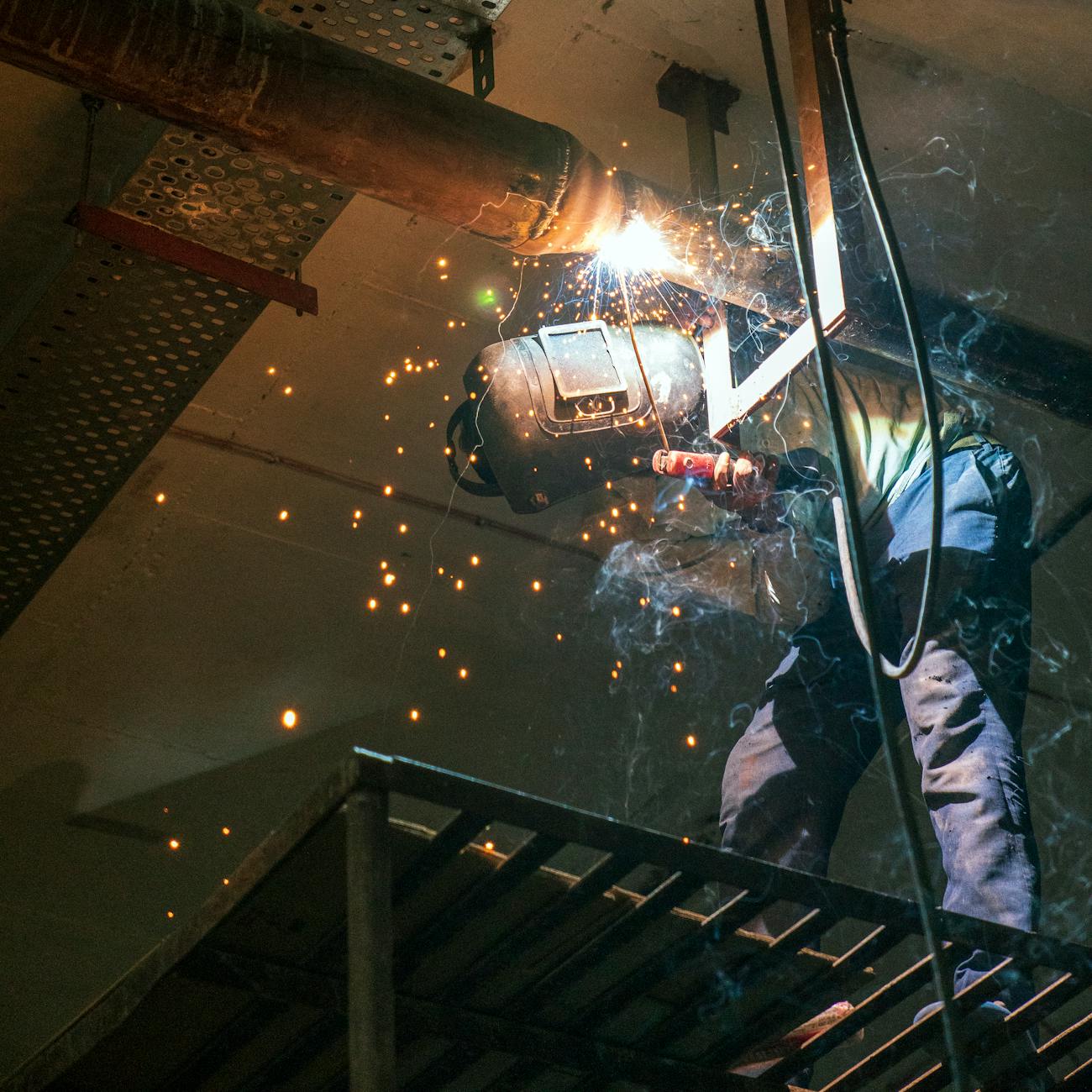
Health and Safety Regulations in the EU
The European Union (EU) has established comprehensive health and safety regulations to protect workers across member states. These regulations are designed to ensure that workplaces are safe and healthy environments for employees. By implementing these regulations, the EU aims to prevent accidents, injuries, and illnesses in the workplace.
Employers have a legal responsibility to provide a safe working environment for their employees. This includes identifying and eliminating workplace hazards, providing appropriate training, and ensuring that safety measures are in place. Failure to comply with health and safety regulations can result in fines, legal action, and damage to the reputation of the organization.
Employees also have a role to play in maintaining health and safety in the workplace. They are responsible for following safety procedures, using protective equipment, and reporting any hazards or concerns to their employer. By working together, employers and employees can create a safe and healthy work environment.
Risk Assessment
One of the key components of health and safety regulations in the EU is risk assessment. Employers are required to assess the risks present in the workplace and take steps to eliminate or reduce them. This involves identifying hazards, evaluating the likelihood and severity of potential harm, and implementing control measures to mitigate risks.
For example, a manufacturing company may conduct a risk assessment to identify hazards such as machinery, chemicals, or heavy lifting. They may then implement control measures such as providing training on safe handling procedures, using protective equipment, or installing safety guards on machinery.
By conducting regular risk assessments, employers can proactively identify and address potential hazards in the workplace, reducing the risk of accidents and injuries.
Health and Safety Policies
Employers are required to have health and safety policies in place to ensure that all employees are aware of their responsibilities and the procedures to follow in case of an emergency. These policies should outline the organization's commitment to health and safety, the roles and responsibilities of employees, and the procedures for reporting hazards or incidents.
Health and safety policies should be regularly reviewed and updated to reflect changes in the workplace or legislation. They should also be communicated to all employees to ensure that everyone is aware of the organization's commitment to health and safety.
By having clear and comprehensive health and safety policies in place, employers can create a culture of safety in the workplace and ensure that employees are aware of the steps they need to take to protect themselves and their colleagues.
Training and Education
Another important aspect of health and safety regulations in the EU is training and education. Employers are required to provide employees with the necessary training to ensure that they can perform their job safely and effectively. This includes training on how to identify hazards, use protective equipment, and respond to emergencies.
For example, a construction company may provide training on how to safely operate heavy machinery, use fall protection equipment, and respond to accidents on the job site. By providing employees with the knowledge and skills they need to work safely, employers can reduce the risk of accidents and injuries in the workplace.
Training and education should be ongoing to ensure that employees are up to date on the latest safety procedures and regulations. By investing in training and education, employers can create a safer work environment and reduce the likelihood of workplace incidents.
Personal Protective Equipment (PPE)
Personal Protective Equipment (PPE) plays a crucial role in health and safety regulations in the EU. Employers are required to provide employees with suitable PPE to protect them from workplace hazards. This may include items such as helmets, gloves, goggles, or respiratory protection.
For example, a healthcare facility may provide employees with gloves and masks to protect them from exposure to infectious diseases. A construction company may provide employees with hard hats and safety glasses to protect them from falling objects or debris.
Employers are responsible for ensuring that PPE is suitable for the hazards present in the workplace and that employees are trained on how to use it effectively. By providing employees with the necessary PPE, employers can reduce the risk of injuries and illnesses in the workplace.
Emergency Procedures
Employers are required to have emergency procedures in place to ensure that employees know how to respond in case of an emergency. This may include procedures for evacuating the building, responding to fires or chemical spills, or providing first aid to injured employees.
For example, a manufacturing company may have procedures in place for evacuating the building in case of a fire. A healthcare facility may have procedures for responding to a medical emergency or natural disaster.
Employers should regularly review and practice emergency procedures to ensure that employees are prepared to respond quickly and effectively in case of an emergency. By having clear and well-communicated emergency procedures in place, employers can minimize the impact of emergencies on the workplace.
Health Surveillance
Health surveillance is another important aspect of health and safety regulations in the EU. Employers are required to monitor the health of employees who may be exposed to workplace hazards. This may involve conducting health screenings, medical exams, or monitoring exposure to harmful substances.
For example, a construction company may conduct regular health screenings for employees who are exposed to asbestos. A healthcare facility may monitor employees who are at risk of needlestick injuries for infectious diseases.
By conducting health surveillance, employers can identify and address health issues early, reducing the risk of long-term health effects on employees. Health surveillance can also help employers identify trends in workplace health and safety and take steps to address them proactively.
Work-Related Stress
Work-related stress is a significant issue in the workplace and is covered by health and safety regulations in the EU. Employers are required to assess and address the risks of work-related stress to protect the mental health and well-being of employees.
Factors that can contribute to work-related stress include heavy workloads, long hours, lack of control over work, and poor relationships with colleagues. Employers are required to identify these risk factors and take steps to reduce or eliminate them.
For example, an employer may implement flexible working hours, provide training on stress management, or promote a healthy work-life balance to reduce work-related stress. By addressing work-related stress, employers can create a more positive work environment and improve the mental health of employees.
Enforcement and Inspections
Health and safety regulations in the EU are enforced through inspections and enforcement actions by regulatory authorities. These authorities are responsible for ensuring that employers comply with health and safety regulations and take action against those who fail to do so.
Inspections may be conducted regularly to assess compliance with health and safety regulations and identify any areas of non-compliance. Inspectors may review health and safety policies, conduct interviews with employees, and inspect the workplace for hazards.
Employers found to be in breach of health and safety regulations may face fines, legal action, or other enforcement actions. By enforcing health and safety regulations, regulatory authorities can protect the health and safety of workers and hold employers accountable for providing a safe working environment.
Challenges and Compliance
Complying with health and safety regulations in the EU can be challenging for employers due to the complexity of the regulations and the need to adapt to changing workplace conditions. Employers may struggle to keep up with new regulations, provide adequate training, or address emerging risks in the workplace.
One of the key challenges of compliance is ensuring that all employees are aware of their responsibilities and follow safety procedures. Employers may need to invest in training and education to ensure that employees understand the importance of health and safety in the workplace.
Another challenge is managing work-related stress and mental health issues in the workplace. Employers may need to implement new policies, provide support services, or promote a positive work culture to address these issues effectively.
Despite these challenges, compliance with health and safety regulations is essential to protect the health and well-being of employees. By prioritizing health and safety in the workplace, employers can create a safe and healthy environment for their employees and reduce the risk of accidents, injuries, and illnesses.
In conclusion, health and safety regulations in the EU play a crucial role in protecting the health and well-being of workers. Employers and employees have a shared responsibility to comply with these regulations and create a safe working environment. By conducting risk assessments, implementing health and safety policies, providing training and education, and addressing work-related stress, employers can create a culture of safety in the workplace. Enforcement and inspections by regulatory authorities help ensure compliance with health and safety regulations and hold employers accountable for providing a safe working environment. Despite the challenges of compliance, prioritizing health and safety in the workplace is essential to protect the health and well-being of employees and prevent workplace accidents and injuries.
Key takeaways
- The European Union (EU) has established comprehensive health and safety regulations to protect workers across member states.
- This includes identifying and eliminating workplace hazards, providing appropriate training, and ensuring that safety measures are in place.
- They are responsible for following safety procedures, using protective equipment, and reporting any hazards or concerns to their employer.
- This involves identifying hazards, evaluating the likelihood and severity of potential harm, and implementing control measures to mitigate risks.
- They may then implement control measures such as providing training on safe handling procedures, using protective equipment, or installing safety guards on machinery.
- By conducting regular risk assessments, employers can proactively identify and address potential hazards in the workplace, reducing the risk of accidents and injuries.
- Employers are required to have health and safety policies in place to ensure that all employees are aware of their responsibilities and the procedures to follow in case of an emergency.