
Creating Inclusive Environments
Creating Inclusive Environments: Creating inclusive environments is an essential aspect of coaching and mentoring, especially when working with neurodiverse individuals. Inclusive environments are those that are welcoming, supportive, and r…
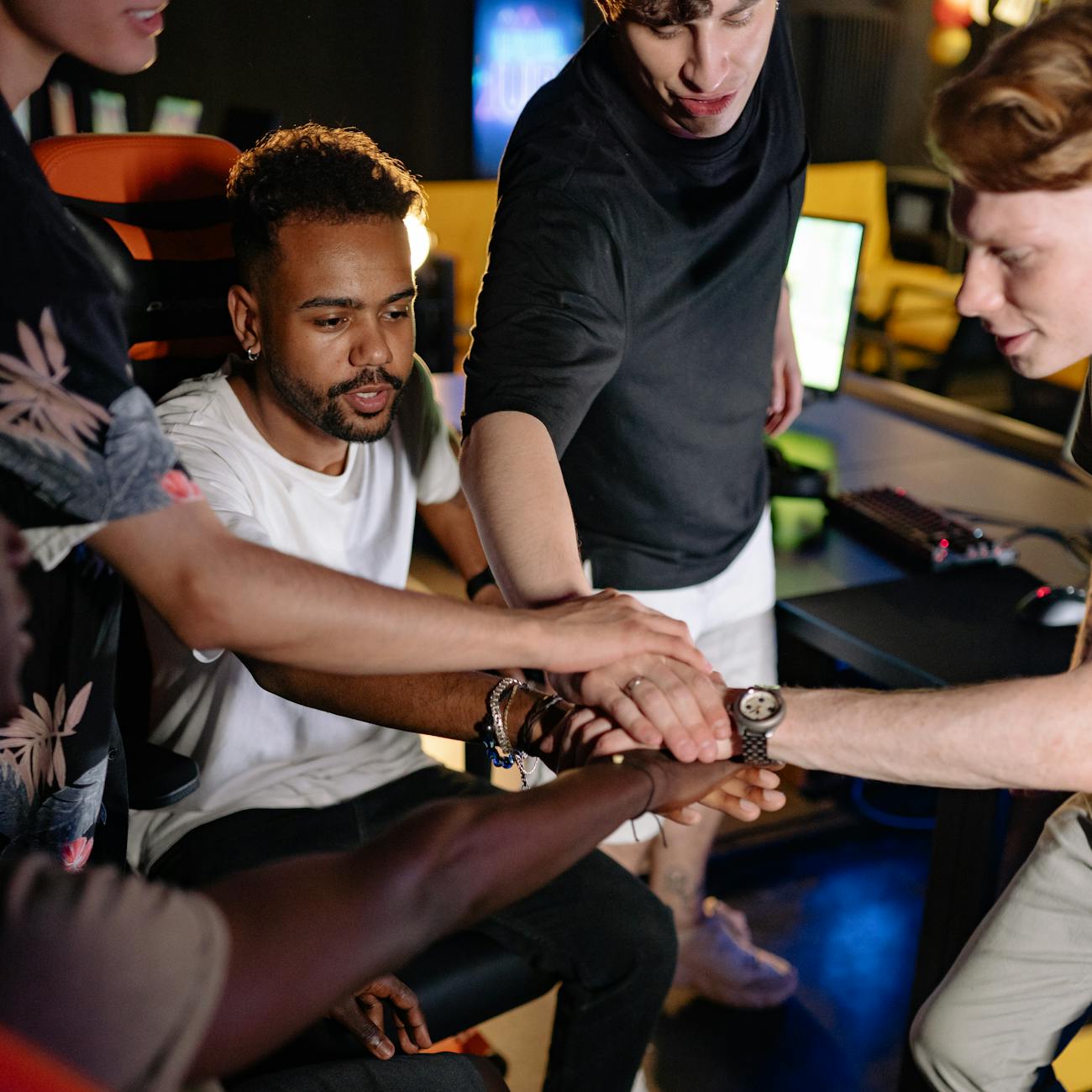
Creating Inclusive Environments: Creating inclusive environments is an essential aspect of coaching and mentoring, especially when working with neurodiverse individuals. Inclusive environments are those that are welcoming, supportive, and respectful of all individuals, regardless of their differences. These environments promote a sense of belonging and acceptance for everyone involved. When coaching or mentoring neurodiverse individuals, it is crucial to create an inclusive environment that caters to their unique needs and preferences.
Neurodiversity: Neurodiversity refers to the idea that neurological differences are natural and should be recognized and respected in society. It encompasses a wide range of conditions, including autism, ADHD, dyslexia, and other neurological variations. Embracing neurodiversity means acknowledging that individuals with these differences have unique strengths and perspectives that can contribute positively to the workplace and society as a whole.
Coaching: Coaching is a collaborative process that aims to help individuals achieve their personal or professional goals. A coach works with clients to identify their strengths, weaknesses, and areas for growth. Through active listening, questioning, and feedback, a coach supports clients in developing strategies to overcome challenges and reach their full potential. In the context of neurodiversity, coaching can help individuals leverage their unique strengths and navigate obstacles related to their neurological differences.
Mentoring: Mentoring involves a more experienced individual providing guidance, support, and advice to a less experienced individual. Mentors share their knowledge, skills, and experiences to help mentees develop professionally and personally. In the context of neurodiversity, mentors play a crucial role in providing tailored support to neurodiverse individuals, helping them navigate challenges, build confidence, and achieve their goals.
Inclusion: Inclusion is the practice of ensuring that all individuals, regardless of their differences, are valued, respected, and included in all aspects of society. Inclusion goes beyond mere tolerance or diversity; it involves actively creating environments where everyone feels welcomed and accepted for who they are. Inclusive practices are essential when working with neurodiverse individuals to ensure that they have equal opportunities to participate and succeed.
Accessibility: Accessibility refers to the design of products, services, environments, and information to be usable by all people, including those with disabilities or other differences. In the context of neurodiversity, accessibility is crucial for ensuring that individuals with diverse neurological profiles can fully participate in coaching and mentoring programs. This may involve providing accommodations, such as alternative communication methods, sensory-friendly environments, or assistive technologies.
Empathy: Empathy is the ability to understand and share the feelings of another person. It involves putting oneself in someone else's shoes and seeing the world from their perspective. Empathy is a key skill for coaches and mentors working with neurodiverse individuals, as it helps build trust, rapport, and understanding. By demonstrating empathy, coaches and mentors can create a safe and supportive environment for their clients to explore their thoughts, feelings, and challenges.
Communication: Communication is the exchange of information, ideas, and emotions between individuals. Effective communication is essential in coaching and mentoring relationships to ensure clarity, understanding, and mutual respect. When working with neurodiverse individuals, coaches and mentors may need to adapt their communication styles to accommodate different sensory preferences, processing speeds, or language abilities. Clear and concise communication is key to building trust and fostering meaningful relationships.
Strengths-based Approach: A strengths-based approach focuses on identifying and leveraging an individual's strengths, talents, and abilities to achieve their goals. Instead of focusing solely on deficits or challenges, this approach emphasizes building on what individuals do well. When working with neurodiverse individuals, coaches and mentors can use a strengths-based approach to help clients recognize their unique talents and capabilities, boosting their confidence and motivation.
Neurodiverse Profiles: Neurodiverse profiles refer to the unique cognitive, sensory, and social characteristics of individuals with neurological differences. These profiles can vary widely depending on the condition, severity, and individual differences. Understanding neurodiverse profiles is essential for coaches and mentors to tailor their support and interventions effectively. By recognizing the strengths and challenges associated with different neurodiverse profiles, coaches and mentors can provide personalized guidance and strategies for success.
Social Model of Disability: The social model of disability asserts that disability is not solely a result of an individual's impairments but is also influenced by societal barriers, attitudes, and structures. According to this model, disability is a social construct that can be overcome through changes in the environment, policies, and attitudes. When working with neurodiverse individuals, coaches and mentors can apply the social model of disability to promote inclusion, accessibility, and empowerment, focusing on removing barriers and creating supportive environments.
Intersectionality: Intersectionality is the idea that individuals can experience multiple forms of discrimination or disadvantage based on their intersecting identities, such as race, gender, disability, or sexual orientation. When working with neurodiverse individuals, coaches and mentors must consider the intersectionality of their clients' identities and experiences. By acknowledging and addressing the complex interplay of various factors, coaches and mentors can provide more inclusive and effective support to neurodiverse individuals.
Accommodations: Accommodations are adjustments or modifications made to the environment, tasks, or communication to support individuals with disabilities or other differences. In the context of neurodiversity, accommodations may include providing sensory-friendly spaces, offering alternative communication methods, or adjusting task expectations to suit individual needs. Coaches and mentors can work collaboratively with neurodiverse individuals to identify and implement accommodations that facilitate their participation and success.
Self-awareness: Self-awareness is the ability to recognize and understand one's thoughts, emotions, and behaviors. It involves reflecting on one's strengths, weaknesses, biases, and values to improve self-understanding and interpersonal relationships. Coaches and mentors working with neurodiverse individuals must cultivate self-awareness to recognize their own assumptions, prejudices, and communication styles that may impact their interactions. By developing self-awareness, coaches and mentors can build trust, empathy, and rapport with their clients.
Neurodiverse Communication Styles: Neurodiverse communication styles refer to the diverse ways in which individuals with neurological differences may process, interpret, and express information. These communication styles can vary widely depending on the individual's condition, preferences, and sensory profiles. Coaches and mentors must be aware of neurodiverse communication styles to adapt their own communication strategies effectively. By recognizing and respecting different communication preferences, coaches and mentors can facilitate clear and meaningful interactions with neurodiverse individuals.
Executive Functioning: Executive functioning refers to a set of cognitive skills that help individuals plan, organize, prioritize, and execute tasks effectively. Executive functioning skills include attention, working memory, self-regulation, and problem-solving. Many neurodiverse individuals may experience challenges with executive functioning, affecting their ability to manage time, focus attention, or regulate emotions. Coaches and mentors can support neurodiverse individuals in developing and strengthening their executive functioning skills through targeted strategies and accommodations.
Neurodiversity Advocacy: Neurodiversity advocacy involves promoting awareness, acceptance, and inclusion of individuals with neurological differences in society. Advocates work to challenge stigma, discrimination, and misconceptions about neurodiverse conditions, advocating for equal rights, opportunities, and accommodations. Coaches and mentors can engage in neurodiversity advocacy by promoting inclusive practices, challenging ableism, and supporting the empowerment of neurodiverse individuals. By advocating for neurodiversity, coaches and mentors can contribute to creating more inclusive and supportive environments for all individuals.
Intersectional Identities: Intersectional identities refer to the overlapping social categories and experiences that shape an individual's identity, such as race, gender, disability, and sexual orientation. Individuals with intersectional identities may face unique challenges and forms of discrimination based on the intersections of their multiple identities. Coaches and mentors working with neurodiverse individuals must consider the intersectionality of their clients' identities to provide culturally sensitive, inclusive, and empowering support. By acknowledging and respecting intersectional identities, coaches and mentors can create more meaningful and effective coaching and mentoring relationships.
Neurodiversity Training: Neurodiversity training involves education, awareness, and skills development related to understanding and supporting individuals with neurological differences. Training programs may cover topics such as neurodiverse profiles, communication strategies, accommodations, and inclusive practices. Coaches and mentors can benefit from neurodiversity training to enhance their knowledge, skills, and confidence in working with neurodiverse individuals. By participating in neurodiversity training, coaches and mentors can improve their ability to create inclusive environments and support the diverse needs of their clients.
Strengths-based Coaching: Strengths-based coaching focuses on identifying and leveraging an individual's strengths, talents, and abilities to achieve their goals. Instead of focusing on weaknesses or deficits, this approach emphasizes building on what individuals do well. Coaches can use a strengths-based approach to help neurodiverse individuals recognize and harness their unique strengths, enhancing their confidence, motivation, and success. By applying strengths-based coaching techniques, coaches can empower neurodiverse individuals to thrive and reach their full potential.
Neurodiversity Acceptance: Neurodiversity acceptance involves recognizing and embracing the diversity of neurological profiles and experiences in society. It entails valuing and respecting individuals with neurodiverse conditions for their unique perspectives, talents, and contributions. Coaches and mentors can promote neurodiversity acceptance by challenging stereotypes, promoting positive representations of neurodiversity, and fostering inclusive environments. By advocating for neurodiversity acceptance, coaches and mentors can help create a more inclusive and equitable society for all individuals.
Neurodiversity Sensitivity: Neurodiversity sensitivity involves being aware, understanding, and respectful of individuals with neurological differences and their unique needs. Coaches and mentors can demonstrate neurodiversity sensitivity by adapting their communication styles, providing accommodations, and promoting inclusivity in their practice. By fostering neurodiversity sensitivity, coaches and mentors can build trust, rapport, and understanding with neurodiverse individuals, creating a safe and supportive environment for growth and development.
Neurodiverse Strengths: Neurodiverse strengths refer to the unique abilities, talents, and perspectives that individuals with neurological differences may possess. These strengths can include creativity, attention to detail, problem-solving skills, and hyperfocus, among others. Coaches and mentors can help neurodiverse individuals identify and leverage their strengths to overcome challenges, build confidence, and achieve their goals. By recognizing and nurturing neurodiverse strengths, coaches and mentors can empower individuals to thrive and succeed in various areas of their lives.
Inclusive Leadership: Inclusive leadership involves creating environments where all individuals feel valued, respected, and included, regardless of their differences. Inclusive leaders promote diversity, equity, and inclusion in their organizations, fostering a culture of belonging and empowerment. Coaches and mentors can support inclusive leadership by helping leaders develop awareness, empathy, and skills to create inclusive environments for neurodiverse individuals. By promoting inclusive leadership practices, coaches and mentors can contribute to building more diverse, equitable, and inclusive workplaces.
Neurodiversity Awareness: Neurodiversity awareness involves understanding and recognizing the diversity of neurological profiles and experiences in society. It entails challenging stereotypes, promoting positive representations of neurodiverse conditions, and advocating for equal rights and opportunities for neurodiverse individuals. Coaches and mentors can raise neurodiversity awareness by educating themselves, their clients, and their communities about neurodiversity, its strengths, challenges, and impact. By fostering neurodiversity awareness, coaches and mentors can promote acceptance, understanding, and inclusion of neurodiverse individuals in all aspects of society.
Neurodiversity Support: Neurodiversity support involves providing tailored guidance, resources, and accommodations to individuals with neurological differences to help them succeed and thrive. Coaches and mentors can offer neurodiversity support by adapting their coaching and mentoring approaches to meet the unique needs and preferences of neurodiverse individuals. By providing personalized support, encouragement, and advocacy, coaches and mentors can empower neurodiverse individuals to overcome challenges, maximize their potential, and achieve their goals.
Key takeaways
- Creating Inclusive Environments: Creating inclusive environments is an essential aspect of coaching and mentoring, especially when working with neurodiverse individuals.
- Embracing neurodiversity means acknowledging that individuals with these differences have unique strengths and perspectives that can contribute positively to the workplace and society as a whole.
- In the context of neurodiversity, coaching can help individuals leverage their unique strengths and navigate obstacles related to their neurological differences.
- In the context of neurodiversity, mentors play a crucial role in providing tailored support to neurodiverse individuals, helping them navigate challenges, build confidence, and achieve their goals.
- Inclusion: Inclusion is the practice of ensuring that all individuals, regardless of their differences, are valued, respected, and included in all aspects of society.
- Accessibility: Accessibility refers to the design of products, services, environments, and information to be usable by all people, including those with disabilities or other differences.
- By demonstrating empathy, coaches and mentors can create a safe and supportive environment for their clients to explore their thoughts, feelings, and challenges.