
Language Policies and Planning
Language policies and planning play a crucial role in shaping the linguistic landscape of a society or community. Understanding key terms and vocabulary in this field is essential for professionals working in sociolinguistics in multicultur…
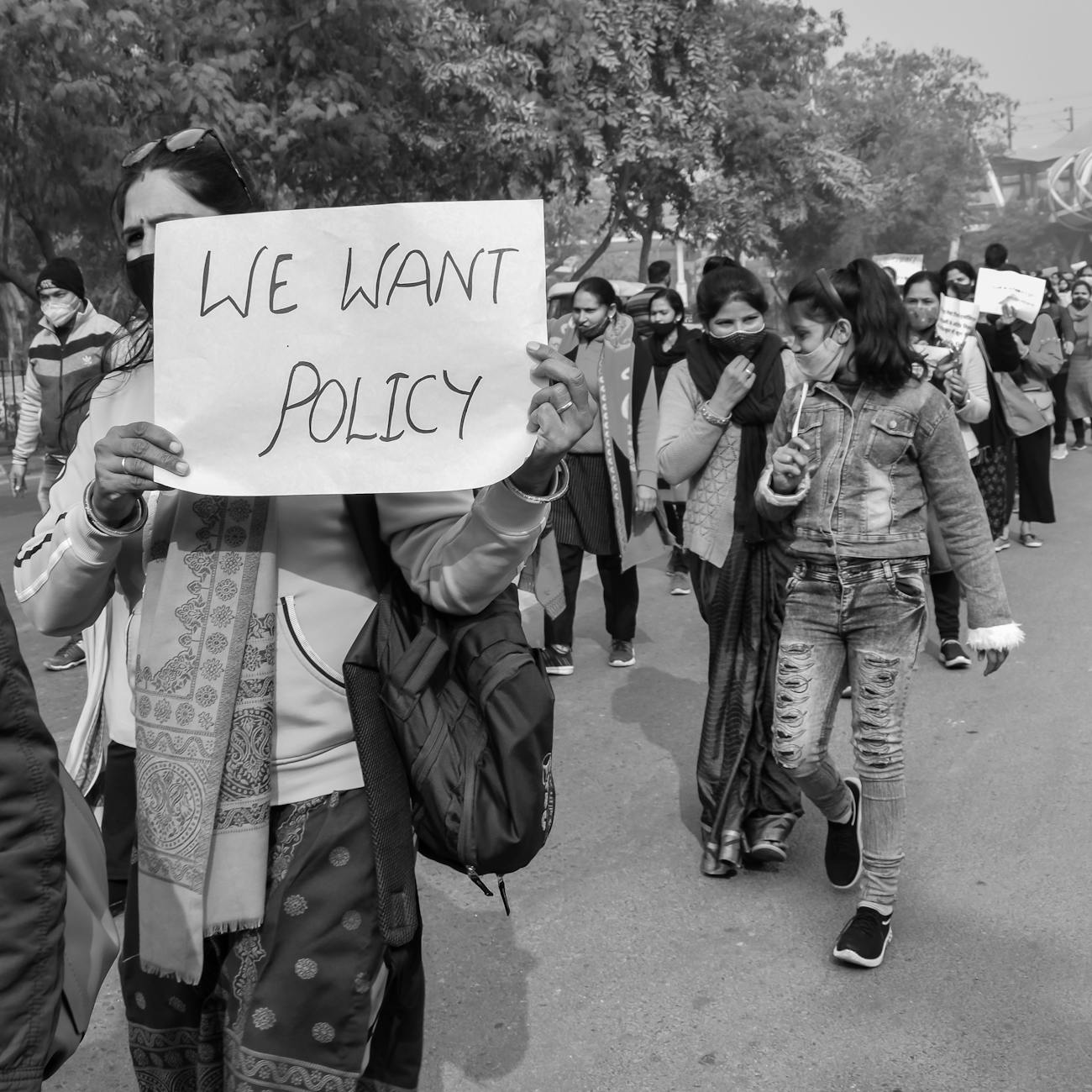
Language policies and planning play a crucial role in shaping the linguistic landscape of a society or community. Understanding key terms and vocabulary in this field is essential for professionals working in sociolinguistics in multicultural settings. Let's delve into some of these key terms and concepts:
1. **Language Policy**: This refers to a set of official rules, regulations, and guidelines that govern the use of language in a particular context. Language policies can address issues such as language education, language rights, language planning, and language maintenance.
2. **Language Planning**: Language planning involves deliberate efforts to influence the behavior of speakers regarding language use. It aims to promote linguistic diversity, preserve endangered languages, and enhance language vitality.
3. **Language Revitalization**: This process involves efforts to revive or strengthen a language that is in danger of disappearing. Language revitalization programs can include language classes, cultural events, and community initiatives.
4. **Language Maintenance**: Language maintenance refers to the efforts to ensure the continued use of a particular language within a community or society. This can involve promoting the language in education, media, and public life.
5. **Language Shift**: Language shift occurs when a community or group of speakers gradually adopts a new language at the expense of their traditional language. This phenomenon is often driven by social, economic, or political factors.
6. **Language Endangerment**: Languages are considered endangered when they are no longer being learned by children, and the number of speakers is declining rapidly. Many languages around the world are at risk of becoming extinct.
7. **Language Nest**: A language nest is an early childhood education program that immerses young children in a minority or endangered language. These programs aim to instill language skills and cultural knowledge from a young age.
8. **Language Ideology**: Language ideology refers to the beliefs, attitudes, and values that influence how people perceive and use language. These ideologies can shape language policies, practices, and attitudes towards linguistic diversity.
9. **Code-switching**: Code-switching is the practice of alternating between two or more languages or dialects within a conversation or discourse. This phenomenon is common in multilingual settings and can serve various social and communicative functions.
10. **Language Rights**: Language rights are human rights that protect individuals and communities' ability to use, maintain, and develop their languages. These rights are enshrined in international agreements and can include the right to education in one's mother tongue.
11. **Language Contact**: Language contact occurs when speakers of different languages interact and influence each other's linguistic practices. This can lead to language borrowing, code-mixing, and the emergence of new linguistic varieties.
12. **Diglossia**: Diglossia refers to a situation where two distinct varieties of a language are used in different social contexts. One variety (usually a high/prestige variety) is used in formal settings, while the other (a low/vernacular variety) is used in informal contexts.
13. **Language Planning Models**: There are various models of language planning that guide efforts to promote language maintenance, revitalization, or standardization. These models include corpus planning, status planning, and acquisition planning.
14. **Language Standardization**: Language standardization involves establishing norms and rules for a language to ensure consistency and coherence in its use. Standardized languages are often used in education, media, and official communication.
15. **Language Policy Implementation**: Implementing language policies requires coordination among various stakeholders, including government agencies, educational institutions, community organizations, and language speakers. Effective implementation can help achieve the goals of language planning initiatives.
16. **Language Ecology**: Language ecology refers to the complex system of interactions between languages, speakers, and socio-cultural factors within a given environment. Understanding language ecology is crucial for developing sustainable language policies.
17. **Language Maintenance vs. Language Shift**: Language maintenance efforts aim to preserve a language within a community, while language shift refers to the decline of a language's use in favor of another language. Balancing these dynamics is a key challenge in language planning.
18. **Language Policy Challenges in Multicultural Settings**: Multicultural settings often present unique challenges for language policy development, such as balancing the rights of different language communities, promoting intercultural communication, and addressing linguistic inequalities.
19. **Language Rights Advocacy**: Advocacy for language rights involves raising awareness about the importance of linguistic diversity, promoting the use of minority languages, and advocating for policies that support multilingualism and language revitalization.
20. **Language Policy Evaluation**: Evaluating the effectiveness of language policies is essential to assess their impact on language use, language attitudes, and language vitality. Evaluation methods can include language surveys, language assessments, and community feedback.
21. **Language Planning and Technology**: Technology can play a significant role in language planning efforts, such as developing language learning apps, creating digital resources in minority languages, and facilitating online communication in diverse linguistic communities.
22. **Language Policy and Education**: Language policies often have implications for education, including decisions about language of instruction, curriculum development, and teacher training. Aligning language policies with educational goals is crucial for promoting multilingualism and language diversity.
23. **Language Policy and Social Inclusion**: Language policies can influence social inclusion by recognizing and valuing the linguistic diversity of all community members. Inclusive language policies promote equal access to resources, services, and opportunities for speakers of all languages.
24. **Language Vitality**: Language vitality refers to the strength and viability of a language within a community. Factors that contribute to language vitality include the number of speakers, intergenerational transmission, institutional support, and positive language attitudes.
25. **Language Planning in Indigenous Communities**: Language planning in indigenous communities involves respecting indigenous languages, cultures, and knowledge systems. Collaborative approaches that involve community members in decision-making are essential for successful language revitalization efforts.
26. **Language Policy and Economic Development**: Language policies can impact economic development by promoting multilingualism, enhancing communication in business contexts, and supporting language industries such as translation, interpretation, and language teaching.
27. **Language Policy and Migration**: Migration patterns can influence language policies by introducing new languages and dialects to a host community. Addressing language diversity in multicultural settings requires policies that support language learning, intercultural communication, and social cohesion.
28. **Language Planning and Globalization**: Globalization has significant implications for language planning, as it can lead to the dominance of a few languages at the expense of linguistic diversity. Language planning efforts must consider the impact of globalization on local languages and cultures.
29. **Language Policy and Human Rights**: Language rights are considered fundamental human rights that protect individuals' linguistic identity, cultural heritage, and freedom of expression. Language policies that uphold human rights principles promote social justice and equality.
30. **Language Policy and Conflict Resolution**: Language policies can play a role in conflict resolution by addressing linguistic grievances, promoting dialogue between language communities, and fostering understanding and respect for diverse linguistic identities.
In conclusion, language policies and planning are complex and multifaceted fields that require careful consideration of linguistic, cultural, social, and political factors. By understanding key terms and concepts in language policies and planning, professionals in sociolinguistics can navigate the challenges and opportunities of working in multicultural settings. Effective language policies can support linguistic diversity, cultural heritage, and social inclusion, contributing to a more equitable and harmonious society.
Key takeaways
- Understanding key terms and vocabulary in this field is essential for professionals working in sociolinguistics in multicultural settings.
- **Language Policy**: This refers to a set of official rules, regulations, and guidelines that govern the use of language in a particular context.
- **Language Planning**: Language planning involves deliberate efforts to influence the behavior of speakers regarding language use.
- **Language Revitalization**: This process involves efforts to revive or strengthen a language that is in danger of disappearing.
- **Language Maintenance**: Language maintenance refers to the efforts to ensure the continued use of a particular language within a community or society.
- **Language Shift**: Language shift occurs when a community or group of speakers gradually adopts a new language at the expense of their traditional language.
- **Language Endangerment**: Languages are considered endangered when they are no longer being learned by children, and the number of speakers is declining rapidly.