
Water Quality Sampling Protocols
Water Quality Sampling Protocols
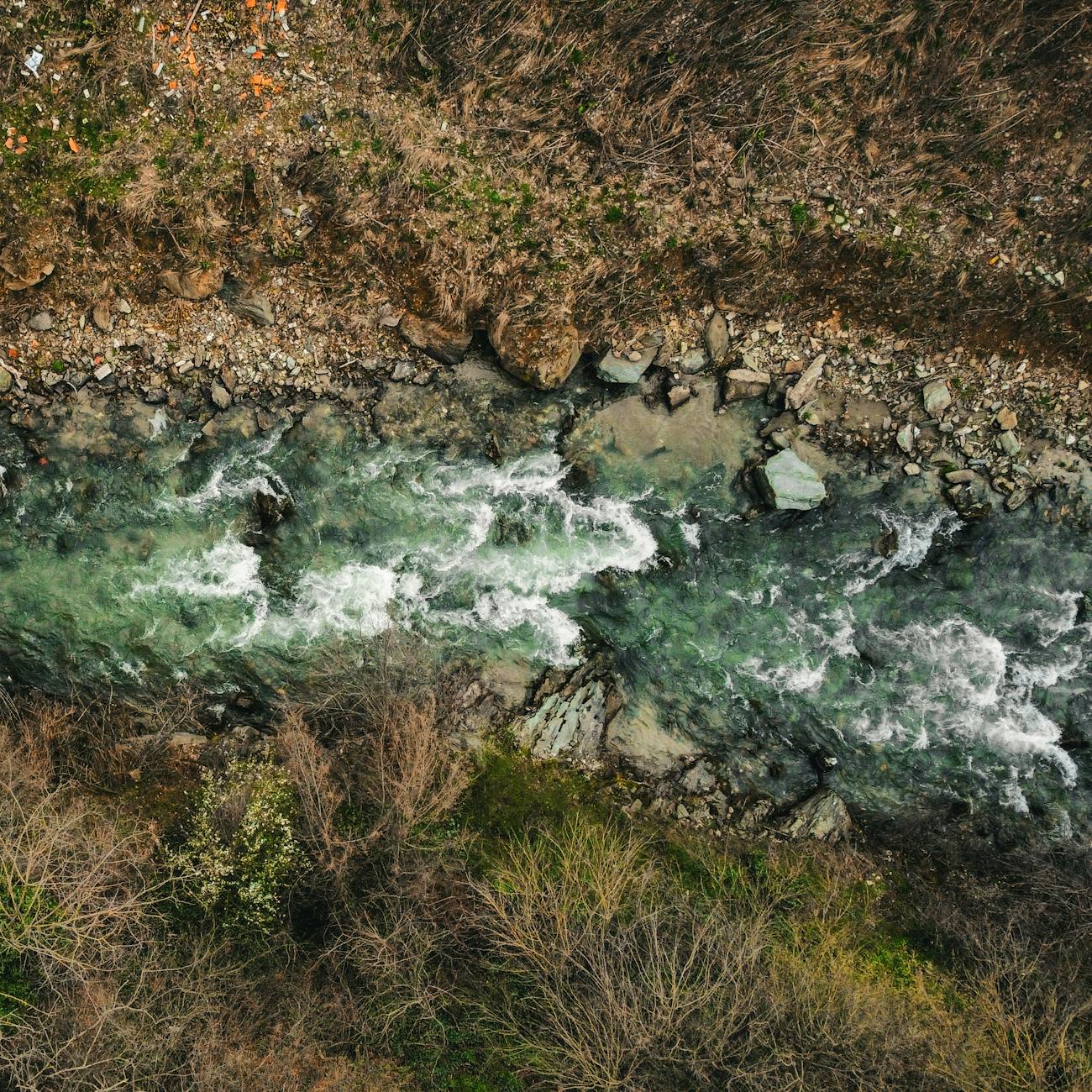
Water Quality Sampling Protocols
Water quality sampling protocols are a set of guidelines and procedures used to collect water samples in a consistent and standardized manner to ensure accurate and reliable results. These protocols are essential in water quality assessment as they help researchers and environmental professionals gather data that is representative of the actual conditions of a water body.
Key Terms and Vocabulary
1. Water Quality: The physical, chemical, and biological characteristics of water that determine its suitability for various uses such as drinking, agriculture, and recreation.
2. Sampling: The process of selecting a subset of a population to represent the whole, in this case, collecting a small amount of water from a larger body of water for analysis.
3. Protocol: A set of rules or guidelines that outlines the procedures to be followed in a particular situation, in this context, the steps to be followed in water quality sampling.
4. Parameter: A measurable characteristic of water quality, such as pH, dissolved oxygen, turbidity, or nutrient levels.
5. Sampling Point: The specific location where a water sample is collected, usually identified based on the objectives of the sampling program.
6. Composite Sample: A sample that is made up of multiple smaller samples collected at different locations or times, mixed together to provide a representative sample of a larger area.
7. Grab Sample: A single sample collected at a specific point in time and location, providing a snapshot of the water quality at that moment.
8. Replicate Samples: Multiple samples collected at the same location and time to assess the variability in the data and ensure its reliability.
9. Quality Assurance/Quality Control (QA/QC): Procedures used to ensure the accuracy and reliability of the data collected, including calibration of equipment, maintenance of sampling instruments, and validation of results.
10. Field Blank: A sample of pure water that is taken to the sampling site, carried through the sampling process, and analyzed in the laboratory to check for contamination during sampling.
11. Chain of Custody: A document that tracks the handling of a sample from the time of collection to analysis, ensuring its integrity and preventing tampering.
12. Preservation: The addition of chemicals or treatment to a water sample to prevent changes in its composition during transportation and storage.
13. Standard Operating Procedure (SOP): Detailed instructions that specify the steps to be followed in a particular task to ensure consistency and accuracy.
14. Field Parameters: Water quality parameters that can be measured in the field using portable instruments, such as pH, temperature, conductivity, and dissolved oxygen.
15. Lab Analysis: Water quality parameters that require samples to be collected and transported to a laboratory for analysis, such as nutrient levels, metals, and organic compounds.
16. Sampling Frequency: The number of times samples are collected at a specific location over a given period, determining the temporal resolution of the data.
17. Depth Integration: The method of collecting water samples at different depths to assess vertical variations in water quality.
18. Horizontal Integration: The method of collecting water samples at different points across a water body to assess spatial variations in water quality.
19. Field Notes: Detailed documentation of the sampling process, including observations, weather conditions, sampling techniques, and any deviations from the protocol.
20. Inter-laboratory Comparison: A process where multiple laboratories analyze the same samples to assess the consistency and accuracy of their results.
21. Calibration: The process of adjusting and standardizing analytical instruments to ensure accurate measurements of water quality parameters.
22. Validation: The process of confirming that the data collected is accurate and reliable through comparison with known standards or replicate samples.
23. Non-Detect: A result that indicates the concentration of a parameter is below the detection limit of the analytical method used.
24. Sampling Design: The overall plan that outlines the objectives, locations, timing, and methods for collecting water samples in a study.
25. Compliance Monitoring: The process of monitoring water quality to ensure that it meets regulatory standards and requirements set by environmental agencies.
26. Baseline Monitoring: The initial assessment of water quality in a specific area to establish a reference point for future comparisons and evaluations.
27. Passive Sampling: A method of collecting water samples using devices that absorb contaminants over time, allowing for continuous monitoring without the need for frequent sampling.
28. Remote Sensing: The use of satellite or aerial imagery to monitor water quality parameters such as turbidity, algal blooms, and temperature over large geographic areas.
29. Surrogate Parameters: Indicators that are used to estimate the concentration of a specific water quality parameter that is more difficult or expensive to measure directly.
30. Threshold Values: The maximum allowable concentration of a water quality parameter set by regulatory agencies to protect human health and the environment.
Practical Applications
Water quality sampling protocols are used in various fields and applications to assess and monitor the health of aquatic ecosystems, drinking water sources, and recreational water bodies. Some common practical applications include:
1. Drinking Water Monitoring: Regular sampling of drinking water sources to ensure compliance with safety standards and detect any potential contaminants.
2. Aquatic Ecosystem Assessment: Monitoring water quality parameters in rivers, lakes, and wetlands to assess the impact of human activities on aquatic habitats and biodiversity.
3. Industrial Discharge Monitoring: Sampling and analyzing wastewater from industrial facilities to ensure compliance with discharge permits and prevent pollution of water bodies.
4. Beach Water Quality Monitoring: Sampling and testing water at beaches and recreational areas to protect swimmers from exposure to harmful bacteria and pathogens.
5. Agricultural Runoff Monitoring: Assessing water quality in agricultural watersheds to identify sources of pollution from fertilizers, pesticides, and animal waste.
6. Stormwater Management: Monitoring stormwater runoff to prevent contamination of water bodies with pollutants such as heavy metals, oil, and grease.
7. Groundwater Monitoring: Sampling wells and springs to assess the quality of groundwater resources and detect potential sources of contamination.
8. Climate Change Impacts: Monitoring water quality parameters to assess the impacts of climate change on aquatic ecosystems, such as changes in temperature, pH, and dissolved oxygen levels.
Challenges and Considerations
While water quality sampling protocols are essential for collecting reliable data, there are several challenges and considerations that need to be addressed to ensure the accuracy and validity of the results:
1. Sampling Bias: The risk of bias in sampling locations or times that may not be representative of the overall water quality in a given area.
2. Sample Contamination: The potential for contamination of samples during collection, transportation, or analysis, leading to inaccurate results.
3. Equipment Calibration: The need for regular calibration and maintenance of sampling equipment to ensure accurate measurements of water quality parameters.
4. Sample Preservation: The importance of proper preservation techniques to prevent changes in water chemistry during storage and transportation.
5. Data Interpretation: The challenge of interpreting complex data sets and identifying trends or patterns in water quality parameters.
6. Regulatory Compliance: The need to adhere to regulatory standards and requirements for water quality monitoring to ensure the protection of human health and the environment.
7. Resource Constraints: Limited resources, such as funding, personnel, and equipment, can pose challenges to implementing comprehensive water quality sampling protocols.
8. Weather Conditions: Adverse weather conditions, such as heavy rainfall or extreme temperatures, can impact the sampling process and the quality of the data collected.
9. Public Engagement: Involving stakeholders and the public in water quality monitoring programs to increase awareness and collaboration in protecting water resources.
10. Emerging Contaminants: The need to monitor and assess new or emerging contaminants in water bodies that may pose risks to human health and the environment.
Conclusion
Water quality sampling protocols play a crucial role in assessing and monitoring the health of water bodies and ensuring the safety of drinking water sources. By following standardized procedures and guidelines, environmental professionals can collect reliable data that informs decision-making and protects aquatic ecosystems. Addressing challenges such as sampling bias, contamination, and data interpretation is essential to improving the quality and accuracy of water quality assessments. Through continuous monitoring and collaboration, we can safeguard water resources for current and future generations.
Water Quality Sampling Protocols
Water quality sampling protocols are systematic procedures followed to collect, handle, store, and analyze water samples to ensure accurate and reliable results. These protocols are crucial in assessing the quality of water resources and making informed decisions regarding water management practices. Adhering to standardized sampling protocols helps minimize errors, ensure data comparability, and maintain the integrity of water quality assessments.
Key Terms and Vocabulary
1. Water Quality: Refers to the chemical, physical, biological, and radiological characteristics of water that determine its suitability for various uses, such as drinking, irrigation, industrial processes, and aquatic life support.
2. Sampling: The process of collecting representative water samples from a specific location at a particular time to assess water quality parameters.
3. Protocol: A set of established guidelines and procedures that dictate how water sampling should be conducted to ensure consistency and accuracy.
4. Parameter: A characteristic or property of water that is measured or analyzed to evaluate its quality, such as pH, dissolved oxygen, temperature, turbidity, nutrients, and pollutants.
5. Sampling Site: A specific location where water samples are collected, typically chosen based on the objectives of the study and the characteristics of the water body.
6. Sampling Frequency: The number of times water samples are collected at a particular site over a specified period to capture variations in water quality.
7. Grab Sample: A single water sample collected at a specific point in time and location, providing a snapshot of water quality conditions at that moment.
8. Composite Sample: A combination of multiple grab samples collected at the same site and time, mixed together to create a representative sample for more accurate analysis.
9. Field Parameters: Water quality parameters that can be measured on-site immediately after sample collection, such as temperature, pH, conductivity, and dissolved oxygen.
10. Lab Analysis: The process of analyzing water samples in a laboratory to determine the concentrations of various contaminants, nutrients, and other water quality parameters.
11. Quality Assurance/Quality Control (QA/QC): Procedures implemented to ensure the accuracy, precision, and reliability of water quality data, including calibration of instruments, sample preservation, and duplicate analyses.
12. Chain of Custody: A documented record that tracks the handling, storage, and transportation of water samples from the sampling site to the laboratory to maintain sample integrity and traceability.
13. Field Blank: A control sample of pure water that is transported and handled in the same manner as actual samples to detect and correct for any contamination during sampling or analysis.
14. Field Duplicate: A replicate sample collected at the same site and time as the original sample to assess the precision and reproducibility of sampling and analysis procedures.
15. Standard Operating Procedures (SOPs): Detailed instructions outlining the steps to be followed during water sampling, handling, analysis, and data interpretation to ensure consistency and reliability.
16. Sampling Equipment: Tools and instruments used to collect water samples, including bottles, samplers, meters, pumps, tubing, gloves, and personal protective equipment.
17. Preservation Techniques: Methods used to stabilize water samples and prevent changes in water quality parameters during storage and transportation, such as acidification, refrigeration, and filtration.
18. Field Notes: Written records documenting the sampling location, date, time, weather conditions, sampling methods, equipment used, and any deviations from the sampling protocol.
19. Calibration: The process of adjusting and verifying the accuracy of measuring instruments and sensors by comparing their readings to known standards or reference values.
20. Sampling Depth: The vertical position in the water column from which samples are collected, which can influence the representation of water quality parameters in aquatic systems.
21. Sampling Seasonality: The variation in water quality parameters based on seasonal changes, such as temperature, precipitation, runoff, and biological activity, which can affect sampling strategies.
22. Data Interpretation: The process of analyzing and evaluating water quality data to draw conclusions, identify trends, assess compliance with regulations, and make recommendations for water management.
23. Statistical Analysis: The use of statistical methods to analyze water quality data, including descriptive statistics, hypothesis testing, regression analysis, and trend analysis to quantify relationships and patterns.
24. Monitoring Program: A systematic approach to regularly collect and analyze water samples over time to track changes in water quality, assess the effectiveness of management practices, and support decision-making.
25. Water Quality Standards: Established criteria or guidelines that define acceptable levels of water quality parameters for different uses, such as drinking water, swimming, fishing, and aquatic ecosystems.
26. Contaminant: Any substance present in water that can cause harm to human health, aquatic life, or the environment, including pollutants, pathogens, heavy metals, pesticides, and emerging contaminants.
27. Non-Point Source Pollution: Pollution that originates from diffuse sources, such as agricultural runoff, urban stormwater, and atmospheric deposition, which can impact water quality in rivers, lakes, and groundwater.
28. Point Source Pollution: Pollution that comes from a specific, identifiable source, such as industrial discharges, sewage treatment plants, and oil spills, which can degrade water quality in localized areas.
29. Best Management Practices (BMPs): Strategies and techniques designed to minimize the impacts of human activities on water quality, such as erosion control, riparian buffers, stormwater management, and nutrient management.
30. Water Quality Index (WQI): A composite measure that combines multiple water quality parameters into a single value to assess overall water quality, compare different water bodies, and communicate results to the public.
Practical Applications
1. Example 1: Drinking Water Monitoring In a municipal water supply system, sampling protocols are used to monitor the quality of raw water sources, treatment processes, and distribution systems to ensure compliance with drinking water standards and protect public health. Regular sampling of parameters such as turbidity, disinfection byproducts, coliform bacteria, and pH helps identify potential contamination issues and guide corrective actions.
2. Example 2: Stormwater Runoff Assessment In urban areas, stormwater runoff can carry pollutants like sediments, nutrients, heavy metals, and bacteria into water bodies, impacting water quality and aquatic ecosystems. By following established sampling protocols, environmental scientists can assess the effectiveness of stormwater management practices, identify sources of pollution, and develop strategies to reduce runoff impacts through green infrastructure and BMPs.
3. Example 3: Environmental Impact Studies Before and after construction projects, environmental impact assessments often include water quality sampling to evaluate potential changes in water quality parameters, aquatic habitat, and biodiversity. By comparing baseline data with post-construction results, researchers can quantify the impacts of development activities, mitigate adverse effects, and enhance the sustainability of infrastructure projects.
4. Example 4: Recreational Water Quality Monitoring In recreational water bodies like beaches, lakes, and rivers, water quality sampling protocols are used to assess bacterial contamination levels, algal blooms, and other factors that may affect public health and safety. By monitoring parameters such as fecal coliforms, enterococci, and cyanobacteria, health officials can issue advisories, closures, or remediation measures to protect swimmers, boaters, and beachgoers.
Challenges and Considerations
1. Field Conditions: In the field, water quality sampling may face challenges such as adverse weather conditions, difficult access to sampling sites, variable flow rates, and equipment malfunctions, requiring careful planning, flexibility, and adaptation to ensure sample integrity and data accuracy.
2. Sample Preservation: Proper sample preservation techniques are critical to prevent changes in water quality parameters during storage and transport, especially for sensitive analytes like dissolved metals, nutrients, and volatile compounds that may degrade or react with sample containers if not preserved correctly.
3. Data Variability: Natural variability in water quality parameters, seasonal fluctuations, diurnal patterns, and spatial heterogeneity can influence sampling results and require careful consideration in sampling design, site selection, and data interpretation to account for temporal and spatial dynamics.
4. Regulatory Compliance: Water quality sampling protocols must adhere to regulatory requirements, quality standards, and reporting guidelines set by government agencies, environmental authorities, and international organizations to ensure data reliability, comparability, and legal defensibility in regulatory decision-making processes.
5. Community Engagement: Involving local communities, stakeholders, and indigenous groups in water quality monitoring programs can enhance data collection, build trust, foster environmental stewardship, and empower communities to contribute to water resource management and protection efforts through citizen science initiatives and participatory monitoring approaches.
6. Data Sharing and Transparency: Open access to water quality data, sharing of monitoring results, public engagement, and transparent communication of findings are essential for promoting accountability, public awareness, data-driven decision-making, and collaborative efforts to address water quality challenges, improve data quality, and support evidence-based policy-making.
7. Technological Advancements: The integration of new technologies, remote sensing, autonomous sensors, real-time monitoring systems, and data analytics tools can enhance the efficiency, accuracy, and cost-effectiveness of water quality sampling, analysis, and reporting, enabling real-time data sharing, rapid response to pollution events, and adaptive management strategies in water resources.
8. Capacity Building: Training programs, workshops, capacity-building initiatives, and professional development opportunities are essential to equip water quality practitioners, field technicians, researchers, and decision-makers with the knowledge, skills, and resources needed to implement best practices, adhere to sampling protocols, and advance the science of water quality assessment in diverse environmental contexts.
9. Interdisciplinary Collaboration: Addressing complex water quality challenges requires interdisciplinary collaboration among scientists, engineers, policymakers, community members, industry stakeholders, and other actors to integrate diverse perspectives, expertise, and resources in developing holistic solutions, innovative technologies, and adaptive management strategies for sustainable water management and protection of aquatic ecosystems.
10. Ethical Considerations: Ethical principles, scientific integrity, respect for indigenous knowledge, cultural sensitivity, and environmental justice considerations should guide water quality sampling protocols, data collection practices, and decision-making processes to ensure equity, inclusivity, social responsibility, and environmental sustainability in water resource management and conservation efforts.
In summary, water quality sampling protocols play a critical role in assessing, monitoring, and managing water resources to protect human health, aquatic ecosystems, and environmental quality. By following standardized procedures, implementing quality assurance measures, and considering practical applications, challenges, and best practices, water quality practitioners can generate reliable data, inform evidence-based decisions, and contribute to sustainable water management practices worldwide.
Key takeaways
- These protocols are essential in water quality assessment as they help researchers and environmental professionals gather data that is representative of the actual conditions of a water body.
- Water Quality: The physical, chemical, and biological characteristics of water that determine its suitability for various uses such as drinking, agriculture, and recreation.
- Sampling: The process of selecting a subset of a population to represent the whole, in this case, collecting a small amount of water from a larger body of water for analysis.
- Protocol: A set of rules or guidelines that outlines the procedures to be followed in a particular situation, in this context, the steps to be followed in water quality sampling.
- Parameter: A measurable characteristic of water quality, such as pH, dissolved oxygen, turbidity, or nutrient levels.
- Sampling Point: The specific location where a water sample is collected, usually identified based on the objectives of the sampling program.
- Composite Sample: A sample that is made up of multiple smaller samples collected at different locations or times, mixed together to provide a representative sample of a larger area.