
Integrative Therapies for Cancer Patients
Integrative therapies for cancer patients involve a range of approaches that aim to promote physical, emotional, and spiritual well-being, in addition to conventional medical treatment. These therapies can be used to manage symptoms, improv…
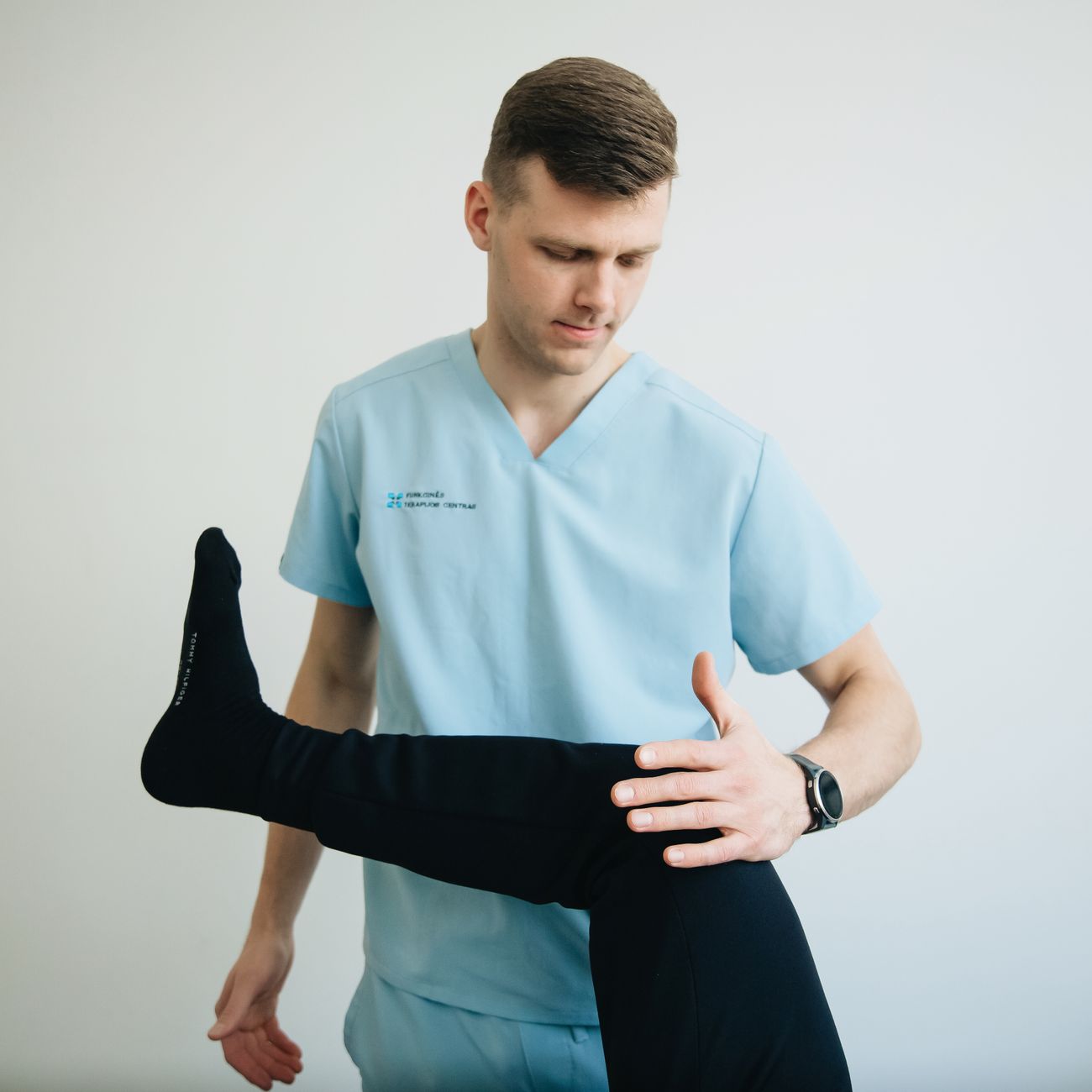
Integrative therapies for cancer patients involve a range of approaches that aim to promote physical, emotional, and spiritual well-being, in addition to conventional medical treatment. These therapies can be used to manage symptoms, improve quality of life, and enhance overall health outcomes. One key concept in integrative therapies is mind-body medicine, which focuses on the interconnection between the mind, body, and spirit. This approach recognizes that the mind and body are not separate entities, but are intimately connected, and that emotional and psychological factors can have a significant impact on physical health.
Integrative therapies may include a range of modalities, such as acupuncture, massage therapy, yoga, and meditation. These therapies can be used to manage symptoms such as pain, fatigue, and anxiety, and can also be used to promote relaxation, reduce stress, and enhance overall well-being. For example, acupuncture involves the insertion of fine needles into specific points on the body to stimulate the body's natural healing processes, and has been shown to be effective in managing nausea and vomiting in cancer patients.
Another key concept in integrative therapies is the idea of holistic care, which involves treating the whole person, rather than just the disease. This approach recognizes that cancer patients have unique needs and experiences, and that individualized care is essential to promoting optimal health outcomes. Holistic care may involve a range of therapies and interventions, including nutrition counseling, exercise therapy, and spiritual support. For example, a cancer patient may work with a registered dietitian to develop a personalized nutrition plan that takes into account their specific needs and health status.
In addition to these therapies, integrative therapies for cancer patients may also involve the use of complementary and alternative therapies, such as herbal supplements, homeopathy, and energy healing. These therapies are often used in conjunction with conventional medical treatment, and can be used to promote relaxation, reduce stress, and enhance overall well-being. For example, a cancer patient may use herbal supplements such as turmeric or ginger to manage nausea and vomiting, or may work with a homeopath to develop a personalized treatment plan.
It is essential for health coaches working with cancer patients to have a thorough understanding of the different types of integrative therapies available, as well as their potential benefits and risks. This includes being aware of the evidence-based research supporting the use of these therapies, as well as any potential interactions with conventional medical treatment. For example, a health coach may work with a cancer patient to develop a personalized plan for managing fatigue, which may involve the use of exercise therapy, mindfulness meditation, and nutrition counseling.
Health coaches may also work with cancer patients to address emotional and psychological issues, such as anxiety, depression, and trauma. This may involve the use of cognitive-behavioral therapy, mindfulness meditation, and other evidence-based interventions. For example, a health coach may work with a cancer patient to develop a personalized plan for managing anxiety, which may involve the use of deep breathing exercises, progressive muscle relaxation, and journaling.
In terms of practical applications, integrative therapies can be used in a variety of settings, including hospitals, clinics, and private practices. Health coaches may work with cancer patients to develop personalized plans for managing symptoms, promoting relaxation, and enhancing overall well-being. This may involve the use of telehealth platforms, mobile apps, and other digital technologies to support remote coaching and monitoring. For example, a health coach may work with a cancer patient to develop a personalized plan for managing fatigue, which may involve the use of a mobile app to track energy levels, a telehealth platform to receive coaching and support, and a wearable device to monitor physical activity.
One of the challenges of working with cancer patients is the need to navigate the complexities of the healthcare system, including the insurance and billing processes. Health coaches may need to work with cancer patients to develop a plan for accessing integrative therapies, which may involve seeking out in-network providers, negotiating with insurance companies, and advocating for coverage of complementary and alternative therapies. For example, a health coach may work with a cancer patient to develop a plan for accessing acupuncture therapy, which may involve seeking out an
Another challenge of working with cancer patients is the need to address the social and emotional impacts of cancer diagnosis and treatment. Cancer patients may experience isolation, stigma, and discrimination, which can have a significant impact on their mental health and well-being. Health coaches may need to work with cancer patients to develop a plan for addressing these issues, which may involve the use of support groups, online communities, and other social connections. For example, a health coach may work with a cancer patient to develop a plan for managing isolation, which may involve the use of video conferencing to connect with friends and family, online support groups to connect with other cancer patients, and local community resources to access social support.
In terms of research and evidence-based practice, there is a growing body of evidence supporting the use of integrative therapies in cancer care. For example, studies have shown that mindfulness meditation can reduce symptoms of anxiety and depression in cancer patients, while acupuncture has been shown to be effective in managing nausea and vomiting. Health coaches working with cancer patients should be aware of this research and be able to apply it in their practice. For example, a health coach may work with a cancer patient to develop a personalized plan for managing anxiety, which may involve the use of mindfulness meditation, deep breathing exercises, and other evidence-based interventions.
Overall, integrative therapies offer a range of benefits for cancer patients, from managing symptoms and promoting relaxation, to enhancing overall well-being and quality of life. Health coaches working with cancer patients should be aware of the different types of integrative therapies available, as well as their potential benefits and risks, and be able to apply this knowledge in their practice. By working together with cancer patients, health coaches can help them to navigate the complexities of cancer diagnosis and treatment, and to develop personalized plans for promoting optimal health outcomes. This may involve the use of holistic care, mind-body medicine, and other evidence-based approaches, and may involve working with a range of healthcare providers, including oncologists, primary care physicians, and other healthcare professionals.
In addition to these approaches, health coaches may also work with cancer patients to address the spiritual and existential aspects of cancer diagnosis and treatment. This may involve the use of spiritual counseling, existential therapy, and other evidence-based interventions. For example, a health coach may work with a cancer patient to develop a personalized plan for managing existential distress, which may involve the use of meaning-making interventions, values-based action, and other evidence-based approaches. By addressing the spiritual and existential aspects of cancer diagnosis and treatment, health coaches can help cancer patients to develop a deeper sense of purpose and meaning, and to cultivate a more positive and resilient outlook.
Health coaches may also work with cancer patients to address the physical aspects of cancer diagnosis and treatment, including the management of symptoms such as pain, fatigue, and nausea. This may involve the use of exercise therapy, nutrition counseling, and other evidence-based interventions. For example, a health coach may work with a cancer patient to develop a personalized plan for managing pain, which may involve the use of medication, relaxation techniques, and other evidence-based approaches. By addressing the physical aspects of cancer diagnosis and treatment, health coaches can help cancer patients to reduce their symptoms, improve their quality of life, and enhance their overall well-being.
In terms of policy and advocacy, health coaches may work with cancer patients to advocate for their rights and interests, including access to complementary and alternative therapies. This may involve working with insurance companies, healthcare providers, and other stakeholders to promote greater awareness and acceptance of integrative therapies. For example, a health coach may work with a cancer patient to develop a plan for accessing acupuncture therapy, which may involve advocating for coverage of this therapy, negotiating with insurance companies, and working with healthcare providers to develop a personalized treatment plan.
Overall, the role of health coaches in working with cancer patients is complex and multifaceted, and involves a range of skills and knowledge. By working together with cancer patients, health coaches can help them to navigate the complexities of cancer diagnosis and treatment, and to develop personalized plans for promoting optimal health outcomes. This may involve the use of integrative therapies, holistic care, and other evidence-based approaches, and may involve working with a range of healthcare providers, including oncologists, primary care physicians, and other healthcare professionals. By addressing the physical, emotional, social, and spiritual aspects of cancer diagnosis and treatment, health coaches can help cancer patients to cultivate a more positive and resilient outlook, and to enhance their overall well-being and quality of life.
Key takeaways
- This approach recognizes that the mind and body are not separate entities, but are intimately connected, and that emotional and psychological factors can have a significant impact on physical health.
- These therapies can be used to manage symptoms such as pain, fatigue, and anxiety, and can also be used to promote relaxation, reduce stress, and enhance overall well-being.
- For example, a cancer patient may work with a registered dietitian to develop a personalized nutrition plan that takes into account their specific needs and health status.
- In addition to these therapies, integrative therapies for cancer patients may also involve the use of complementary and alternative therapies, such as herbal supplements, homeopathy, and energy healing.
- For example, a health coach may work with a cancer patient to develop a personalized plan for managing fatigue, which may involve the use of exercise therapy, mindfulness meditation, and nutrition counseling.
- Health coaches may also work with cancer patients to address emotional and psychological issues, such as anxiety, depression, and trauma.
- Health coaches may work with cancer patients to develop personalized plans for managing symptoms, promoting relaxation, and enhancing overall well-being.