
Human Behavior in Urban Environments
Human Behavior in Urban Environments: Key Terms and Vocabulary
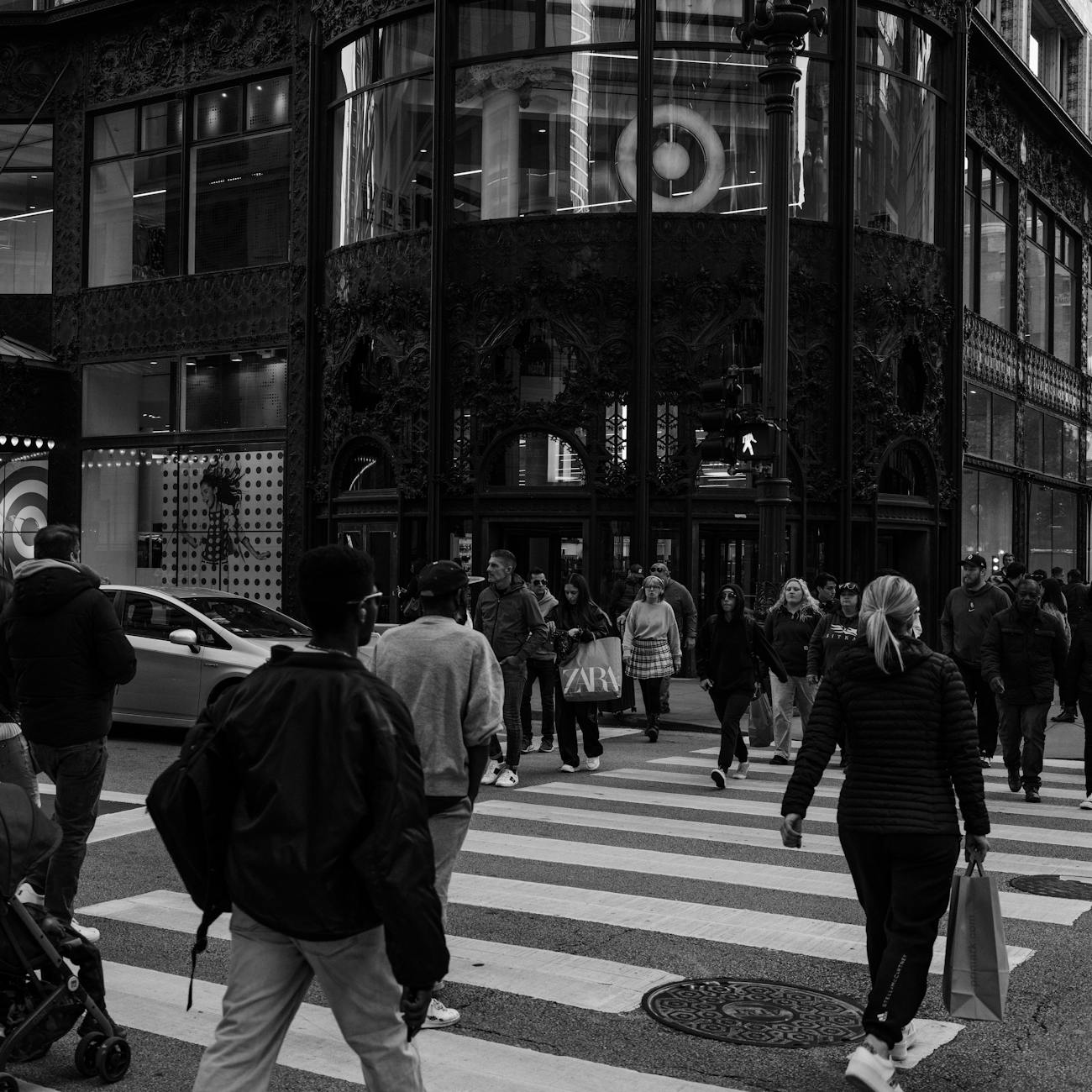
Human Behavior in Urban Environments: Key Terms and Vocabulary
Urban environments play a crucial role in shaping human behavior. Understanding the key terms and vocabulary associated with human behavior in urban settings is essential for professionals in the field of environmental psychology. In this guide, we will explore some of the most important concepts in the Professional Certificate in Theoretical Foundations of Environmental Psychology related to human behavior in urban environments.
Urbanization Urbanization refers to the process of population concentration in urban areas. It involves the growth of cities as more people migrate from rural areas to urban centers. Urbanization has a significant impact on human behavior, as it can lead to changes in social interactions, lifestyles, and environmental attitudes.
Urban Planning Urban planning is the process of designing and organizing urban spaces to create sustainable, functional, and aesthetically pleasing environments. Urban planners consider factors such as transportation, housing, green spaces, and infrastructure to improve the quality of life for urban residents. Effective urban planning can influence human behavior by promoting physical activity, social interactions, and environmental sustainability.
Environmental Psychology Environmental psychology is the study of how people interact with their physical environments. It examines the relationship between individuals and their surroundings, including natural and built environments. Environmental psychologists investigate how environmental factors influence human behavior, emotions, and well-being in urban settings.
Place Attachment Place attachment refers to the emotional bond that individuals develop with specific locations. It involves feelings of belonging, identity, and connection to a place. In urban environments, place attachment can influence people's behavior, attitudes, and perceptions of their surroundings. For example, residents who feel attached to their neighborhood are more likely to engage in community activities and support local initiatives.
Environmental Cognition Environmental cognition refers to how people perceive, understand, and navigate their surroundings. It includes mental processes such as spatial awareness, wayfinding, and environmental problem-solving. Understanding environmental cognition is important for urban planners and designers to create user-friendly and accessible environments that support human behavior.
Environmental Stressors Environmental stressors are factors in the environment that can cause psychological or physiological stress to individuals. Common environmental stressors in urban areas include noise pollution, air pollution, overcrowding, and lack of green spaces. These stressors can impact human behavior by affecting mood, cognitive performance, and overall well-being.
Restorative Environments Restorative environments are natural or built spaces that promote stress reduction, relaxation, and restoration. These environments offer opportunities for mental rejuvenation and recovery from daily stressors. Urban parks, gardens, and waterfronts are examples of restorative environments that can enhance human well-being and behavior.
Environmental Behavior Environmental behavior refers to actions and decisions that individuals make in relation to their surroundings. It includes behaviors such as recycling, energy conservation, and sustainable transportation choices. Understanding environmental behavior is essential for promoting pro-environmental actions in urban settings and fostering a culture of sustainability.
Social Interaction Social interaction refers to the ways in which people communicate, collaborate, and engage with others in social settings. Urban environments provide opportunities for social interactions through shared spaces, events, and amenities. Social interaction in urban settings can influence human behavior by shaping social norms, relationships, and community engagement.
Urban Design Urban design is the process of creating and shaping the physical form of cities, towns, and neighborhoods. It involves the layout of streets, buildings, public spaces, and infrastructure to enhance functionality, aesthetics, and livability. Urban design can impact human behavior by influencing mobility patterns, social interactions, and sense of place in urban environments.
Sense of Place Sense of place refers to the subjective feelings and meanings that individuals attach to a particular location. It involves a sense of identity, belonging, and attachment to the physical environment. A strong sense of place in urban settings can foster community cohesion, pride, and well-being among residents.
Environmental Perception Environmental perception is how individuals interpret and make sense of their surroundings. It includes sensory experiences, cognitive processes, and emotional responses to the environment. Environmental perception influences human behavior by shaping preferences, attitudes, and behaviors towards the built and natural environment.
Behavioral Mapping Behavioral mapping is a research method used to study human behavior in urban environments. It involves observing and documenting people's movements, activities, and interactions in specific locations. Behavioral mapping provides insights into how individuals use and experience urban spaces, helping urban planners and designers optimize the design and functionality of environments.
Place Identity Place identity is the individual or collective sense of self that is associated with a specific place. It includes personal memories, experiences, and meanings attached to a particular location. Place identity can influence human behavior by shaping preferences, behaviors, and social connections in urban environments.
Urban Livability Urban livability refers to the quality of life in urban areas, including factors such as safety, accessibility, amenities, and environmental quality. Livable cities provide residents with a high quality of life, well-being, and opportunities for social and economic prosperity. Enhancing urban livability can promote positive human behavior and sustainable development in urban environments.
Environmental Justice Environmental justice is the fair and equitable distribution of environmental benefits and burdens among all members of society. It involves addressing environmental inequalities, discrimination, and injustices in urban areas. Environmental justice initiatives aim to ensure that all individuals have equal access to clean air, water, green spaces, and health resources, regardless of their socioeconomic status or background.
Community Engagement Community engagement involves active participation, collaboration, and communication among residents, organizations, and stakeholders in urban neighborhoods. It includes initiatives such as community events, volunteer projects, and civic participation to empower local communities and improve social cohesion. Community engagement can foster positive human behavior, social connections, and collective action in urban environments.
Environmental Behavior Change Environmental behavior change refers to modifying individual or collective behaviors to promote sustainability, conservation, and environmental protection. It involves adopting pro-environmental actions, habits, and lifestyles to reduce ecological footprints and mitigate environmental impacts. Encouraging behavior change is essential for creating more sustainable and resilient urban environments.
Urban Resilience Urban resilience is the capacity of cities to withstand and recover from environmental, social, and economic challenges. Resilient cities are able to adapt to changing conditions, mitigate risks, and bounce back from disasters. Urban resilience strategies focus on enhancing infrastructure, community preparedness, and social cohesion to support human behavior and well-being in urban environments.
Social Equity Social equity refers to the fair and just distribution of resources, opportunities, and benefits in society. It involves addressing disparities, inequalities, and barriers to ensure that all individuals have equal access to education, healthcare, housing, and employment. Promoting social equity in urban environments can create more inclusive, diverse, and thriving communities that support positive human behavior and well-being.
Place Making Place making is the process of creating vibrant, inclusive, and functional public spaces that reflect the needs and desires of the community. It involves community engagement, design interventions, and programming to transform underutilized areas into lively and welcoming places. Place making initiatives can enhance social interactions, sense of place, and human behavior in urban environments.
Smart Cities Smart cities are urban areas that use technology, data, and innovation to improve efficiency, sustainability, and quality of life for residents. Smart city initiatives include smart transportation, energy management, waste reduction, and digital infrastructure to enhance urban living. Smart cities aim to optimize resources, reduce environmental impacts, and enhance human behavior in urban environments through technology-driven solutions.
Public Health Public health is the science and practice of promoting and protecting the health of populations. It involves preventing diseases, promoting healthy lifestyles, and addressing health disparities in communities. Public health initiatives in urban environments focus on improving access to healthcare, clean air, water, and safe environments to support human behavior, well-being, and quality of life.
Urban Regeneration Urban regeneration is the revitalization and redevelopment of urban areas to improve economic, social, and environmental conditions. It involves transforming blighted or neglected areas into vibrant, sustainable, and attractive neighborhoods. Urban regeneration projects can enhance urban livability, community well-being, and human behavior by creating opportunities for economic growth, social inclusion, and cultural enrichment.
Green Infrastructure Green infrastructure refers to natural or semi-natural systems that provide environmental, social, and economic benefits in urban settings. Examples of green infrastructure include parks, green roofs, rain gardens, and urban forests. Green infrastructure enhances urban sustainability, biodiversity, and human well-being by improving air quality, reducing urban heat island effects, and promoting physical and mental health among residents.
Transit-Oriented Development Transit-oriented development is a planning approach that promotes mixed-use, walkable, and transit-friendly neighborhoods around public transportation hubs. It aims to reduce car dependency, traffic congestion, and greenhouse gas emissions in urban areas. Transit-oriented development can enhance human behavior by encouraging active transportation, social interactions, and sustainable land use patterns in urban environments.
Placemaking Placemaking is a community-driven approach to planning, designing, and managing public spaces that reflect the unique character and identity of a place. It involves collaboration among residents, businesses, and stakeholders to create vibrant and inclusive environments that support human behavior, social connections, and community well-being. Placemaking initiatives can transform underutilized spaces into lively, safe, and inviting places that enhance urban livability and quality of life.
Community Resilience Community resilience refers to the ability of communities to withstand and recover from adversity, challenges, and disasters. It involves building social connections, local capacity, and preparedness to address risks and threats. Community resilience initiatives focus on enhancing community cohesion, communication, and resourcefulness to support human behavior, well-being, and recovery in urban environments.
Green Spaces Green spaces are areas of vegetation, trees, and open spaces in urban environments that provide ecological, social, and health benefits to residents. Examples of green spaces include parks, gardens, greenways, and urban forests. Green spaces enhance urban biodiversity, air quality, and human well-being by offering opportunities for recreation, relaxation, and connection with nature in densely populated areas.
Walkability Walkability is the measure of how pedestrian-friendly an urban environment is in terms of safety, accessibility, and amenities for walking. Walkable neighborhoods have well-connected sidewalks, crosswalks, pedestrian signals, and mixed land uses that encourage walking as a mode of transportation. Walkability promotes physical activity, social interactions, and health benefits for residents while reducing traffic congestion, air pollution, and carbon emissions in urban areas.
Climate Resilience Climate resilience refers to the capacity of cities to adapt to and mitigate the impacts of climate change, such as extreme weather events, rising temperatures, and sea-level rise. Climate-resilient cities implement strategies to reduce vulnerability, enhance preparedness, and promote sustainability in urban environments. Climate resilience initiatives focus on improving infrastructure, land use planning, and community engagement to support human behavior, well-being, and environmental sustainability in the face of climate challenges.
Active Transportation Active transportation refers to human-powered modes of transportation, such as walking, cycling, and scootering, that promote physical activity, health, and sustainability in urban areas. Active transportation infrastructure includes bike lanes, pedestrian pathways, bike-sharing programs, and public transit integration to encourage non-motorized travel. Active transportation supports human behavior by improving physical fitness, reducing traffic congestion, and mitigating environmental impacts in urban environments.
Public Space Public space is any area that is open and accessible to the public for social, recreational, or cultural activities. Examples of public spaces include parks, plazas, squares, and waterfronts. Public spaces play a vital role in urban environments by providing opportunities for social interactions, community events, and public life. Well-designed public spaces can enhance human behavior, well-being, and quality of life for residents by fostering a sense of belonging, connection, and civic engagement in urban settings.
Place-Based Interventions Place-based interventions are strategies and initiatives that target specific locations or neighborhoods to address social, economic, and environmental challenges. These interventions involve community engagement, partnerships, and targeted actions to improve the well-being, livability, and resilience of urban areas. Place-based interventions can enhance human behavior, social equity, and community development by empowering residents, fostering collaboration, and creating positive change in urban environments.
Active Living Active living refers to a lifestyle that promotes physical activity, health, and well-being through daily movement and exercise. Active living initiatives in urban environments focus on creating walkable, bikeable, and active-friendly neighborhoods that encourage residents to engage in physical activities as part of their daily routines. Active living supports human behavior by improving fitness, mental health, and social connections while reducing sedentary behavior and chronic diseases in urban populations.
Participatory Design Participatory design is an inclusive and collaborative approach to the planning, design, and development of urban spaces that involves stakeholders, residents, and users in the decision-making process. Participatory design engages diverse voices, perspectives, and expertise to co-create solutions that meet the needs and aspirations of the community. Participatory design processes can enhance human behavior, innovation, and social inclusion in urban environments by empowering people to shape their surroundings, express their preferences, and build consensus on shared goals and values.
Urban Heat Island Urban heat island is a phenomenon in which urban areas experience higher temperatures than surrounding rural areas due to human activities, built infrastructure, and lack of vegetation. Urban heat islands can have negative impacts on human health, air quality, energy consumption, and climate change. Urban heat island mitigation strategies include green infrastructure, cool roofs, shade trees, and urban planning measures to reduce heat exposure, improve thermal comfort, and enhance urban sustainability in densely populated areas.
Community Gardening Community gardening is a grassroots initiative that involves residents coming together to cultivate, maintain, and harvest fruits, vegetables, flowers, and herbs in shared or public spaces. Community gardens provide social, environmental, and health benefits to participants by promoting local food production, social connections, and physical activity. Community gardening enhances human behavior, well-being, and community resilience in urban environments by fostering a sense of stewardship, belonging, and empowerment among residents.
Place Governance Place governance refers to the processes, policies, and practices that govern urban spaces and shape decision-making on land use, development, and public amenities. Place governance involves multiple stakeholders, including government agencies, businesses, community organizations, and residents, in planning, managing, and regulating the built environment. Effective place governance can support human behavior, social equity, and sustainable development in urban environments by ensuring transparency, accountability, and participation in decision-making processes that impact quality of life, well-being, and livability for all residents.
Behavioral Economics Behavioral economics is a field of study that combines insights from psychology, economics, and neuroscience to understand how individuals make decisions and choices in real-world contexts. Behavioral economics examines cognitive biases, heuristics, and social influences that affect human behavior, preferences, and decision-making processes. Applying behavioral economics principles in urban planning, design, and policy can help promote sustainable behaviors, reduce environmental impacts, and improve overall well-being in urban populations by designing interventions that nudge people towards more desirable outcomes and choices.
Public Engagement Public engagement involves involving citizens, stakeholders, and communities in decision-making processes, policy development, and urban planning initiatives. Public engagement creates opportunities for dialogue, collaboration, and co-creation of solutions that reflect the diverse needs, interests, and perspectives of the community. Effective public engagement can enhance human behavior, social cohesion, and trust in urban environments by fostering transparency, accountability, and inclusivity in decision-making processes that impact public spaces, services, and quality of life for residents.
Green Mobility Green mobility refers to sustainable, low-carbon modes of transportation that reduce greenhouse gas emissions, air pollution, and traffic congestion in urban areas. Examples of green mobility options include walking, cycling, public transit, car-sharing, and electric vehicles. Green mobility initiatives aim to promote active transportation, reduce reliance on fossil fuels, and improve urban air quality while enhancing human behavior, health, and sustainability in densely populated cities.
Neighborhood Revitalization Neighborhood revitalization is the process of improving the physical, social, and economic conditions of a neighborhood to enhance livability, well-being, and community resilience. Neighborhood revitalization initiatives involve infrastructure upgrades, housing improvements, community programming, and economic development strategies to create safe, inclusive, and vibrant urban spaces. Neighborhood revitalization can support positive human behavior, social connections, and economic opportunities in urban environments by fostering community pride, empowerment, and collaboration among residents, businesses, and stakeholders.
Shared Spaces Shared spaces are public or semi-public areas that are designed for multiple users to coexist, interact, and share activities in a harmonious and inclusive manner. Shared spaces often prioritize pedestrians, cyclists, and public transit users over motor vehicles to create safer, more accessible, and vibrant urban environments. Shared spaces enhance human behavior, social interactions, and quality of life for residents by promoting active transportation, social connections, and community engagement in urban settings that prioritize people over cars and promote a sense of belonging, safety, and accessibility for all users.
Human Behavior in Urban Environments: Human behavior in urban environments refers to the actions, reactions, and interactions of individuals in cities or metropolitan areas. This field explores how people behave in urban settings, how the physical environment influences their behavior, and how social, cultural, and economic factors shape their experiences.
Environmental Psychology: Environmental psychology is the study of how individuals interact with their physical surroundings and how the environment impacts their well-being, behavior, and mental health. It examines the relationship between people and their environment, focusing on the psychological effects of the built environment on human behavior.
Urban Planning: Urban planning is the process of designing, organizing, and managing the development of cities and urban areas. It involves creating sustainable and livable environments that meet the needs of residents while considering factors such as transportation, housing, infrastructure, and public spaces.
Community Design: Community design involves the planning and development of neighborhoods, towns, and cities to create cohesive, functional, and aesthetically pleasing communities. It aims to promote social interaction, improve quality of life, and enhance the overall well-being of residents.
Public Space: Public spaces are areas that are open and accessible to the general public, such as parks, plazas, streets, and waterfronts. These spaces play a crucial role in urban environments by providing opportunities for social interaction, recreation, and community engagement.
Wayfinding: Wayfinding refers to the process of navigating and orienting oneself within a built environment. It involves understanding and interpreting visual cues, signage, and landmarks to find one's way from one location to another.
Urban Design: Urban design is the process of shaping the physical form and layout of cities and urban areas to create functional, attractive, and sustainable environments. It involves the design of streets, buildings, public spaces, and infrastructure to enhance the quality of life for residents.
Place Attachment: Place attachment refers to the emotional bond and sense of belonging that individuals develop with specific locations or settings. It involves feelings of connection, identity, and familiarity with a place, which can influence behavior, attitudes, and well-being.
Environmental Perception: Environmental perception refers to how individuals interpret and make sense of their surroundings. It involves the cognitive processes of attention, interpretation, and evaluation that shape our understanding and experience of the environment.
Behavior Settings: Behavior settings are specific environments or contexts that influence and shape human behavior. They are characterized by unique physical, social, and psychological features that define the activities, interactions, and behaviors that occur within them.
Stressor: A stressor is any factor or stimulus that causes stress or disrupts a person's equilibrium. In urban environments, stressors can include noise, pollution, crowding, lack of green space, and social isolation, which can impact mental health and well-being.
Restorative Environments: Restorative environments are natural or built settings that promote relaxation, stress reduction, and restoration of mental energy. These environments offer opportunities for solitude, connection with nature, and escape from the demands of urban life.
Sense of Place: Sense of place refers to the unique characteristics, meanings, and qualities that define a particular location or setting. It involves the emotional, cultural, and social connections that individuals have with a place, which shape their perceptions and behaviors.
Environmental Cognition: Environmental cognition is the mental processes involved in perceiving, understanding, and navigating the physical environment. It includes spatial awareness, memory, wayfinding, and the ability to interpret and interact with the surroundings.
Human Scale: Human scale refers to the design and proportion of urban spaces that are comfortable, accessible, and appropriate for human use. It involves creating environments that are tailored to the needs, dimensions, and capabilities of people to promote a sense of comfort and well-being.
Social Interaction: Social interaction is the process of engaging with others in shared activities, conversations, or relationships. In urban environments, social interaction occurs in public spaces, neighborhoods, workplaces, and community settings, shaping social connections and relationships.
Place Identity: Place identity is the unique character, history, and meaning of a place that shapes the identity and sense of belonging of individuals. It involves the emotional attachment and personal significance that people associate with specific locations or settings.
Urban Livability: Urban livability refers to the quality of life, well-being, and satisfaction of residents in urban areas. It involves factors such as access to amenities, safety, affordability, social cohesion, and environmental quality that contribute to the overall quality of urban life.
Environmental Behavior: Environmental behavior refers to the actions, choices, and decisions that individuals make in response to their physical surroundings. It includes behaviors related to sustainability, conservation, waste management, transportation, and energy consumption that impact the environment.
Place Making: Place making is the process of creating and enhancing public spaces to improve their functionality, aesthetics, and social value. It involves community engagement, urban design, and placemaking strategies to transform underutilized or neglected areas into vibrant, inclusive, and welcoming places.
Environmental Stress: Environmental stress refers to the negative effects of the physical environment on an individual's health, well-being, and behavior. It can result from exposure to noise, pollution, crowding, lack of green space, and other environmental factors that contribute to stress and anxiety.
Psychological Restoration: Psychological restoration is the process of replenishing mental energy, reducing stress, and improving well-being through exposure to restorative environments. It involves activities such as nature walks, meditation, gardening, and relaxation that promote mental relaxation and rejuvenation.
Urban Form: Urban form refers to the physical layout, design, and structure of cities and urban areas. It includes the arrangement of buildings, streets, public spaces, and infrastructure that shape the character, functionality, and identity of urban environments.
Environmental Aesthetics: Environmental aesthetics refers to the visual, sensory, and emotional qualities of the physical environment that influence people's perceptions and experiences. It involves the design, beauty, and appeal of urban spaces that enhance the aesthetic quality and enjoyment of the environment.
Behavioral Mapping: Behavioral mapping is a research method used to study and analyze human behavior in specific environments. It involves observing and recording people's movements, interactions, and activities in urban settings to understand patterns, preferences, and behaviors.
Environmental Justice: Environmental justice is the fair and equitable distribution of environmental benefits and burdens among all individuals and communities, regardless of race, income, or social status. It aims to address environmental inequalities, promote social equity, and protect vulnerable populations from environmental harm.
Place Attachment: Place attachment refers to the emotional bond and sense of belonging that individuals develop with specific locations or settings. It involves feelings of connection, identity, and familiarity with a place, which can influence behavior, attitudes, and well-being.
Behavioral Settings: Behavioral settings are specific environments or contexts that influence and shape human behavior. They are characterized by unique physical, social, and psychological features that define the activities, interactions, and behaviors that occur within them.
Urban Experience: Urban experience refers to the subjective perceptions, emotions, and meanings that individuals associate with their interactions and encounters in urban environments. It involves sensory, cognitive, and emotional responses to the physical, social, and cultural aspects of cities that shape people's experiences and behaviors.
Environmental Perception: Environmental perception refers to how individuals interpret and make sense of their surroundings. It involves the cognitive processes of attention, interpretation, and evaluation that shape our understanding and experience of the environment.
Environmental Stress: Environmental stress refers to the negative effects of the physical environment on an individual's health, well-being, and behavior. It can result from exposure to noise, pollution, crowding, lack of green space, and other environmental factors that contribute to stress and anxiety.
Social Interaction: Social interaction is the process of engaging with others in shared activities, conversations, or relationships. In urban environments, social interaction occurs in public spaces, neighborhoods, workplaces, and community settings, shaping social connections and relationships.
Urban Form: Urban form refers to the physical layout, design, and structure of cities and urban areas. It includes the arrangement of buildings, streets, public spaces, and infrastructure that shape the character, functionality, and identity of urban environments.
Environmental Aesthetics: Environmental aesthetics refers to the visual, sensory, and emotional qualities of the physical environment that influence people's perceptions and experiences. It involves the design, beauty, and appeal of urban spaces that enhance the aesthetic quality and enjoyment of the environment.
Behavioral Mapping: Behavioral mapping is a research method used to study and analyze human behavior in specific environments. It involves observing and recording people's movements, interactions, and activities in urban settings to understand patterns, preferences, and behaviors.
Environmental Justice: Environmental justice is the fair and equitable distribution of environmental benefits and burdens among all individuals and communities, regardless of race, income, or social status. It aims to address environmental inequalities, promote social equity, and protect vulnerable populations from environmental harm.
Urban Experience: Urban experience refers to the subjective perceptions, emotions, and meanings that individuals associate with their interactions and encounters in urban environments. It involves sensory, cognitive, and emotional responses to the physical, social, and cultural aspects of cities that shape people's experiences and behaviors.
Environmental Perception: Environmental perception refers to how individuals interpret and make sense of their surroundings. It involves the cognitive processes of attention, interpretation, and evaluation that shape our understanding and experience of the environment.
Environmental Stress: Environmental stress refers to the negative effects of the physical environment on an individual's health, well-being, and behavior. It can result from exposure to noise, pollution, crowding, lack of green space, and other environmental factors that contribute to stress and anxiety.
Social Interaction: Social interaction is the process of engaging with others in shared activities, conversations, or relationships. In urban environments, social interaction occurs in public spaces, neighborhoods, workplaces, and community settings, shaping social connections and relationships.
Urban Form: Urban form refers to the physical layout, design, and structure of cities and urban areas. It includes the arrangement of buildings, streets, public spaces, and infrastructure that shape the character, functionality, and identity of urban environments.
Environmental Aesthetics: Environmental aesthetics refers to the visual, sensory, and emotional qualities of the physical environment that influence people's perceptions and experiences. It involves the design, beauty, and appeal of urban spaces that enhance the aesthetic quality and enjoyment of the environment.
Behavioral Mapping: Behavioral mapping is a research method used to study and analyze human behavior in specific environments. It involves observing and recording people's movements, interactions, and activities in urban settings to understand patterns, preferences, and behaviors.
Environmental Justice: Environmental justice is the fair and equitable distribution of environmental benefits and burdens among all individuals and communities, regardless of race, income, or social status. It aims to address environmental inequalities, promote social equity, and protect vulnerable populations from environmental harm.
Urban Experience: Urban experience refers to the subjective perceptions, emotions, and meanings that individuals associate with their interactions and encounters in urban environments. It involves sensory, cognitive, and emotional responses to the physical, social, and cultural aspects of cities that shape people's experiences and behaviors.
Psychological Restoration: Psychological restoration is the process of replenishing mental energy, reducing stress, and improving well-being through exposure to restorative environments. It involves activities such as nature walks, meditation, gardening, and relaxation that promote mental relaxation and rejuvenation.
Urban Design: Urban design is the process of shaping the physical form and layout of cities and urban areas to create functional, attractive, and sustainable environments. It involves the design of streets, buildings, public spaces, and infrastructure to enhance the quality of life for residents.
Place Attachment: Place attachment refers to the emotional bond and sense of belonging that individuals develop with specific locations or settings. It involves feelings of connection, identity, and familiarity with a place, which can influence behavior, attitudes, and well-being.
Environmental Perception: Environmental perception refers to how individuals interpret and make sense of their surroundings. It involves the cognitive processes of attention, interpretation, and evaluation that shape our understanding and experience of the environment.
Behavior Settings: Behavior settings are specific environments or contexts that influence and shape human behavior. They are characterized by unique physical, social, and psychological features that define the activities, interactions, and behaviors that occur within them.
Urban Planning: Urban planning is the process of designing, organizing, and managing the development of cities and urban areas. It involves creating sustainable and livable environments that meet the needs of residents while considering factors such as transportation, housing, infrastructure, and public spaces.
Community Design: Community design involves the planning and development of neighborhoods, towns, and cities to create cohesive, functional, and aesthetically pleasing communities. It aims to promote social interaction, improve quality of life, and enhance the overall well-being of residents.
Public Space: Public spaces are areas that are open and accessible to the general public, such as parks, plazas, streets, and waterfronts. These spaces play a crucial role in urban environments by providing opportunities for social interaction, recreation, and community engagement.
Wayfinding: Wayfinding refers to the process of navigating and orienting oneself within a built environment. It involves understanding and interpreting visual cues, signage, and landmarks to find one's way from one location to another.
Urban Design: Urban design is the process of shaping the physical form and layout of cities and urban areas to create functional, attractive, and sustainable environments. It involves the design of streets, buildings, public spaces, and infrastructure to enhance the quality of life for residents.
Place Attachment: Place attachment refers to the emotional bond and sense of belonging that individuals develop with specific locations or settings. It involves feelings of connection, identity, and familiarity with a place, which can influence behavior, attitudes, and well-being.
Environmental Perception: Environmental perception refers to how individuals interpret and make sense of their surroundings. It involves the cognitive processes of attention, interpretation, and evaluation that shape our understanding and experience of the environment.
Behavior Settings: Behavior settings are specific environments or contexts that influence and shape human behavior. They are characterized by unique physical, social, and psychological features that define the activities, interactions, and behaviors that occur within them.
Urban Planning: Urban planning is the process of designing, organizing, and managing the development of cities and urban areas. It involves creating sustainable and livable environments that meet the needs of residents while considering factors such as transportation, housing, infrastructure, and public spaces.
Community Design: Community design involves the planning and development of neighborhoods, towns, and cities to create cohesive, functional, and aesthetically pleasing communities. It aims to promote social interaction, improve quality of life, and enhance the overall well-being of residents.
Public Space: Public spaces are areas that are open and accessible to the general public, such as parks, plazas, streets, and waterfronts. These spaces play a crucial role in urban environments by providing opportunities for social interaction, recreation, and community engagement.
Wayfinding: Wayfinding refers to the process of navigating and orienting oneself within a built environment. It involves understanding and interpreting visual cues, signage, and landmarks to find one's way from one location to another.
Urban Design: Urban design is the process of shaping the physical form and layout of cities and urban areas to create functional, attractive, and sustainable environments. It involves the design of streets, buildings, public spaces, and infrastructure to enhance the quality of life for residents.
Place Attachment: Place attachment refers to the emotional bond and sense of belonging that individuals develop with specific locations or settings. It involves feelings of connection, identity, and familiarity with a place, which can influence behavior, attitudes, and well-being.
Environmental Perception: Environmental perception refers to how individuals interpret and make sense of their surroundings. It involves the cognitive processes of attention, interpretation, and evaluation that shape our understanding and experience of the environment.
Behavior Settings: Behavior settings are specific environments or contexts that influence and shape human behavior. They are characterized by unique physical, social, and psychological features that define the activities, interactions, and behaviors that occur within them.
Urban Planning: Urban planning is the process of designing, organizing, and managing the development of cities and urban areas. It involves creating sustainable and livable environments that meet the needs of residents while considering factors such as transportation, housing, infrastructure, and public spaces.
Community Design: Community design involves the planning and development of neighborhoods, towns, and cities to create cohesive, functional, and aesthetically pleasing communities. It aims to promote social interaction, improve quality of life, and enhance the overall well-being of residents.
Public Space: Public spaces are areas that are open and accessible to the general public, such as parks, plazas, streets, and waterfronts. These spaces play a crucial role in urban environments by providing opportunities for social interaction, recreation, and community engagement.
Wayfinding: Wayfinding refers to the process of navigating and orienting oneself within a built environment. It involves understanding and interpreting visual cues, signage, and landmarks to find one's way from one location to another.
Human Behavior in Urban Environments
Urban environments play a significant role in shaping human behavior, influencing how individuals interact with their surroundings, each other, and themselves. Understanding human behavior in urban settings is crucial for professionals in fields such as environmental psychology, urban planning, architecture, sociology, and public health. In this course, we explore the theoretical foundations of environmental psychology to gain insights into the complex relationship between individuals and their urban environments.
Key Terms and Vocabulary
1. Environmental Psychology: Environmental psychology is the study of how individuals interact with their physical surroundings and how these interactions influence behavior. It examines the impact of environmental factors on human well-being, cognition, emotions, and social interactions.
2. Urban Environment: The urban environment refers to the built environment of cities and towns, including buildings, streets, parks, transportation systems, and other man-made structures. It encompasses both the physical and social aspects of urban settings.
3. Human Behavior: Human behavior refers to the actions, reactions, and interactions of individuals in response to internal and external stimuli. It is influenced by a variety of factors, including biological, psychological, social, and environmental variables.
4. Behavior Settings: Behavior settings are specific physical or social environments that elicit consistent patterns of behavior from individuals. Examples include classrooms, offices, parks, and shopping malls.
5. Place Attachment: Place attachment refers to the emotional bond that individuals develop with specific places. It involves feelings of belonging, identity, security, and comfort associated with a particular location.
6. Sense of Place: Sense of place is the subjective perception and interpretation of a location by individuals. It includes cognitive, affective, and behavioral aspects related to how people experience and relate to their environment.
7. Environmental Perception: Environmental perception is the process through which individuals interpret and make sense of their physical surroundings. It involves sensory experiences, cognitive appraisal, emotional responses, and behavioral intentions.
8. Environmental Cognition: Environmental cognition refers to how individuals acquire, process, store, and retrieve information about their environment. It includes mental maps, spatial knowledge, wayfinding strategies, and environmental awareness.
9. Stress and Coping: Stress is a psychological and physiological response to challenging or threatening situations, while coping refers to the strategies individuals use to manage stress and adapt to environmental demands. The urban environment can both trigger stress and provide opportunities for coping.
10. Restorative Environments: Restorative environments are settings that promote stress reduction, cognitive restoration, and emotional well-being. Natural environments, parks, gardens, and other green spaces are often considered restorative.
11. Environmental Behavior: Environmental behavior encompasses the actions and decisions individuals make that affect the environment. It includes pro-environmental behaviors, such as recycling, conservation, and sustainable living practices.
12. Environmental Attitudes: Environmental attitudes are individuals' beliefs, values, and feelings toward the environment. They influence environmental behavior and decision-making, shaping how people interact with their surroundings.
13. Place Identity: Place identity is the part of an individual's self-concept that is derived from their attachment to specific locations or settings. It contributes to a sense of continuity, belonging, and self-definition.
14. Psychological Ownership: Psychological ownership is the feeling of possessing or having control over a particular place or object. It involves a sense of responsibility, attachment, and personalization that influence behavior and attitudes.
15. Social Cohesion: Social cohesion refers to the sense of connectedness, trust, and solidarity among individuals in a community. It is influenced by the physical design of urban spaces, social interactions, and shared experiences.
16. Behavioral Settings Theory: Behavioral settings theory posits that specific environmental contexts elicit predictable patterns of behavior from individuals. It emphasizes the role of environmental cues, social norms, and situational factors in shaping behavior.
17. Environmental Stressors: Environmental stressors are factors in the physical or social environment that can trigger stress and negatively impact well-being. Examples include noise, pollution, crowding, and lack of green spaces.
18. Wayfinding: Wayfinding is the process of navigating and orienting oneself in physical space. It involves using cognitive maps, landmarks, signage, and spatial cues to reach a destination efficiently.
19. Urban Design: Urban design is the planning and arrangement of physical elements in urban areas to create functional, attractive, and sustainable environments. It encompasses architecture, landscape design, transportation systems, and public spaces.
20. Environmental Justice: Environmental justice is the fair treatment and meaningful involvement of all individuals, regardless of race, ethnicity, or socioeconomic status, in decision-making processes related to the environment. It aims to address disparities in environmental quality and access to resources.
21. Place Making: Place making is the process of collaboratively creating or transforming public spaces to enhance their usability, attractiveness, and social value. It involves community engagement, aesthetics, functionality, and cultural significance.
22. Public Health in Urban Environments: Public health in urban environments focuses on promoting well-being, preventing disease, and improving quality of life in cities. It addresses factors such as air quality, sanitation, access to healthcare, physical activity, and social determinants of health.
23. Behavior Change: Behavior change refers to the process of modifying habits, attitudes, and actions to achieve desired outcomes. It often involves interventions that target individual, social, and environmental factors to promote positive behaviors and discourage negative ones.
24. Urban Resilience: Urban resilience is the capacity of cities to withstand, adapt to, and recover from social, economic, and environmental challenges. It involves building strong communities, robust infrastructure, and sustainable systems to enhance resilience.
25. Community Engagement: Community engagement involves involving residents, stakeholders, and organizations in decision-making processes, planning efforts, and collaborative initiatives to improve urban environments. It promotes inclusivity, transparency, and empowerment.
26. Active Transportation: Active transportation refers to modes of travel that involve physical activity, such as walking, cycling, or using public transit. It promotes health, sustainability, and community connectivity in urban areas.
27. Behavioral Economics: Behavioral economics combines insights from psychology and economics to understand how individuals make decisions and choices. It explores cognitive biases, heuristics, and social influences that impact economic behavior in urban contexts.
28. Sense of Community: Sense of community is the feeling of belonging, connection, and mutual support among individuals in a shared environment. It fosters social cohesion, trust, and resilience in urban communities.
29. Biophilic Design: Biophilic design integrates natural elements, patterns, and materials into built environments to enhance well-being, productivity, and creativity. It recognizes the innate human need for connection with nature in urban settings.
30. Placemaking: Placemaking is the practice of creating vibrant, inclusive, and sustainable public spaces that reflect the needs and aspirations of local communities. It involves collaboration, creativity, and a focus on human-centered design principles.
31. Urban Regeneration: Urban regeneration is the revitalization and redevelopment of urban areas to improve quality of life, economic opportunities, and environmental sustainability. It often involves infrastructure upgrades, community engagement, and cultural preservation.
32. Social Determinants of Health: Social determinants of health are the social, economic, and environmental factors that influence health outcomes and disparities. They include access to healthcare, education, employment, housing, and social support.
33. Placemaking: Placemaking is the practice of creating vibrant, inclusive, and sustainable public spaces that reflect the needs and aspirations of local communities. It involves collaboration, creativity, and a focus on human-centered design principles.
34. Urban Regeneration: Urban regeneration is the revitalization and redevelopment of urban areas to improve quality of life, economic opportunities, and environmental sustainability. It often involves infrastructure upgrades, community engagement, and cultural preservation.
35. Social Determinants of Health: Social determinants of health are the social, economic, and environmental factors that influence health outcomes and disparities. They include access to healthcare, education, employment, housing, and social support.
36. Green Infrastructure: Green infrastructure refers to natural and semi-natural features integrated into urban environments to provide ecological, social, and economic benefits. Examples include green roofs, rain gardens, urban forests, and permeable pavement.
37. Place Governance: Place governance involves the management, planning, and decision-making processes that shape urban environments. It includes public policies, regulations, stakeholder engagement, and community participation in shaping the built environment.
38. Environmental Behavior Change: Environmental behavior change focuses on promoting sustainable, pro-environmental actions and habits among individuals and communities. It involves communication, education, incentives, and social norms to encourage positive environmental behaviors.
39. Behavioral Interventions: Behavioral interventions are strategies designed to modify behavior by targeting individual, social, or environmental factors. They may include nudges, incentives, feedback, social norms, and environmental cues to promote desired behaviors.
40. Place Marketing: Place marketing involves promoting the unique attributes, assets, and identity of a location to attract residents, tourists, investors, and businesses. It aims to enhance the reputation, visibility, and competitiveness of urban areas.
41. Environmental Psychology Research Methods: Environmental psychology research methods include qualitative and quantitative approaches to studying human behavior in relation to the environment. They may involve surveys, interviews, observations, experiments, field studies, and data analysis techniques.
42. Well-being in Urban Environments: Well-being in urban environments encompasses physical, mental, and social aspects of health and happiness in cities. It addresses factors such as air quality, green spaces, social connections, safety, access to amenities, and opportunities for recreation.
43. Place Attachment: Place attachment refers to the emotional bond that individuals develop with specific places. It involves feelings of belonging, identity, security, and comfort associated with a particular location.
44. Environmental Perception: Environmental perception is the process through which individuals interpret and make sense of their physical surroundings. It involves sensory experiences, cognitive appraisal, emotional responses, and behavioral intentions.
45. Environmental Cognition: Environmental cognition refers to how individuals acquire, process, store, and retrieve information about their environment. It includes mental maps, spatial knowledge, wayfinding strategies, and environmental awareness.
46. Stress and Coping: Stress is a psychological and physiological response to challenging or threatening situations, while coping refers to the strategies individuals use to manage stress and adapt to environmental demands. The urban environment can both trigger stress and provide opportunities for coping.
47. Restorative Environments: Restorative environments are settings that promote stress reduction, cognitive restoration, and emotional well-being. Natural environments, parks, gardens, and other green spaces are often considered restorative.
48. Environmental Behavior: Environmental behavior encompasses the actions and decisions individuals make that affect the environment. It includes pro-environmental behaviors, such as recycling, conservation, and sustainable living practices.
49. Environmental Attitudes: Environmental attitudes are individuals' beliefs, values, and feelings toward the environment. They influence environmental behavior and decision-making, shaping how people interact with their surroundings.
50. Place Identity: Place identity is the part of an individual's self-concept that is derived from their attachment to specific locations or settings. It contributes to a sense of continuity, belonging, and self-definition.
51. Psychological Ownership: Psychological ownership is the feeling of possessing or having control over a particular place or object. It involves a sense of responsibility, attachment, and personalization that influence behavior and attitudes.
52. Social Cohesion: Social cohesion refers to the sense of connectedness, trust, and solidarity among individuals in a community. It is influenced by the physical design of urban spaces, social interactions, and shared experiences.
53. Behavioral Settings Theory: Behavioral settings theory posits that specific environmental contexts elicit predictable patterns of behavior from individuals. It emphasizes the role of environmental cues, social norms, and situational factors in shaping behavior.
54. Environmental Stressors: Environmental stressors are factors in the physical or social environment that can trigger stress and negatively impact well-being. Examples include noise, pollution, crowding, and lack of green spaces.
55. Wayfinding: Wayfinding is the process of navigating and orienting oneself in physical space. It involves using cognitive maps, landmarks, signage, and spatial cues to reach a destination efficiently.
56. Urban Design: Urban design is the planning and arrangement of physical elements in urban areas to create functional, attractive, and sustainable environments. It encompasses architecture, landscape design, transportation systems, and public spaces.
57. Environmental Justice: Environmental justice is the fair treatment and meaningful involvement of all individuals, regardless of race, ethnicity, or socioeconomic status, in decision-making processes related to the environment. It aims to address disparities in environmental quality and access to resources.
58. Place Making: Place making is the process of collaboratively creating or transforming public spaces to enhance their usability, attractiveness, and social value. It involves community engagement, aesthetics, functionality, and cultural significance.
59. Public Health in Urban Environments: Public health in urban environments focuses on promoting well-being, preventing disease, and improving quality of life in cities. It addresses factors such as air quality, sanitation, access to healthcare, physical activity, and social determinants of health.
60. Behavior Change: Behavior change refers to the process of modifying habits, attitudes, and actions to achieve desired outcomes. It often involves interventions that target individual, social, and environmental factors to promote positive behaviors and discourage negative ones.
61. Urban Resilience: Urban resilience is the capacity of cities to withstand, adapt to, and recover from social, economic, and environmental challenges. It involves building strong communities, robust infrastructure, and sustainable systems to enhance resilience.
62. Community Engagement: Community engagement involves involving residents, stakeholders, and organizations in decision-making processes, planning efforts, and collaborative initiatives to improve urban environments. It promotes inclusivity, transparency, and empowerment.
63. Active Transportation: Active transportation refers to modes of travel that involve physical activity, such as walking, cycling, or using public transit. It promotes health, sustainability, and community connectivity in urban areas.
64. Behavioral Economics: Behavioral economics combines insights from psychology and economics to understand how individuals make decisions and choices. It explores cognitive biases, heuristics, and social influences that impact economic behavior in urban contexts.
65. Sense of Community: Sense of community is the feeling of belonging, connection, and mutual support among individuals in a shared environment. It fosters social cohesion, trust, and resilience in urban communities.
66. Biophilic Design: Biophilic design integrates natural elements, patterns, and materials into built environments to enhance well-being, productivity, and creativity. It recognizes the innate human need for connection with nature in urban settings.
67. Placemaking: Placemaking is the practice of creating vibrant, inclusive, and sustainable public spaces that reflect the needs and aspirations of local communities. It involves collaboration, creativity, and a focus on human-centered design principles.
68. Urban Regeneration: Urban regeneration is the revitalization and redevelopment of urban areas to improve quality of life, economic opportunities, and environmental sustainability. It often involves infrastructure upgrades, community engagement, and cultural preservation.
69. Social Determinants of Health: Social determinants of health are the social, economic, and environmental factors that influence health outcomes and disparities. They include access to healthcare, education, employment, housing, and social support.
70. Green Infrastructure: Green infrastructure refers to natural and semi-natural features integrated into urban environments to provide ecological, social, and economic benefits. Examples include green roofs, rain gardens, urban forests, and permeable pavement.
71. Place Governance: Place governance involves the management, planning, and decision-making processes that shape urban environments. It includes public policies, regulations, stakeholder engagement, and community participation in shaping the built environment.
72. Environmental Behavior Change: Environmental behavior change focuses on promoting sustainable, pro-environmental actions and habits among individuals and communities. It involves communication, education, incentives, and social norms to encourage positive environmental behaviors.
73. Behavioral Interventions: Behavioral interventions are strategies designed to modify behavior by targeting individual, social, or environmental factors. They may include nudges, incentives, feedback, social norms, and environmental cues to promote desired behaviors.
74. Place Marketing: Place marketing involves promoting the unique attributes, assets, and identity of a location to attract residents, tourists, investors, and businesses. It aims to enhance the reputation, visibility, and competitiveness of urban areas.
75. Environmental Psychology Research Methods: Environmental psychology research methods include qualitative and quantitative approaches to studying human behavior in relation to the environment. They may involve surveys, interviews, observations, experiments, field studies, and data analysis techniques.
76. Well-being in Urban Environments: Well-being in urban environments encompasses physical, mental, and social aspects of health and happiness in cities. It addresses factors such as air quality, green spaces, social connections, safety, access to amenities, and opportunities for recreation.
77. Place Attachment: Place attachment refers to the emotional bond that individuals develop with specific places. It involves feelings of belonging, identity, security, and comfort associated with a particular location.
78. Environmental Perception: Environmental perception is the process through which individuals interpret and make sense of their physical surroundings. It involves sensory experiences, cognitive appraisal, emotional responses, and behavioral intentions.
79. Environmental Cognition: Environmental cognition refers to how individuals acquire, process, store, and retrieve information about their environment. It includes mental maps, spatial knowledge, wayfinding strategies, and environmental awareness.
80. Stress and Coping: Stress is a psychological and physiological response to challenging or threatening situations, while coping refers to the strategies individuals use to manage stress and adapt to environmental demands. The urban environment can both trigger stress and provide opportunities for coping.
81. Rest
Key takeaways
- In this guide, we will explore some of the most important concepts in the Professional Certificate in Theoretical Foundations of Environmental Psychology related to human behavior in urban environments.
- Urbanization has a significant impact on human behavior, as it can lead to changes in social interactions, lifestyles, and environmental attitudes.
- Urban Planning Urban planning is the process of designing and organizing urban spaces to create sustainable, functional, and aesthetically pleasing environments.
- Environmental psychologists investigate how environmental factors influence human behavior, emotions, and well-being in urban settings.
- For example, residents who feel attached to their neighborhood are more likely to engage in community activities and support local initiatives.
- Understanding environmental cognition is important for urban planners and designers to create user-friendly and accessible environments that support human behavior.
- Environmental Stressors Environmental stressors are factors in the environment that can cause psychological or physiological stress to individuals.