
Dispute Resolution in Cultural Heritage
Dispute Resolution in Cultural Heritage
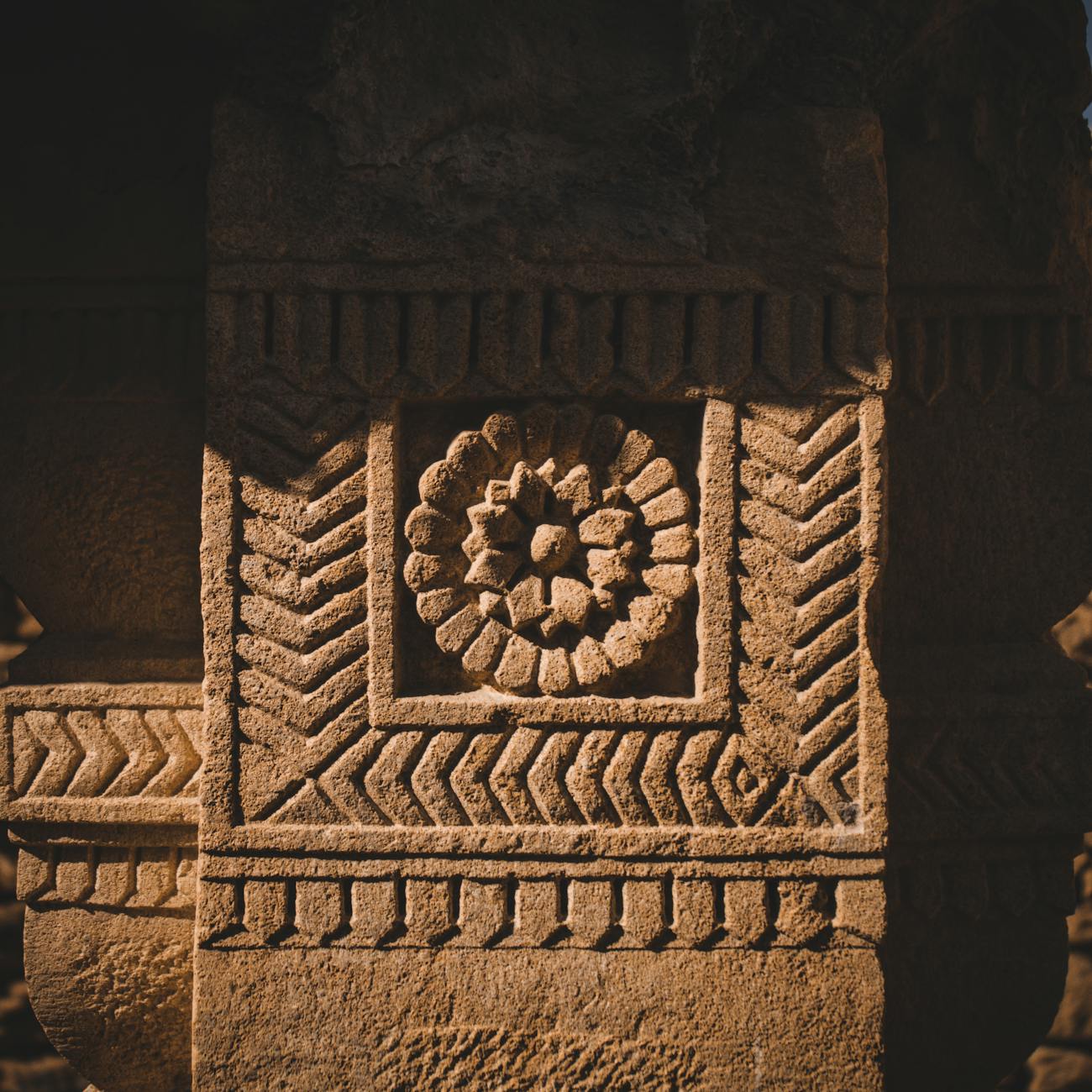
Dispute Resolution in Cultural Heritage
Advanced Certificate in Cultural Heritage Law
Dispute resolution in cultural heritage is a complex and multifaceted process that involves addressing conflicts and disagreements related to the preservation, management, ownership, and stewardship of cultural heritage resources. Cultural heritage encompasses a wide range of tangible and intangible assets, including archaeological sites, historic buildings, artifacts, artworks, traditional knowledge, and cultural practices. Given the diverse nature of cultural heritage, disputes can arise for various reasons, such as competing claims of ownership, conflicting interests in the use of heritage resources, disagreements over conservation practices, and disputes regarding the interpretation and representation of heritage.
To effectively resolve disputes in cultural heritage, it is essential to have a solid understanding of key terms and concepts that are commonly used in this field. This glossary provides an overview of important vocabulary related to dispute resolution in cultural heritage, including legal frameworks, dispute resolution mechanisms, stakeholders, and challenges associated with resolving heritage-related conflicts.
Legal Frameworks
1. **Cultural Heritage Law**: Cultural heritage law refers to the body of laws and regulations that govern the protection, conservation, and management of cultural heritage resources. These laws vary from country to country and may include international conventions, national legislation, and local ordinances that safeguard heritage assets.
2. **International Conventions**: International conventions are treaties or agreements between countries that establish common standards and principles for the protection and preservation of cultural heritage. Examples of key conventions include the UNESCO World Heritage Convention, the Hague Convention for the Protection of Cultural Property in the Event of Armed Conflict, and the UNIDROIT Convention on Stolen or Illegally Exported Cultural Objects.
3. **National Legislation**: National legislation refers to laws enacted by individual countries to regulate the protection and management of cultural heritage within their borders. These laws may cover a wide range of issues, such as the designation of heritage sites, the repatriation of cultural objects, and the enforcement of heritage protection measures.
4. **Heritage Management Plans**: Heritage management plans are strategic documents that outline how cultural heritage resources will be preserved, interpreted, and managed over time. These plans often include goals, objectives, and actions to ensure the sustainable conservation and use of heritage assets.
5. **Dispute Resolution Mechanisms**: Dispute resolution mechanisms are processes and procedures used to address conflicts and disagreements related to cultural heritage. These mechanisms may involve negotiation, mediation, arbitration, or litigation, depending on the nature and complexity of the dispute.
Dispute Resolution Mechanisms
1. **Negotiation**: Negotiation is a voluntary process in which parties in a dispute attempt to reach a mutually acceptable resolution through discussion and compromise. Negotiation is often used as a first step in resolving heritage-related conflicts, as it allows parties to explore potential solutions and find common ground.
2. **Mediation**: Mediation is a non-binding process in which a neutral third party (the mediator) assists parties in reaching a settlement. The mediator helps facilitate communication, clarify issues, and explore options for resolution. Mediation is a flexible and informal method of dispute resolution that can be particularly effective in heritage disputes involving multiple stakeholders with diverse interests.
3. **Arbitration**: Arbitration is a formal process in which parties in a dispute agree to submit their case to a neutral third party (the arbitrator) for a binding decision. Arbitration is often used when parties prefer a more structured and legally enforceable resolution to their dispute. In cultural heritage, arbitration may be used to resolve conflicts over ownership, access, or use of heritage resources.
4. **Litigation**: Litigation involves resolving disputes through the court system, where parties present their case to a judge or jury for a final decision. Litigation is typically a last resort in cultural heritage disputes, as it can be time-consuming, costly, and adversarial. However, litigation may be necessary in cases where legal rights or obligations are at stake.
Stakeholders
1. **Heritage Custodians**: Heritage custodians are individuals, organizations, or institutions responsible for the care, protection, and management of cultural heritage resources. Custodians may include government agencies, museums, heritage organizations, indigenous communities, private collectors, and religious institutions.
2. **Indigenous Communities**: Indigenous communities are groups of people who have a unique cultural connection to a particular heritage site, artifact, or practice. Indigenous communities often play a significant role in the stewardship and interpretation of cultural heritage and may have distinct rights and interests in heritage resources.
3. **Local Communities**: Local communities are residents who live near or have a strong attachment to a heritage site or resource. Local communities may be directly impacted by heritage management decisions and may have valuable knowledge and perspectives to contribute to the preservation and interpretation of cultural heritage.
4. **Government Agencies**: Government agencies are public bodies responsible for implementing cultural heritage laws and policies at the national, state, or local level. These agencies may regulate heritage protection, provide funding for conservation projects, designate heritage sites, and enforce heritage-related regulations.
Challenges
1. **Ownership Disputes**: Ownership disputes arise when multiple parties claim rights to a cultural heritage resource, such as an artwork, artifact, or archaeological site. Resolving ownership disputes can be challenging due to conflicting evidence, complex legal issues, and competing interests among stakeholders.
2. **Repatriation Issues**: Repatriation issues involve the return of cultural objects or human remains to their countries of origin or to indigenous communities. Repatriation disputes often center on questions of cultural heritage, restitution, and justice, and may involve negotiations between governments, museums, collectors, and indigenous groups.
3. **Development Pressures**: Development pressures pose a significant threat to cultural heritage, as urbanization, infrastructure projects, and economic development can lead to the destruction or alteration of heritage sites. Balancing the need for development with the preservation of cultural heritage is a common challenge in dispute resolution.
4. **Lack of Funding**: Lack of funding for heritage conservation and management can impede efforts to protect and preserve cultural heritage resources. Limited resources may restrict the ability of custodians to implement conservation measures, conduct research, or engage in community outreach, leading to conflicts over priorities and resource allocation.
In conclusion, dispute resolution in cultural heritage requires a nuanced understanding of legal frameworks, dispute resolution mechanisms, stakeholders, and challenges that are unique to the field of cultural heritage law. By familiarizing oneself with key terms and concepts related to heritage dispute resolution, practitioners and scholars can navigate complex heritage conflicts more effectively and contribute to the sustainable preservation and management of cultural heritage resources.
Key takeaways
- Dispute resolution in cultural heritage is a complex and multifaceted process that involves addressing conflicts and disagreements related to the preservation, management, ownership, and stewardship of cultural heritage resources.
- To effectively resolve disputes in cultural heritage, it is essential to have a solid understanding of key terms and concepts that are commonly used in this field.
- **Cultural Heritage Law**: Cultural heritage law refers to the body of laws and regulations that govern the protection, conservation, and management of cultural heritage resources.
- **International Conventions**: International conventions are treaties or agreements between countries that establish common standards and principles for the protection and preservation of cultural heritage.
- **National Legislation**: National legislation refers to laws enacted by individual countries to regulate the protection and management of cultural heritage within their borders.
- **Heritage Management Plans**: Heritage management plans are strategic documents that outline how cultural heritage resources will be preserved, interpreted, and managed over time.
- **Dispute Resolution Mechanisms**: Dispute resolution mechanisms are processes and procedures used to address conflicts and disagreements related to cultural heritage.