
Supply Chain Management
Supply chain management (SCM) in the pharmaceutical industry is a complex network of activities that moves raw materials, active pharmaceutical ingredients (APIs), and finished products from source to patient. Understanding the terminology …
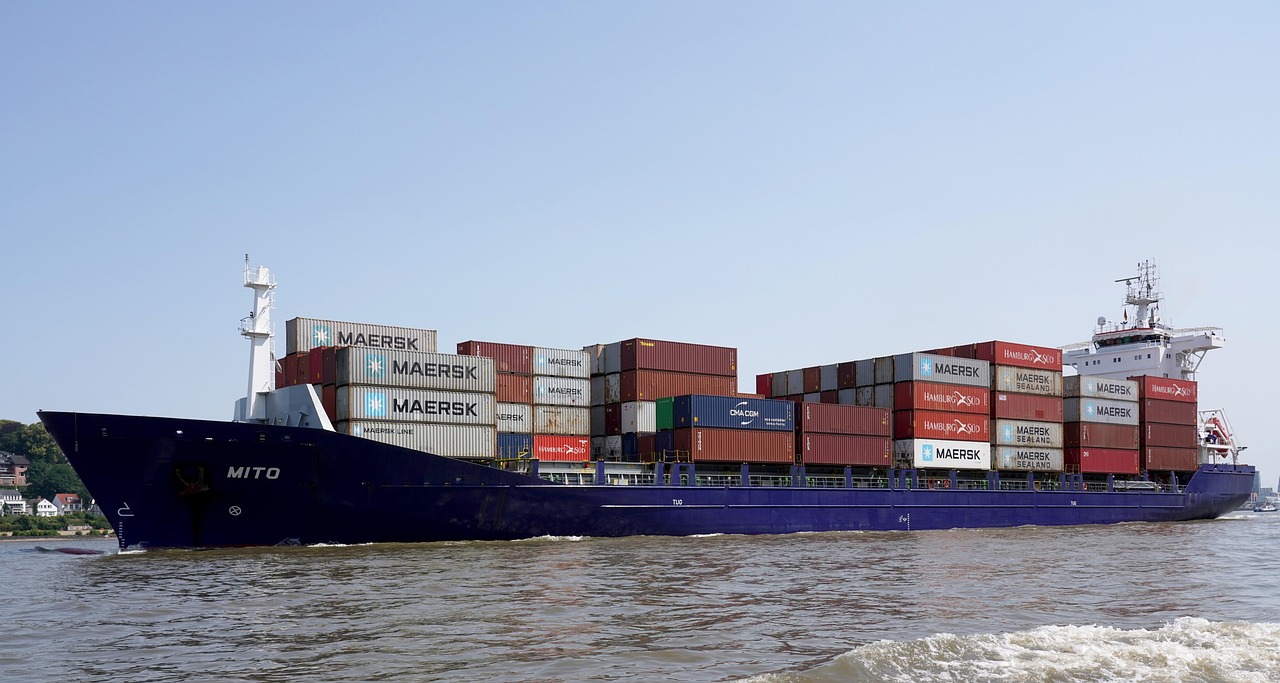
Supply chain management (SCM) in the pharmaceutical industry is a complex network of activities that moves raw materials, active pharmaceutical ingredients (APIs), and finished products from source to patient. Understanding the terminology is essential for professionals who design, operate, and improve these networks. This guide defines the most critical terms, illustrates their practical use, and highlights common challenges that arise in real‑world settings.
Supply Chain refers to the entire system of organizations, people, activities, information, and resources involved in moving a product from supplier to end‑user. In pharmaceuticals, the supply chain must maintain product integrity, comply with stringent regulations, and respond quickly to changes in demand or supply. For example, a multinational company may source APIs from India, manufacture the drug in Europe, and distribute the finished product to hospitals in North America, each step requiring precise coordination.
Logistics is the subset of SCM that plans, implements, and controls the efficient movement and storage of goods. Logistics includes transportation, warehousing, and handling of products. A practical application is the use of temperature‑controlled trucks to ensure that a vaccine remains within the required temperature range during transit. A common challenge is the limited availability of specialized refrigerated carriers, which can cause delays and increase costs.
Procurement involves acquiring the goods and services needed to produce pharmaceutical products. This function includes supplier selection, negotiation, contracting, and purchasing. Strategic procurement may focus on securing a reliable source of a critical API, while tactical procurement handles routine purchases of packaging materials. Challenges often emerge from geopolitical risks that affect supplier reliability, such as trade restrictions or political instability in sourcing regions.
Supplier Relationship Management (SRM) is the systematic approach to developing and managing partnerships with suppliers. Effective SRM can lead to improved quality, reduced lead times, and better pricing. For instance, a company may work closely with a polymer supplier to develop a new blister pack that enhances product protection. The difficulty lies in aligning the objectives of both parties while maintaining compliance with regulatory standards.
Demand Forecasting is the process of predicting future product demand using historical data, market analysis, and statistical models. Accurate forecasting helps balance inventory levels against customer needs, reducing both stockouts and excess inventory. A pharmaceutical firm might use a seasonal model to anticipate increased demand for flu vaccines during the autumn months. Forecast errors can result from sudden disease outbreaks, changes in prescribing habits, or new competitor product launches.
Inventory Management encompasses the activities required to maintain optimal stock levels of raw materials, work‑in‑process, and finished goods. Key metrics include inventory turnover, days of inventory on hand (DOH), and service level. A common practice is the implementation of a safety stock buffer to protect against demand variability. However, excess safety stock can tie up capital and increase the risk of product expiration, especially for temperature‑sensitive biologics.
Lead Time is the total elapsed time from the initiation of an order until the product is received and ready for use. In pharmaceuticals, lead times can be long due to complex manufacturing processes, regulatory approvals, and customs clearance. For example, a 90‑day lead time might be typical for a small‑molecule API sourced from a distant supplier. Reducing lead time often requires process optimization, better supplier communication, and sometimes the use of near‑shoring strategies.
Safety Stock is extra inventory held to protect against uncertainties in demand or supply. Determining the appropriate safety stock level involves statistical analysis of demand variability and lead‑time variance. A practical scenario includes maintaining a safety stock of a life‑saving drug that cannot tolerate stockouts. The challenge is to balance the cost of holding additional inventory against the risk of a critical shortage.
Batch Production is a manufacturing approach where a specific quantity of product is produced in a single run before equipment is cleaned and reconfigured for the next batch. This method is common for both small‑molecule and biologic medicines. Batch records must be meticulously documented to satisfy regulatory requirements. A typical challenge is the need to coordinate batch schedules across multiple production lines while ensuring consistent quality.
Continuous Manufacturing contrasts with batch production by running a steady‑state process that transforms raw materials into finished product without interruption. Continuous processes can increase efficiency, reduce waste, and shorten lead times. The pharmaceutical industry is exploring continuous manufacturing for certain oral solid‑dose products. Implementation challenges include regulatory acceptance, technology investment, and the need for new process control strategies.
Cold Chain refers to the temperature‑controlled supply chain required for products that are sensitive to temperature variations, such as vaccines, insulin, and biologics. The cold chain includes refrigerated storage, insulated packaging, and temperature monitoring devices. An example is the use of insulated shipping containers with data loggers to maintain a vaccine at 2‑8°C during a global distribution campaign. Breakdowns in the cold chain can compromise product efficacy, leading to costly recalls and loss of patient trust.
Good Manufacturing Practice (GMP) is a set of regulations that ensures products are consistently produced and controlled according to quality standards. GMP covers all aspects of manufacturing, from raw material sourcing to equipment qualification and staff training. Compliance is verified through inspections by regulatory agencies such as the FDA or EMA. Non‑compliance can result in product holds, fines, or market withdrawal.
Good Distribution Practice (GDP) governs the proper distribution of medicinal products to maintain their quality and integrity throughout the supply chain. GDP requirements address storage conditions, transportation, documentation, and traceability. A pharmaceutical distributor must implement GDP by maintaining controlled temperature environments, performing regular equipment calibration, and keeping detailed records of product movements. Violations can trigger regulatory actions and damage brand reputation.
Traceability is the ability to track a product’s history, location, and status throughout the supply chain. Traceability is essential for recall management, counterfeit detection, and regulatory reporting. Technologies such as barcodes, RFID tags, and blockchain are used to enhance traceability. A practical example is the serialization of each tablet blister pack with a unique identifier that can be scanned at each point of transfer. Challenges include integrating multiple data systems and ensuring data integrity across global networks.
Serialization is the process of assigning a unique serial number to each individual saleable unit of a product. Serialization supports traceability, anti‑counterfeiting measures, and compliance with regulations like the US Drug Supply Chain Security Act (DSCSA). In practice, a manufacturer may print a 2‑D data matrix on each box that encodes the product’s serial number, batch number, and expiration date. Implementing serialization can be costly, requiring new packaging equipment and IT infrastructure.
Regulatory Compliance encompasses all the legal and industry standards that pharmaceutical companies must meet to market their products. This includes GMP, GDP, labeling requirements, and country‑specific regulations. Compliance activities involve documentation, audits, validation, and ongoing monitoring. A failure to comply can lead to product recalls, suspension of manufacturing licenses, and legal liability.
Product Lifecycle Management (PLM) is the strategic approach to managing a product from concept through design, manufacturing, distribution, and retirement. PLM integrates cross‑functional data to improve decision‑making and reduce time‑to‑market. For a new oncology drug, PLM would coordinate clinical trial data, manufacturing scale‑up, and post‑approval pharmacovigilance. Challenges include aligning multiple stakeholders and maintaining data consistency across disparate systems.
Inbound Logistics focuses on the receipt, handling, and storage of raw materials and components that enter a manufacturing facility. Effective inbound logistics ensures that critical APIs arrive on time, in the correct quantity, and with proper documentation. A typical challenge is the coordination of customs clearance for imported raw materials, which can cause delays if required certificates are missing or incomplete.
Outbound Logistics involves the distribution of finished pharmaceutical products to customers, distributors, or end‑users. Outbound logistics must meet delivery schedules, temperature requirements, and regulatory documentation. An example is the use of a dedicated fleet to deliver a batch of insulin to regional pharmacies within a 24‑hour window. Bottlenecks can arise from limited carrier capacity, especially for temperature‑controlled shipments.
Third‑Party Logistics (3PL) providers are external companies that handle logistics functions such as transportation, warehousing, and order fulfillment on behalf of a pharmaceutical firm. Engaging a 3PL can bring expertise, scalability, and cost efficiencies. For instance, a small biotech may outsource its entire distribution network to a 3PL that already operates a certified cold‑chain warehouse. Risks include loss of direct control over critical processes and potential data security concerns.
Fourth‑Party Logistics (4PL) extends the concept of 3PL by acting as an integrator that manages multiple 3PLs and other service providers. A 4PL offers strategic oversight, technology platforms, and performance analytics. A multinational pharmaceutical corporation might employ a 4PL to coordinate its global distribution, ensuring consistent service levels across regions. The primary challenge is establishing clear governance and performance metrics across a complex network of partners.
Supply Chain Visibility is the ability to track and monitor product movement, inventory levels, and process status in real time across the entire supply chain. Visibility enables proactive decision‑making, risk mitigation, and improved customer service. Companies often deploy cloud‑based platforms that aggregate data from ERP, WMS, and TMS systems to provide a single view. Obstacles include data silos, incompatible formats, and the need for robust cybersecurity measures.
Risk Management in pharmaceutical supply chains involves identifying, assessing, and mitigating potential disruptions. Risks can be internal (e.G., Equipment failure) or external (e.G., Natural disasters, geopolitical events). A risk management plan may include dual‑sourcing critical APIs, maintaining strategic safety stock, and developing contingency transportation routes. The difficulty lies in quantifying low‑probability, high‑impact events and justifying the associated costs.
Supply Chain Resilience is the capacity of the supply chain to absorb shocks and recover quickly from disruptions. Resilience strategies combine risk mitigation, flexibility, and redundancy. For example, a company may maintain a secondary manufacturing site in a different geographic region to continue production if the primary site is affected by a pandemic. Building resilience often requires higher operating costs, which must be balanced against the potential cost of a supply interruption.
Demand Planning is the collaborative process of developing an accurate forecast that aligns sales, marketing, and operations. Demand planning integrates market intelligence, promotional calendars, and historical sales data. A practical scenario involves the sales team providing upcoming launch dates for a new drug, which the demand planner incorporates into the forecast to determine required production volumes. Misalignment can lead to either excess inventory or unmet patient demand.
Supply Planning translates demand forecasts into actionable production and procurement schedules. Supply planners determine the quantities of raw materials needed, schedule manufacturing runs, and allocate resources. They must consider constraints such as equipment capacity, labor availability, and lead times. A key challenge is balancing competing priorities, such as meeting a high‑priority order while maintaining ongoing production of other products.
Order Fulfillment covers the entire process from receiving a customer order to delivering the product. This includes order entry, picking, packing, shipping, and invoicing. In the pharmaceutical context, order fulfillment must also verify that the product is within its expiration date and that the shipment complies with temperature requirements. Errors in fulfillment can result in delayed therapy for patients and increased operational costs.
Distribution Network Design involves determining the optimal number, location, and capacity of warehouses, distribution centers, and cross‑docking facilities. The design aims to minimize total logistics cost while meeting service level targets. For a global pharma company, the network may consist of regional hubs in Europe, Asia, and the Americas, each equipped with temperature‑controlled storage. Designing an efficient network is complicated by regulatory differences, varying market demand, and the need for redundancy.
Warehouse Management System (WMS) is software that manages warehouse operations, including receiving, put‑away, inventory control, picking, and shipping. A WMS can enforce FIFO (first‑in‑first‑out) or FEFO (first‑expired‑first‑out) rules, which are critical for products with limited shelf life. Implementing a WMS can improve accuracy and reduce labor costs, but integration with existing ERP systems and user training can be significant hurdles.
Transportation Management System (TMS) is a platform that plans, executes, and optimizes the movement of goods. TMS functionalities include carrier selection, route optimization, load consolidation, and freight audit. A pharmaceutical firm may use TMS to select carriers that provide validated temperature monitoring for biologics shipments. Challenges include ensuring that the TMS can handle complex regulatory documentation and real‑time temperature data.
E‑Procurement refers to the electronic purchase of goods and services through online platforms. E‑procurement streamlines the purchase order process, improves spend visibility, and facilitates compliance with corporate policies. For example, a procurement team might use an e‑procurement portal to issue a request for quotation (RFQ) for glass vials, automatically routing responses to the appropriate reviewers. Barriers to adoption include supplier resistance and the need for system integration.
Strategic Sourcing is a long‑term approach to acquiring goods and services that focuses on total cost of ownership, supplier innovation, and risk reduction. Strategic sourcing may involve developing joint research projects with API suppliers to improve yield or reduce environmental impact. The process requires deep analysis of spend data, market conditions, and supplier capabilities, which can be resource‑intensive.
Vendor Managed Inventory (VMI) is a collaborative arrangement where the supplier monitors the buyer’s inventory levels and replenishes stock as needed. VMI can reduce stockouts and lower inventory carrying costs. In a VMI scenario, a packaging supplier may automatically ship additional blister packs when the pharmaceutical company’s warehouse reaches a predefined threshold. The main challenge is ensuring data accuracy and aligning performance metrics between parties.
Reverse Logistics deals with the flow of products from the customer back to the manufacturer or distributor. This includes returns, recalls, refurbishing, and disposal. For pharmaceuticals, reverse logistics is critical for handling expired or recalled batches safely. A company may partner with a specialized reverse‑logistics provider that offers secure, temperature‑controlled transport for returned biologics. Compliance with hazardous waste regulations adds complexity to reverse logistics operations.
Returns Management is a subset of reverse logistics focused on processing returned goods efficiently. Effective returns management minimizes waste, recovers value, and maintains regulatory compliance. For instance, a pharmacy may return unopened boxes of a discontinued drug to the manufacturer for credit, while ensuring that the returned items are quarantined and documented according to GDP. Poor returns handling can lead to inventory inaccuracies and potential regulatory violations.
Cold Chain Management encompasses the planning, execution, and monitoring of temperature‑controlled logistics. It includes selecting appropriate packaging, validating transportation routes, and using data loggers to record temperature excursions. A real‑world example is the deployment of insulated pallets with phase‑change materials to keep a vaccine within the 2‑8°C range during a 48‑hour road trip. Challenges include limited availability of certified carriers and the high cost of specialized packaging.
Temperature‑Controlled Logistics is synonymous with cold chain but emphasizes the broader set of activities that maintain product temperature, such as refrigerated warehousing, controlled‑temperature trucks, and real‑time monitoring systems. Companies often invest in advanced monitoring technologies that transmit temperature data via cellular networks, enabling immediate response to excursions. The primary difficulty lies in ensuring that all partners in the supply chain have compatible monitoring capabilities.
Compliance Auditing is the systematic review of processes, documentation, and facilities to verify adherence to regulatory standards. Audits can be internal, conducted by the company’s quality team, or external, performed by regulatory agencies. An audit may examine batch records, cleaning validation, and temperature logs for a warehouse storing biologics. Findings often require corrective actions, which must be tracked and closed to maintain compliance.
Batch Release is the final approval step that authorizes a manufactured batch for distribution. The release decision is based on a review of manufacturing data, analytical test results, and compliance with specifications. For a sterile injectable, batch release may involve confirming sterility test results, endotoxin levels, and container integrity. Delays in batch release can create supply gaps and increase the reliance on safety stock.
Lot Number is a unique identifier assigned to a specific batch of product, enabling traceability and recall if necessary. Lot numbers are printed on packaging and recorded in manufacturing and distribution systems. In the event of a quality issue, the lot number allows the company to pinpoint the affected units quickly. Managing lot numbers across multiple manufacturing sites and packaging lines can be challenging, especially when consolidating data from different ERP modules.
Expiration Date indicates the last day a product is guaranteed to meet its specifications when stored under recommended conditions. Accurate labeling of expiration dates is vital for patient safety and regulatory compliance. A pharmacy must remove products that have passed their expiration date from shelves to avoid dispensing ineffective medication. Determining shelf life involves stability testing, which can be time‑consuming and costly.
Recall Management is the coordinated process of retrieving a product from the market due to safety, quality, or regulatory concerns. Effective recall management requires rapid identification of affected lots, communication with distributors, and secure collection of the product. An example is the recall of a contaminated batch of a cardiovascular drug, where the company must trace every distribution point and notify healthcare providers. The biggest challenges are maintaining accurate distribution records and executing the recall quickly to protect patients.
Supply Chain Finance refers to financial solutions that optimize cash flow across the supply chain, such as invoice discounting, factoring, and dynamic discounting. By offering early payment to suppliers, a pharmaceutical company can secure preferential pricing or ensure a reliable supply of critical raw materials. However, these arrangements can increase the buyer’s financial exposure if not carefully managed.
Working Capital is the capital required to fund day‑to‑day operations, calculated as current assets minus current liabilities. In SCM, working capital is tied up in inventory, accounts receivable, and accounts payable. Efficient inventory management can free up working capital, allowing the company to invest in research and development. Conversely, excessive safety stock or slow inventory turnover can strain cash flow.
Cash‑to‑Cash Cycle measures the time between cash outflow for raw materials and cash inflow from product sales. It is a key indicator of supply chain efficiency. A shorter cash‑to‑cash cycle indicates that the company is converting inventory into revenue quickly. Strategies to reduce the cycle include negotiating better payment terms with suppliers, improving demand forecasting, and accelerating order fulfillment.
Transportation Mode describes the method used to move goods, such as air, ocean, rail, or road. Mode selection depends on cost, speed, product characteristics, and regulatory requirements. Air freight is often chosen for high‑value, temperature‑sensitive biologics that require rapid delivery, while ocean freight may be used for bulk raw material shipments. Choosing the appropriate mode involves trade‑offs between cost, risk, and service level.
Freight Consolidation is the practice of combining multiple shipments into a single container or truckload to achieve economies of scale. Consolidation can lower transportation costs and reduce carbon emissions. A pharmaceutical distributor might consolidate shipments of several low‑volume products destined for the same region into a single pallet. The challenge is ensuring that the consolidated shipment still meets temperature and handling requirements for each product.
Carrier Selection involves evaluating and choosing logistics service providers based on criteria such as cost, reliability, service coverage, and compliance capabilities. For temperature‑sensitive products, carriers must demonstrate validated cold‑chain processes and provide temperature monitoring data. Selecting the right carrier can improve on‑time delivery performance, but limited carrier options in certain regions can constrain choice.
Route Optimization uses algorithms and data analytics to determine the most efficient path for transporting goods. Optimization considers factors such as distance, traffic, fuel costs, and service windows. In pharma distribution, route optimization can reduce transit times for critical medications, ensuring they reach hospitals before expiration. However, constraints such as regulatory restrictions on cross‑border shipments may limit optimization options.
Load Planning is the arrangement of goods within a transportation unit to maximize space utilization while maintaining product integrity. Proper load planning for temperature‑controlled shipments includes using insulated pallets, positioning temperature sensors, and balancing weight distribution. Poor load planning can lead to product damage, temperature excursions, and increased handling costs.
Customs Clearance is the process of obtaining permission from government authorities to import or export goods. Pharmaceutical shipments must include detailed documentation, such as certificates of analysis, GMP compliance, and import licenses. Delays in customs clearance can disrupt supply continuity, especially for time‑sensitive products. Engaging customs brokers with expertise in pharma regulations can mitigate these risks.
Regulatory Documentation includes all records required by authorities to demonstrate compliance, such as batch records, validation reports, and shipping manifests. Maintaining accurate regulatory documentation is essential for inspections and audits. A common challenge is the need to store documents for extended periods (often 10 years or more) while ensuring they remain accessible and unaltered.
Quality Assurance (QA) is the systematic process of ensuring that products meet defined quality standards throughout the supply chain. QA activities include establishing standard operating procedures, conducting internal audits, and monitoring key performance indicators. In the supply chain context, QA may verify that a third‑party logistics provider adheres to GDP requirements. Integrating QA with day‑to‑day operations can be difficult due to differing priorities and resource constraints.
Quality Control (QC) focuses on testing and inspection activities that validate product quality at specific points, such as raw material receipt, in‑process testing, and final release. QC labs analyze samples for potency, purity, and microbial limits. For a biologic, QC may include cell‑based potency assays that require specialized equipment and skilled personnel. Maintaining a rapid QC turnaround while ensuring analytical accuracy is a persistent challenge.
Risk Assessment is a systematic evaluation of potential hazards, their likelihood, and impact. In pharmaceutical SCM, risk assessments are performed for supplier qualification, transportation routes, and storage conditions. A risk matrix helps prioritize mitigation actions. Conducting comprehensive risk assessments can be resource‑intensive, but failure to do so may expose the company to costly disruptions.
Contingency Planning involves developing alternative actions to be executed when a disruption occurs. Contingency plans may include switching to an alternate supplier, using a backup warehouse, or rerouting shipments via a different carrier. The effectiveness of a contingency plan depends on regular testing and updating. Many organizations struggle with maintaining up‑to‑date plans due to changing market dynamics and supply chain complexity.
Supply Chain Optimization is the continuous process of improving efficiency, reducing costs, and enhancing service levels across the network. Techniques include lean manufacturing, six sigma, and advanced analytics. Pharmaceutical companies may apply optimization models to determine the optimal inventory levels that balance service level targets with working capital constraints. Implementation challenges include data quality, change management, and alignment across functional silos.
Advanced Analytics leverages statistical modeling, machine learning, and data mining to extract insights from supply chain data. Predictive analytics can forecast demand more accurately, while prescriptive analytics can recommend optimal inventory policies. For example, a machine‑learning model might predict the probability of a supplier delay based on geopolitical indicators, allowing planners to proactively adjust safety stock. The main barriers are data integration, talent acquisition, and ensuring model transparency for regulatory compliance.
Blockchain is a distributed ledger technology that provides immutable, time‑stamped records of transactions. In pharmaceutical SCM, blockchain can enhance traceability, reduce counterfeit risk, and streamline data sharing among partners. A pilot project might involve recording each transfer of a vaccine batch on a blockchain, enabling all participants to view the product’s history in real time. Adoption hurdles include scalability, standardization, and the need for industry‑wide collaboration.
Internet of Things (IoT) refers to the network of interconnected devices that collect and transmit data. IoT sensors placed in shipping containers can monitor temperature, humidity, and location continuously. Real‑time alerts enable rapid response to deviations, preserving product integrity. Integration challenges include ensuring sensor accuracy, managing large data volumes, and maintaining secure communications.
Artificial Intelligence (AI) encompasses techniques that enable computers to mimic human decision‑making. AI can be applied to demand forecasting, inventory optimization, and anomaly detection in logistics. An AI‑driven system might automatically flag a shipment that deviates from its expected temperature profile and suggest corrective actions. Ethical considerations, model bias, and regulatory acceptance are key concerns when deploying AI in regulated environments.
Digital Twin is a virtual replica of a physical asset, process, or system that can be used for simulation and analysis. In pharma logistics, a digital twin of a cold‑chain network can test the impact of route changes, equipment failures, or demand spikes without disrupting actual operations. Building accurate digital twins requires high‑quality data and sophisticated modeling tools, which can be costly and time‑consuming.
Master Data Management (MDM) ensures that critical data entities such as products, suppliers, and customers are consistent across all systems. Accurate master data is essential for traceability, regulatory reporting, and analytics. An MDM initiative might standardize product codes across ERP, WMS, and TMS platforms, reducing duplicate entries and errors. Governance, data stewardship, and change management are common obstacles.
Enterprise Resource Planning (ERP) integrates core business processes, including procurement, manufacturing, inventory, and finance, into a single system. ERP serves as the backbone for supply chain data, enabling end‑to‑end visibility. For a pharmaceutical company, ERP may store batch records, supplier contracts, and financial transactions. Implementing ERP can be disruptive, requiring extensive process re‑engineering and employee training.
Key Performance Indicators (KPIs) are measurable values used to evaluate the performance of supply chain activities. Common KPIs include order fill rate, inventory turnover, on‑time delivery, and compliance rate. Setting appropriate KPI targets drives continuous improvement. However, over‑emphasis on a single KPI can create unintended consequences, such as focusing on delivery speed at the expense of product quality.
Service Level Agreement (SLA) is a formal contract between a service provider and a customer that defines performance expectations. In pharma logistics, an SLA might specify a 95 % on‑time delivery rate for temperature‑controlled shipments. SLAs provide a basis for measuring provider performance and enforce accountability. Negotiating realistic SLA terms can be difficult when dealing with multiple global partners.
Capacity Planning determines the production and logistics resources required to meet forecasted demand. Capacity planning includes evaluating equipment availability, labor shifts, and warehouse space. A capacity bottleneck in API production could delay the entire supply chain, requiring the company to explore alternative manufacturing sites. Accurately forecasting capacity needs is challenging due to demand volatility and lead‑time variability.
Process Validation confirms that a manufacturing or logistics process consistently yields a product meeting its predetermined specifications. Validation is required for critical processes such as aseptic filling, lyophilization, and cold‑chain transportation. A validated transportation process might involve temperature mapping studies to demonstrate that a specific container maintains the required range throughout the route. Maintaining validation documentation over the product lifecycle adds administrative burden.
Change Management is the structured approach to transitioning individuals, teams, and organizations from a current state to a desired future state. In supply chain transformation projects, change management ensures that new systems, procedures, and technologies are adopted effectively. Resistance to change, especially in highly regulated environments, can impede project success. Effective communication, training, and stakeholder involvement are essential components.
Continuous Improvement is an ongoing effort to enhance processes, products, or services. Methodologies such as Kaizen, Lean, and Six Sigma provide frameworks for identifying waste, reducing variation, and increasing efficiency. A pharmaceutical firm may run a continuous improvement program to reduce packaging waste while maintaining product protection. Sustaining continuous improvement requires a culture that encourages employee empowerment and data‑driven decision‑making.
Strategic Alignment ensures that supply chain objectives support the broader business goals of the organization. For a pharma company focused on rapid market entry for innovative therapies, the supply chain must be agile enough to handle accelerated launch timelines. Misalignment can result in under‑utilized resources or missed market opportunities. Achieving alignment requires cross‑functional collaboration and clear communication of strategic priorities.
Stakeholder Management involves identifying, analyzing, and engaging individuals or groups that have an interest in the supply chain. Stakeholders include regulators, patients, healthcare providers, investors, and internal departments. Effective stakeholder management builds trust, facilitates compliance, and supports risk mitigation. Challenges arise when stakeholder expectations conflict, such as the desire for low cost versus the need for high‑quality, temperature‑controlled logistics.
Data Governance establishes policies, standards, and responsibilities for data management. Strong data governance ensures that supply chain data is accurate, consistent, and secure. For instance, data governance may define who can edit product master data and how changes are audited. Implementing governance frameworks can be complex, especially across multinational operations with different data privacy regulations.
Cybersecurity protects digital assets and information systems from unauthorized access and attacks. The pharmaceutical supply chain increasingly relies on interconnected IT platforms, making it vulnerable to cyber threats. A breach could compromise confidential formulation data or disrupt logistics operations. Robust cybersecurity measures include network segmentation, encryption, regular vulnerability assessments, and employee awareness training.
Environmental Sustainability addresses the ecological impact of supply chain activities. Pharmaceutical companies are adopting greener packaging, optimizing transportation routes to reduce emissions, and implementing waste‑reduction programs. For example, using recyclable insulated containers for cold‑chain shipments can lower the environmental footprint. Balancing sustainability initiatives with regulatory compliance and cost considerations presents a strategic challenge.
Social Responsibility encompasses ethical considerations such as fair labor practices, community engagement, and equitable access to medicines. Supply chain decisions, like selecting suppliers, can influence social outcomes. A company may prioritize suppliers that adhere to ethical sourcing standards, even if they command higher prices. Measuring and reporting social responsibility metrics requires transparent data collection and stakeholder collaboration.
Regulatory Intelligence is the systematic collection and analysis of regulatory information to anticipate changes that may affect the supply chain. Staying informed about new labeling requirements, import restrictions, or changes to serialization mandates enables proactive adaptation. Companies often maintain dedicated regulatory intelligence teams that monitor global agencies and industry associations. The rapid pace of regulatory evolution can strain resources and demand agile processes.
Product Portfolio Management involves strategic oversight of a company's range of products, balancing resources across existing and pipeline offerings. Portfolio decisions impact supply chain planning, as new products may require additional manufacturing capacity, specialized packaging, or new distribution channels. Managing the portfolio effectively ensures that resources are allocated to high‑value, high‑growth opportunities while maintaining support for legacy products.
Business Continuity Planning (BCP) prepares the organization to maintain essential functions during disruptions. In pharma SCM, BCP may include backup power for temperature‑controlled warehouses, alternate transportation routes, and emergency communication protocols. Regular testing of BCP scenarios, such as simulated power outages, validates the effectiveness of the plan. Resource constraints and the complexity of global operations can make comprehensive BCP implementation challenging.
Supplier Audits are systematic evaluations of a supplier’s processes, quality systems, and compliance status. Audits can be on‑site inspections or remote assessments using digital tools. For a critical API supplier, an audit may review manufacturing controls, environmental monitoring, and documentation practices. Auditing frequency must balance risk exposure with the costs and logistics of conducting assessments, especially for a large, geographically dispersed supplier base.
Quality Management System (QMS) integrates all quality-related processes, policies, and procedures. A QMS provides the framework for consistent product quality, regulatory compliance, and continuous improvement. In the supply chain, the QMS encompasses supplier qualification, transportation controls, and warehouse practices. Maintaining an effective QMS requires regular internal audits, corrective action tracking, and management review.
Process Mapping visually represents the flow of activities, inputs, and outputs within a process. Mapping helps identify inefficiencies, redundancies, and compliance gaps. A process map of the order‑to‑cash cycle may reveal unnecessary manual data entry steps that can be automated. Creating accurate maps often demands cross‑functional collaboration and a deep understanding of existing workflows.
Cross‑Docking is a logistics practice where incoming shipments are directly transferred to outbound transportation with minimal storage time. Cross‑docking can accelerate delivery, reduce handling costs, and lower inventory levels. In pharma distribution, cross‑docking may be used for high‑velocity products like over‑the‑counter analgesics that require rapid replenishment. Ensuring temperature control during rapid transfers adds a layer of complexity.
Lot Traceability enables the tracking of a specific lot of product through every stage of the supply chain. This capability is essential for targeted recalls, quality investigations, and compliance reporting. Lot traceability often relies on serialization data captured at each checkpoint. Maintaining accurate traceability across multiple partners and jurisdictions can be difficult due to divergent data standards and reporting requirements.
Pharmacovigilance is the science and activities related to detecting, assessing, and preventing adverse effects of medicines. Supply chain data, such as batch numbers and distribution records, support pharmacovigilance investigations by linking adverse event reports to specific product lots. Integrating supply chain information with pharmacovigilance systems enhances signal detection but requires robust data exchange mechanisms.
Cold‑Chain Validation confirms that the temperature‑controlled logistics system consistently maintains the required temperature range. Validation activities include temperature mapping, monitoring device qualification, and simulated excursions. A validated cold‑chain ensures that a biologic retains its potency throughout transport. Ongoing re‑validation is necessary when routes, carriers, or packaging change.
Temperature Excursion Management addresses situations where product temperature deviates from the prescribed range. Immediate actions may involve isolating the affected product, assessing the extent of the excursion, and determining whether the product remains usable. Clear procedures and trained personnel are essential to mitigate risk. Poorly managed excursions can result in product loss, regulatory penalties, and compromised patient safety.
Packaging Optimization seeks to balance protection, cost, and environmental impact. In pharma, packaging must ensure product integrity, comply with labeling regulations, and support cold‑chain requirements. Using lightweight, recyclable materials can reduce shipping costs and carbon emissions. However, packaging changes must be validated to confirm that they do not affect product stability.
Regulatory Submission Support involves providing the necessary documentation and data to obtain market authorization. Supply chain data, such as manufacturing site qualifications and distribution controls, are part of the submission package. Accurate, well‑organized data can expedite review timelines. Coordinating submission support across multiple regions demands careful planning and alignment with local regulatory expectations.
Pharmaceutical Quality System (PQS) integrates GMP, GDP, and other quality requirements into a cohesive framework. PQS ensures that quality is embedded throughout the product lifecycle, from development to delivery. Implementing a PQS often requires harmonizing procedures across manufacturing, logistics, and post‑marketing activities. The complexity of aligning diverse functional areas can pose significant implementation challenges.
Network Simulation uses computational models to evaluate the performance of a supply chain network under various scenarios. Simulations can assess the impact of demand spikes, supplier disruptions, or changes in transportation costs. By modeling different network configurations, a company can identify the most resilient and cost‑effective design. High‑quality input data and expertise in modeling are critical for reliable results.
Collaborative Planning, Forecasting, and Replenishment (CPFR) is a joint process where trading partners share information to improve forecast accuracy and inventory management. CPFR can reduce the bullwhip effect, shorten order cycles, and increase service levels. In pharma, a manufacturer and a major pharmacy chain might exchange sales data and inventory positions to synchronize replenishment. Successful CPFR requires trust, data integrity, and clear governance.
Key takeaways
- Supply chain management (SCM) in the pharmaceutical industry is a complex network of activities that moves raw materials, active pharmaceutical ingredients (APIs), and finished products from source to patient.
- For example, a multinational company may source APIs from India, manufacture the drug in Europe, and distribute the finished product to hospitals in North America, each step requiring precise coordination.
- A practical application is the use of temperature‑controlled trucks to ensure that a vaccine remains within the required temperature range during transit.
- Strategic procurement may focus on securing a reliable source of a critical API, while tactical procurement handles routine purchases of packaging materials.
- Supplier Relationship Management (SRM) is the systematic approach to developing and managing partnerships with suppliers.
- Demand Forecasting is the process of predicting future product demand using historical data, market analysis, and statistical models.
- Inventory Management encompasses the activities required to maintain optimal stock levels of raw materials, work‑in‑process, and finished goods.