
lighting for special events and functions
Lighting for Special Events and Functions
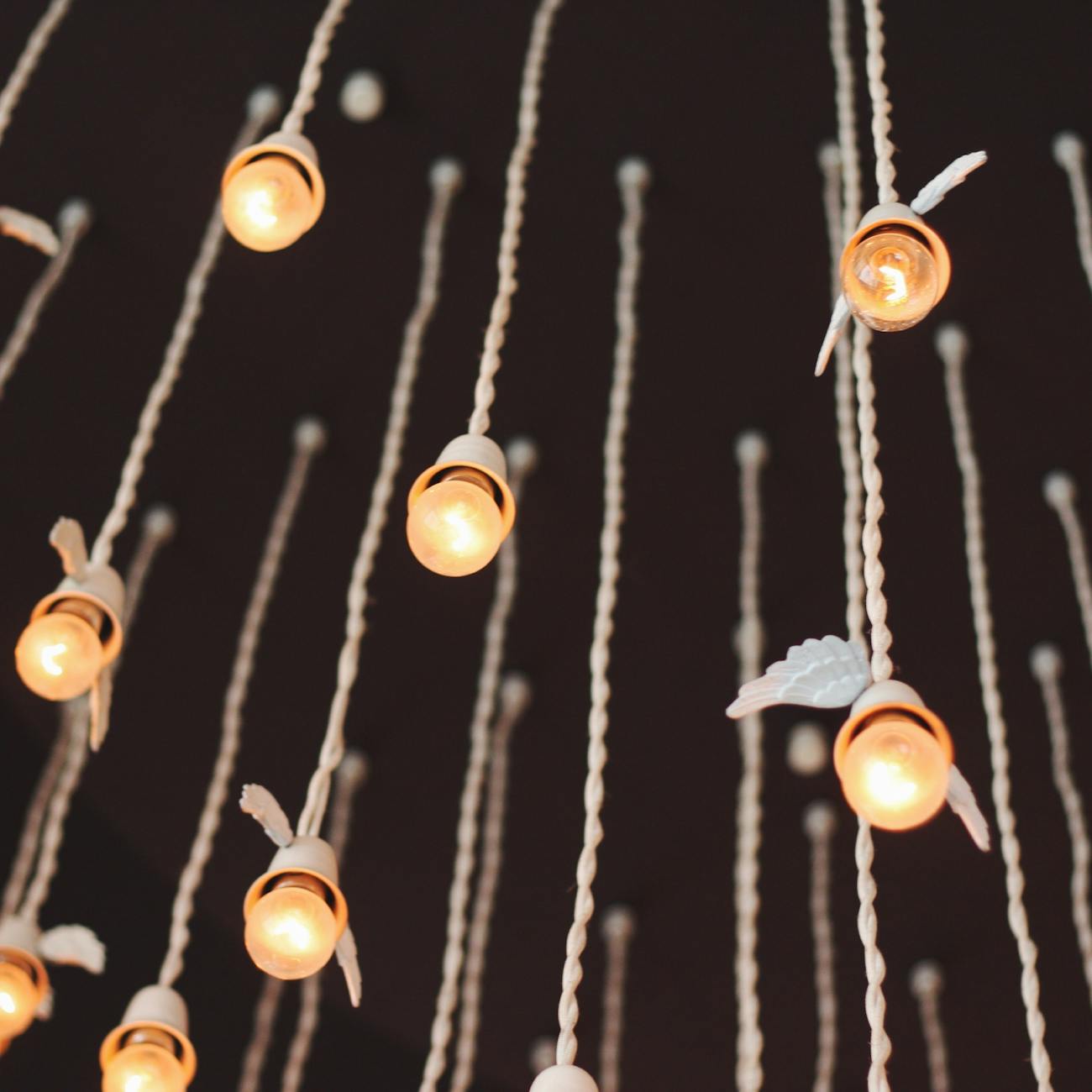
Lighting for Special Events and Functions
Lighting plays a crucial role in setting the mood, atmosphere, and overall ambiance of special events and functions. Proper lighting design can transform a space, highlight key elements, and create a memorable experience for guests. In the Professional Certificate in Lighting Design in Hotels course, students will learn about key terms and concepts related to lighting for special events and functions. Let's explore some of these important terms:
1. Ambient Lighting: Ambient lighting provides overall illumination to a space, creating a comfortable and inviting atmosphere. It serves as the base layer of lighting and helps set the tone for the event. Examples of ambient lighting include chandeliers, wall sconces, and recessed ceiling lights.
2. Accent Lighting: Accent lighting is used to highlight specific areas, objects, or architectural features in a space. It adds depth and dimension to the lighting design, drawing attention to focal points. Examples of accent lighting include track lights, uplights, and picture lights.
3. Task Lighting: Task lighting is focused illumination that helps guests perform specific activities or tasks. It is essential for events that involve reading, working, or dining. Examples of task lighting include desk lamps, under-cabinet lights, and pendant lights over tables.
4. Color Temperature: Color temperature refers to the warmth or coolness of light, measured in Kelvin (K). Lower color temperatures (2000-3000K) produce warm, yellowish light, while higher color temperatures (4000-6500K) produce cool, bluish light. Choosing the right color temperature is important for creating the desired ambiance.
5. Color Rendering Index (CRI): CRI measures how accurately a light source renders colors compared to natural light. A higher CRI value (out of 100) indicates better color rendering. For special events and functions, a high CRI is essential to showcase colors accurately and vividly.
6. Dimming: Dimming allows for adjusting the brightness of lights to create different moods or atmospheres. It is a crucial feature in lighting design for special events, as it offers flexibility and control over the lighting levels. Dimmers can be manual or automated.
7. Beam Angle: Beam angle refers to the spread of light emitted by a fixture. A narrow beam angle produces a focused light beam, while a wide beam angle creates a more diffused light. Choosing the appropriate beam angle is important for directing light where it is needed.
8. Gobo Lighting: Gobo lighting involves projecting patterns, logos, or images onto surfaces using a stencil or template called a gobo. This technique adds a personalized touch to events and can be used for branding, thematic decoration, or creating visual interest.
9. Uplighting: Uplighting involves placing lights at ground level and directing them upwards to illuminate walls, columns, or other vertical surfaces. This technique can enhance the architecture of a space, create depth, and add drama to the overall lighting design.
10. Wash Lighting: Wash lighting involves using floodlights or wash fixtures to bathe a large area in uniform light. It is commonly used to create a wash of color on walls, ceilings, or stages. Wash lighting can help set the mood and enhance the overall aesthetic of an event.
11. Lighting Control Systems: Lighting control systems allow for centralized control of multiple light fixtures, enabling dynamic lighting effects, scene presets, and scheduling. These systems can be programmed to adjust lighting levels, colors, and effects throughout an event, enhancing the guest experience.
12. Special Effects Lighting: Special effects lighting includes techniques such as strobe lights, fog machines, lasers, and moving lights to create dynamic visual effects. These effects can add excitement, energy, and entertainment value to special events and functions.
13. Energy Efficiency: Energy-efficient lighting solutions, such as LED fixtures, can help reduce energy consumption and operating costs for events. LED lights are long-lasting, produce less heat, and offer a wide range of colors and effects, making them ideal for special events and functions.
14. Light Plot: A light plot is a detailed plan or diagram that specifies the placement, type, and settings of lighting fixtures for an event. It serves as a guide for lighting technicians and designers to execute the lighting design effectively and efficiently.
15. Lighting Design Software: Lighting design software allows designers to create 3D models, simulate lighting effects, and generate technical drawings for events. These tools help visualize the final lighting design, calculate lighting requirements, and collaborate with other event professionals.
16. Rigging and Trussing: Rigging and trussing systems are used to suspend lighting fixtures, speakers, and other equipment from ceilings or structures. Proper rigging ensures the safety and stability of overhead installations, allowing for creative lighting designs and effects.
17. Safety and Compliance: Ensuring safety and compliance with regulations is paramount in lighting design for special events. Designers must consider factors such as fire safety, electrical codes, emergency lighting, and accessibility to create a safe environment for guests and staff.
18. Budgeting and Cost Management: Budgeting and cost management are essential aspects of lighting design for special events. Designers must balance the creative vision with budget constraints, sourcing cost-effective lighting solutions, and optimizing resources to deliver a successful event within budget.
19. Collaboration and Communication: Effective collaboration and communication with clients, event planners, vendors, and other stakeholders are key to successful lighting design for special events. Clear communication ensures that the lighting design aligns with the event vision, requirements, and timeline.
20. Live Event Production: Live event production involves coordinating lighting, sound, video, and other technical elements to create a seamless and immersive experience for attendees. Lighting designers play a crucial role in enhancing the visual impact and overall production value of live events.
In conclusion, mastering the key terms and concepts of lighting for special events and functions is essential for aspiring lighting designers in the hospitality industry. Understanding the principles of ambient, accent, and task lighting, color temperature, dimming, and special effects lighting, among other concepts, will enable designers to create memorable and impactful lighting designs for a variety of events. By applying these principles effectively and leveraging technology, creativity, and collaboration, lighting designers can elevate the guest experience and contribute to the success of special events in hotels and hospitality venues.
Key takeaways
- In the Professional Certificate in Lighting Design in Hotels course, students will learn about key terms and concepts related to lighting for special events and functions.
- Ambient Lighting: Ambient lighting provides overall illumination to a space, creating a comfortable and inviting atmosphere.
- Accent Lighting: Accent lighting is used to highlight specific areas, objects, or architectural features in a space.
- Task Lighting: Task lighting is focused illumination that helps guests perform specific activities or tasks.
- Lower color temperatures (2000-3000K) produce warm, yellowish light, while higher color temperatures (4000-6500K) produce cool, bluish light.
- Color Rendering Index (CRI): CRI measures how accurately a light source renders colors compared to natural light.
- It is a crucial feature in lighting design for special events, as it offers flexibility and control over the lighting levels.