
Mindfulness Techniques for ADHD
Mindfulness Techniques for ADHD
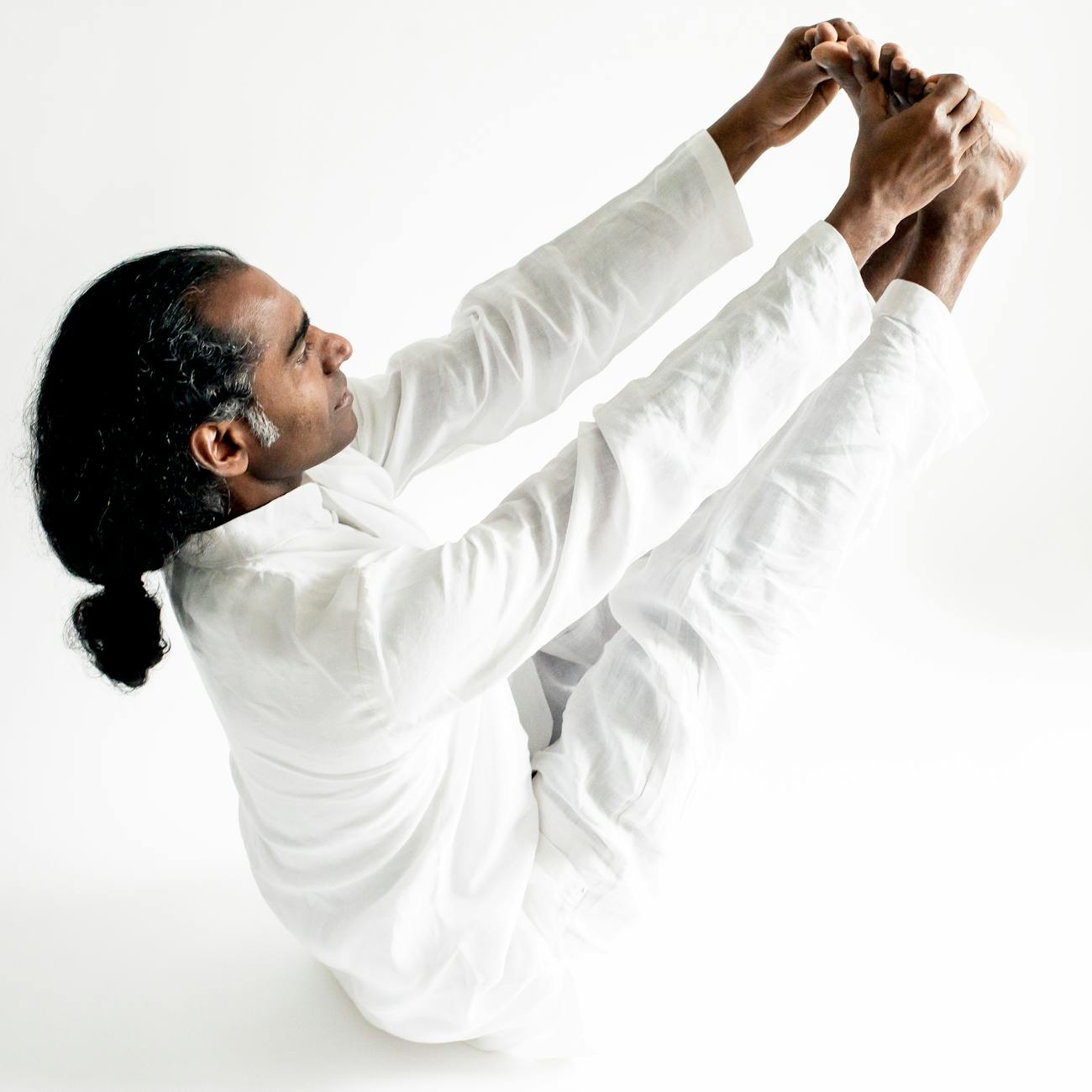
Mindfulness Techniques for ADHD
Professional Certificate in Yoga and ADHD
Mindfulness Techniques: Mindfulness techniques are practices that involve focusing one's attention on the present moment, without judgment. These techniques can help individuals with ADHD improve their ability to stay focused, manage impulsivity, and regulate emotions.
One popular mindfulness technique is mindful breathing, where individuals focus on their breath as a way to anchor themselves in the present moment. Another technique is body scan meditation, where individuals systematically focus on different parts of their body, noticing any sensations without judgment.
By practicing mindfulness techniques regularly, individuals with ADHD can develop greater self-awareness, improve their ability to concentrate, and reduce stress and anxiety.
ADHD: ADHD stands for Attention Deficit Hyperactivity Disorder, a neurodevelopmental disorder characterized by symptoms such as inattention, hyperactivity, and impulsivity. Individuals with ADHD often struggle with staying focused, completing tasks, and regulating their emotions.
ADHD can impact various aspects of an individual's life, including school, work, and relationships. It is important for individuals with ADHD to develop coping strategies and techniques to help manage their symptoms and improve their quality of life.
Yoga: Yoga is a mind-body practice that combines physical postures, breathing exercises, and meditation. It has been shown to have numerous benefits for both physical and mental health, including reducing stress, improving flexibility, and enhancing mindfulness.
In the context of ADHD, yoga can be a valuable tool for individuals to improve their focus, concentration, and self-regulation. By incorporating yoga into their routine, individuals with ADHD can experience greater calmness, clarity, and emotional stability.
Benefits of Mindfulness Techniques for ADHD: There are several benefits of using mindfulness techniques for individuals with ADHD. These include:
1. Improved Focus: Mindfulness techniques can help individuals with ADHD improve their ability to stay focused and attentive, by training their minds to stay present and engaged.
2. Reduced Impulsivity: Mindfulness techniques can help individuals with ADHD become more aware of their thoughts and emotions, allowing them to respond to situations in a more controlled and thoughtful manner.
3. Enhanced Self-Regulation: By practicing mindfulness techniques, individuals with ADHD can develop greater self-awareness and emotional regulation, helping them manage their impulses and reactions more effectively.
4. Stress Reduction: Mindfulness techniques can help individuals with ADHD reduce stress and anxiety, by promoting a sense of calm and relaxation in the body and mind.
5. Improved Cognitive Function: Mindfulness techniques have been shown to enhance cognitive function, including memory, attention, and problem-solving skills, which can benefit individuals with ADHD in various aspects of their lives.
Practical Applications of Mindfulness Techniques for ADHD: There are many practical ways to incorporate mindfulness techniques into daily life for individuals with ADHD. Some examples include:
1. Mindful Breathing: Taking a few moments each day to focus on your breath can help you center yourself and improve your ability to concentrate.
2. Body Scan Meditation: Practicing body scan meditation before bed can help you relax and unwind, preparing your mind and body for sleep.
3. Mindful Eating: Paying attention to the taste, texture, and sensation of each bite of food can help you cultivate mindfulness and improve your relationship with eating.
4. Mindful Walking: Taking a mindful walk in nature can help you connect with your surroundings and reduce stress and anxiety.
5. Mindful Journaling: Writing down your thoughts and feelings in a journal can help you process your emotions and gain insight into your mental state.
Challenges of Mindfulness Techniques for ADHD: While mindfulness techniques can be beneficial for individuals with ADHD, there are also some challenges to consider. These include:
1. Difficulty with Consistency: Individuals with ADHD may struggle to maintain a consistent mindfulness practice, due to impulsivity and distractibility.
2. Overwhelm: Some individuals with ADHD may find mindfulness techniques overwhelming, especially if they have difficulty sitting still or quieting their minds.
3. Patience: Developing mindfulness skills takes time and patience, which can be challenging for individuals with ADHD who are used to instant gratification.
4. Perfectionism: Individuals with ADHD may feel pressure to "do mindfulness right," leading to frustration and self-criticism if they do not see immediate results.
5. Finding the Right Technique: Not all mindfulness techniques work for everyone, so it may take some trial and error to find the right practice that resonates with you.
Conclusion: In conclusion, mindfulness techniques can be valuable tools for individuals with ADHD to improve their focus, self-regulation, and overall well-being. By incorporating mindfulness practices into their daily routine, individuals with ADHD can experience greater calmness, clarity, and emotional stability. While there may be challenges along the way, the benefits of mindfulness techniques for ADHD are well worth the effort.
Key takeaways
- Mindfulness Techniques: Mindfulness techniques are practices that involve focusing one's attention on the present moment, without judgment.
- Another technique is body scan meditation, where individuals systematically focus on different parts of their body, noticing any sensations without judgment.
- By practicing mindfulness techniques regularly, individuals with ADHD can develop greater self-awareness, improve their ability to concentrate, and reduce stress and anxiety.
- ADHD: ADHD stands for Attention Deficit Hyperactivity Disorder, a neurodevelopmental disorder characterized by symptoms such as inattention, hyperactivity, and impulsivity.
- It is important for individuals with ADHD to develop coping strategies and techniques to help manage their symptoms and improve their quality of life.
- It has been shown to have numerous benefits for both physical and mental health, including reducing stress, improving flexibility, and enhancing mindfulness.
- By incorporating yoga into their routine, individuals with ADHD can experience greater calmness, clarity, and emotional stability.