
International Trade Law
International Trade Law is a complex and dynamic area of law that governs the exchange of goods and services between countries. It is crucial for businesses and governments to understand the rules and regulations that govern international t…
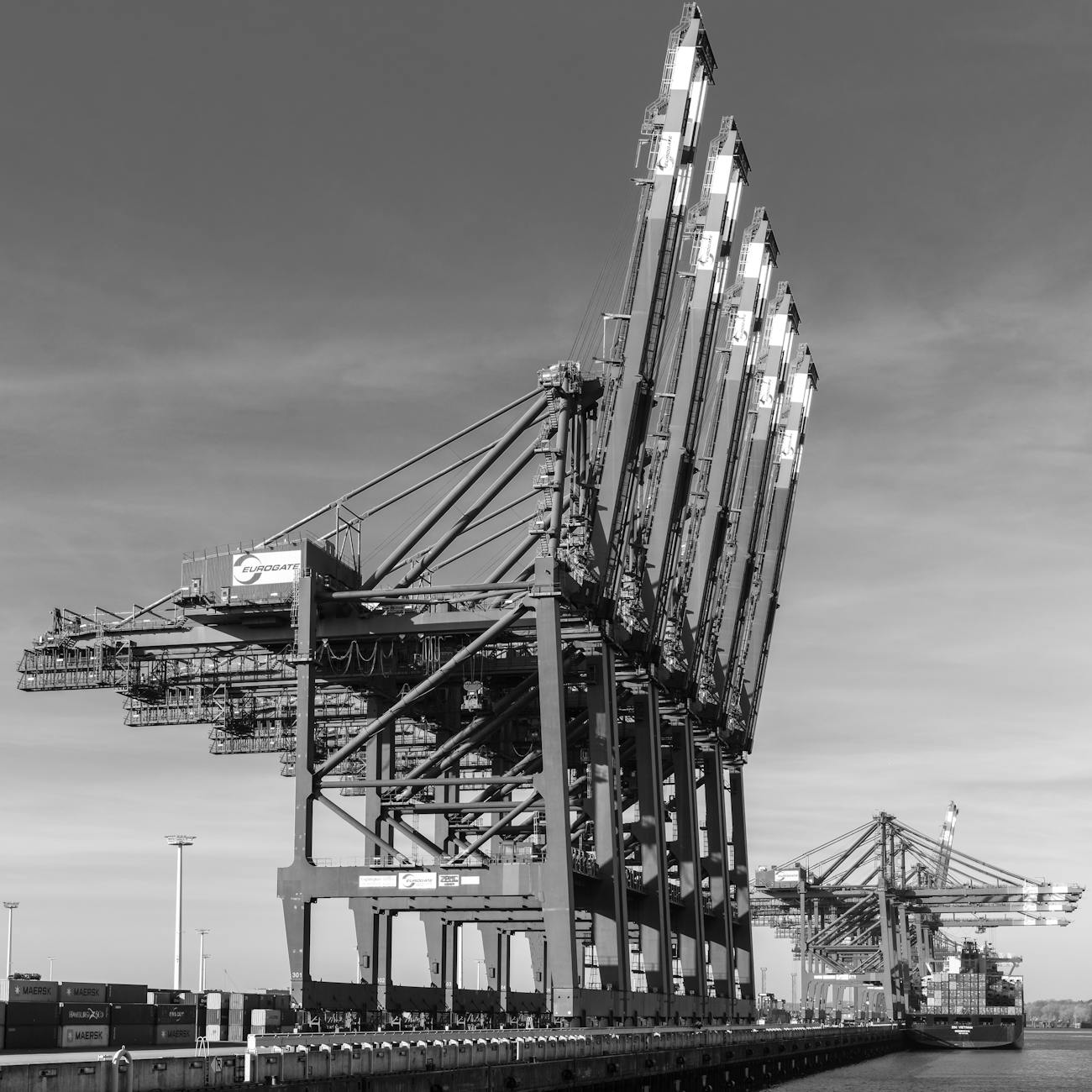
International Trade Law is a complex and dynamic area of law that governs the exchange of goods and services between countries. It is crucial for businesses and governments to understand the rules and regulations that govern international trade to ensure compliance and mitigate risks. This course on Professional Certificate in International Legal Translation provides a comprehensive overview of key terms and vocabulary in International Trade Law to equip students with the necessary knowledge and skills to translate legal documents accurately and effectively. In this explanation, we will delve into essential concepts and terminology in International Trade Law, including trade agreements, tariffs, trade remedies, WTO rules, customs regulations, sanctions, and dispute resolution mechanisms.
Trade Agreements Trade agreements are treaties between countries that govern the terms and conditions of trade between them. These agreements can cover a wide range of issues, including tariffs, quotas, intellectual property rights, and dispute resolution mechanisms. Examples of trade agreements include the North American Free Trade Agreement (NAFTA), the European Union (EU), and the World Trade Organization (WTO).
Tariffs Tariffs are taxes imposed on imported goods by a country's government. They are used to protect domestic industries from foreign competition, raise revenue for the government, and regulate trade. Tariffs can be ad valorem (based on a percentage of the value of the goods) or specific (based on a fixed amount per unit). For example, the United States recently imposed tariffs on steel and aluminum imports from several countries to protect its domestic steel industry.
Trade Remedies Trade remedies are measures that countries can take to address unfair trade practices, such as dumping (selling goods below market value) and subsidies. Common trade remedies include anti-dumping duties, countervailing duties, and safeguards. These measures aim to level the playing field for domestic industries and ensure fair competition in the global marketplace.
WTO Rules The WTO is an international organization that sets the rules for international trade and resolves disputes between its member countries. It operates on the principles of non-discrimination, transparency, and predictability. The WTO's agreements cover trade in goods, services, and intellectual property, as well as dispute settlement mechanisms. For example, the WTO's Agreement on Agriculture regulates subsidies and tariffs in the agricultural sector.
Customs Regulations Customs regulations are laws and procedures that govern the import and export of goods across international borders. These regulations include requirements for customs declarations, valuation of goods, classification of goods, and payment of duties and taxes. Customs authorities play a crucial role in enforcing these regulations and preventing illegal trade activities, such as smuggling and counterfeiting.
Sanctions Sanctions are measures imposed by one country or group of countries against another country to achieve a specific political or economic objective. Sanctions can include trade restrictions, financial sanctions, travel bans, and arms embargoes. For example, the United Nations Security Council imposed sanctions on North Korea to pressure the country to denuclearize.
Dispute Resolution Mechanisms Dispute resolution mechanisms are processes for resolving disagreements between countries or parties in international trade. These mechanisms can be judicial (e.g., through the WTO's Dispute Settlement Body) or non-judicial (e.g., through mediation or arbitration). The goal of dispute resolution is to provide a fair and efficient way to settle disputes and maintain the stability of the global trading system.
In conclusion, International Trade Law is a multifaceted field that requires a deep understanding of key terms and concepts to navigate the complexities of international trade. By mastering the vocabulary and principles of International Trade Law, students in the Professional Certificate in International Legal Translation course will be well-equipped to translate legal documents accurately and effectively in this specialized area of law.
Key takeaways
- It is crucial for businesses and governments to understand the rules and regulations that govern international trade to ensure compliance and mitigate risks.
- Examples of trade agreements include the North American Free Trade Agreement (NAFTA), the European Union (EU), and the World Trade Organization (WTO).
- For example, the United States recently imposed tariffs on steel and aluminum imports from several countries to protect its domestic steel industry.
- Trade Remedies Trade remedies are measures that countries can take to address unfair trade practices, such as dumping (selling goods below market value) and subsidies.
- WTO Rules The WTO is an international organization that sets the rules for international trade and resolves disputes between its member countries.
- Customs authorities play a crucial role in enforcing these regulations and preventing illegal trade activities, such as smuggling and counterfeiting.
- Sanctions Sanctions are measures imposed by one country or group of countries against another country to achieve a specific political or economic objective.