
child development and special needs
Child development is a complex and fascinating field that involves understanding how children grow, learn, and interact with the world around them. When working with children who have special needs, it is crucial to have a solid understandi…
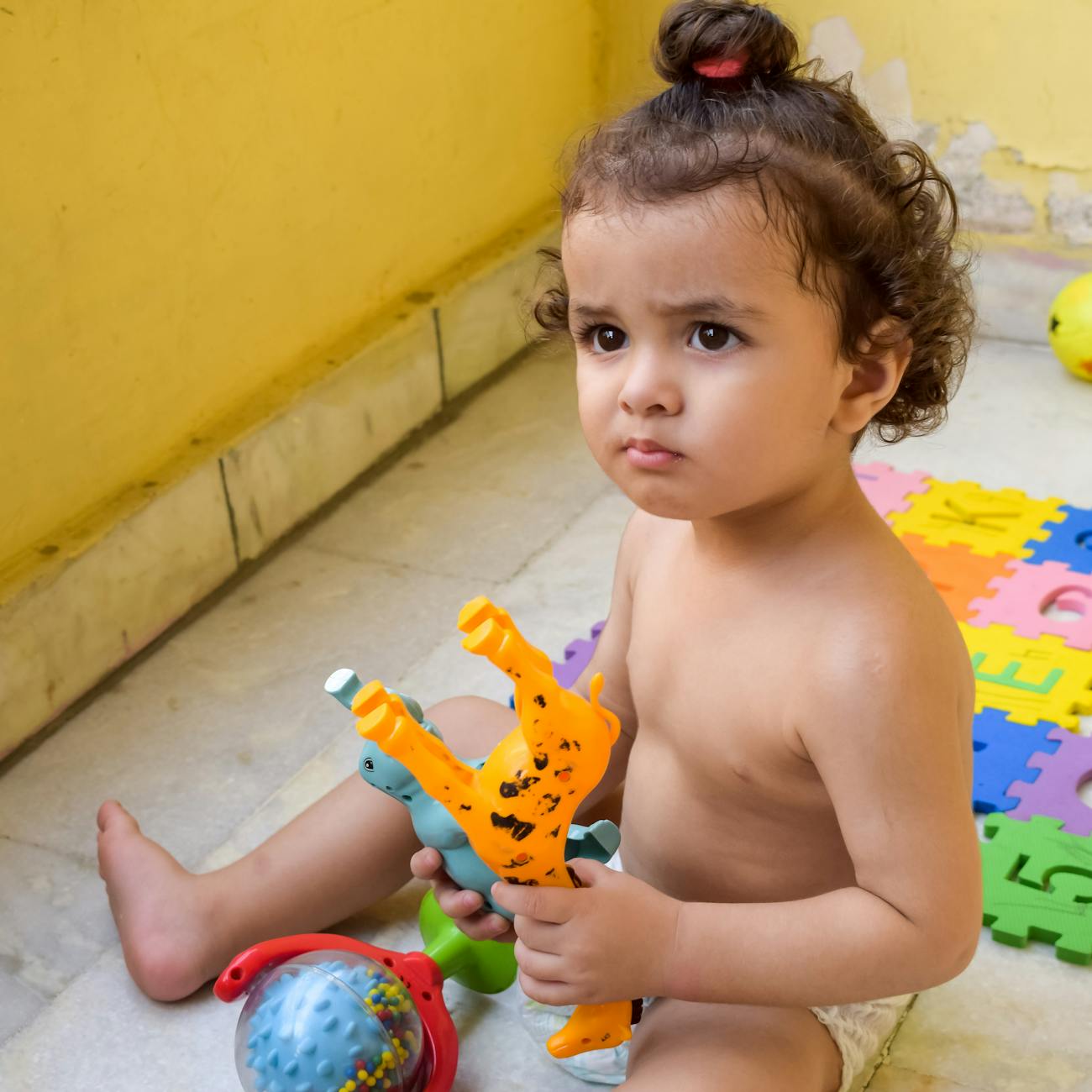
Child development is a complex and fascinating field that involves understanding how children grow, learn, and interact with the world around them. When working with children who have special needs, it is crucial to have a solid understanding of key terms and vocabulary related to child development. In this course, we will explore these concepts in depth to better equip you with the knowledge and skills needed to support children with special needs through play therapy.
Let's start by defining some essential terms in child development and special needs:
1. **Child Development**: Child development refers to the process through which children grow and mature physically, cognitively, emotionally, and socially. It involves the sequential and predictable changes that occur from infancy through adolescence.
2. **Special Needs**: Special needs is a term used to describe individuals who require assistance or support due to physical, intellectual, emotional, or behavioral differences. These differences may impact a child's ability to function in daily life or participate in typical activities.
3. **Play Therapy**: Play therapy is a therapeutic approach that uses play to help children express their thoughts, feelings, and experiences. It allows children to communicate in their natural language and work through challenges in a safe and supportive environment.
4. **Developmental Milestones**: Developmental milestones are skills or behaviors that most children achieve by a certain age. They serve as benchmarks for typical development and can vary in different areas such as motor skills, language, and social-emotional development.
5. **Early Intervention**: Early intervention refers to services and support provided to young children who are at risk for or have developmental delays or disabilities. The goal is to address challenges early to promote optimal development and improve outcomes.
6. **Inclusion**: Inclusion is the practice of ensuring that all children, including those with special needs, have the opportunity to participate in the same activities and settings as their typically developing peers. It promotes acceptance, diversity, and equal access to education and social experiences.
7. **Individualized Education Plan (IEP)**: An IEP is a personalized plan developed for students with special needs to outline their specific educational goals, services, and accommodations. It is designed to support the child's unique needs and promote academic success.
8. **Sensory Processing Disorder (SPD)**: SPD is a condition in which the brain has difficulty processing sensory information from the environment. Children with SPD may be over-responsive or under-responsive to sensory stimuli, leading to challenges in regulating their behavior and emotions.
9. **Autism Spectrum Disorder (ASD)**: ASD is a complex neurodevelopmental disorder that affects communication, social interaction, and behavior. It is characterized by a range of symptoms and levels of severity, making each individual unique in their strengths and challenges.
10. **Attention-Deficit/Hyperactivity Disorder (ADHD)**: ADHD is a common neurodevelopmental disorder that affects a child's ability to focus, control impulses, and regulate behavior. Children with ADHD may have difficulty paying attention, staying organized, and following instructions.
11. **Intellectual Disability**: Intellectual disability is a condition characterized by limitations in intellectual functioning and adaptive behavior. It affects a child's ability to learn, communicate, and navigate daily activities, requiring ongoing support and intervention.
12. **Behavioral Challenges**: Behavioral challenges refer to difficulties in managing emotions, impulses, or social interactions. Children with special needs may exhibit challenging behaviors due to communication deficits, sensory sensitivities, or other underlying factors.
13. **Attachment**: Attachment is a deep emotional bond between a child and their primary caregiver. It plays a critical role in shaping a child's social and emotional development, influencing their sense of security, trust, and self-regulation.
14. **Trauma**: Trauma refers to experiences that overwhelm a child's ability to cope, leading to intense emotional reactions and lasting effects on their well-being. Trauma can result from various sources, such as abuse, neglect, accidents, or natural disasters.
15. **Resilience**: Resilience is the ability to adapt and bounce back from adversity or stressful situations. It involves coping skills, social support, and positive relationships that help children overcome challenges and thrive despite adversity.
Now that we have defined these key terms, let's explore how they relate to play therapy for children with special needs and the implications for practice:
1. **Understanding Developmental Milestones**: In play therapy, it is essential to consider a child's developmental stage and abilities to tailor interventions effectively. By understanding typical developmental milestones, therapists can set appropriate goals, select suitable activities, and monitor progress over time.
2. **Adapting Play Therapy Techniques**: Children with special needs may have unique communication styles, sensory preferences, or behavioral challenges that require adaptations in play therapy techniques. Therapists can modify activities, materials, and strategies to accommodate individual differences and support meaningful engagement.
3. **Promoting Social Inclusion**: Play therapy can be a powerful tool for promoting social inclusion and acceptance of children with special needs. By creating inclusive play environments and facilitating peer interactions, therapists can help children develop social skills, empathy, and a sense of belonging.
4. **Collaborating with Families and Educators**: Collaboration with families and educators is essential in supporting children with special needs through play therapy. By sharing insights, setting goals together, and aligning strategies across settings, therapists can enhance consistency, communication, and support for the child's development.
5. **Addressing Sensory Needs**: Sensory processing challenges can significantly impact a child's ability to engage in play therapy effectively. Therapists can create sensory-friendly environments, offer sensory-based activities, and incorporate sensory regulation strategies to support children with SPD or other sensory sensitivities.
6. **Tailoring Interventions for Autism and ADHD**: Children with ASD or ADHD may benefit from play therapy interventions that address their unique strengths and challenges. Therapists can use visual supports, structured routines, and sensory tools to promote engagement, self-regulation, and social communication skills in these populations.
7. **Supporting Emotional Regulation**: Children with special needs often struggle with emotional regulation due to underlying difficulties in processing emotions or managing stress. Play therapy can provide a safe space for children to express and regulate their emotions through creative play, storytelling, or role-playing activities.
8. **Building Attachment and Trust**: Play therapy offers opportunities for building secure attachments and trust between children and therapists. By providing a nurturing and responsive therapeutic relationship, therapists can support children in developing healthy attachments, building resilience, and healing from past traumas.
9. **Promoting Positive Behavior Change**: Play therapy can be an effective tool for addressing challenging behaviors in children with special needs. Therapists can use play-based interventions to teach coping skills, problem-solving strategies, and alternative ways of expressing emotions, leading to positive behavior change and improved self-control.
10. **Celebrating Strengths and Achievements**: It is essential to recognize and celebrate the strengths, progress, and achievements of children with special needs in play therapy. By focusing on their abilities, interests, and unique qualities, therapists can empower children, boost their self-esteem, and promote a sense of competence and mastery.
In conclusion, a thorough understanding of key terms and concepts in child development and special needs is vital for effectively supporting children with special needs through play therapy. By applying this knowledge in practice, therapists can create meaningful and impactful interventions that promote growth, resilience, and well-being in children with diverse abilities and challenges.
Key takeaways
- In this course, we will explore these concepts in depth to better equip you with the knowledge and skills needed to support children with special needs through play therapy.
- **Child Development**: Child development refers to the process through which children grow and mature physically, cognitively, emotionally, and socially.
- **Special Needs**: Special needs is a term used to describe individuals who require assistance or support due to physical, intellectual, emotional, or behavioral differences.
- **Play Therapy**: Play therapy is a therapeutic approach that uses play to help children express their thoughts, feelings, and experiences.
- They serve as benchmarks for typical development and can vary in different areas such as motor skills, language, and social-emotional development.
- **Early Intervention**: Early intervention refers to services and support provided to young children who are at risk for or have developmental delays or disabilities.
- **Inclusion**: Inclusion is the practice of ensuring that all children, including those with special needs, have the opportunity to participate in the same activities and settings as their typically developing peers.