
Building structure maintenance
Building Structure Maintenance is a crucial aspect of property management in the hospitality industry. It involves the regular upkeep, repair, and inspection of the physical components of a building to ensure its safety, functionality, and …
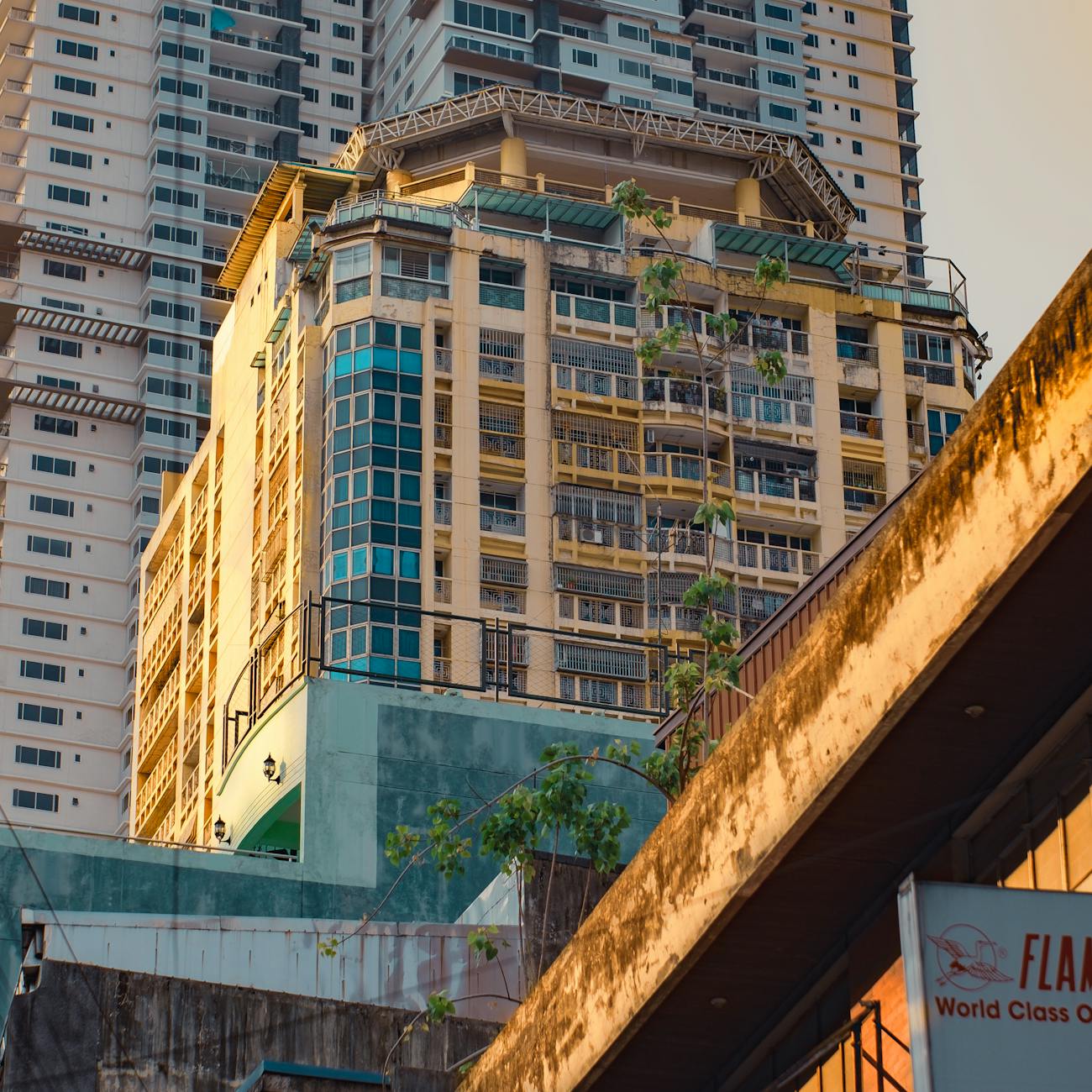
Building Structure Maintenance is a crucial aspect of property management in the hospitality industry. It involves the regular upkeep, repair, and inspection of the physical components of a building to ensure its safety, functionality, and longevity. Effective maintenance practices not only enhance the guest experience but also protect the property owner's investment in the long run.
Key Terms:
1. Preventive Maintenance: Preventive maintenance involves regular inspections and repairs to prevent equipment or building components from failing. It helps in identifying potential issues before they escalate into costly repairs or replacements. Examples of preventive maintenance include routine HVAC system checks, roof inspections, and plumbing maintenance.
2. Reactive Maintenance: Reactive maintenance refers to fixing issues as they arise. This approach is often more expensive and disruptive than preventive maintenance since it involves addressing problems after they have already impacted operations. Examples of reactive maintenance include fixing a leaky pipe or repairing a broken window.
3. Building Envelope: The building envelope refers to the physical separation between the interior and exterior environments of a building. It includes the walls, roof, windows, doors, and foundation. Maintaining the building envelope is essential to protect the structure from water intrusion, air leakage, and other weather-related damage.
4. HVAC System: HVAC stands for Heating, Ventilation, and Air Conditioning. The HVAC system regulates the temperature, humidity, and air quality within a building. Regular maintenance of the HVAC system is crucial to ensure efficient operation, prevent breakdowns, and extend its lifespan.
5. Fire Safety Systems: Fire safety systems include fire alarms, sprinkler systems, fire extinguishers, and emergency lighting. These systems are designed to detect and suppress fires to protect occupants and property. Regular inspections and testing of fire safety systems are essential to ensure their proper functioning in case of an emergency.
6. Structural Integrity: Structural integrity refers to the ability of a building's structure to withstand external forces and maintain its stability over time. Regular inspections of the foundation, walls, floors, and roof are necessary to identify any signs of structural issues such as cracks, settlement, or corrosion.
7. Code Compliance: Building codes are regulations that set minimum standards for the design, construction, and maintenance of buildings to ensure the safety and welfare of occupants. Property managers must ensure that their building meets all relevant building codes and regulations to avoid fines, penalties, or legal liabilities.
8. Energy Efficiency: Energy efficiency measures aim to reduce energy consumption and operating costs while minimizing the environmental impact of a building. Upgrading to energy-efficient lighting, appliances, and HVAC systems can significantly lower utility bills and improve the sustainability of a property.
9. Sustainability: Sustainability refers to the practice of meeting the needs of the present without compromising the ability of future generations to meet their own needs. Property managers can implement sustainable practices such as recycling, water conservation, and energy-efficient upgrades to reduce the environmental footprint of their building.
10. Capital Expenditures: Capital expenditures are investments made in a property to maintain or improve its long-term value. Examples of capital expenditures in building maintenance include roof replacements, HVAC system upgrades, and façade repairs. Property managers must budget for capital expenditures to ensure the continued upkeep of their property.
Practical Applications:
1. Regular Inspections: Schedule routine inspections of the building structure, HVAC system, fire safety systems, and other critical components to identify any maintenance issues early on. Create a checklist of items to inspect and document any findings for future reference.
2. Maintenance Scheduling: Develop a maintenance schedule that outlines when specific tasks need to be completed, such as changing air filters, inspecting fire alarms, or cleaning gutters. Use a maintenance management software to track work orders, assign tasks to staff, and monitor progress.
3. Vendor Management: Work with qualified contractors, technicians, and service providers to perform maintenance tasks that require specialized skills or equipment. Establish relationships with reliable vendors and ensure they meet all licensing and insurance requirements.
4. Budget Planning: Create a maintenance budget that allocates funds for routine maintenance, preventive repairs, and capital expenditures. Monitor expenses regularly and adjust the budget as needed to address unexpected maintenance issues or changes in priorities.
Challenges:
1. Budget Constraints: Limited financial resources can restrict the ability to perform necessary maintenance tasks or invest in long-term improvements. Property managers must prioritize maintenance needs based on their budget and seek cost-effective solutions to address critical issues.
2. Staffing Shortages: A shortage of skilled maintenance staff can lead to delays in addressing maintenance issues and increase the risk of equipment failures or building damage. Property managers may need to outsource certain maintenance tasks or invest in training programs to develop their team's skills.
3. Compliance Requirements: Staying up to date with building codes, regulations, and industry standards can be challenging, especially as they frequently change or vary by location. Property managers must invest time and resources in staying informed about compliance requirements and ensuring their building meets all necessary standards.
4. Emergency Preparedness: Unexpected events such as natural disasters, fires, or equipment failures can disrupt operations and pose safety risks to occupants. Property managers should have emergency response plans in place to address these situations promptly and minimize the impact on guests and staff.
In conclusion, Building Structure Maintenance is a multifaceted discipline that requires proactive planning, diligent execution, and continuous improvement. By implementing preventive maintenance strategies, complying with building codes, and prioritizing sustainability, property managers can ensure the safety, functionality, and longevity of their building while enhancing the guest experience and protecting their investment.
Key takeaways
- It involves the regular upkeep, repair, and inspection of the physical components of a building to ensure its safety, functionality, and longevity.
- Preventive Maintenance: Preventive maintenance involves regular inspections and repairs to prevent equipment or building components from failing.
- This approach is often more expensive and disruptive than preventive maintenance since it involves addressing problems after they have already impacted operations.
- Maintaining the building envelope is essential to protect the structure from water intrusion, air leakage, and other weather-related damage.
- Regular maintenance of the HVAC system is crucial to ensure efficient operation, prevent breakdowns, and extend its lifespan.
- Regular inspections and testing of fire safety systems are essential to ensure their proper functioning in case of an emergency.
- Regular inspections of the foundation, walls, floors, and roof are necessary to identify any signs of structural issues such as cracks, settlement, or corrosion.