
Mindfulness Practices for Anxiety Reduction
Mindfulness Practices for Anxiety Reduction
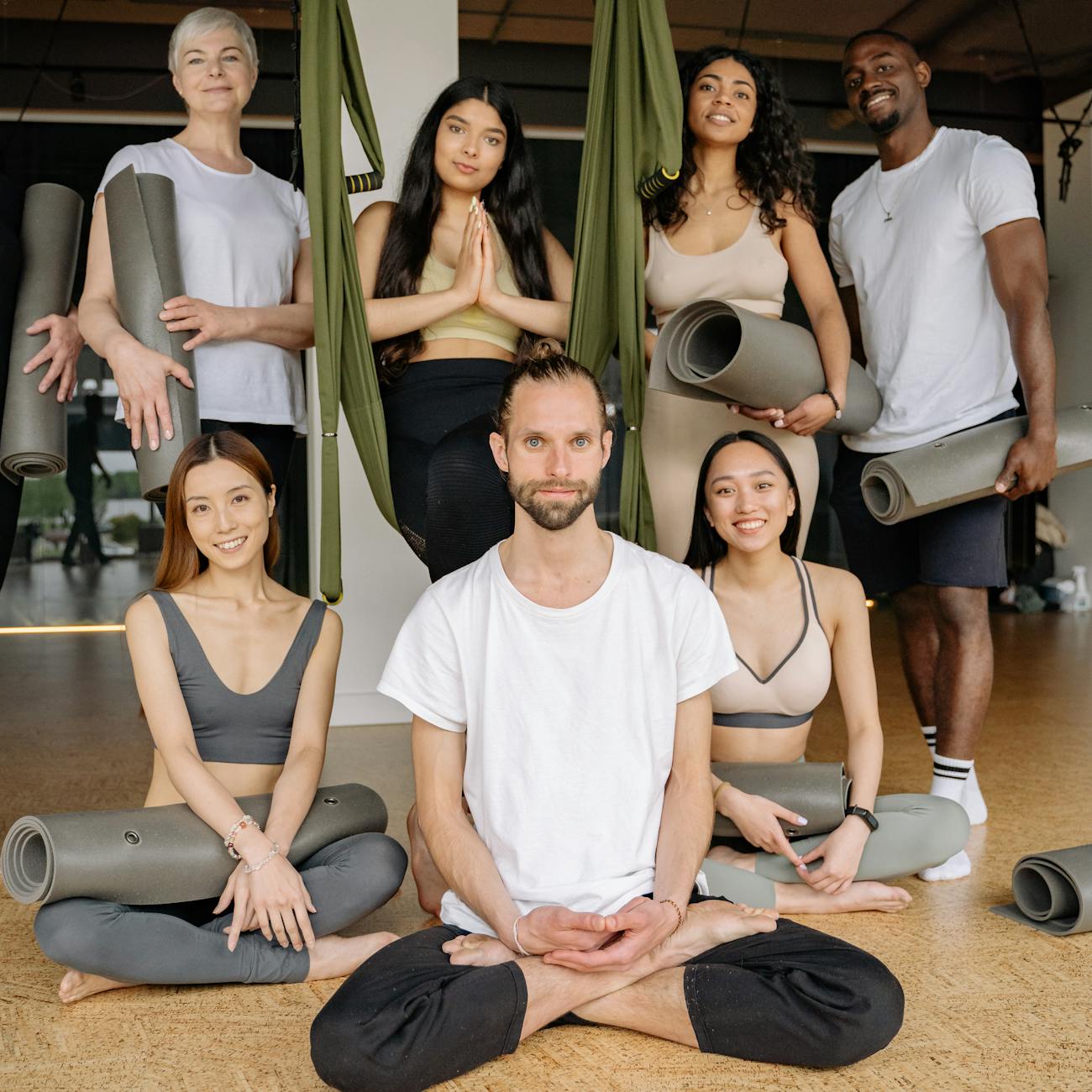
Mindfulness Practices for Anxiety Reduction
Mindfulness is the practice of being fully present and engaged in the moment, without judgment or attachment to thoughts or emotions. It involves paying attention to the present moment with openness, curiosity, and acceptance. Mindfulness practices can help reduce anxiety by allowing individuals to observe their thoughts and feelings without getting caught up in them. By cultivating a mindful awareness of their experiences, individuals can learn to respond to stressors in a more skillful and calm manner.
Anxiety is a common mental health condition characterized by feelings of worry, fear, or unease that are often accompanied by physical symptoms such as rapid heartbeat, sweating, and trembling. Anxiety disorders are a group of mental illnesses that cause significant distress and impairment in daily functioning. They can range from generalized anxiety disorder (GAD) to panic disorder, phobias, and social anxiety disorder.
Yoga is a mind-body practice that combines physical postures, breathing exercises, and meditation to promote relaxation and reduce stress. Yoga has been shown to have numerous benefits for mental health, including reducing anxiety symptoms, improving mood, and enhancing overall well-being. Meditation is a practice that involves focusing the mind on a particular object, thought, or activity to achieve a state of mental clarity and emotional calmness.
Professional Certificate in Yoga and Meditation for Anxiety Disorders
The Professional Certificate in Yoga and Meditation for Anxiety Disorders is a specialized training program designed to teach professionals how to use yoga and meditation techniques to help individuals with anxiety disorders. This certificate program provides in-depth knowledge of the principles and practices of yoga and meditation, as well as specific strategies for working with clients who have anxiety.
Key Terms and Vocabulary
1. Anxiety: A feeling of worry, fear, or unease that is often accompanied by physical symptoms such as rapid heartbeat, sweating, and trembling.
2. Mindfulness: The practice of being fully present and engaged in the moment, without judgment or attachment to thoughts or emotions.
3. Yoga: A mind-body practice that combines physical postures, breathing exercises, and meditation to promote relaxation and reduce stress.
4. Meditation: A practice that involves focusing the mind on a particular object, thought, or activity to achieve a state of mental clarity and emotional calmness.
5. Anxiety Disorders: A group of mental illnesses that cause significant distress and impairment in daily functioning, including generalized anxiety disorder, panic disorder, phobias, and social anxiety disorder.
6. Stress: A physiological response to a perceived threat or challenge that can manifest as physical, emotional, or mental tension.
7. Relaxation Techniques: Strategies such as deep breathing, progressive muscle relaxation, and visualization that promote a state of calmness and reduce anxiety.
8. Cognitive Behavioral Therapy (CBT): A type of psychotherapy that helps individuals identify and change negative thought patterns and behaviors that contribute to anxiety.
9. Self-Compassion: Treating oneself with kindness, understanding, and acceptance in times of difficulty or suffering.
10. Emotional Regulation: The ability to manage and respond to emotions in a healthy and adaptive way.
11. Grounding Techniques: Practices that help individuals stay connected to the present moment and their physical surroundings when feeling anxious or overwhelmed.
12. Body Scan Meditation: A mindfulness practice that involves systematically focusing on different parts of the body to promote relaxation and awareness.
13. Gratitude Practice: A technique that involves reflecting on and expressing gratitude for the positive aspects of one's life to cultivate a sense of well-being.
14. Awareness of Breath: A simple mindfulness practice that involves focusing on the sensation of breathing to anchor oneself in the present moment.
15. Acceptance and Commitment Therapy (ACT): A type of psychotherapy that helps individuals accept their thoughts and feelings while committing to actions that align with their values.
16. Mantra Meditation: A practice that involves repeating a word, phrase, or sound to focus the mind and cultivate a sense of calmness and concentration.
17. Visualization: A technique that involves creating mental images of peaceful or positive scenarios to reduce anxiety and promote relaxation.
18. Compassion Meditation: A practice that involves cultivating feelings of compassion and kindness toward oneself and others to enhance emotional well-being.
19. Walking Meditation: A mindfulness practice that involves walking slowly and deliberately while paying attention to the sensations of movement and the environment.
20. Progressive Muscle Relaxation: A technique that involves tensing and relaxing different muscle groups to release physical tension and promote relaxation.
Practical Applications
1. Incorporating mindfulness practices such as awareness of breath and body scan meditation into daily routines can help individuals manage anxiety symptoms and cultivate a sense of calmness.
2. Yoga postures and breathing exercises can be used as tools to reduce stress and promote relaxation, both in formal practice sessions and as quick stress-relief techniques throughout the day.
3. Meditation practices like mantra meditation and visualization can help individuals focus their minds, reduce ruminative thinking, and create a sense of inner peace.
4. Grounding techniques such as focusing on the five senses or engaging in physical activities can help individuals stay connected to the present moment and alleviate feelings of anxiety or dissociation.
5. Self-compassion practices, such as loving-kindness meditation and gratitude reflection, can foster a sense of emotional well-being and resilience in the face of anxiety.
Challenges
1. Resistance to mindfulness practices: Some individuals may find it challenging to stay present and non-judgmental when practicing mindfulness, especially if they are used to being caught up in anxious thoughts or emotions.
2. Lack of consistency: Maintaining a regular practice of yoga and meditation can be difficult for some individuals, especially when faced with busy schedules or competing priorities.
3. Overwhelm with emotions: Engaging in mindfulness practices can sometimes bring up intense emotions or memories that individuals may find distressing or overwhelming.
4. Finding the right techniques: Not all mindfulness practices work the same way for everyone. It may take time and experimentation to find the techniques that resonate with an individual and effectively reduce their anxiety.
5. Integrating mindfulness into daily life: Applying mindfulness principles and practices to real-life situations can be challenging for some individuals, especially when faced with high-stress or triggering circumstances.
Overall, the Professional Certificate in Yoga and Meditation for Anxiety Disorders provides a comprehensive training program for professionals seeking to help individuals with anxiety disorders through the use of mindfulness practices. By understanding the key terms and vocabulary associated with anxiety reduction techniques, professionals can better support their clients in managing their symptoms and improving their overall well-being.
Key takeaways
- Mindfulness practices can help reduce anxiety by allowing individuals to observe their thoughts and feelings without getting caught up in them.
- Anxiety is a common mental health condition characterized by feelings of worry, fear, or unease that are often accompanied by physical symptoms such as rapid heartbeat, sweating, and trembling.
- Meditation is a practice that involves focusing the mind on a particular object, thought, or activity to achieve a state of mental clarity and emotional calmness.
- The Professional Certificate in Yoga and Meditation for Anxiety Disorders is a specialized training program designed to teach professionals how to use yoga and meditation techniques to help individuals with anxiety disorders.
- Anxiety: A feeling of worry, fear, or unease that is often accompanied by physical symptoms such as rapid heartbeat, sweating, and trembling.
- Mindfulness: The practice of being fully present and engaged in the moment, without judgment or attachment to thoughts or emotions.
- Yoga: A mind-body practice that combines physical postures, breathing exercises, and meditation to promote relaxation and reduce stress.