
Supply chain management in the oil and gas industry
Supply chain management in the oil and gas industry is a complex and critical process that involves the management of various activities, resources, and stakeholders to ensure the seamless flow of goods, services, and information from the p…
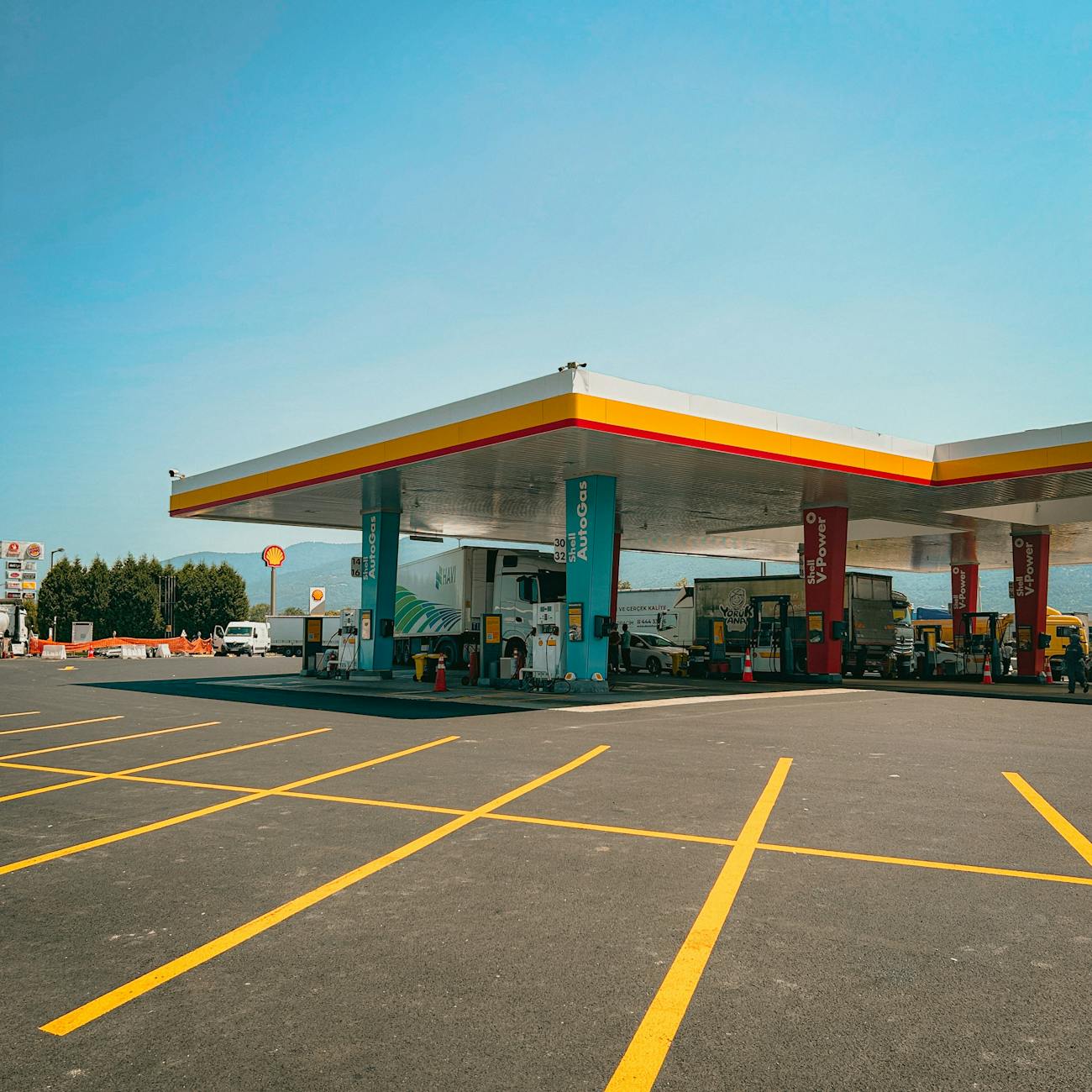
Supply chain management in the oil and gas industry is a complex and critical process that involves the management of various activities, resources, and stakeholders to ensure the seamless flow of goods, services, and information from the point of production to the point of consumption. This field plays a vital role in the success and efficiency of oil and gas operations, as well as in the overall profitability of companies operating in this sector. In this course, we will explore key terms and vocabulary related to supply chain management in the oil and gas industry to provide you with a comprehensive understanding of this dynamic and challenging field.
**Supply Chain Management**: Supply chain management (SCM) is the strategic coordination of all activities involved in the sourcing, procurement, production, and distribution of goods and services. In the oil and gas industry, SCM plays a crucial role in ensuring the timely delivery of raw materials, equipment, and services to support exploration, production, refining, and distribution operations.
**Logistics**: Logistics refers to the process of planning, implementing, and controlling the efficient and cost-effective flow of goods, services, and information from the point of origin to the point of consumption. In the oil and gas industry, logistics are essential for transporting equipment, personnel, and materials to remote and challenging locations, such as offshore drilling platforms or oil sands extraction sites.
**Procurement**: Procurement is the process of acquiring goods, services, or works from external sources. In the oil and gas industry, procurement involves sourcing equipment, materials, and services from suppliers around the world to support exploration, production, and refining activities. Effective procurement practices are essential for ensuring the quality, availability, and cost-effectiveness of critical resources.
**Inventory Management**: Inventory management involves the planning, monitoring, and control of stock levels to ensure optimal availability of materials and supplies while minimizing carrying costs and stockouts. In the oil and gas industry, inventory management is crucial for maintaining adequate supplies of spare parts, equipment, and consumables to support uninterrupted operations.
**Supply Chain Network**: The supply chain network refers to the interconnected system of suppliers, manufacturers, distributors, and customers involved in the production and distribution of goods and services. In the oil and gas industry, the supply chain network can be extensive and complex, with multiple stakeholders and dependencies across different regions and countries.
**Demand Forecasting**: Demand forecasting is the process of predicting future demand for products or services based on historical data, market trends, and other factors. In the oil and gas industry, demand forecasting is essential for planning production schedules, inventory levels, and resource allocation to meet the needs of customers and avoid shortages or overstocks.
**Contract Management**: Contract management involves the negotiation, execution, and administration of contracts with suppliers, vendors, and service providers. In the oil and gas industry, contract management is critical for establishing clear terms and conditions, managing risks, and ensuring compliance with regulatory requirements to support efficient and effective supply chain operations.
**Risk Management**: Risk management involves identifying, assessing, and mitigating potential risks that could impact the performance, cost, or schedule of supply chain activities. In the oil and gas industry, risk management is essential for addressing geopolitical uncertainties, market fluctuations, natural disasters, and other external factors that could disrupt supply chain operations and threaten the continuity of business operations.
**Quality Management**: Quality management focuses on ensuring that products, services, and processes meet or exceed the expectations of customers and stakeholders. In the oil and gas industry, quality management is essential for maintaining the integrity, safety, and reliability of equipment, materials, and services used in exploration, production, and refining activities.
**Supplier Relationship Management**: Supplier relationship management (SRM) involves building and maintaining strong partnerships with suppliers to ensure reliable, cost-effective, and high-quality supply chain performance. In the oil and gas industry, SRM is critical for fostering collaboration, innovation, and continuous improvement in sourcing, procurement, and logistics activities.
**Sustainable Supply Chain**: A sustainable supply chain focuses on minimizing environmental impact, promoting social responsibility, and ensuring economic viability throughout the entire supply chain. In the oil and gas industry, sustainable supply chain practices are essential for addressing climate change, reducing carbon emissions, and enhancing stakeholder engagement to support long-term business success.
**Technology in Supply Chain Management**: Technology plays a crucial role in enhancing the efficiency, visibility, and agility of supply chain management in the oil and gas industry. Innovations such as blockchain, Internet of Things (IoT), artificial intelligence (AI), and advanced analytics are transforming how companies plan, execute, and optimize supply chain operations to drive competitive advantage and value creation.
**Challenges in Supply Chain Management**: The oil and gas industry faces several challenges in managing complex and global supply chains, including geopolitical risks, market volatility, regulatory compliance, sustainability concerns, and technological disruptions. Addressing these challenges requires proactive risk management, strategic planning, collaboration with stakeholders, and investment in talent, technology, and processes to build resilient and responsive supply chain capabilities.
In conclusion, understanding key terms and vocabulary related to supply chain management in the oil and gas industry is essential for professionals working in this dynamic and challenging field. By mastering these concepts, you will be better equipped to navigate the complexities, opportunities, and risks of supply chain operations in the energy sector and contribute to the success and sustainability of your organization.
Key takeaways
- In this course, we will explore key terms and vocabulary related to supply chain management in the oil and gas industry to provide you with a comprehensive understanding of this dynamic and challenging field.
- In the oil and gas industry, SCM plays a crucial role in ensuring the timely delivery of raw materials, equipment, and services to support exploration, production, refining, and distribution operations.
- **Logistics**: Logistics refers to the process of planning, implementing, and controlling the efficient and cost-effective flow of goods, services, and information from the point of origin to the point of consumption.
- In the oil and gas industry, procurement involves sourcing equipment, materials, and services from suppliers around the world to support exploration, production, and refining activities.
- **Inventory Management**: Inventory management involves the planning, monitoring, and control of stock levels to ensure optimal availability of materials and supplies while minimizing carrying costs and stockouts.
- **Supply Chain Network**: The supply chain network refers to the interconnected system of suppliers, manufacturers, distributors, and customers involved in the production and distribution of goods and services.
- In the oil and gas industry, demand forecasting is essential for planning production schedules, inventory levels, and resource allocation to meet the needs of customers and avoid shortages or overstocks.