
Legal and Ethical Issues in Safety Investigation
Accident – In aviation, an accident is defined as an event in which a person is fatally or seriously injured, or in which substantial damage to the aircraft or other property occurs. The legal significance of an accident lies in the trigger…
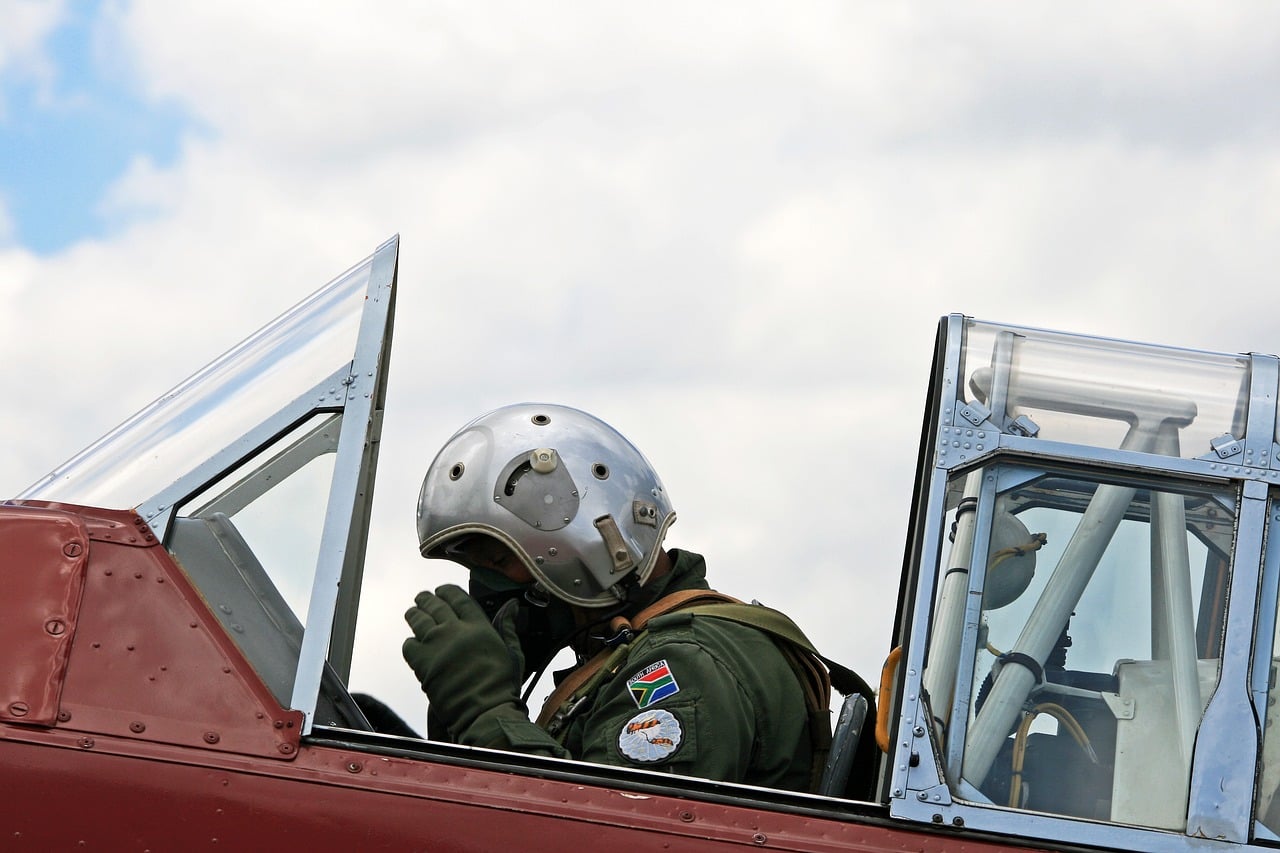
Accident – In aviation, an accident is defined as an event in which a person is fatally or seriously injured, or in which substantial damage to the aircraft or other property occurs. The legal significance of an accident lies in the trigger it provides for mandatory reporting, investigation, and possible regulatory action. For example, the crash of a commercial jet that results in multiple fatalities automatically initiates an investigation under national law and ICAO Annex 13, obligating the responsible authority to preserve evidence and to notify affected parties. A major challenge for investigators is distinguishing between an accident and a less severe incident, because the threshold for “serious injury” can vary between jurisdictions, affecting the scope of the investigation and the resources allocated.
Incident – An incident is any occurrence, other than an accident, that affects or could affect the safety of operations. Incidents often involve near‑misses, equipment failures that do not result in injury, or deviations from standard operating procedures. Legally, many states require the reporting of incidents that meet certain criteria, such as those involving loss of control or runway excursions. Practical application includes the use of incident reports to identify trends that may precede accidents. A recurring challenge is the under‑reporting of incidents due to fear of punitive action, which can be mitigated through a robust just culture policy.
Just Culture – This concept balances accountability with a non‑punitive environment, encouraging personnel to report safety concerns without fear of unjust reprisal. In a just culture, actions are evaluated based on intent, competence, and adherence to procedures. For instance, a pilot who inadvertently exceeds the aircraft’s speed limits due to a misreading of the instrument panel may be subject to corrective training rather than disciplinary sanctions, provided no reckless behavior is evident. The ethical dilemma arises when determining the line between acceptable error and willful negligence; investigators must apply consistent criteria to avoid bias.
Negligence – Legally, negligence is the failure to exercise the care that a reasonably prudent person would exercise under similar circumstances. In aviation safety investigations, establishing negligence can have significant ramifications, such as civil liability or criminal charges. Consider a maintenance organization that fails to replace a time‑limited component past its service life, resulting in a system failure. If the investigation uncovers that the organization ignored manufacturer recommendations, the findings may support a claim of negligence. The challenge lies in differentiating systemic issues from isolated human errors, ensuring that the attribution of negligence does not obscure broader safety deficiencies.
Liability – Liability refers to the legal responsibility for damages or injuries caused by an act or omission. In the context of safety investigations, liability can be civil, criminal, or administrative. A civil liability case may arise when victims sue an airline for compensation, while criminal liability may be pursued if gross negligence or willful misconduct is demonstrated. Administrative liability often involves sanctions imposed by a regulator, such as fines or revocation of operating certificates. Investigators must carefully document evidence to support any liability determinations, while maintaining independence from the regulatory enforcement process.
Due Diligence – Due diligence is the standard of care that an organization must exercise to ensure compliance with statutory obligations and to prevent foreseeable harms. Aviation operators are expected to conduct regular safety audits, maintain accurate records, and implement corrective actions promptly. For example, an airline that fails to conduct required fatigue risk assessments may be deemed to have breached its duty of due diligence. The ethical issue arises when operators claim compliance on paper while actual practices fall short; investigators must verify the authenticity of documentation and the effectiveness of implemented controls.
Confidentiality – Confidentiality obligates investigators and participating parties to protect sensitive information from unauthorized disclosure. This principle is essential to preserve the integrity of the investigation, protect sources, and encourage candid participation. In many jurisdictions, investigators are bound by statutory confidentiality provisions that prohibit the release of certain data, such as personal health information or proprietary technical details. A practical challenge emerges when media outlets request access to investigation files; investigators must balance transparency with the legal duty to keep confidential material sealed.
Privileged Communication – Privileged communication refers to exchanges that are legally protected from disclosure, typically because they occur within a recognized professional relationship. In aviation investigations, communications between an attorney and a client, or between a regulator and a protected witness, may be privileged. For instance, a pilot’s statements made to legal counsel during a criminal investigation are generally shielded from investigators’ inquiries. The ethical dilemma is ensuring that the privilege is not abused to conceal safety‑relevant information that could prevent future accidents.
Whistleblower Protection – Whistleblower statutes protect individuals who disclose safety concerns from retaliation. In the aviation sector, many countries have specific provisions that safeguard employees who report violations of safety regulations or internal policies. An example is a maintenance technician who alerts management to an unsafe practice involving aircraft fueling procedures; the technician should be protected from dismissal or demotion. Investigators must be aware of these protections to avoid inadvertently exposing whistleblowers to risk, and to ensure that reported concerns are thoroughly examined.
Immunity – Immunity is a legal mechanism that shields individuals from prosecution or civil liability in exchange for cooperation with an investigation. Some jurisdictions grant immunity to participants who provide truthful testimony, especially in cases involving systemic safety failures. For example, an airline’s chief engineer may be granted immunity to obtain detailed insight into maintenance shortcomings. The ethical issue revolves around balancing the need for candid information against the public’s right to accountability; investigators must clearly communicate the scope and limits of any immunity arrangement.
Chain of Custody – The chain of custody is the documented sequence of custody, control, transfer, analysis, and disposition of evidence. Maintaining an unbroken chain is crucial for the admissibility of evidence in legal proceedings. In aviation investigations, the chain of custody may involve flight data recorders (FDRs), cockpit voice recorders (CVR), debris, and maintenance logs. Each item must be logged, sealed, and stored under controlled conditions. A common challenge is ensuring that evidence is not contaminated during recovery, particularly in hostile environments such as crash sites with hazardous materials.
Admissibility – Admissibility determines whether evidence can be presented in a court or tribunal. Rules of admissibility vary by jurisdiction but generally require relevance, reliability, and compliance with procedural safeguards. For instance, a transcript of a pilot’s interview may be excluded if the interview was conducted without proper notice of the individual’s rights. Investigators must be mindful of these rules when preparing reports that may later be used in litigation, ensuring that data collection methods meet legal standards.
Expert Testimony – Expert testimony is evidence provided by individuals with specialized knowledge, skill, experience, or training. Aviation investigators often serve as experts, offering analysis of flight data, aircraft performance, or human factors. An expert may be called upon to explain the significance of a sudden altitude deviation captured by the FDR. The credibility of expert testimony depends on the expert’s qualifications, methodology, and independence. Ethical concerns arise when investigators are simultaneously tasked with producing investigative findings and serving as expert witnesses, potentially compromising objectivity.
Cross‑Examination – Cross‑examination is the process by which opposing counsel questions a witness to test the reliability and accuracy of their testimony. In aviation investigations that evolve into legal proceedings, investigators may be subject to cross‑examination regarding their investigative methods, data interpretation, and conclusions. Preparation for cross‑examination includes thorough documentation of procedures, calibration records, and decision‑making rationales. A challenge is maintaining composure under aggressive questioning while preserving the integrity of the investigative narrative.
Procedural Fairness – Procedural fairness, also known as natural justice, ensures that individuals affected by a decision have a right to be heard and to receive an unbiased decision. In the context of safety investigations, procedural fairness may be invoked when an operator contests a regulatory finding or a recommendation that could lead to sanctions. Investigators must provide clear explanations of their methodology, allow the operator to comment on draft findings, and document the response. Failure to observe procedural fairness can result in legal challenges that delay safety improvements.
Due Process – Due process is a constitutional principle that guarantees fair treatment through the normal judicial system. While aviation investigations are often administrative rather than judicial, due process principles still apply, especially when findings may affect civil liberties or economic interests. For example, an airline facing suspension of its operating certificate must be afforded notice, an opportunity to respond, and a reasoned decision. The practical implication for investigators is to ensure that their reports are fact‑based, transparent, and free from bias, thereby supporting due‑process compliance.
Legal Authority – Legal authority refers to the statutory power granted to an organization or individual to conduct investigations, enforce regulations, or impose penalties. In many countries, the national aviation authority (NAA) derives its authority from the civil aviation act and from ICAO provisions. The authority determines the scope of investigation, including the right to seize evidence, compel witnesses, and access restricted areas. A challenge emerges when multiple authorities claim jurisdiction over the same event, potentially leading to duplicated efforts or conflicting findings.
Jurisdiction – Jurisdiction defines the geographic and subject‑matter boundaries within which a legal body may operate. Aviation incidents often involve cross‑border elements, such as an aircraft registered in one state that crashes in another. Determining jurisdiction influences which NAA leads the investigation, which courts have authority to hear related lawsuits, and which international agreements apply. Practical application includes invoking ICAO Annex 13 provisions that designate the State of Occurrence, State of Registry, and State of the Operator as parties with investigative rights. Coordination among jurisdictions is essential to avoid legal conflicts and to ensure comprehensive data collection.
International Cooperation – International cooperation is the collaborative effort among states, organizations, and agencies to share information, resources, and expertise during safety investigations. ICAO’s framework encourages cooperation through the sharing of FDR and CVR data, joint on‑site investigations, and mutual assistance agreements. For example, when a multinational carrier experiences a crash, investigators from the State of Registry, State of Occurrence, and State of the Operator may work together under a unified command structure. Challenges include harmonizing differing legal standards, language barriers, and varying levels of technical capability.
Mutual Assistance – Mutual assistance agreements facilitate the provision of personnel, equipment, and expertise across borders. These agreements may be formal, such as bilateral treaties, or informal, based on goodwill. A practical illustration is the deployment of a specialist recovery team from one country to assist in the extraction of an FDR from a remote crash site in another country. Legal considerations include ensuring that the assisting personnel are granted appropriate visas, that evidence handling complies with both countries’ laws, and that any data shared respects confidentiality obligations.
Safety Management System (SMS) – An SMS is a systematic approach to managing safety that includes policy, risk assessment, assurance, and promotion. Legally, many states require operators to implement an SMS as a condition of certification. The SMS provides the framework for identifying hazards, assessing risk, and implementing controls. For example, an airline’s SMS may require quarterly safety audits, employee safety reporting mechanisms, and a risk matrix to prioritize corrective actions. Investigators often examine the effectiveness of the operator’s SMS when evaluating systemic contributors to an accident. A common challenge is the gap between the documented SMS and its actual implementation, which can be concealed through incomplete records.
Risk Assessment – Risk assessment is the process of identifying hazards, estimating the likelihood of occurrence, and evaluating the severity of potential outcomes. In aviation, risk assessment methodologies may include quantitative models, such as fault tree analysis, or qualitative approaches, such as the use of safety risk matrices. Legally, operators must demonstrate that they have performed risk assessments for significant hazards and that they have taken appropriate mitigation measures. A practical challenge is the subjectivity inherent in assigning probability values, which can lead to under‑estimation of low‑frequency, high‑impact events.
Human Factors – Human factors is the study of how humans interact with equipment, procedures, and the environment. It encompasses physiological, psychological, and organizational influences on performance. In safety investigations, human‑factors analysis seeks to understand why a pilot made a particular decision, why a maintenance crew missed a defect, or why an air traffic controller issued an erroneous clearance. An example is the analysis of “situational awareness loss” that contributed to a runway incursion. Ethical considerations include avoiding the blame‑the‑pilot mentality and instead focusing on systemic contributors.
Organizational Culture – Organizational culture refers to the shared values, beliefs, and norms that shape behavior within an organization. A safety‑oriented culture promotes open communication, continuous learning, and adherence to procedures. Conversely, a culture that tolerates shortcuts or discourages reporting can increase accident risk. Investigators assess culture through interviews, document reviews, and observation. For instance, a pattern of “normalization of deviance” may be identified when a fleet consistently operates with known equipment deficiencies. The difficulty lies in quantifying culture and linking it to specific safety outcomes.
Safety Case – A safety case is a structured argument, supported by evidence, that demonstrates an organization’s ability to manage safety risks to an acceptable level. It is commonly required for high‑risk operations such as unmanned aircraft systems (UAS) or new aircraft types. The safety case includes hazard identification, risk controls, and verification activities. Legally, regulators may require a safety case as part of the certification process. A challenge is maintaining the safety case’s relevance as operations evolve; outdated assumptions can undermine its credibility.
Safety Performance Indicators (SPIs) – SPIs are quantitative metrics used to monitor and assess safety performance over time. Examples include the number of runway incursions per 1,000 movements, the rate of safety‑related incidents, and the percentage of corrective actions completed on schedule. Regulators may require operators to report SPIs as part of compliance. Investigators analyze SPI trends to identify emerging hazards. However, reliance on SPIs can be problematic if data collection is inconsistent or if indicators are chosen that do not reflect true safety risk.
Safety Promotion – Safety promotion involves activities that raise awareness, disseminate best practices, and encourage safe behaviors. This can include training programs, safety bulletins, and public campaigns. Legally, operators may be mandated to conduct safety promotion for specific groups, such as ground handling staff. A practical example is a safety video that demonstrates proper procedures for fueling aircraft in cold weather. The difficulty is measuring the effectiveness of promotion efforts; without feedback mechanisms, it is hard to know whether the intended behavioral change has occurred.
Safety Investigation Report – The safety investigation report is the formal document that records the facts, analysis, findings, and recommendations arising from an investigation. Legal statutes often prescribe the format, content, and distribution of the report. For instance, Annex 13 requires that the final report be made publicly available, except where confidentiality is justified. The report must be clear, objective, and free from speculation. A challenge is balancing technical detail with readability for non‑technical stakeholders, while still satisfying legal evidentiary standards.
Findings – Findings are the factual conclusions derived from the investigative analysis. They answer the “what” and “why” questions about the occurrence. Findings may include statements such as “The aircraft’s left engine experienced a turbine blade failure due to metal fatigue.” Legally, findings can form the basis for enforcement actions or civil liability claims. Investigators must ensure that each finding is supported by verifiable evidence, and that the logical chain from data to conclusion is transparent.
Recommendations – Recommendations are the actions proposed to prevent recurrence of the identified hazards. They may be directed at operators, manufacturers, regulators, or other stakeholders. A typical recommendation might be “Operator X should revise its maintenance program to include periodic ultrasonic testing of turbine blades.” Recommendations are not legally binding unless incorporated into regulatory requirements, but they carry persuasive weight. A common difficulty is ensuring that recommendations are specific, feasible, and measurable, so that their implementation can be tracked.
Implementation – Implementation refers to the process of putting recommendations into practice. It involves allocating resources, assigning responsibility, and establishing timelines. Operators are often required to submit an implementation plan to the investigating authority, outlining how each recommendation will be addressed. For example, an airline may develop a training curriculum to address a crew resource management deficiency identified in the investigation. Monitoring implementation is critical; without verification, recommendations may remain on paper without effect.
Follow‑Up – Follow‑up activities verify that the recommended safety actions have been completed and are effective. Investigating agencies may conduct audits, request status reports, or perform site visits. Legally, failure to follow up can undermine the credibility of the investigation process and may expose regulators to criticism for not enforcing safety. A challenge is allocating sufficient resources for follow‑up, especially when dealing with multiple concurrent investigations.
Public Release – Public release is the dissemination of investigation findings to the broader community. Transparency is a cornerstone of public trust, and many jurisdictions have statutes mandating the release of final reports. However, certain information may be redacted to protect national security, trade secrets, or personal privacy. An example is the redaction of proprietary aircraft design details that are not essential for public understanding of the cause. The ethical tension lies in providing enough detail to promote safety learning while safeguarding sensitive information.
Transparency – Transparency denotes openness in the investigative process, including the sharing of methodology, data, and decision‑making rationale. It fosters confidence among stakeholders and deters perceptions of bias. For instance, publishing the investigative team’s qualifications and the steps taken to preserve evidence demonstrates transparency. Legal frameworks may codify transparency requirements, but practical limits exist when confidentiality obligations intersect with public interest.
Privacy – Privacy concerns arise when personal data—such as medical records, employment histories, or communications—are collected during an investigation. Regulations such as the General Data Protection Regulation (GDPR) in the European Union impose strict rules on the processing of personal data. Investigators must obtain consent where required, limit data collection to what is necessary, and secure the information against unauthorized access. A practical challenge is balancing privacy with the need for comprehensive safety information, especially when personal health factors may have contributed to an incident.
Data Protection – Data protection encompasses the technical and organizational measures used to safeguard data integrity, confidentiality, and availability. In aviation investigations, data protection includes encryption of digital flight recorder files, secure storage of interview transcripts, and controlled access to investigative databases. Legal compliance with data‑protection statutes is mandatory, and breaches can result in sanctions. Implementing robust data‑protection protocols can be resource‑intensive, particularly for smaller investigative bodies.
Evidence – Evidence is any material or testimony that helps to establish the facts of an occurrence. It can be physical (e.G., Debris, instruments), documentary (e.G., Maintenance logs), or testimonial (e.G., Witness statements). The legal admissibility of evidence depends on its relevance, reliability, and the manner in which it was obtained. For instance, a photograph of a damaged wing must be authenticated to be used in court. Investigators must maintain meticulous records of evidence handling to preserve its probative value.
Calibration – Calibration is the process of verifying and adjusting the accuracy of measurement instruments. In the context of flight data recorders, calibration ensures that recorded parameters reflect true values. Legal standards often require that calibration certificates be current and traceable to recognized standards bodies. Failure to calibrate equipment can lead to disputes over the validity of recorded data. A practical issue is that calibration records may be lost or incomplete, jeopardizing the credibility of the evidence.
Expertise – Expertise denotes the specialized knowledge and skills required to interpret complex aviation data. Investigators may rely on experts in aerodynamics, structural analysis, human factors, or avionics. The legal system scrutinizes the credentials and independence of experts to guard against bias. For example, an expert hired by the manufacturer may be perceived as less impartial than an independent consultant. Ethical practice requires disclosure of any potential conflicts of interest.
Conflict of Interest – A conflict of interest arises when an individual’s personal or financial interests could unduly influence their professional judgment. In safety investigations, conflicts can compromise the objectivity of findings. For instance, an investigator who holds stock in an aircraft manufacturer may be reluctant to attribute blame to that manufacturer’s design. Legal frameworks often require declaration of conflicts and may prohibit participation in investigations where a conflict exists. Managing conflicts is essential to preserve the credibility of the investigative process.
Regulatory Oversight – Regulatory oversight is the function of a national authority to monitor compliance with aviation safety regulations. Oversight activities include audits, inspections, and enforcement actions. Investigators may cooperate with regulators to share findings, but must maintain independence to avoid the appearance of regulatory capture. A challenge is that regulators may have limited resources, leading to reliance on self‑reporting by operators, which can reduce the effectiveness of oversight.
Enforcement Action – Enforcement action is any measure taken by a regulator to compel compliance, ranging from warnings and fines to suspension of certificates. When an investigation uncovers serious violations, the regulator may initiate enforcement proceedings. For example, a finding that an airline falsified maintenance records could result in the revocation of its Air Operator Certificate. Legal due process must be observed throughout enforcement, including the right to a hearing and the opportunity to appeal.
Compliance – Compliance denotes adherence to applicable laws, regulations, and standards. Operators are required to demonstrate compliance through documentation, training records, and performance data. Investigators assess compliance by reviewing these artifacts and by observing operational practices. Non‑compliance can be a contributing factor to accidents, and may trigger regulatory sanctions. A practical difficulty is that compliance is often demonstrated on paper, while actual practice may diverge.
Audit – An audit is a systematic, independent examination of an organization’s processes and records to determine conformity with established criteria. Audits can be internal or external, and may focus on safety management, maintenance, or operational procedures. Audit findings can inform risk assessments and may be cited in investigation reports. Legally, some audits are mandated by regulation, such as periodic safety audits of commercial operators. Ensuring auditor independence is critical to avoid bias.
Risk Management – Risk management is the systematic approach to identifying, analyzing, evaluating, treating, and monitoring risks. It is a core component of an SMS and is required by many regulatory frameworks. For instance, a risk‑management plan may require the identification of hazards associated with a new aircraft type before it enters service. The challenge lies in prioritizing risks in a resource‑constrained environment, and in ensuring that risk treatment measures are effectively implemented.
Safety Assurance – Safety assurance involves monitoring the effectiveness of safety controls and verifying that safety objectives are being met. It includes activities such as trend analysis, performance auditing, and verification of corrective actions. Legally, safety assurance processes may be subject to inspection by regulators. An example of safety assurance is the periodic review of incident reports to identify recurring hazard patterns. Maintaining a robust safety‑assurance system can be demanding, especially for smaller operators with limited personnel.
Safety Promotion – Safety promotion is the proactive dissemination of safety information and best practices to foster a safety‑conscious environment. It may involve newsletters, safety seminars, or digital campaigns. While not always legally mandated, many regulators encourage safety promotion as part of a comprehensive safety culture. The challenge is ensuring that promotion activities reach all relevant personnel, including subcontractors and temporary staff.
Safety Communication – Safety communication is the exchange of safety‑related information among stakeholders. Effective communication ensures that hazards, risks, and lessons learned are shared promptly. Legal requirements may dictate that certain safety communications be documented and retained, such as safety alerts issued by the regulator. A practical obstacle is information overload; when stakeholders receive too many messages, critical safety information may be overlooked.
Safety Culture Assessment – Safety culture assessment is the systematic evaluation of an organization’s attitudes, values, and behaviors related to safety. Methods include surveys, interviews, and observation. Findings from a safety‑culture assessment can be incorporated into investigation reports to provide context for human‑error factors. Legal implications arise when a poor safety culture is identified as a systemic cause of an accident; regulators may impose corrective actions. Conducting an unbiased assessment requires skilled facilitators and confidentiality assurances for participants.
Legal Framework – The legal framework comprises the statutes, regulations, international conventions, and case law that govern aviation safety investigations. Key components include the Chicago Convention, ICAO Annex 13, national civil aviation acts, and sector‑specific regulations (e.G., Part 121 in the United States). Understanding the hierarchy of these sources is essential for investigators to determine the applicable standards and to ensure that their work aligns with legal obligations. A frequent challenge is navigating inconsistencies between international standards and national legislation.
Chicago Convention – The Chicago Convention of 1944 established the International Civil Aviation Organization and set out the principles for international air navigation. Articles of the Convention, particularly Article 31, provide the basis for the rights and responsibilities of States concerning accident investigations. For example, the Convention obliges the State of Occurrence to conduct an investigation and to cooperate with other States. Legal disputes may arise when a State refuses to share information, potentially breaching its Convention obligations.
ICAO Annex 13 – Annex 13 to the Chicago Convention outlines the international standards and recommended practices for aircraft accident and incident investigation. It defines the roles of the State of Occurrence, State of Registry, State of the Operator, and State of Design. The annex also prescribes the content of investigation reports, the handling of evidence, and the protection of confidential information. Compliance with Annex 13 is often incorporated into national regulations, making it a cornerstone of the legal framework for investigations.
National Aviation Act – Each country enacts its own civil aviation legislation that implements ICAO standards and defines the powers of its aviation authority. The act typically includes provisions for accident reporting, investigation authority, enforcement powers, and penalties. For instance, the United Kingdom’s Civil Aviation Act 1982 grants the Air Accidents Investigation Branch (AAIB) the authority to collect evidence and to interview witnesses. Legal challenges may arise when national statutes are ambiguous regarding the scope of investigative powers, leading to disputes over the admissibility of certain evidence.
Regulatory Standard – A regulatory standard is a specific requirement that must be met by aviation entities. Examples include maintenance program requirements, crew duty‑time limitations, and equipment certification criteria. Violations of regulatory standards can be cited as findings in an investigation and may form the basis for enforcement actions. The ethical issue is ensuring that investigators remain impartial when assessing compliance, particularly when the same regulator is responsible for both investigation and enforcement.
Case Law – Case law consists of judicial decisions that interpret statutes and set precedents. In aviation safety investigations, case law can clarify the meaning of terms such as “negligence” or “due diligence,” and can define the limits of investigative authority. For example, a court ruling that a regulator’s seizure of an aircraft without a warrant violated constitutional rights could reshape future investigative procedures. Investigators must stay informed of relevant case law to ensure that their methods remain legally defensible.
Statutory Duty – A statutory duty is a legal obligation imposed by legislation. In the aviation context, duties may include the requirement to report accidents within a specified time frame, to preserve evidence, or to cooperate with investigators. Failure to fulfill a statutory duty can result in penalties, including fines or criminal charges. An example is the statutory duty to report a runway incursion within 72 hours; non‑compliance may be deemed a breach of the civil aviation act.
Procedural Rule – Procedural rules govern the steps that must be followed during an investigation, such as the order of evidence collection, interview protocols, and report issuance. These rules are often codified in the national investigation regulations. Adherence to procedural rules ensures fairness and consistency, and helps protect the admissibility of findings in subsequent legal proceedings. A practical challenge is that procedural rules may be overly rigid, limiting investigators’ ability to adapt to unique circumstances of a crash site.
International Civil Aviation Organization (ICAO) – ICAO is the United Nations specialized agency responsible for establishing global aviation standards and recommended practices. Its role includes developing Annex 13, facilitating international cooperation, and providing a forum for dispute resolution. ICAO’s guidance documents, such as the Safety Management Manual, influence national legal frameworks and operational practices. While ICAO does not have enforcement power, its standards are widely adopted, and non‑compliance can affect a State’s reputation and access to international airspace.
National Transportation Safety Board (NTSB) – The NTSB is an independent U.S. Federal agency that conducts transportation accident investigations, including aviation. Its authority is derived from the Federal Aviation Act and the NTSB Act. The NTSB’s investigative methods, safety recommendations, and public reporting practices serve as a model for many other nations. Legal interactions occur when NTSB findings intersect with regulatory enforcement by the Federal Aviation Administration (FAA). The separation of investigative and regulatory functions is a key ethical principle intended to preserve objectivity.
Air Accident Investigation Branch (AAIB) – The AAIB is the United Kingdom’s independent body tasked with investigating civil aviation accidents and serious incidents. Its statutory powers are set out in the Air Navigation Order. The AAIB produces detailed reports, issues safety recommendations, and works closely with the Civil Aviation Authority (CAA). The legal relationship between the AAIB and the CAA illustrates the balance between investigative independence and regulatory oversight. Challenges include managing information sharing while respecting confidentiality obligations.
Safety Investigation Board (SIB) – A Safety Investigation Board is a formal committee, often established by a State, to oversee major accident investigations. The board may include representatives from the aviation authority, the defense ministry, and other relevant agencies. Its mandate typically includes reviewing investigative methods, approving final reports, and ensuring that recommendations are implemented. Legal authority for the SIB may be derived from national legislation, and its decisions can be subject to judicial review if procedural fairness is questioned.
Evidence Preservation – Evidence preservation involves safeguarding all relevant material from alteration, loss, or contamination. Legal statutes often impose a duty on investigators to preserve evidence until the investigation is concluded and any related legal proceedings are resolved. Techniques include sealing debris, using tamper‑evident containers, and maintaining detailed logs of evidence movement. Failure to preserve evidence can lead to challenges to the credibility of the investigation and may result in sanctions against the investigating body.
Chain of Custody Documentation – This documentation records each transfer of evidence, noting the date, time, individuals involved, and condition of the item. It is essential for establishing authenticity and for ensuring that evidence remains admissible in court. In aviation investigations, chain‑of‑custody forms are used for flight recorders, cockpit voice recordings, and physical debris. A practical issue is the large volume of evidence generated at a major accident site, which can strain the capacity of the investigative team to maintain accurate records.
Legal Privilege – Legal privilege protects communications between a client and legal counsel from disclosure. In the aviation setting, this may apply to statements made by an airline’s legal team to investigators. The privilege can be invoked to prevent the use of certain documents in regulatory enforcement actions. However, many jurisdictions limit privilege when the communication relates to ongoing or future wrongdoing, invoking the “crime‑exception” doctrine. Investigators must be aware of privilege claims to avoid accidental disclosure that could be deemed contempt of court.
Statutory Immunity – Statutory immunity shields certain individuals or entities from liability when performing official duties, provided they act in good faith. For example, a government safety investigator may be immune from civil suits arising from conduct performed in the course of an official investigation. Immunity is intended to enable investigators to conduct their work without fear of personal litigation. Ethical concerns emerge when immunity is perceived as a shield for misconduct; transparent oversight mechanisms are required to maintain public confidence.
Confidentiality Agreement – Confidentiality agreements are contracts that obligate parties to keep certain information private. In safety investigations, parties such as manufacturers, airlines, and service providers may sign confidentiality agreements to protect proprietary data while sharing it with investigators. Breach of such agreements can result in legal action and may impede future cooperation. Investigators must manage confidentiality agreements carefully to ensure that essential safety information is not unnecessarily restricted.
Public Interest Immunity – Public interest immunity (PII) is a legal principle allowing a government to withhold evidence if disclosure would be detrimental to the public interest, such as national security or commercial confidentiality. In aviation investigations, PII may be invoked to protect sensitive avionics design data. Courts balance PII against the need for evidence in legal proceedings; if the evidence is deemed essential, the court may order disclosure with redactions. Investigators must be prepared to justify any PII claims and to provide sufficient summary information for public safety learning.
Data Integrity – Data integrity refers to the accuracy and consistency of data over its lifecycle. In aviation investigations, maintaining data integrity is crucial for the reliability of flight recorder analysis, maintenance logs, and other digital records. Techniques such as cryptographic hashing, checksum verification, and controlled access permissions are employed to safeguard integrity. Legal challenges may arise if data integrity is questioned, potentially leading to the exclusion of critical evidence.
Human‑Factors Analysis and Classification System (HFACS) – HFACS is a framework used to categorize human error into four levels: Unsafe acts, preconditions for unsafe acts, unsafe supervision, and organizational influences. It provides a structured approach for investigators to identify latent factors that contribute to accidents. Legally, HFACS findings can be used to demonstrate systemic deficiencies that may affect liability determinations. Applying HFACS requires trained analysts and can be time‑consuming, but it yields deeper insight into the interplay of human and organizational factors.
Root‑Cause Analysis (RCA) – RCA is a systematic process for identifying the fundamental underlying causes of an event. In aviation safety, RCA goes beyond surface‑level causes to uncover deeper systemic issues. Methods such as the “5 Whys,” fishbone diagrams, and fault tree analysis are employed. Legal implications arise when RCA uncovers violations of regulations that could be subject to enforcement. The challenge lies in resisting the temptation to stop at proximate causes and instead pursue the deeper factors that, if addressed, will prevent recurrence.
Fault Tree Analysis (FTA) – FTA is a deductive, top‑down method used to model the pathways that can lead to a particular undesired event. Investigators construct a logical diagram that depicts how combinations of failures can produce the top‑event (e.G., Loss of control). The analysis can be used to assess the probability of each pathway and to prioritize mitigations. Legally, FTA results may be introduced as expert evidence to illustrate the complexity of a failure scenario. Conducting a thorough FTA requires detailed data and specialized software tools.
Safety Management System (SMS) Audit – An SMS audit evaluates an organization’s compliance with its own safety management processes and with regulatory requirements. Auditors examine documentation, interview personnel, and observe operations to assess effectiveness. Findings from an SMS audit can be referenced in an accident investigation to determine whether systemic safety deficiencies existed. Legal standards often require that audit results be retained for a specified period, and failure to conduct or document audits can be a breach of statutory duty.
Regulatory Compliance Audit – This audit focuses on verifying that an organization adheres to specific regulatory provisions, such as maintenance schedule compliance, crew licensing requirements, or aircraft certification standards. The audit may be performed by the regulator or by an authorized third party. Non‑compliance identified during an audit can trigger enforcement actions, and may also be cited in investigation reports as contributory factors.
Key takeaways
- Accident – In aviation, an accident is defined as an event in which a person is fatally or seriously injured, or in which substantial damage to the aircraft or other property occurs.
- A recurring challenge is the under‑reporting of incidents due to fear of punitive action, which can be mitigated through a robust just culture policy.
- For instance, a pilot who inadvertently exceeds the aircraft’s speed limits due to a misreading of the instrument panel may be subject to corrective training rather than disciplinary sanctions, provided no reckless behavior is evident.
- The challenge lies in differentiating systemic issues from isolated human errors, ensuring that the attribution of negligence does not obscure broader safety deficiencies.
- A civil liability case may arise when victims sue an airline for compensation, while criminal liability may be pursued if gross negligence or willful misconduct is demonstrated.
- The ethical issue arises when operators claim compliance on paper while actual practices fall short; investigators must verify the authenticity of documentation and the effectiveness of implemented controls.
- In many jurisdictions, investigators are bound by statutory confidentiality provisions that prohibit the release of certain data, such as personal health information or proprietary technical details.